


Masons Ironstone China
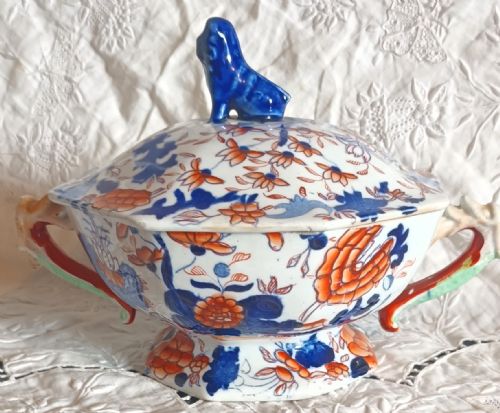
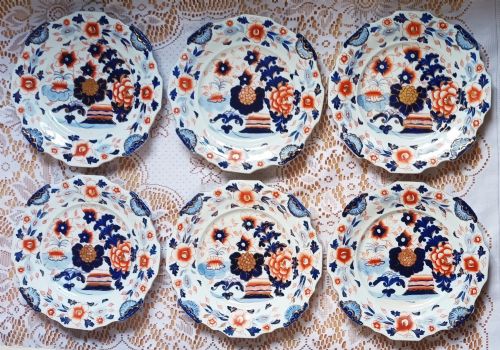
These pieces of masons ironstone china combine durable ceramic bodies with vibrant hand-painted patterns for everyday service and display.
Masons Ironstone China
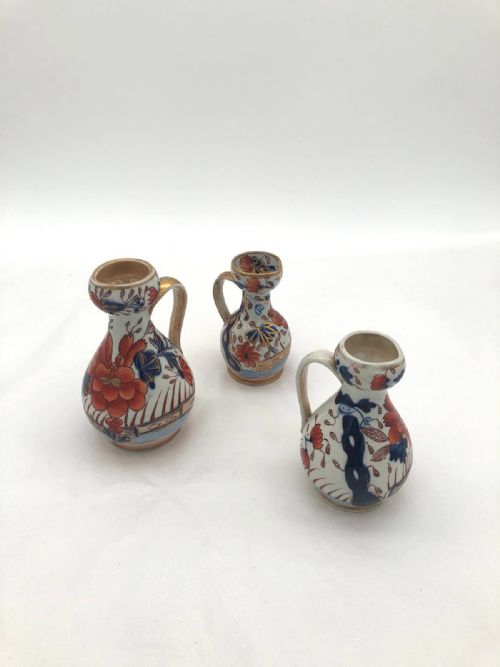
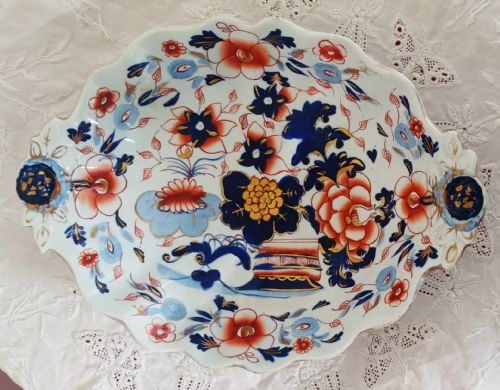
When buyers search for masons ironstone china, they encounter robust tableware and decorative items designed to replicate expensive East Asian porcelain at a lower cost. The selection centres heavily on nineteenth-century Georgian, Regency, and Victorian items, ranging from large platters and tureens to plates, jugs, and comports.
Tableware forms dominate the available stock, particularly plates, soup bowls, and serving dishes arranged in matched sets or pairs. Decorative vessels such as posy vases, pot pourri jars, and garnitures appear alongside functional kitchen and dining hardware.
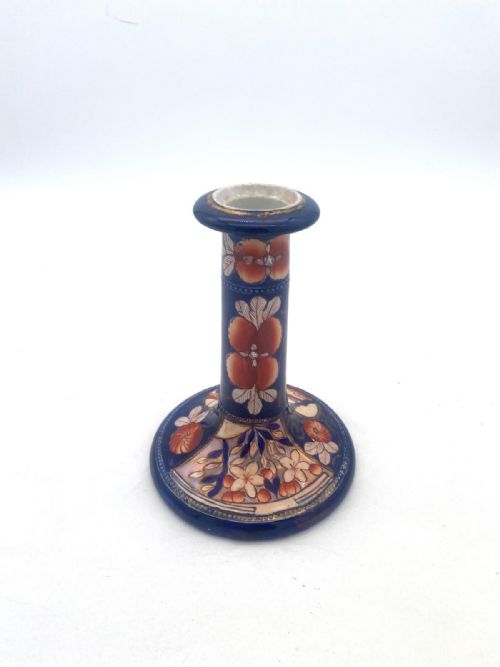
Originating largely from the nineteenth century, these objects display a mixture of utility and ornamental ambition. Buyers frequently meet pieces bearing specific named patterns such as Japan, Chinoiserie, Schoolhouse, and Bird and Peony.
How they were made
Potters produced these objects using a dense ceramic body known as ironstone, which combined refined clay with slag of ironstone to create a heavy, resilient material. This substance resisted chipping far better than standard earthenware, making it suitable for heavy household use.
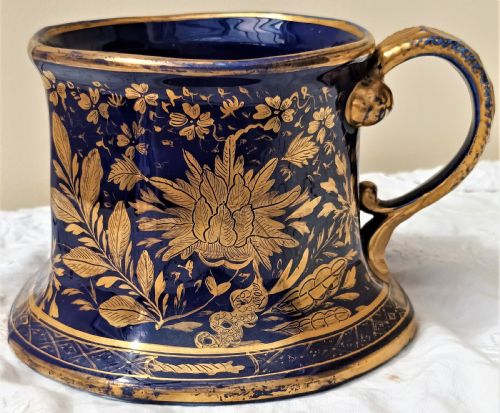
Decoration relied heavily on applied enamel colours and gold leaf gilding over a smooth glaze. Many pieces utilised transfer printing for the foundational outlines of patterns like Chinoiserie or Japan before workers hand-painted the vibrant hues.
Masons Ironstone China Retail Price Guide 2026
Typical asking prices for masons ironstone china among the pieces listed under this phrase on Sellingantiques today, from the lower quarter to the upper quarter. They describe what is for sale here now, not the wider market.
Several jugs display serpent-inspired handles.
What varies in quality
The precision and complexity of the painted decoration separate standard utility items from superior artistic examples. Hand-painted enamel work featuring rich palettes and intricate gold leaf gilding indicates higher execution.
The crispness of the moulded form, particularly on complex shapes like Hydra jugs, chestnut baskets, and garnitures, dictates the overall calibre. Finer pieces maintain sharp relief and symmetrical proportions without warping from the kiln firing.
Mason
The Masons Ironstone China Glossary
- Ironstone
- A patented ceramic material developed to provide the durability of stoneware with the refined appearance of porcelain. It forms the heavy, robust body of these vessels.
- Comport
- A raised dish or bowl used for serving fruit or sweetmeats at the table. These pedestal vessels often feature detailed transfer-printed and enamelled borders.
- Imari
- A decorative style inspired by Japanese export wares featuring iron red, underglaze blue, and gilt. Makers applied this palette extensively to plates and pot pourri jars.
- Hydra
- A distinctive jug form characterised by a serpent-handle and an octagonal body. This classic shape appears frequently in nineteenth-century production.
- Ashet
- A large oval platter or serving dish used for joints of meat. These substantial pieces form part of larger nineteenth-century dining services.
Masons Ironstone China: Frequently Asked Questions
What is masons ironstone china?
It is a heavy, durable ceramic material patented in the nineteenth century to imitate expensive Oriental porcelain. Makers shaped it into practical tableware and decorative vessels.
These items combined utilitarian strength with elaborate hand-painted decoration, making them popular for both dining tables and display cabinets in British homes.
How do I care for these pieces?
Wash these ceramics gently by hand in warm soapy water using a soft cloth. Avoid abrasive sponges and dishwashers to protect the delicate enamel colours and gold leaf gilding.
Store serving dishes and plates carefully with felt spacers between them to prevent surface scratching on the glaze.
How were these items used originally?
Dining rooms utilised these objects for serving courses, holding soups, presenting desserts, and draining liquids from food. Platters, tureens, and comports formed the backbone of large nineteenth-century meal services.
Smaller vessels like posy vases, pot pourri jars, and garnitures served purely decorative functions in drawing rooms and parlours.
How can I identify different patterns?
Study the decorative motifs and colour palettes, which often follow traditional East Asian themes like Chinoiserie, Japan, and floral bird designs. Named patterns such as Schoolhouse or Indian Grasshopper provide direct clues to the specific design lineage.
Comparing the style of the enamel painting and the weight of the ceramic body helps distinguish nineteenth-century production from later revivals.