



Imari Pattern Ironstone
These imari pattern ironstone pieces combine robust ceramic bodies with vibrant enamel and gold leaf decoration, offering a striking display of colour for any interior.
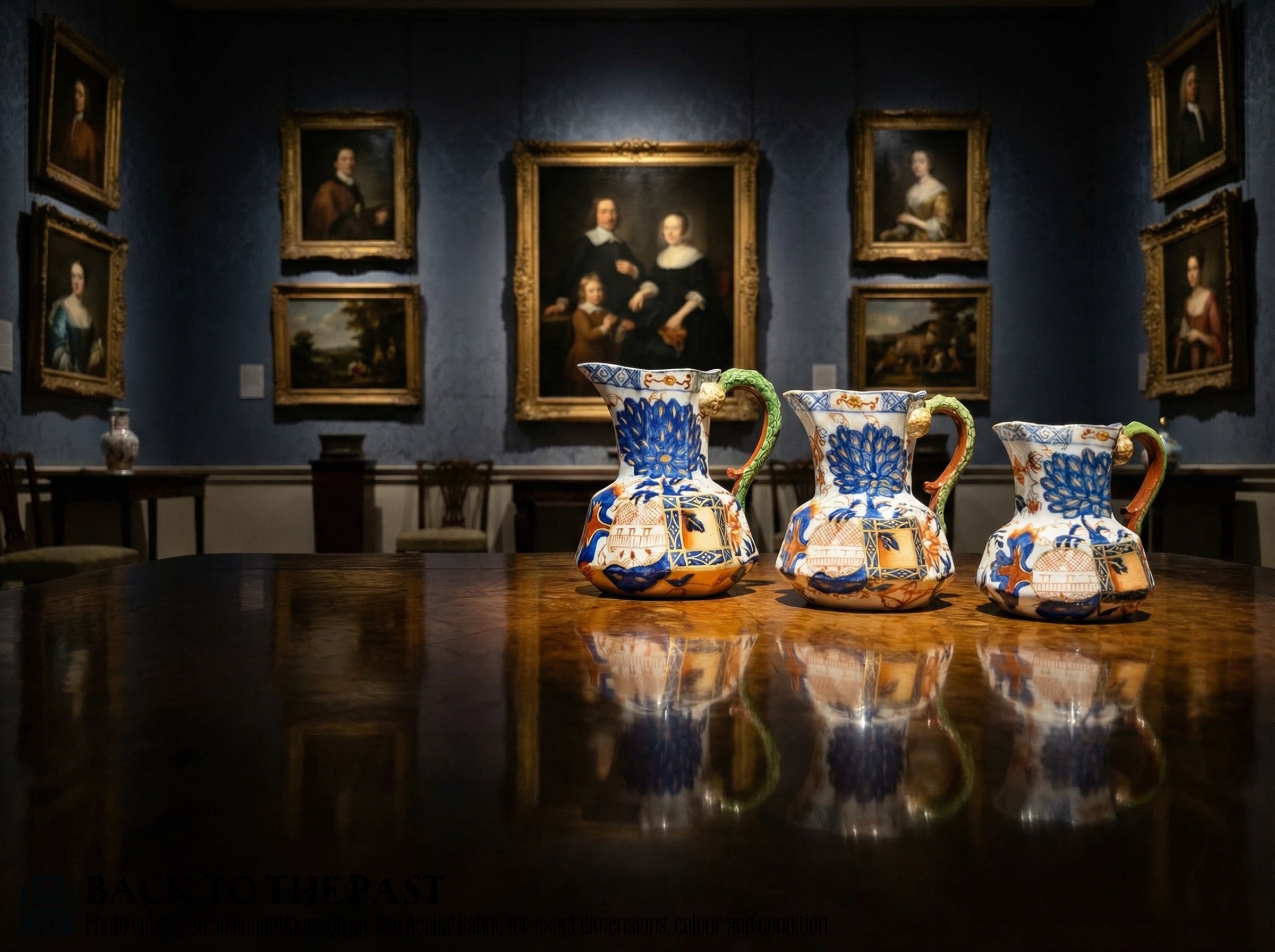
What imari pattern ironstone pieces are
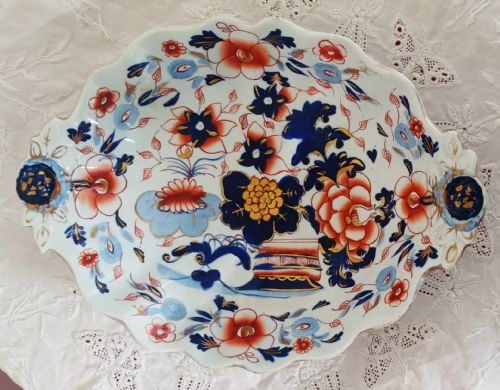
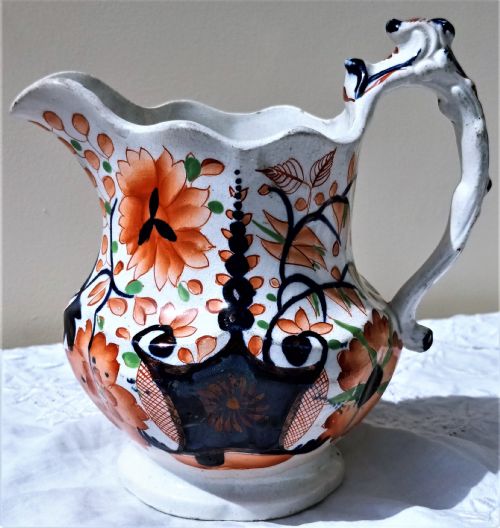
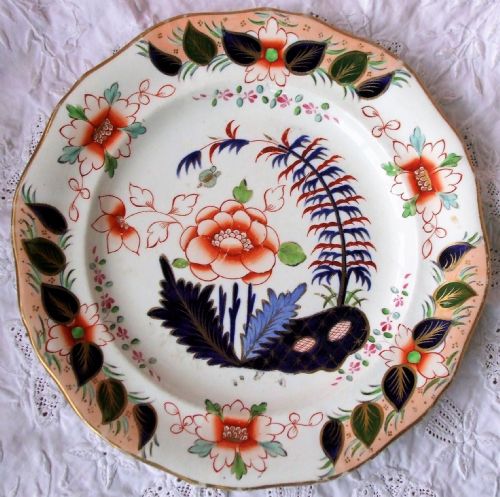
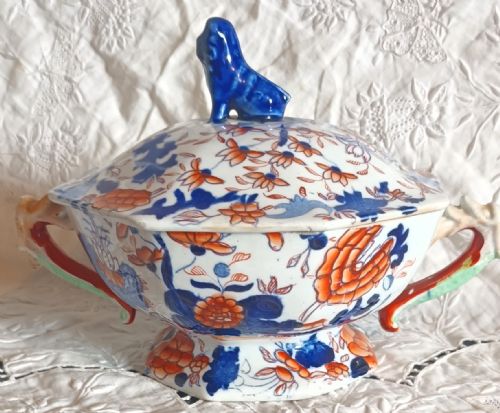
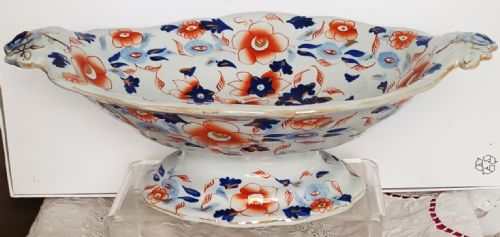
When you search for imari pattern ironstone, you encounter sturdy ceramic tableware and display objects decorated in the traditional Imari palette. These pieces date from the 19th Century, spanning the Georgian, Regency, and Victorian eras, with styles described as English Imari and Victorian Imari.
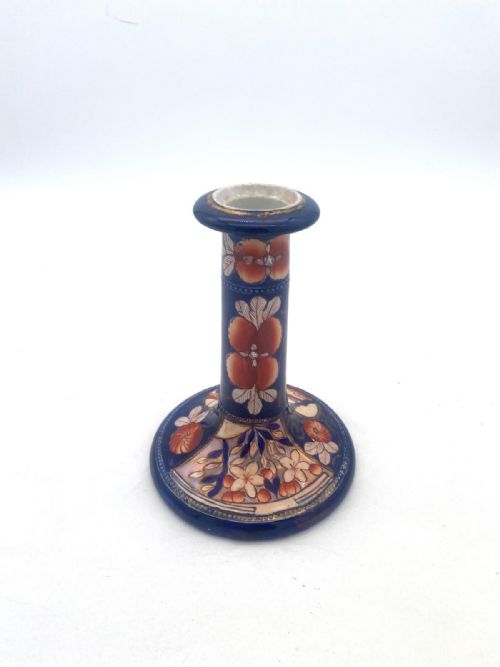
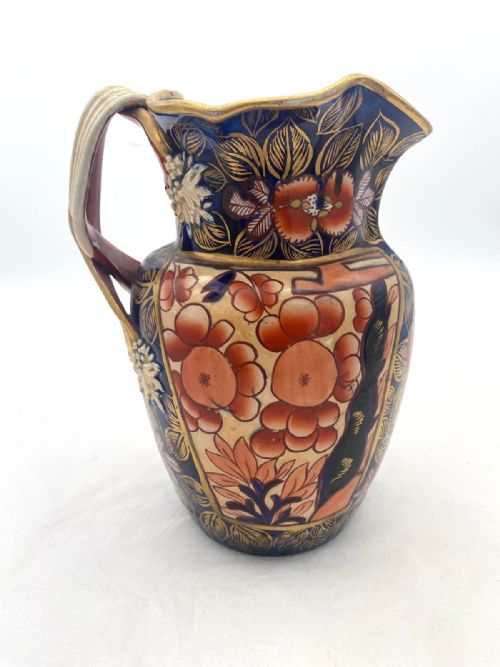
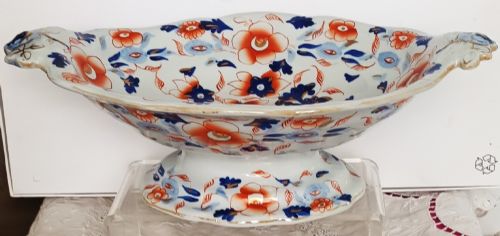
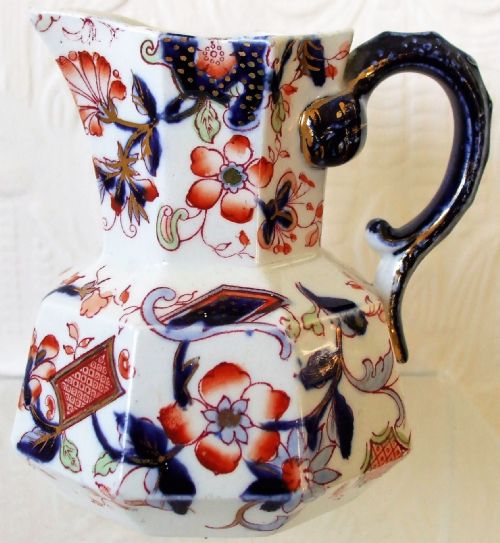
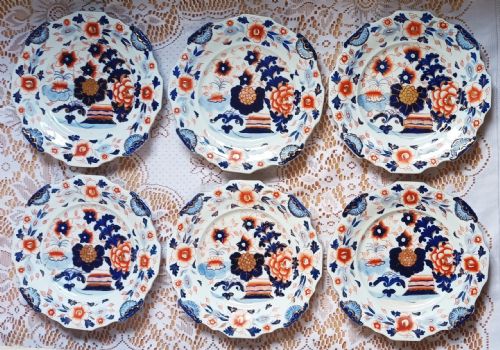
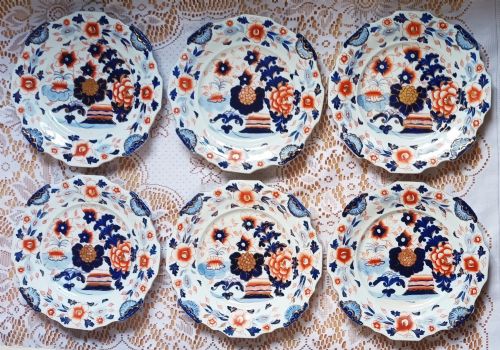
The objects available on this page include large serving vessels such as tureens, along with decorative jugs, pitchers, cabinet plates, dinner plates, miniatures, and pot-potpourri vases. Such items bridge the gap between durable utilitarian ware and decorative display pieces.
You are most likely to meet utilitarian forms adapted for display, particularly octagonal jugs, covered tureens, and cabinet plates. These survivals demonstrate how households utilised heavy ceramics that could still carry intricate, colourful surface patterns.
How they were made
Makers shaped these items from dense ironstone ceramic, a heavy and robust material designed to withstand daily use while providing a smooth ground for decoration. Potters formed vessels like tureens, jugs, and vases using moulds or throwing techniques before firing them to a durable finish.
Painters then applied enamel colours, often incorporating gilt or gold leaf over a white glaze to achieve the characteristic Imari palette. This combination of underglaze and overglaze decoration required multiple firings to fix the rich reds, blues, and metallic highlights securely to the ceramic body.
Retail Price Guide 2026
Typical UK retail prices for imari pattern ironstone, calculated from the Sellingantiques database of over a million retail prices indexed since 2003. This retail price guide relies exclusively on Sellingantiques data; no external sources or auction records are used, so the figures do not describe the wider market.
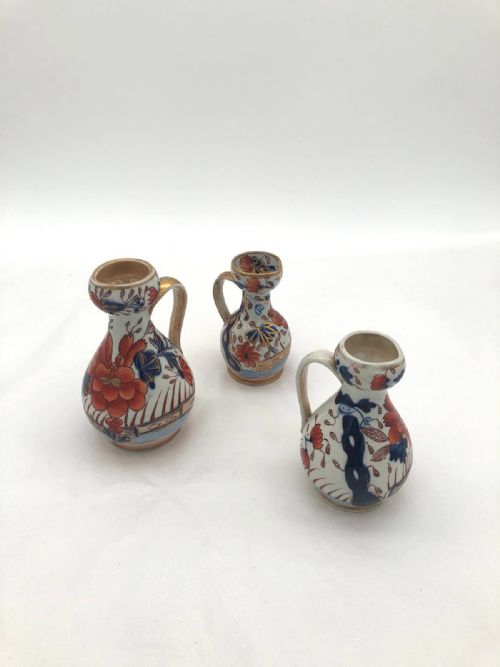
One tiny surviving piece takes the exact form of a miniature watering can, proving that 19th-century potters loved novelty just as much as we do.
What varies in quality
Quality in these items rests primarily on the precision and richness of the enamel and gold leaf application. Finer examples display crisp hand-painted detailing and well-preserved gilding that retains its metallic brilliance across the ceramic surface.
The crispness of the moulding in forms such as octagonal jugs and patterned tureens also distinguishes superior pieces. Sharper edges and balanced proportions indicate greater care in the initial shaping of the heavy ironstone body before glazing.
Davenport·Mason's·Coalbrookdale·John Davenport of Longport
The Imari Pattern Ironstone Glossary
- Ironstone
- A heavy, durable ceramic body patented in the 19th Century to provide a strong alternative to porcelain. It takes glazes and enamels exceptionally well.
- Imari
- A decorative style inspired by Japanese export porcelain, characterised by a palette of iron red, underglaze blue, and gilt highlights. English makers adapted this aesthetic extensively during the 19th Century.
- Tureen
- A deep covered vessel designed for serving soups, sauces, or vegetables at the dining table. These pieces often feature matching stands and substantial handles.
- Gilt
- A thin layer of gold leaf or gold paint applied to the surface of ceramics for decorative effect. It catches the light and frames the painted enamel scenes.
- Enamel
- Opaque glass-based colours fused to the surface of the fired ceramic during a secondary kiln process. This technique allows for vibrant reds, blues, and greens on ironstone.
Frequently Asked Questions
What is imari pattern ironstone?
These are 19th-century ceramic items made from a durable heavy body and decorated with vibrant enamel colours and gold leaf in the traditional Imari style.
They include plates, jugs, tureens, and decorative vases produced by prominent English factories of the period.
How were these pieces used?
Many items served practical dining functions, such as dinner plates, soup tureens, and water jugs used in 19th-century households.
Others, like miniature watering cans and pot-potpourri vases, served decorative or ornamental purposes within the home.
How do I clean imari ironstone?
Clean these ceramic pieces gently using warm water and mild soap, avoiding harsh abrasives that can damage the enamel and gold leaf.
Because many pieces feature delicate gilding applied over the glaze, hand washing remains essential to preserve the surface decoration.
Can I use them for dining?
While ironstone is exceptionally robust and heavy, the presence of overglaze enamel and gold leaf from the 19th century suggests careful handling.
Many collectors prefer to display cabinet plates, tureens, and jugs as decorative art rather than using them for everyday meals.