

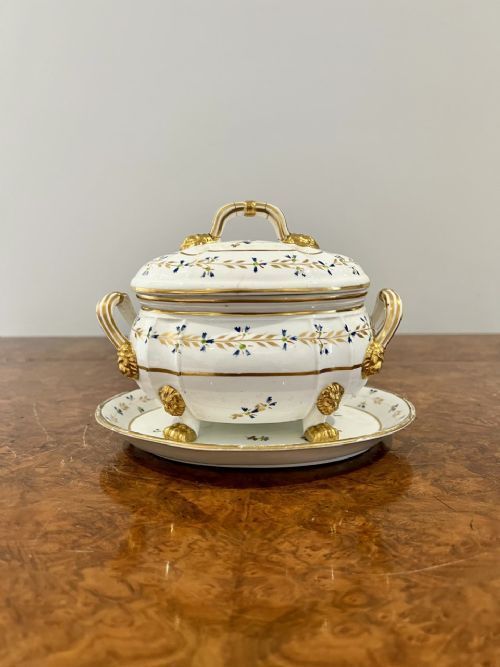


Antique Porcelain Tureen
An antique porcelain tureen brings genuine weight to a table, offering deep bowls and historic glaze that modern dinnerware simply cannot touch.
What these antique porcelain tureen pieces are
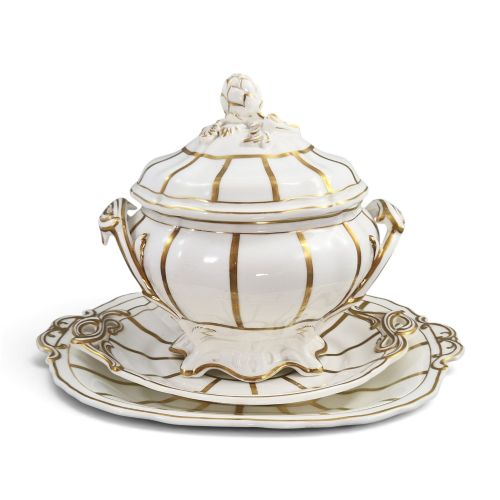
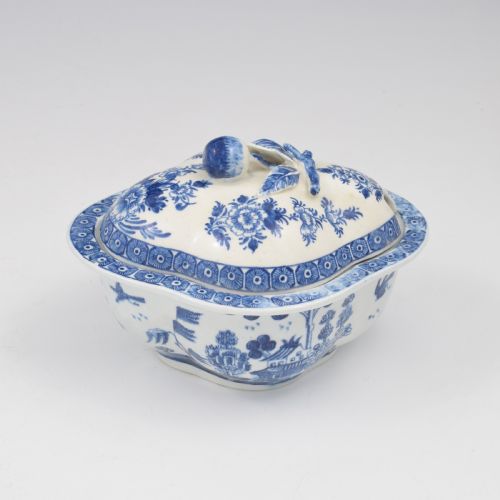
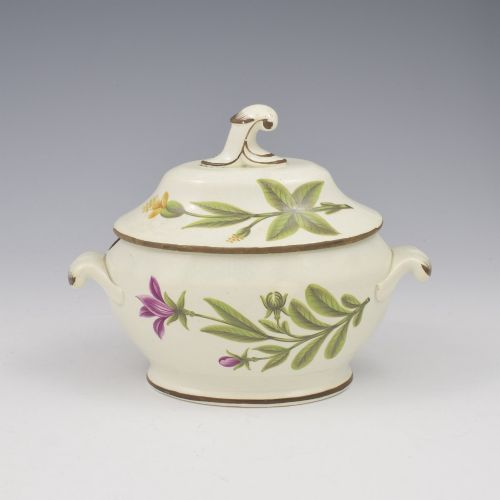
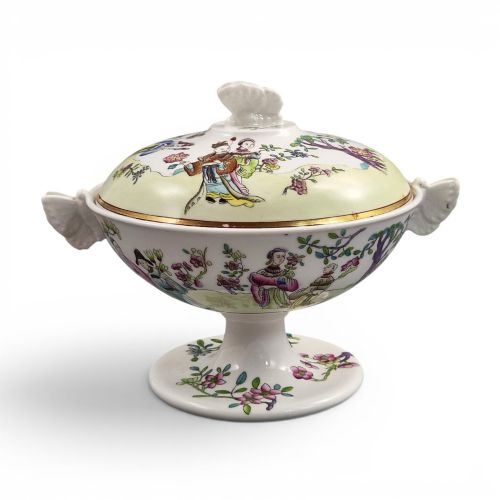
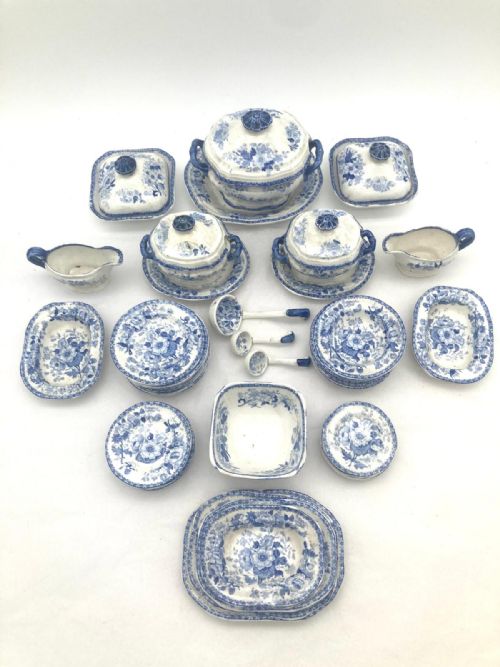
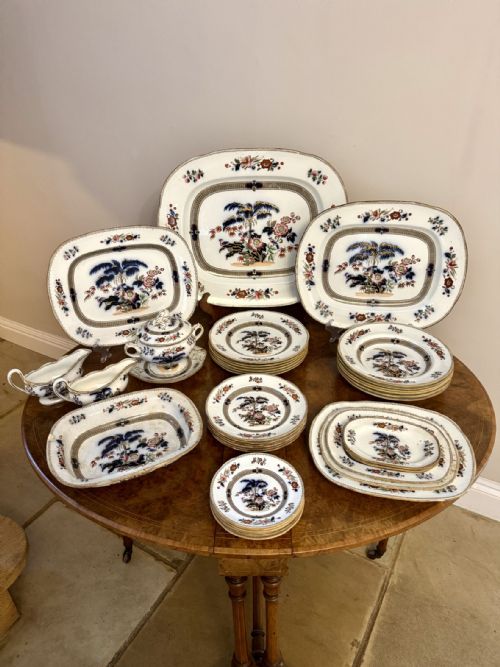
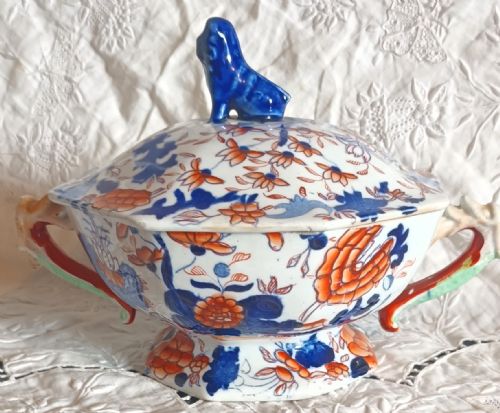
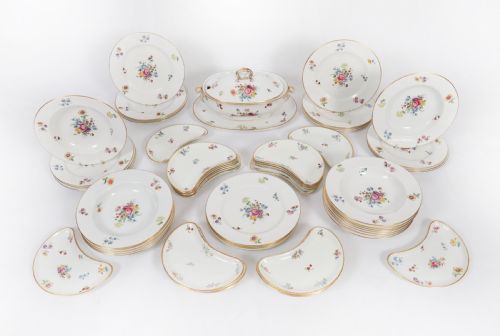
When you search for an antique porcelain tureen, you find substantial serving vessels designed for soups, sauces, and grand dining. These pieces arrive in forms ranging from individual sauce tureens to large soup tureens complete with matching lids and stands.
The pieces on this page span the nineteenth century, including Regency examples and Victorian works. You will encounter Continental Rococo designs alongside French Rococo Revival styles, showing elaborate moulding and generous proportions.
Makers and origins vary from English factories like Worcester and Copeland to continental workshops and ironstone variants. Each piece reflects the formal dining customs of its period, built to hold heat and anchor a formal table setting.
How they were made
Makers formed these tureens using fine ceramic paste and porcelain bodies, sometimes employing ironstone for added durability. Skilled hands shaped the voluminous bowls, handles, and fitted lids on the potter's wheel or within intricate moulds.
Artisans applied enamel colours and detailed hand-painting directly to the glazed surfaces. Many examples feature generous applications of gold leaf and gilt accents to highlight the raised Rococo scrolls and handles.
Retail Price Guide 2026
Typical UK retail prices for porcelain tureen, calculated from the Sellingantiques database of over a million retail prices indexed since 2003. This retail price guide relies exclusively on Sellingantiques data; no external sources or auction records are used, so the figures do not describe the wider market.
Listings feature nineteenth-century and Regency periods, utilising porcelain, ironstone, enamel, and gold leaf.
What varies in quality
The refinement of the porcelain body and the crispness of the moulded relief define the upper tier of these vessels. Earlier Regency pieces often display finer potting and more delicate painting than later mass-produced services.
The presence of original matching stands and undamaged lids separates complete masterworks from single vessels. Hand-painted enamel detail and well-preserved gold leaf elevate the visual weight and historical merit of a piece.
Flight Barr And Barr·Copeland Spode·Coalbrookdale
The Antique Porcelain Tureen Glossary
- Tureen
- A deep covered vessel used for serving soup, sauce, or gravy at the dining table. They frequently include a matching underplate or stand to protect the table cloth.
- Porcelain
- A hard, white ceramic material fired at high temperatures to achieve a vitrified, non-porous body. It forms the smooth and durable base for fine antique dining wares.
- Gilt
- A thin layer of gold applied to the surface of the porcelain or ceramic body. This traditional decoration highlights handles, rims, and moulded scrollwork.
- Ironstone
- A heavy, durable type of earthenware patented in the nineteenth century to imitate porcelain. It provides robust strength for large serving pieces while holding detailed moulding.
- Rococo Revival
- A decorative style popular in the nineteenth century characterised by asymmetrical curves, C-scrolls, and naturalistic plant motifs. It heavily influences the ornamentation of these tureens.
Frequently Asked Questions
What is an antique porcelain tureen used for?
These large vessels were historically designed to serve hot soups, stews, and sauces at formal dining tables. Today they serve as striking decorative centerpieces or storage vessels in a traditional dining room.
Their generous capacity and deep bowls made them essential items for large households entertaining guests during the nineteenth century.
How do I identify a Regency tureen?
Regency pieces typically date from the early nineteenth century and often feature cleaner neoclassical lines or restrained classical ornament. Look for refined porcelain bodies and Flight Barr and Barr periods.
Later Victorian examples tend to embrace heavier French Rococo Revival styling with more exuberant scrolls and abundant gilding.
Are all these tureens made of porcelain?
While the majority use fine porcelain or ceramic bodies, the material varies across the selection. Some robust pieces are formed from ironstone, which offered greater durability for heavy everyday use.
Enamel and gold leaf frequently finish the surfaces across both porcelain and ironstone examples.
Do antique tureens usually include stands?
Some tureens survive with their original matching stands or underplates, while others appear as standalone vessels. The presence of a stand indicates a complete service piece meant for grand presentation.
Lids also vary in survival rate, making a complete tureen, lid, and stand combination particularly notable.