


Cobalt Blue Porcelain
Cobalt blue porcelain brings deep metallic intensity to cabinet plates, vases and tea wares from eighteenth-century English factories and continental kilns.
Cobalt Blue Porcelain
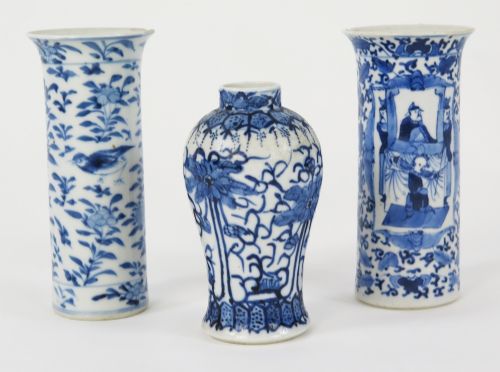
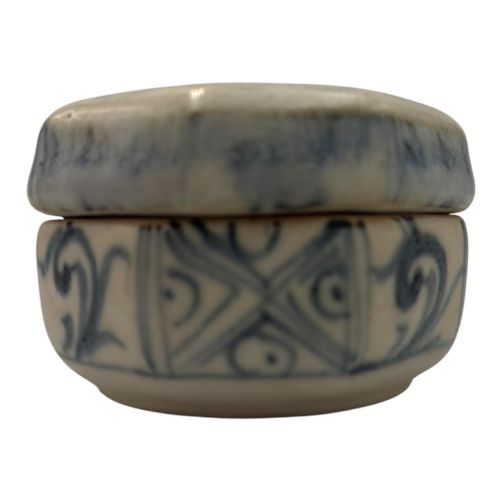
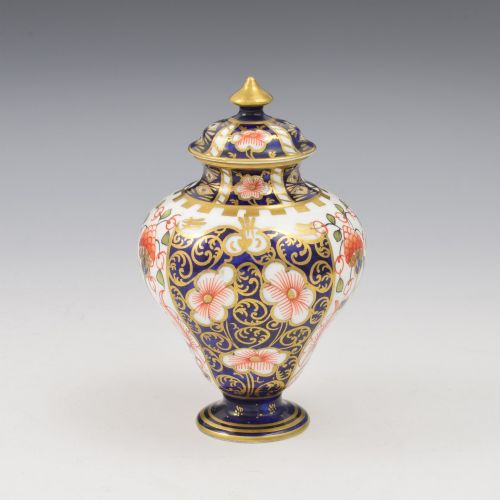
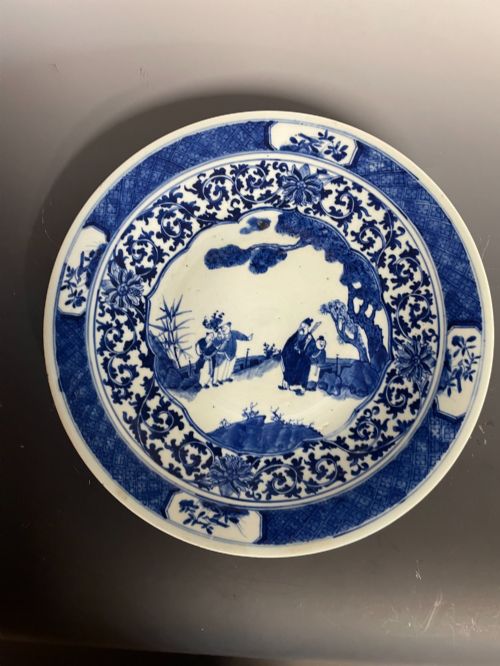
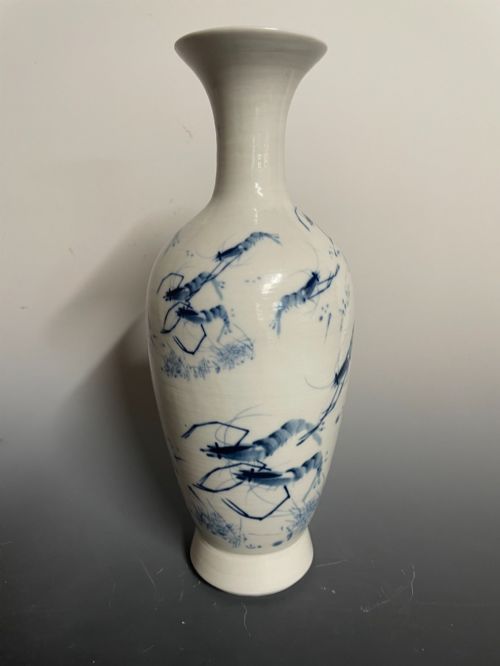
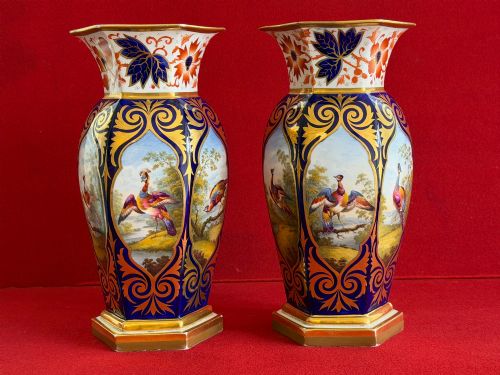
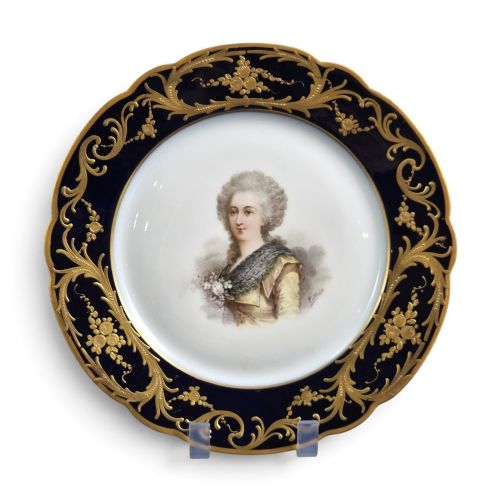
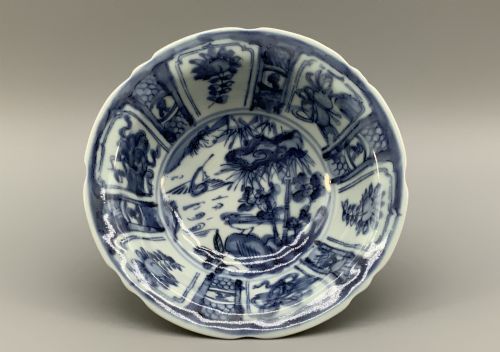
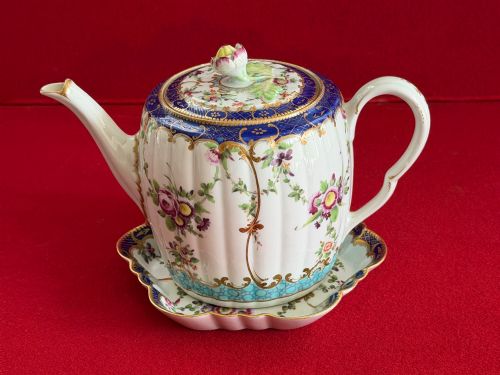
Cobalt blue porcelain covers functional and decorative vessels decorated with rich blue mineral pigments under or over the glaze. You will see cabinet plates, chargers, and vases originating from English factories, French workshops, and East Asian kilns.
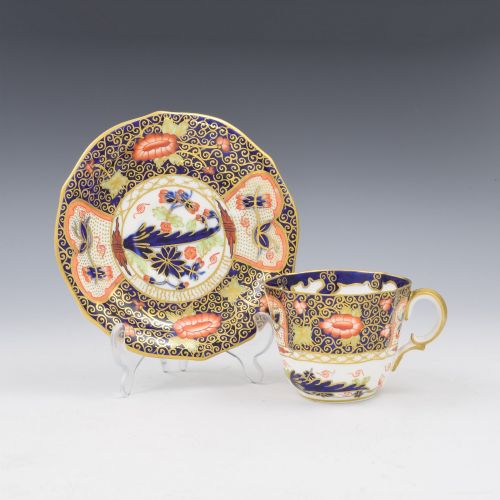
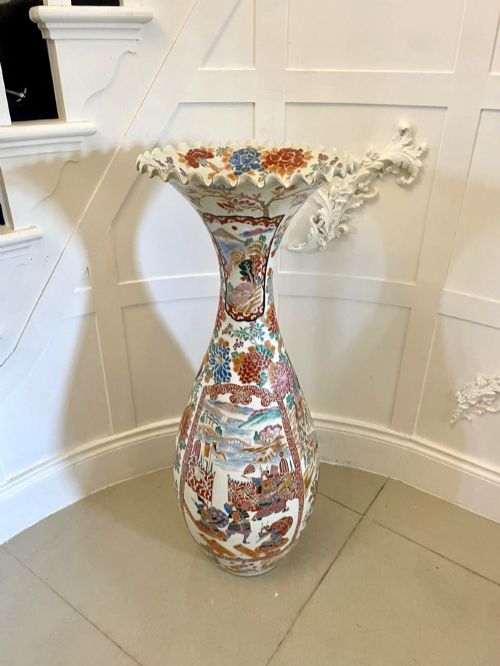
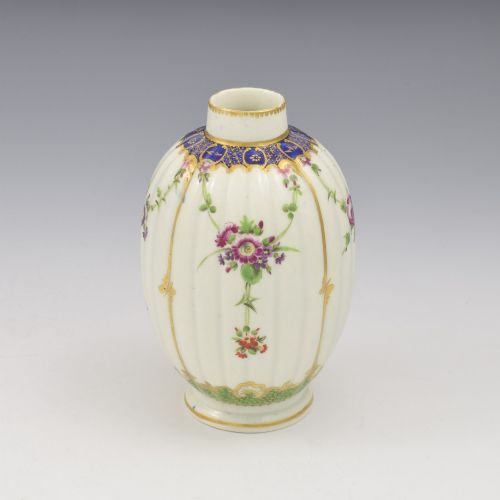
The pieces on this page span the eighteenth, nineteenth, and early twentieth centuries, encompassing Georgian tea wares, Regency cabinet trios, and Japanese Imari chargers. Domestic vessels sit alongside large floor-standing vases and mounted ormolu lamps.
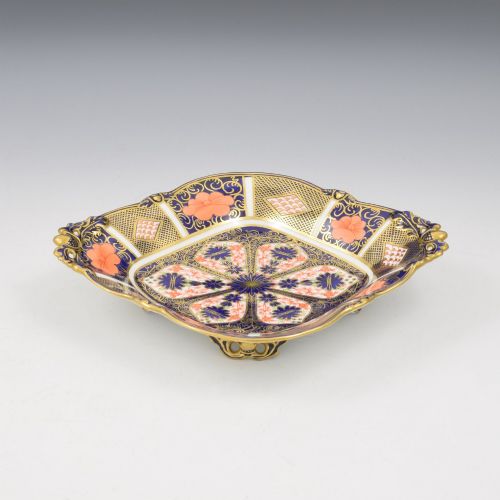
Oriental exports and European interpretations dominate the selection, showing how potters utilised deep blue tones alongside gilding and enamel colours to create striking contrast.
How they were made
Potters applied cobalt oxide directly onto the unfired body beneath a transparent glaze to achieve the characteristic deep underglaze blue, often combining it with enamel colours and gold leaf once fired.
Bone china and hard-paste porcelain formed the solid foundations for these vessels, frequently paired with gilt bronze or ormolu mounts on French decorative pieces from the nineteenth century.
Listings feature porcelain forms ranging from miniature vases and coffee cups to large floor-standing chargers created across the eighteenth and nineteenth centuries.
What varies in quality
Quality rests in the depth and stability of the cobalt pigment, where superior pieces display an even saturation without running into the surrounding glaze. Precision in the hand-painted detailing and gilding distinguishes master workshops from standard production wares.
The crispness of the porcelain body and the refinement of the potting shape separate standard cabinet items from exhibition-grade chargers and vases.
Royal Crown Derby·Flight Barr and Barr·Coalport·Spode·Newhall
The Cobalt Blue Porcelain Glossary
- Cobalt Underglaze
- A blue mineral pigment applied beneath the clear glaze before firing. This technique protects the colour from wear during daily use.
- Imari
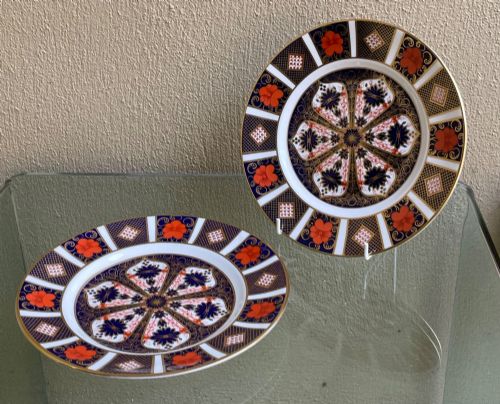
- A Japanese export style featuring cobalt blue, iron red, and gold. European factories frequently copied these vibrant arrangements.
- Ormolu
- Gilded bronze mounts attached to nineteenth-century decorative porcelain. These metal fittings elevate decorative vases and caskets.
- Cabinet Plate
- A decorative plate meant for display rather than dining. These pieces often feature hand-painted portraits or intricate botanical designs.
- Soft-paste
- An early European porcelain composition fired at lower temperatures. It produces a warm, creamy body common in eighteenth-century English wares.
Cobalt Blue Porcelain: Frequently Asked Questions
How do I date cobalt blue porcelain?
Dating relies on factory marks, paste composition, and stylistic clues like Regency shapes or Victorian gilding patterns. Comparing the blue saturation and glaze characteristics against known manufacturing periods helps narrow the origin.
Examining the foot rim and wear patterns provides further confirmation of age. Unmarked pieces require careful study of form and decorative technique to establish a reliable timeframe.
Is cobalt porcelain safe for food?
Most antique pieces serve decorative purposes in cabinets or on sideboards rather than dining. The presence of overglaze gilding and historical lead-bearing glazes makes practical use inadvisable.
Enjoying these ceramics visually preserves their delicate enamels and gold leaf from chemical wear. Displaying them on stands or chargers protects the glaze integrity.
What is Japanese Imari porcelain?
Japanese Imari porcelain is an export ware characterised by deep underglaze cobalt blue combined with iron red and gold details. Potters produced these vibrant pieces for international markets from the Edo period onward.
European factories quickly admired the aesthetic and created their own interpretations. The palette remains instantly recognisable by its rich contrast of blue and red.
How should I clean porcelain with ormolu mounts?
Dust mounted pieces gently with a soft, dry brush to prevent dirt accumulation around the metal fittings. Avoid liquid cleaners that might seep between the porcelain body and the bronze mounts.
Keep gilded surfaces away from abrasive cloths to protect the delicate gold leaf. Professional conservation advice is best sought for deeper cleaning needs.