



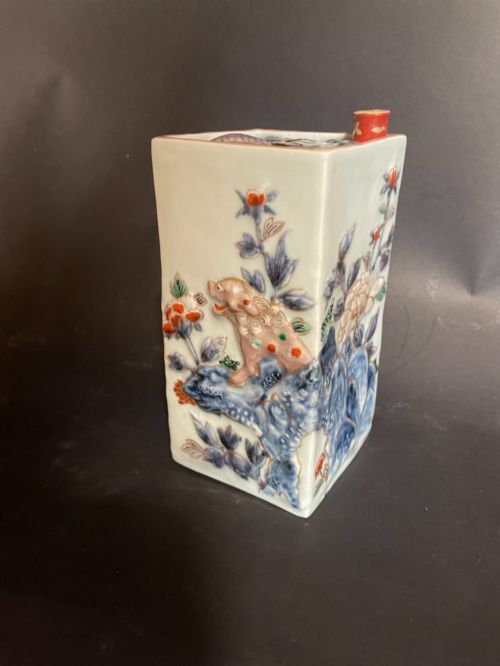
Edo Period Ceramics
These pieces of edo period ceramics bring Japanese craftsmanship into your home through finely painted plates, jars, and chargers.
Edo Period Ceramics
Edo period ceramics encompass a range of decorative wares including chargers, vases, plates, and bowls originating from Japan. Buyers search for this phrase to acquire authentic pieces that reflect historical techniques and traditional aesthetic values.
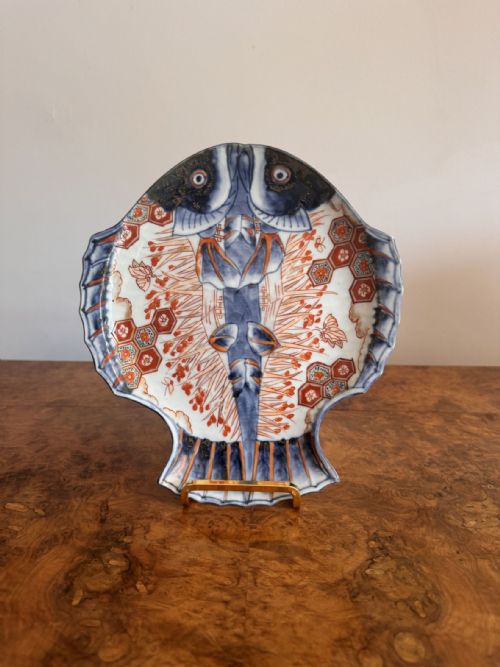
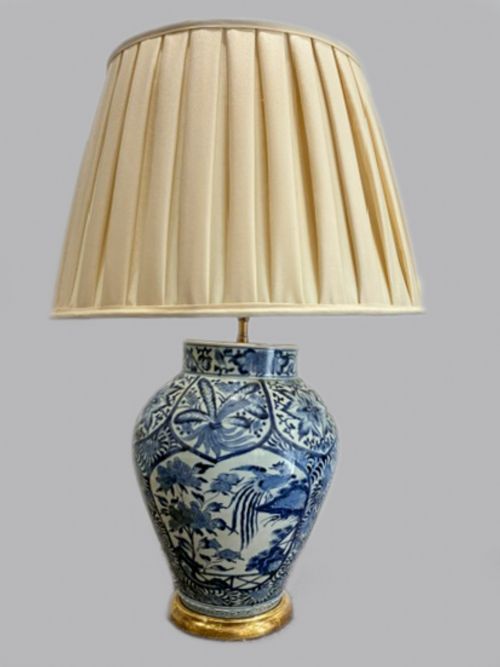
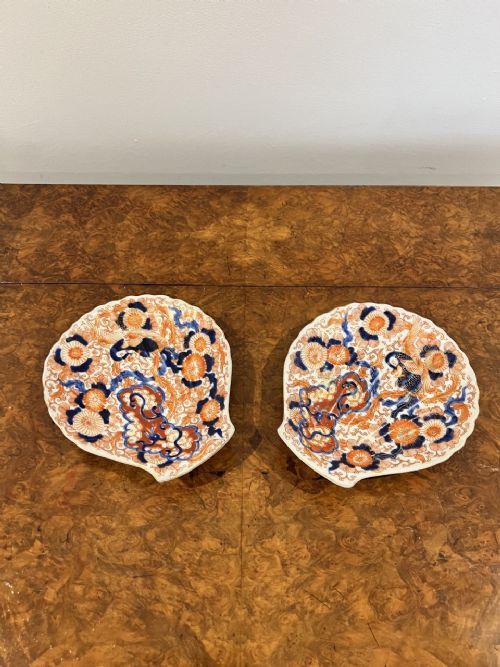
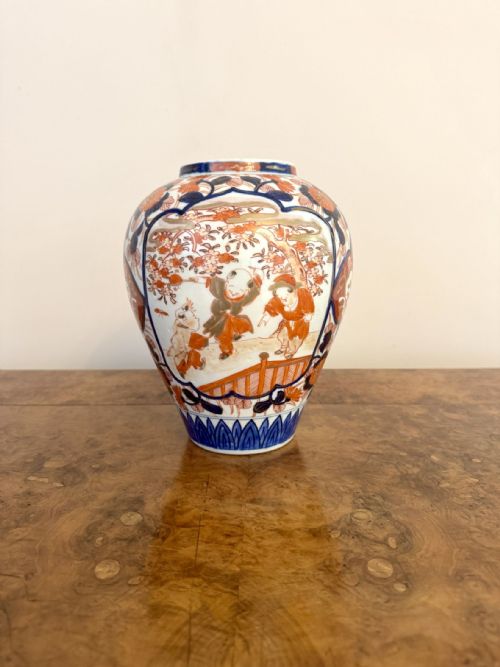
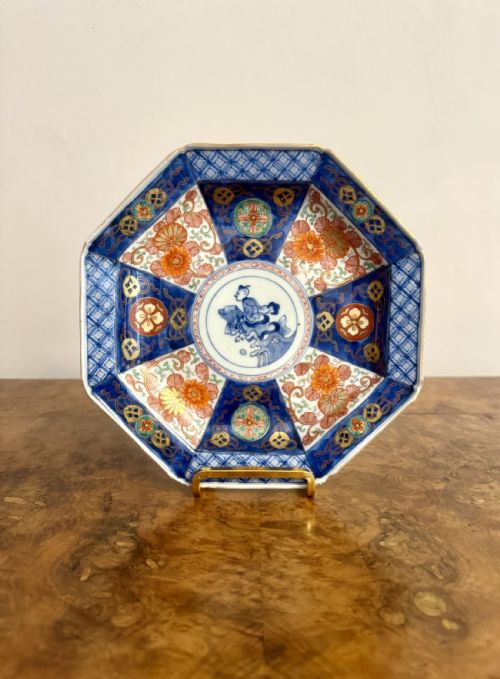
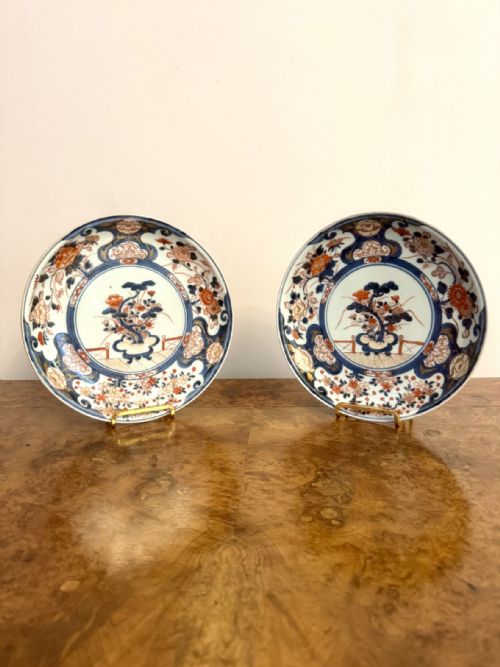
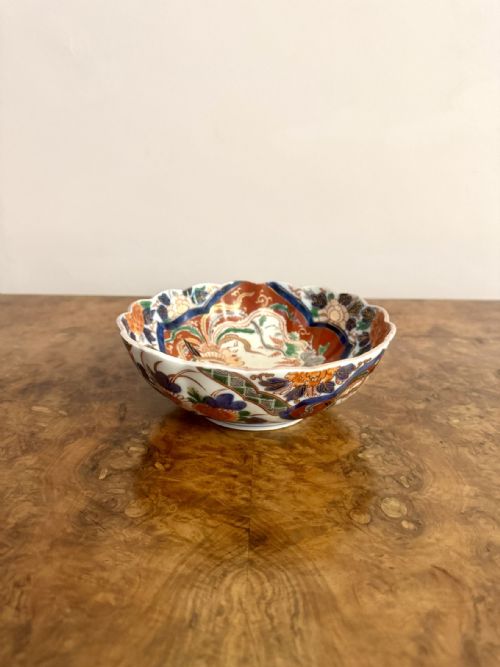
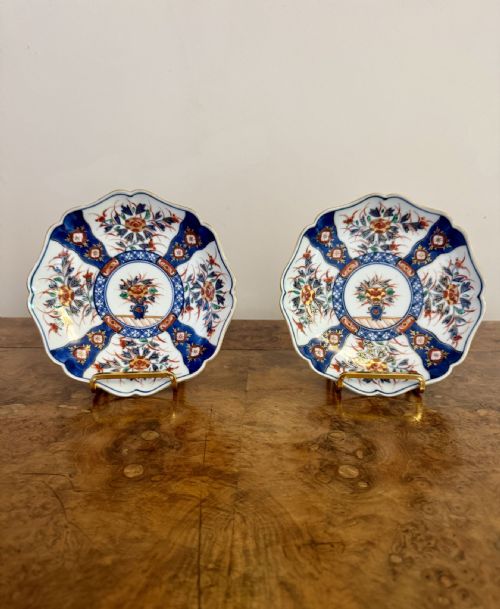
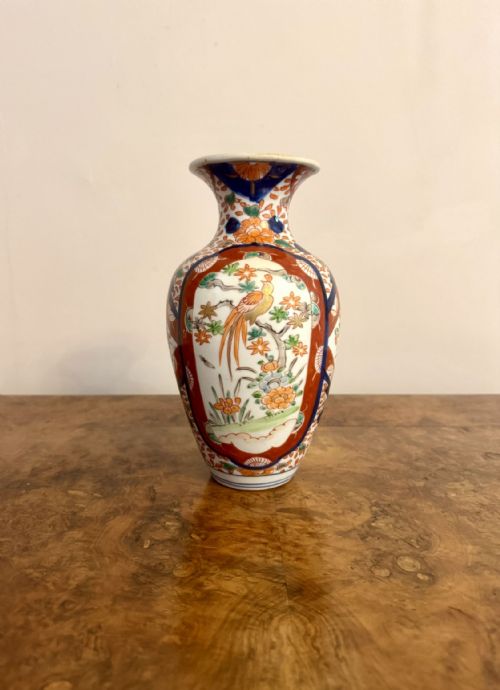
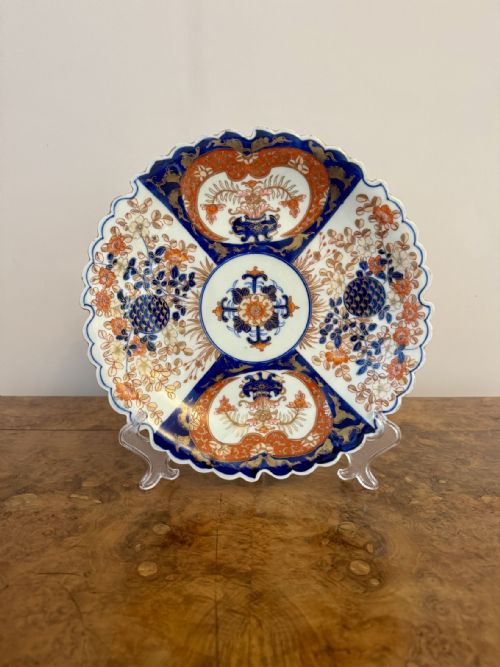
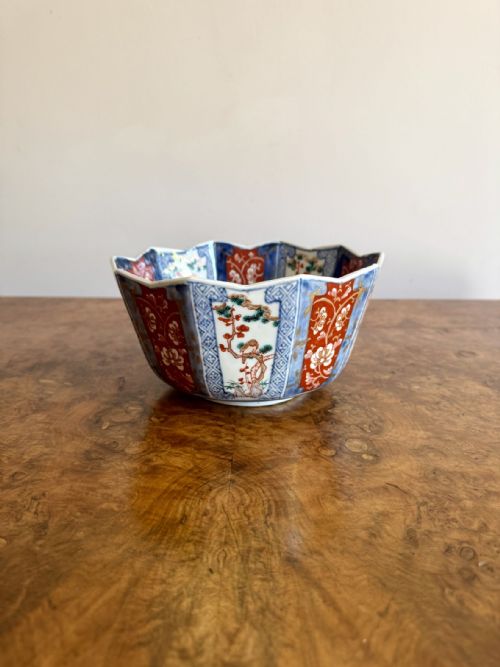
The selections available here frequently include Japanese Imari and Arita styles, spanning from the seventeenth century through to the nineteenth century. Common domestic and decorative forms range from scalloped edge plates to large lidded vases and shell shaped dishes.
Materials and Construction
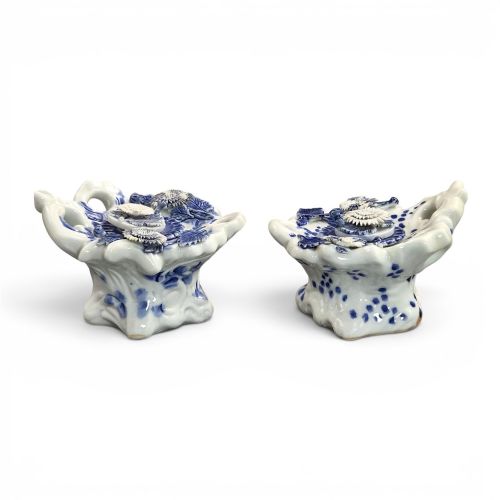
Potters utilised fine porcelain as the primary base material, shaping vessels into various forms such as hexagonal plates and jars with covers. Cobalt underglaze and cobalt glaze provide the foundational blue tones seen across many items.
Makers added vibrant colour palettes by incorporating enamel, gold leaf, gilt, and additional gilding over the fired porcelain. Hand painted decoration remains a dominant method for applying intricate floral and avian motifs.
Listings feature porcelain vessels decorated with cobalt underglaze, enamel, and gold leaf, spanning the seventeenth to nineteenth centuries.
Assessing Quality and Execution
Quality reveals itself in the precision of the hand painted details and the clarity of the cobalt underglaze against the porcelain body. Superior items display meticulous brushwork on complex forms like shell shaped dishes and large chargers.
The application of enamel and gold leaf distinguishes standard vessels from exceptional examples. Balance in the overall shape and the crispness of moulded edges, such as scalloped or hexagonal rims, mark the higher tier of production.
The Edo Period Ceramics Glossary
- Imari
- A style of Japanese porcelain decorated in underglaze blue, burnt orange, and gold. This aesthetic originated in the town of Arita and became widely exported.
- Arita
- The Japanese town recognised as the birthplace of Japanese porcelain production. Kilns in this region produced substantial quantities of wares for domestic and international markets.
- Koro
- A traditional Japanese incense burner. These vessels often feature pierced covers and decorative bodies supported on small feet.
- Tokuri
- A traditional Japanese flask typically used for serving sake. These containers display compact necks and rounded bodies.
- Jardiniere
- A large decorative pot or container used for holding plants or flowers. These items often form substantial centrepieces in a room.
Edo Period Ceramics: Frequently Asked Questions
What defines edo period ceramics?
These pieces comprise Japanese porcelain wares produced during the Edo era, spanning from plates and bowls to large chargers and vases.
They are characterised by traditional glazing methods, cobalt underglaze, and detailed hand painted enamel or gilt decoration.
How were these ceramics used originally?
Many items served practical domestic functions such as serving food or holding sake, while others acted purely as ornamental displays within Japanese interiors.
Larger chargers and lidded vases were designed to command attention in reception rooms and formal spaces.
How do I care for antique porcelain?
Keep these delicate items away from direct sunlight and areas prone to sudden temperature fluctuations to protect the enamel and gold leaf.
Clean them gently with a dry or slightly damp soft cloth, avoiding harsh chemical detergents entirely.
How can I tell different styles apart?
Styles are distinguished by their decorative palettes and forms, with Imari wares typically showing a combination of blue, iron red, and gold.
Other traditions focus on subtle cobalt underglaze designs or specific regional porcelain bodies like Arita and Hirado.