

Antique Satsuma Porcelain
These antique satsuma porcelain pieces bring intricate hand-painted enamel and heavy gilding into the home, offering collectors a rich tradition of Japanese craftsmanship.
Antique Satsuma Porcelain
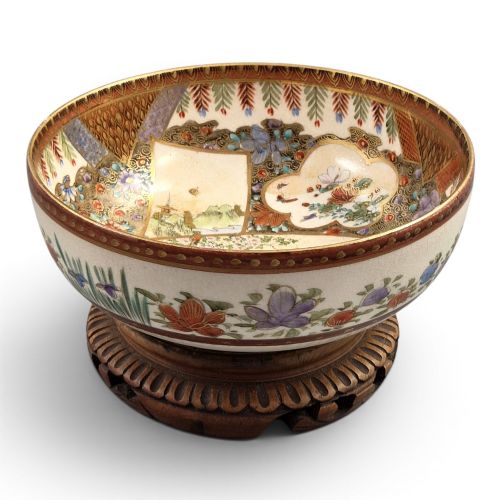
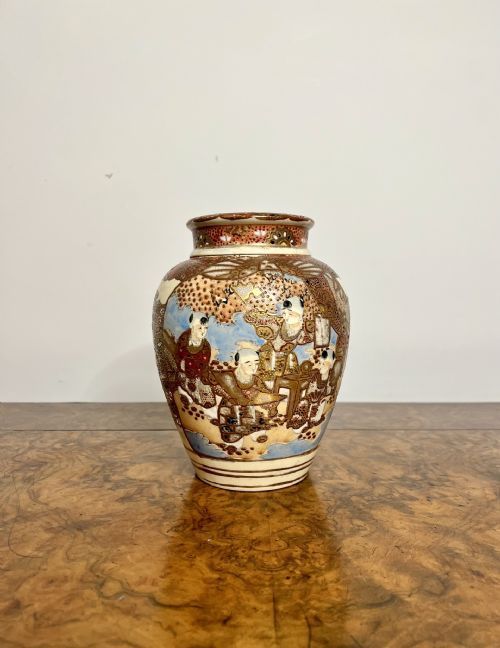
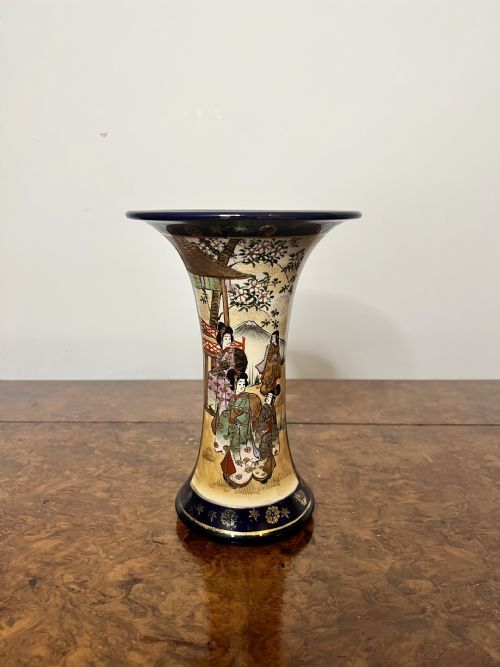
When you search for antique satsuma porcelain, you encounter a distinct ceramic tradition that ranges from nineteenth-century Meiji period vases and bowls to later twentieth-century decorative pieces.
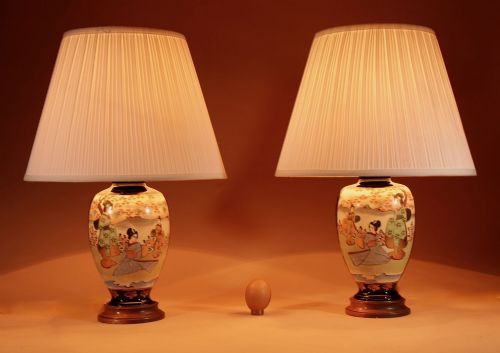
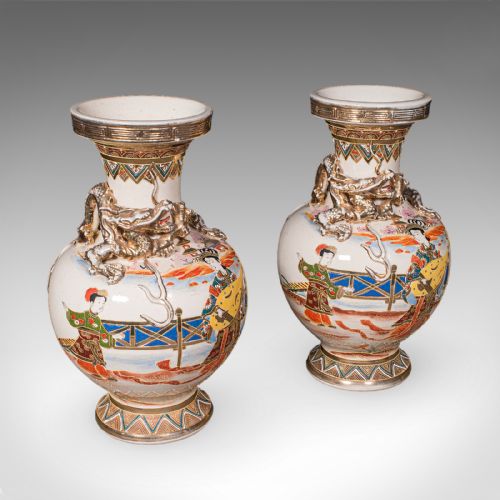
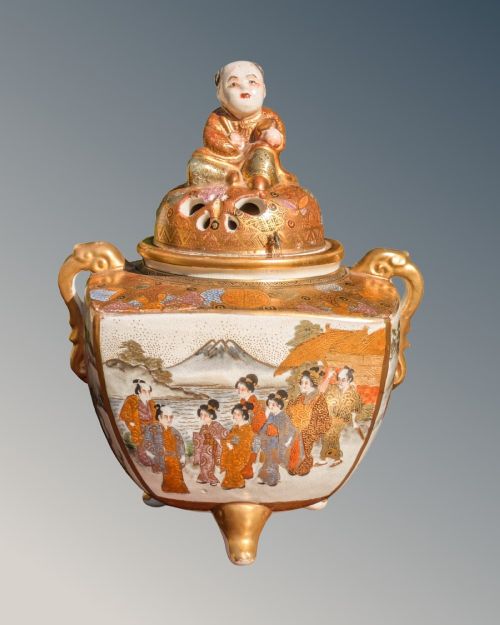
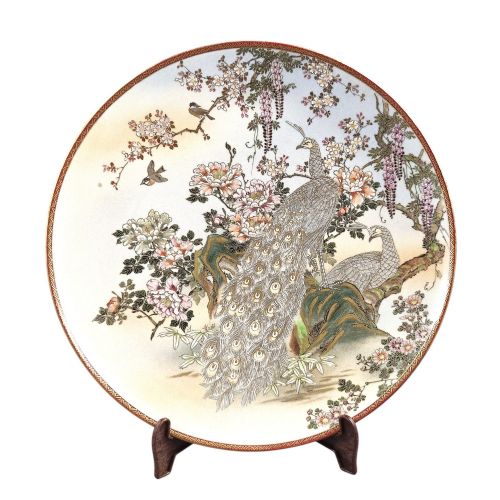
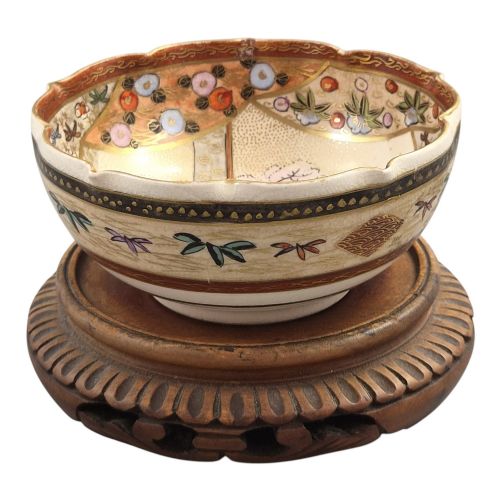
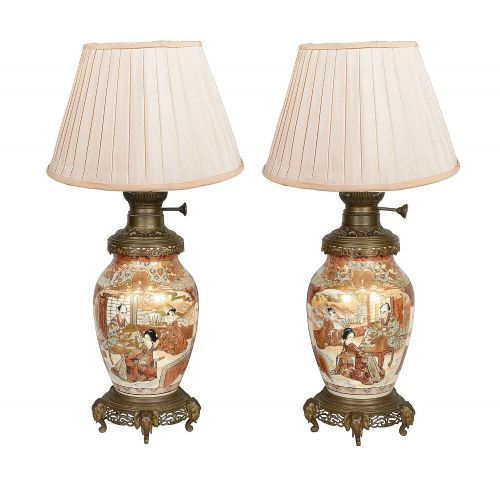
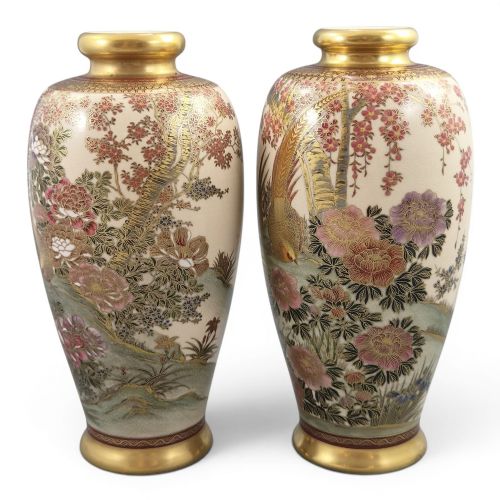
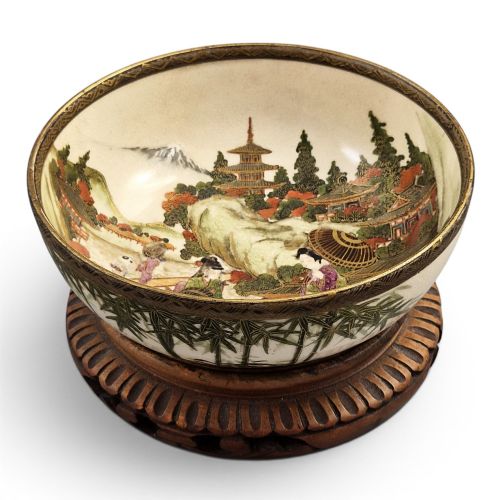
The most common forms on this page include baluster vases, decorative bowls, ginger jars, and incense burners known as koro, alongside larger chargers and occasional table lamps.
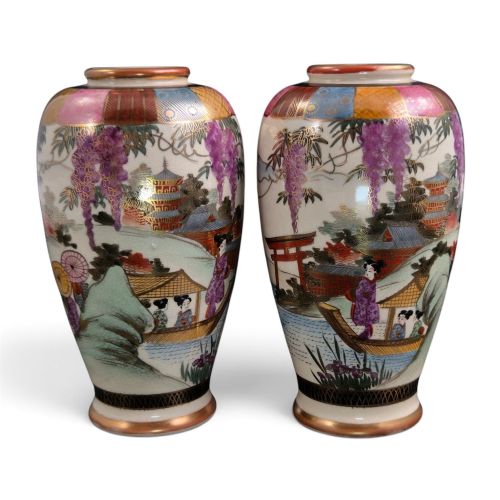
Many of these ceramics originate from Kyoto and Kobe, reflecting the aesthetic developments of the Meiji, Taisho, and Showa periods through detailed figural scenes and natural motifs.
How they were made
Makers shaped these items primarily from earthenware, applying a characteristic ivory-coloured crackle glaze that formed the pale canvas for subsequent decoration.
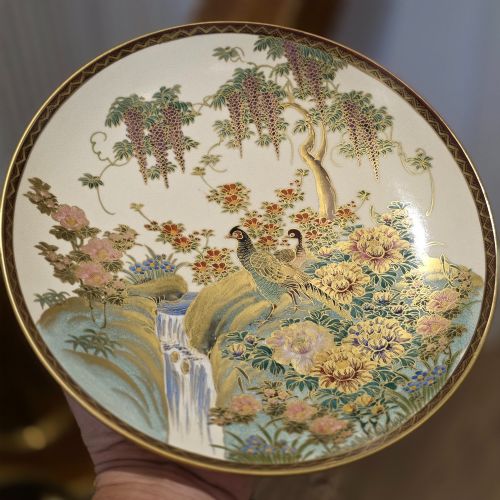
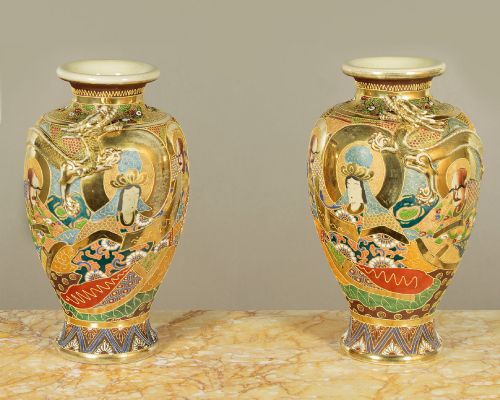
Artisans built up the surface patterns using polychrome enamel and extensive gold leaf or gilding, frequently incorporating raised moriage relief work to give depth to robes, flowers, and dragons.
What varies in quality
The distinction between standard commercial output and the finest studio work lies in the precision of the brushwork and the complexity of the figural or landscape compositions.
Master signatures, such as those from notable Kyoto workshops, indicate a higher grade of artistry, where the density of the gilding and the control of the fine crackle glaze display superior execution.
Koshida·Manpei·Gyokkō·Kozan·Kinkōzan·Hotoda·Shizan·Makuzu Kozan II·Ryuzan·Chosei·Nanzan·Kizan
The Antique Satsuma Porcelain Glossary
- Moriage
- A Japanese pottery technique where slip is piped onto the ceramic surface to create raised decorative reliefs before glazing and gilding. This method adds significant tactile texture to figures and floral borders.
- Koro
- A traditional Japanese incense burner typically supported on legs and fitted with a pierced cover. These vessels often feature guardian lions or shishi on the lid.
- Okimono
- A standalone Japanese display figurine carved or modelled for interior decoration. They frequently depict deities, historical figures, or animals rendered with fine detail.
- Garniture
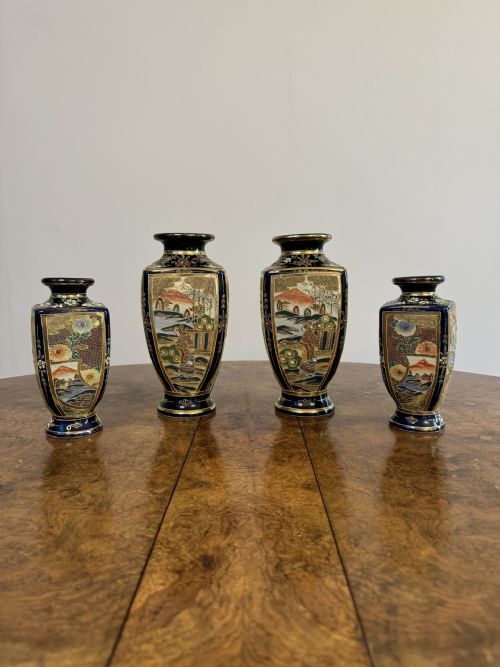
- A set of matched vases designed to be displayed together on a mantelpiece or sideboard. These sets usually comprise three or more graduated or matching vessels.
- Baluster
- A vase shape characterised by a rounded body that tapers toward the base and swells gracefully upward. This traditional profile provides a wide canvas for narrative scenes.
Antique Satsuma Porcelain: Frequently Asked Questions
How do I display satsuma porcelain?
These decorative items suit bright rooms where their detailed enamel and gold leaf catch the light. Placing them away from direct heat sources helps preserve the delicate glaze.
Pairing vases on mantelpieces or using decorative bowls as centrepieces allows the traditional hand-painted scenes to be appreciated from multiple angles.
What subjects appear on these ceramics?
Common decorative themes include court figures, arhats, dragons, and guardian lions, alongside natural elements like wisteria, peonies, and peacocks. Many pieces tell stories from Japanese mythology and history.
Miniature and large-scale vessels alike often feature densely populated figural processions rendered in vibrant polychrome and gold.
How can I tell the period of a piece?
Nineteenth-century Meiji period examples generally display denser hand-painted detail and finer crackle glazes, often bearing workshop signatures from Kyoto or Kobe. Later Taisho and Showa period items show shifts in scale and decorative density.
Examining the base marks and the style of the moriage relief work helps determine whether a piece dates from the late nineteenth or early twentieth century.