




Oriental Lidded Urn
An oriental lidded urn brings the presence of nineteenth-century porcelain and bronze into a room.
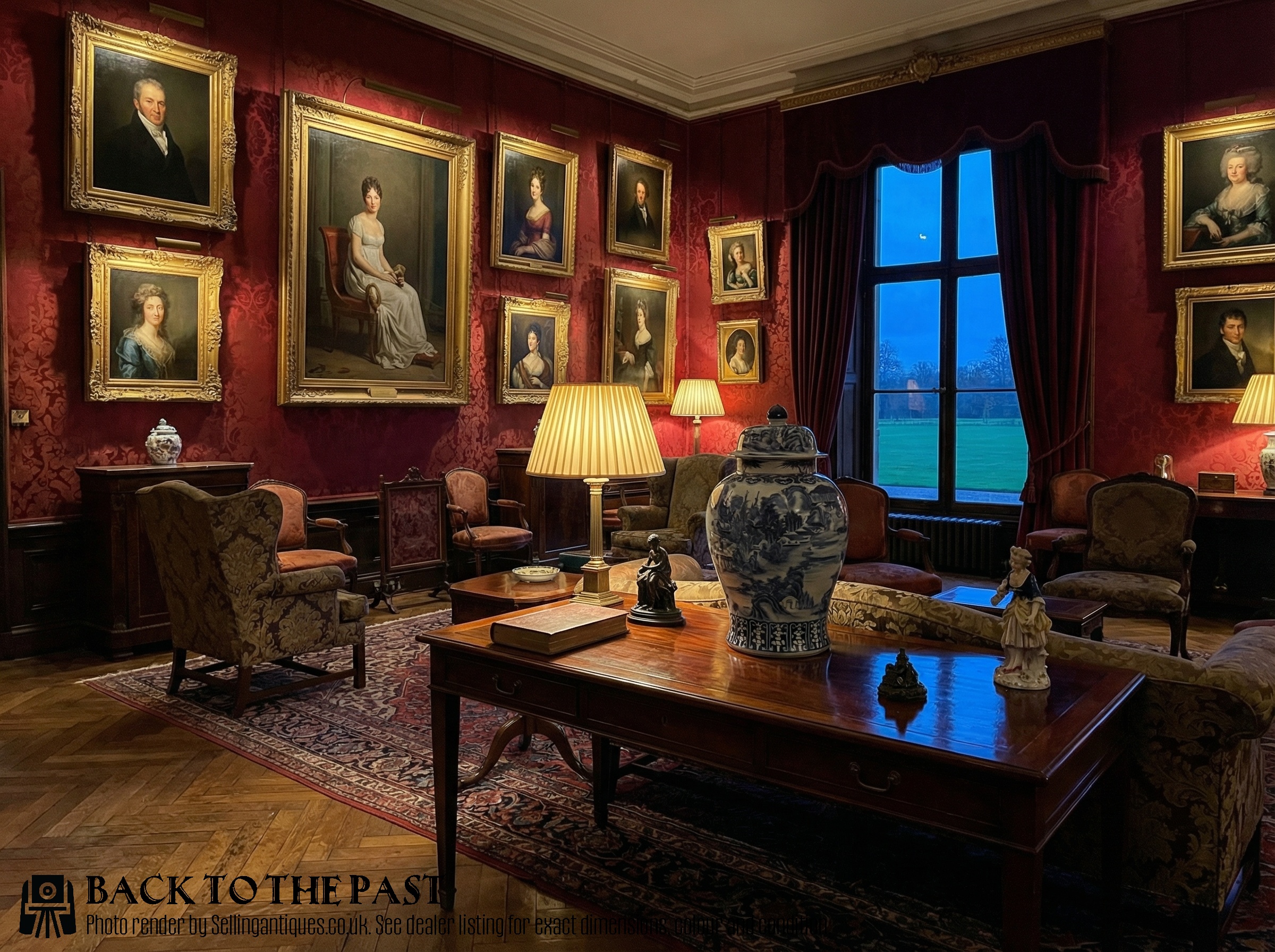
Oriental Lidded Urn
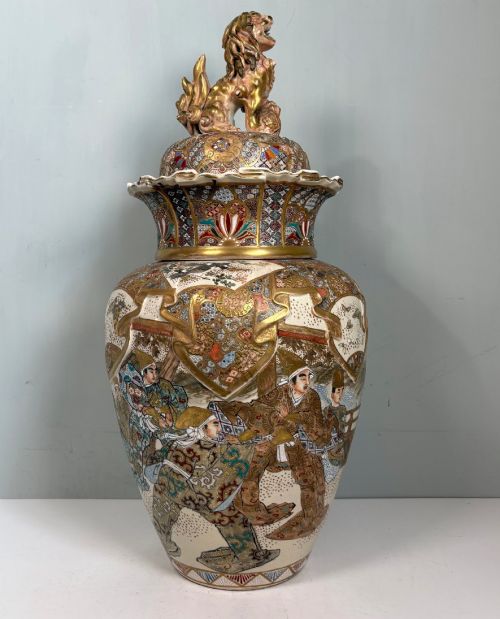
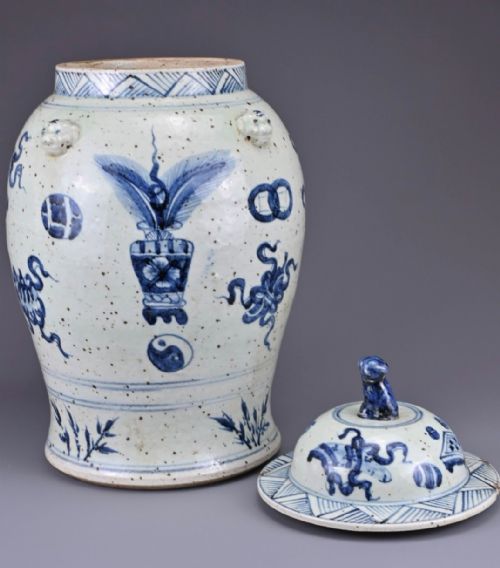
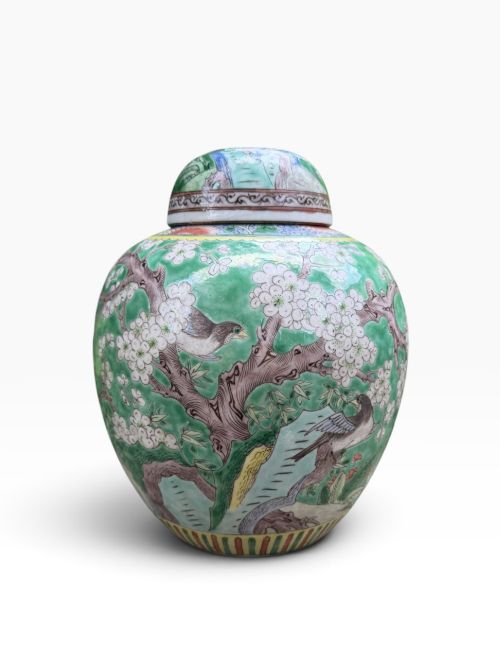
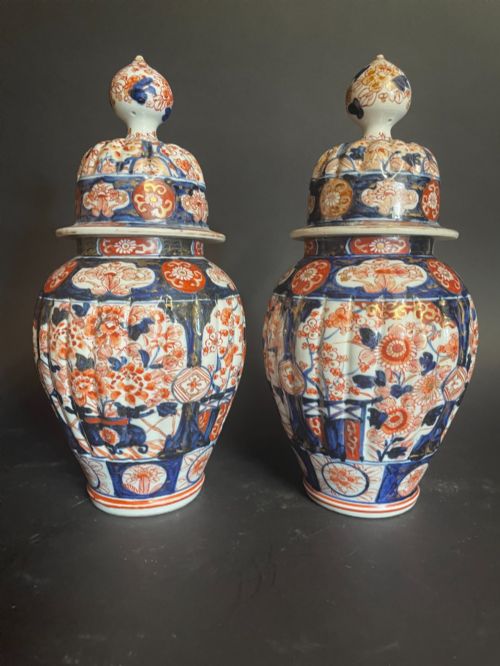
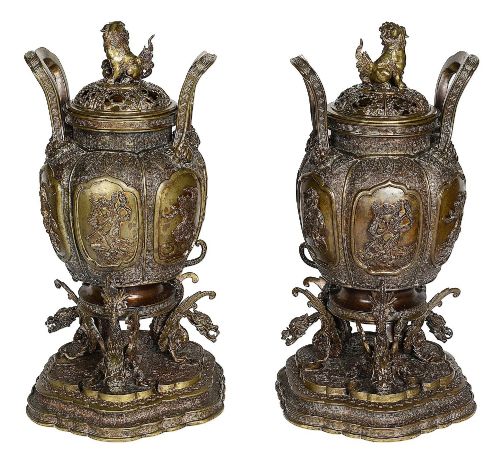
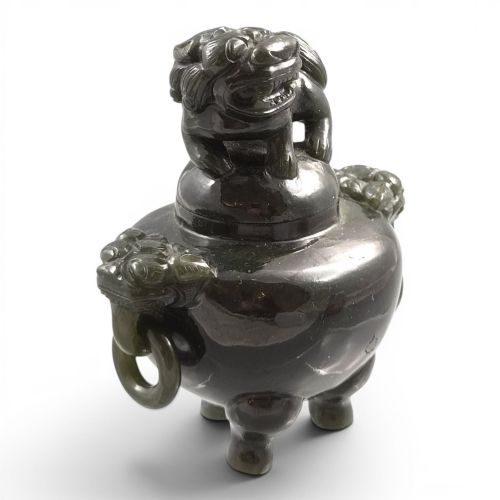
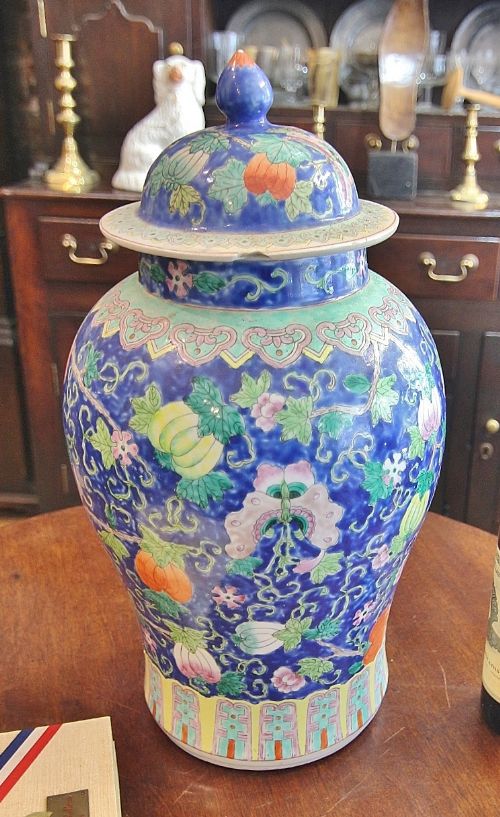
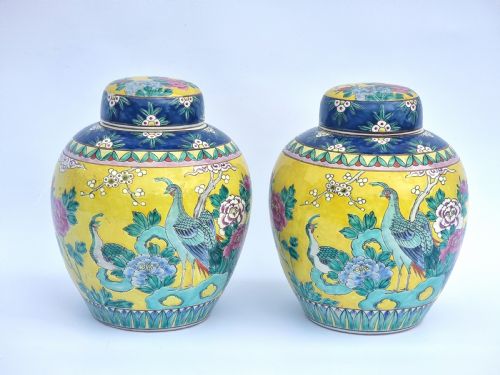
When someone searches for an oriental lidded urn, they encounter covered vessels originating from Japanese and Chinese traditions. These pieces include ginger jars, baluster vases, and tripod censers designed with fitted covers.
The versions met most frequently on this page date from the nineteenth century, spanning periods such as the Meiji era and the Qing Dynasty. Makers utilised porcelain, earthenware, and bronze to construct these covered forms.
Decorative styles encompass Japanese Imari, Satsuma, Kutani, and blue and white porcelain. Collectors select these objects for display as decorative centrepieces or functional lidded containers within an interior.
How they were made
Potters shaped porcelain and earthenware on the wheel or in moulds before applying underglaze and enamel pigments by hand. Kiln firing fixed the glaze and colours onto the body of the vessel.
Metal versions employed bronze and copper foundations finished with cloisonne enamel wirework or gilt detailing. Artisans integrated gold leaf and brass mounts to accentuate the rims and covers of select jars.
Materials recorded on this page include earthenware, gold leaf, copper, and cloisonne enamel.
What varies in quality
The precision of the hand-painted detailing dictates the tier of the piece, with finer lines and controlled palettes separating standard vessels from superior examples. Enamel saturation and the crispness of cobalt blue underglaze reveal the skill of the original workshop.
The weight and integrity of the porcelain body, alongside the proper matching of the lid to the base, mark the construction standard. Pieces demonstrating balanced proportions and intact gilding represent the higher end of the range.
Samson
The Oriental Lidded Urn Glossary
- Imari
- A style of Japanese porcelain featuring a palette of iron red, cobalt blue, and gold on a white ground. This decorative method originated in Arita and gained popularity across European export markets.
- Satsuma
- Earthenware pottery characterised by a fine crackle glaze decorated with polychrome enamels and gilt. These wares frequently depict figurative scenes and traditional Japanese motifs.
- Cloisonne
- A metalworking technique where thin metal wires are soldered to a bronze or copper base to form compartments filled with enamel paste. The object is then fired and polished to a smooth finish.
- Ginger jar
- A high-shouldered ceramic vessel originally utilised for the storage and transport of spices. Over time, these jars acquired matching covers and transitioned into decorative interior objects.
- Censer
- A ritual vessel designed for burning incense, frequently supported on tripod legs and fitted with a pierced cover. These containers appear in jade and bronze forms within East Asian decorative arts.
Oriental Lidded Urn: Frequently Asked Questions
How were these urns used?
These vessels originally served practical functions such as storing spices or burning incense in domestic and ceremonial settings. Covered jars kept contents secure while adding decorative form to interior spaces.
Over successive periods, export pieces became prized display items for European and domestic interiors. Today, collectors place them on mantelpieces, tables, and cabinets as standalone decorative accents.
How do I live with an oriental lidded urn?
Living with these pieces involves placing them on stable surfaces where their hand-painted details and glazes receive adequate light. Pairing a lidded jar with complementary ceramics enhances the visual balance of a room.
Maintenance requires gentle dusting with a soft cloth to protect fragile enamel and gilt surfaces. Avoiding direct sunlight preserves the vibrancy of the pigments over time.
How do I tell periods apart?
Distinguishing between periods relies on examining the specific stylistic traits and material signatures recorded across the vessel. Nineteenth-century pieces often exhibit distinct Imari palettes or Meiji period bronze techniques.
Early styles reflect Qing Dynasty designs or specific regional outputs from Arita and Kutani potteries. Comparing the glaze texture and painting execution against documented examples clarifies the era of production.