




Chinoiserie Porcelain Urn
When you search for a chinoiserie porcelain urn, you are looking at ceramic vessels that bring distinct eastern motifs into western interiors.
Chinoiserie Porcelain Urn
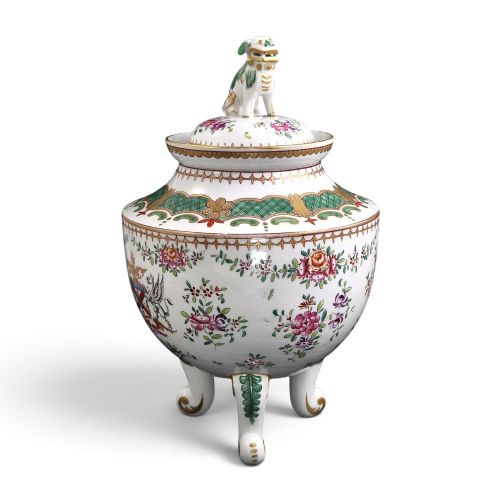
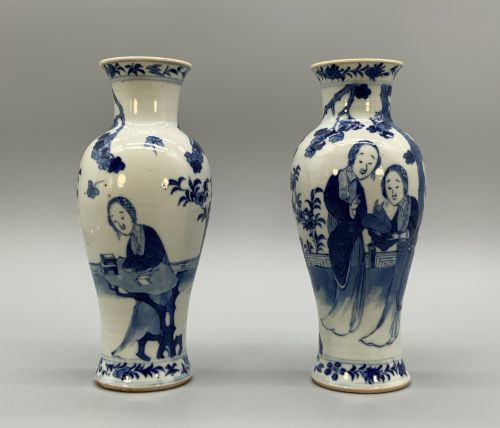
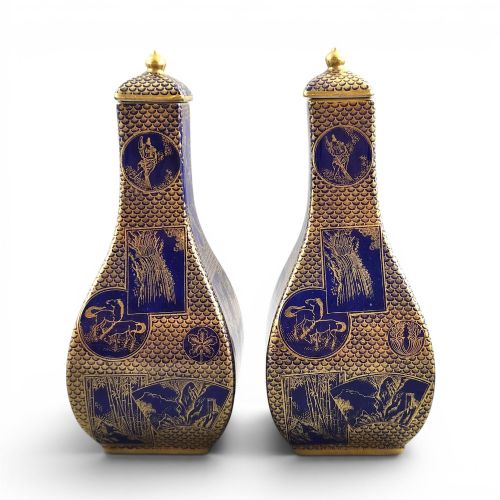
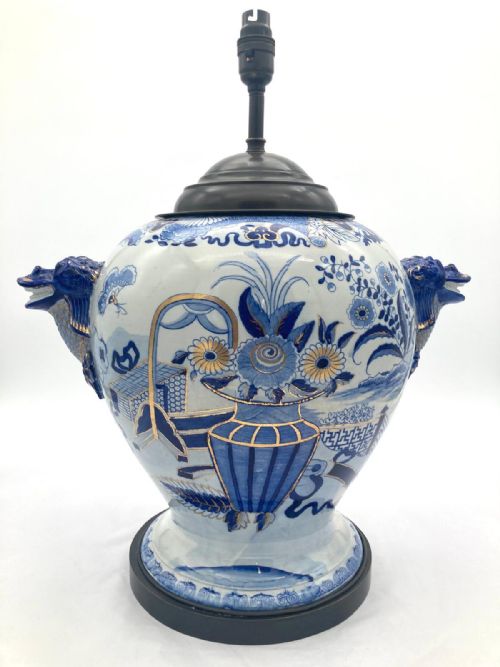
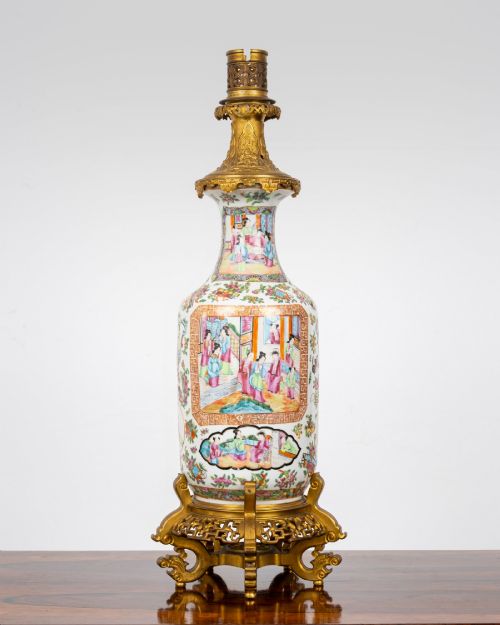
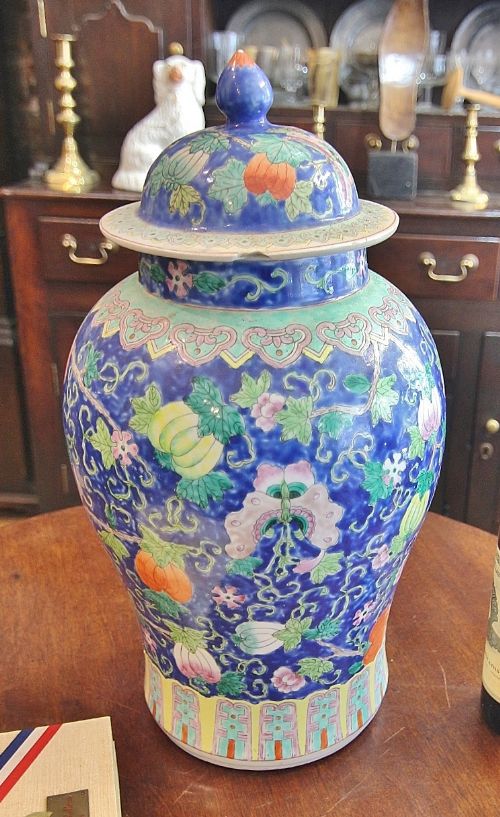
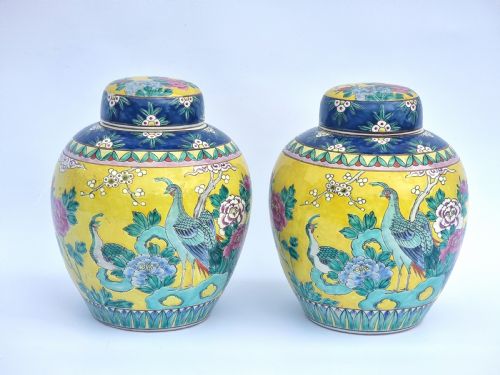
A chinoiserie porcelain urn combines ceramic bodies with decorative motifs inspired by Chinese art, produced across various European and Asian kilns. When searching for a chinoiserie porcelain urn, buyers encounter forms ranging from lidded jars and baluster vessels to converted lamp bases.
The selections span multiple centuries, touching on Georgian, Regency, Victorian, and later twentieth-century periods. English factories like Mason's and Worcester sat alongside continental makers such as Samson of Paris, creating interpretations that echo Kangxi and Qianlong designs.

Materials and Techniques
The physical build relies on hard-paste and soft-paste porcelain, alongside sturdy ironstone bodies decorated with cobalt blue, enamel colours, and gold leaf. Hand painting provides the figural scenes, birds, and floral elements that define the surface decoration.
Many surviving examples incorporate secondary materials, featuring gilt bronze, brass, or ormolu mounts that elevate simple ceramic forms into garniture sets or functional table lamps.
Listings include ironstone, porcelain, and ceramic bodies enhanced with enamel, gold leaf, and ormolu mounts across Georgian, Regency, and Victorian periods.
Evaluating Quality
Quality rests upon the crispness of the hand-painted brushwork and the depth of the glaze, whether in deep mazarine blue, powder blue, or multi-coloured famille rose palettes. Finer pieces display deliberate control in intricate floral and figural detailing rather than rushed execution.
The integration of metal mounts also dictates standard, where cast ormolu or gilt bronze fittings demonstrate precise craftsmanship that matches the quality of the ceramic body beneath.
Mason's·Samson Paris·FBB Worcester·Royal Doulton·Carlton Ware·Hicks and Meigh
The Chinoiserie Porcelain Urn Glossary
- Chinoiserie
- European artistic style reflecting Chinese artistic influences. It manifests through painted landscapes, figures, and architectural motifs.
- Baluster
- A vase shape with a rounded lower body and a narrower neck. This profile supports many traditional lidded vessels.
- Ironstone
- A type of heavy durable ceramic developed in the nineteenth century. Factories used it to create robust vases and garniture sets.
- Garniture
- A set of matching vases or urns designed for mantelpiece display. These pieces usually include central lidded jars flanked by matching smaller vessels.
- Ormolu
- Gilded bronze mounts applied to furniture and ceramics. It frames the base and rim of various nineteenth-century lamp conversions.
Chinoiserie Porcelain Urn: Frequently Asked Questions
What is a chinoiserie porcelain urn?
A chinoiserie porcelain urn is a decorative ceramic vessel adorned with European interpretations of East Asian artistic motifs, such as figures, pagodas, and botanical scenes.
These objects include lidded ginger jars, baluster vases, and pieces later adapted into wired table lamps for modern interiors.
How were these urns used historically?
Historically, these vessels served as decorative garnitures on mantelpieces, sideboards, and large tables within grand country houses and urban drawing rooms.
Many functioned purely for display, while others held dried flowers or potpourri to scent the domestic interior.
Can I use an antique urn as a lamp?
Many surviving urns and jars have been successfully converted into table lamps over the decades, often mounted on brass or gilt bases with custom shades.
This adaptation allows fragile historic ceramics to serve practical lighting needs while retaining their original hand-painted surface decoration.
How do I distinguish English copies from Asian originals?
Distinguishing between pieces involves examining the paste, glaze characteristics, and specific factory marks stamped or painted on the base. English ironstone and European porcelain makers like Samson produced distinct weight and glaze profiles compared to traditional Qing dynasty wares.