

Antique Earthenware Jar
When you search for an antique earthenware jar, you enter a diverse field spanning centuries of ceramic utility and display.

Antique Earthenware Jar
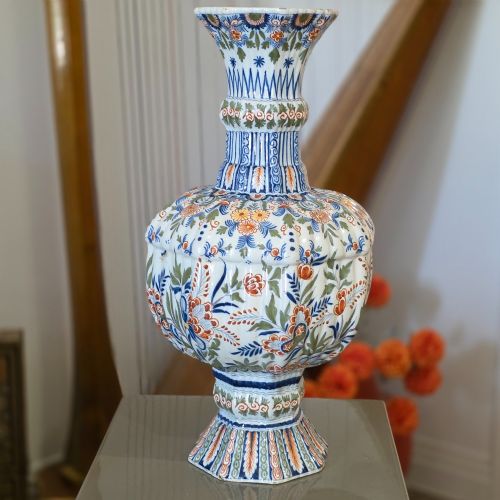
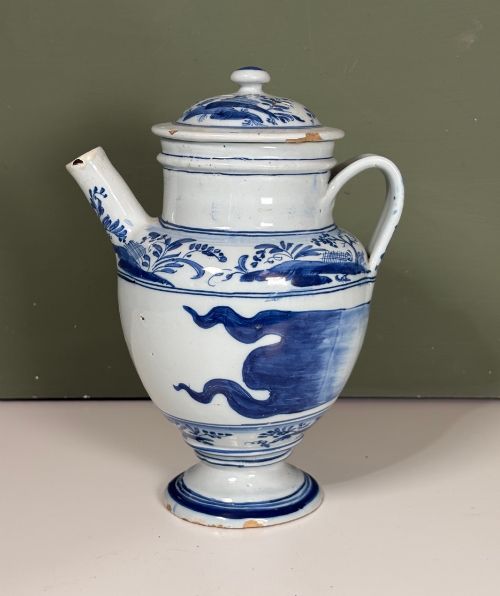
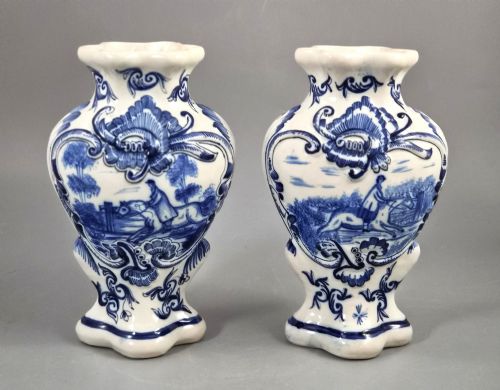
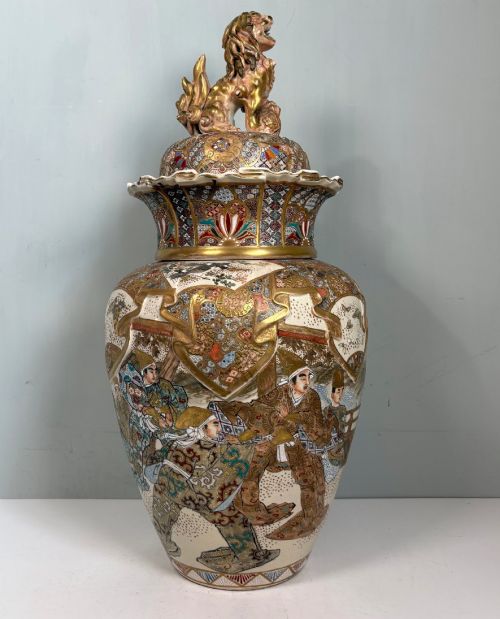
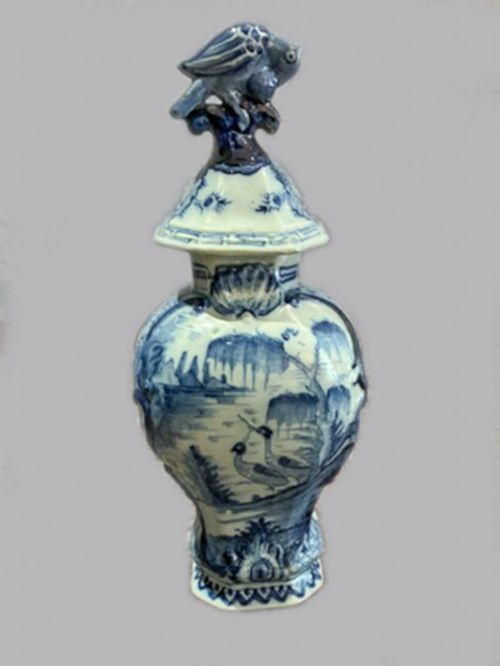
An antique earthenware jar encompasses a wide family of utilitarian vessels, storage containers, apothecary drug jars, and decorative urns shaped from porous clay. Buyers searching this phrase most frequently encounter 18th-century and 19th-century examples, including blue and white delftware, French confit pots, and Italian maiolica. These domestic and apothecary containers served practical functions before finding permanent places in interior display.
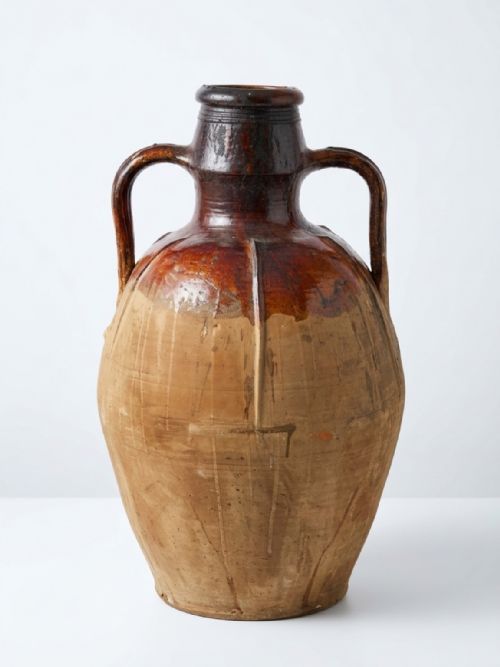
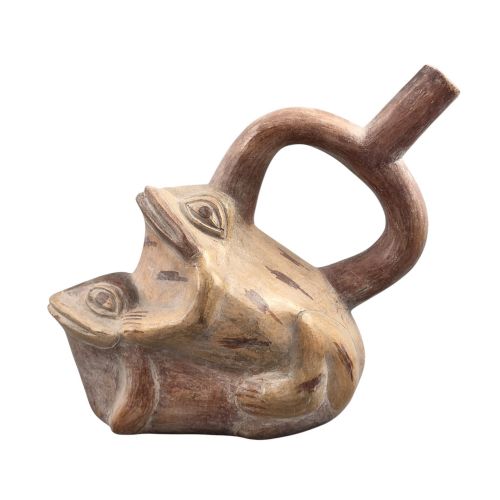
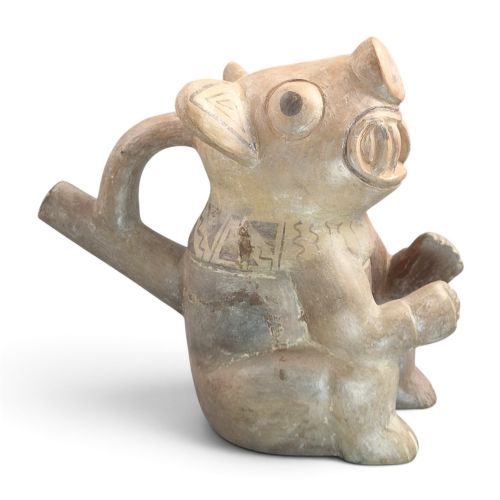
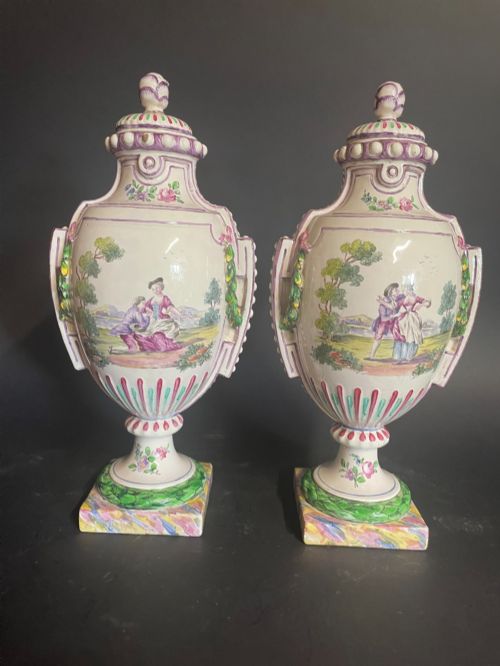
The material spectrum on this page stretches from ancient terracotta and Neolithic vessels to tin-glazed earthenware, faience, and majolica. Forms range from heavy olive jugs and confit pots to lidded apothecary jars bearing drug labels and intricate hand-painted motifs. Each piece reflects the specific regional traditions of English, French, Italian, Dutch, and Asian potteries.
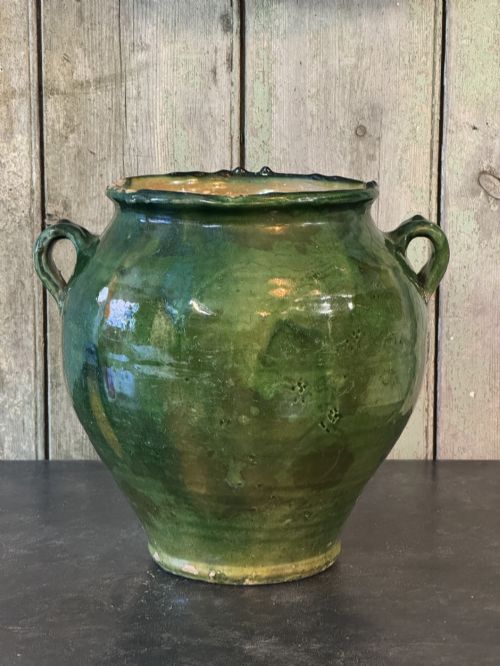
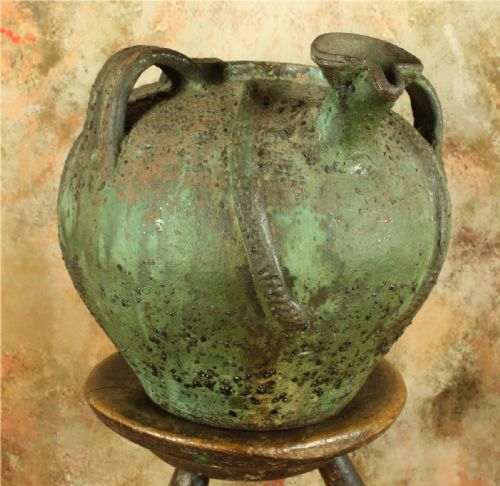
Vessels on this page also include tobacco jars, butter dishes, and tall baluster vases that bridge the gap between kitchen storage and parlor ornament. Whether you examine a simple green-glazed French confit pot or an elaborate 18th-century drug jar, the fundamental character remains rooted in fired clay.
How they were made
Makers shaped these earthenware jars from local clays, utilising the potter's wheel or hand-building techniques before applying foundational glazes. Tin glaze, enamel, and transparent lead glazes provided both a decorative surface and a functional seal for porous earthenware bodies.
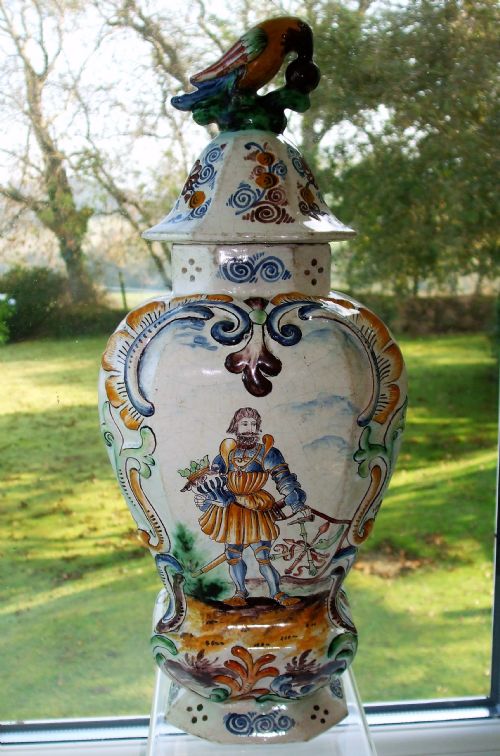
Painters then applied cobalt blue or polychrome pigments directly onto the unfired or raw glaze, as seen in traditional delftware and majolica production. Firing the clay in kilns fused the glaze to the vessel, locking in hand-painted motifs and rich surface textures like drip-glazes and gold leaf accents.
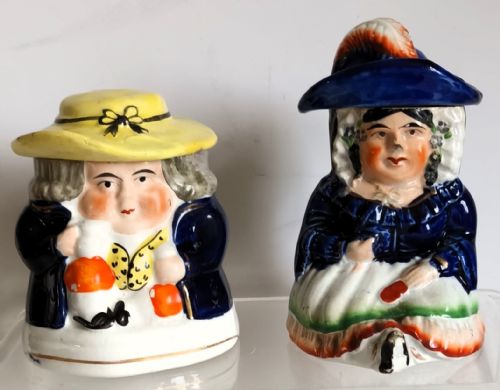
Some antique tobacco jars take the cheerful form of Staffordshire Pierrots and Welsh ladies.
What varies in quality
Quality in these earthenware vessels depends significantly on the crispness of the hand-painted decoration and the deliberate control of the kiln firing. Finer apothecary and delft jars display precise brushwork, legible drug inscriptions, and well-balanced forms that distinguish them from coarser kitchen utilities.
The survival of original matching covers, lids, and intact glaze surfaces elevates an individual jar above pieces that have suffered heavy wear or lost their upper components over centuries of domestic service.
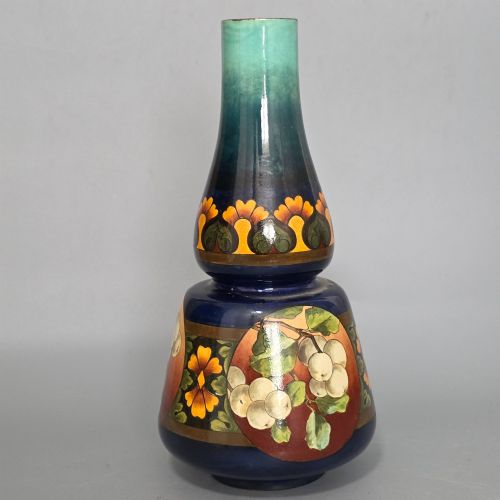
Fourmaintraux-Courquin·Alice Euphemia Thatcher·Gallilleo Chini
The Antique Earthenware Jar Glossary
- Albarello
- A cylindrical apothecary jar designed for holding dry drugs, frequently featuring an indented waist for easier handling during pharmacy work. These pieces originate from ancient Near Eastern designs before becoming staple forms in Italian and European pharmacies.
- Tin-Glaze Earthenware
- Pottery coated with a white, opaque glaze containing tin oxide, providing an ideal smooth white ground for painted decoration. This technique underpins Dutch delftware, French faience, and Italian maiolica.
- Confit Pot
- A French utilitarian earthenware vessel featuring a fully or partially glazed body, traditionally used for preserving meats and confits. They often display rich green or earth-toned lead glazes.
- Majolica
- Tin-glazed earthenware produced in Italy and other European regions, celebrated for bright polychrome painting and narrative scenes. The style evolved through various centuries, encompassing pharmacy wares and decorative urns.
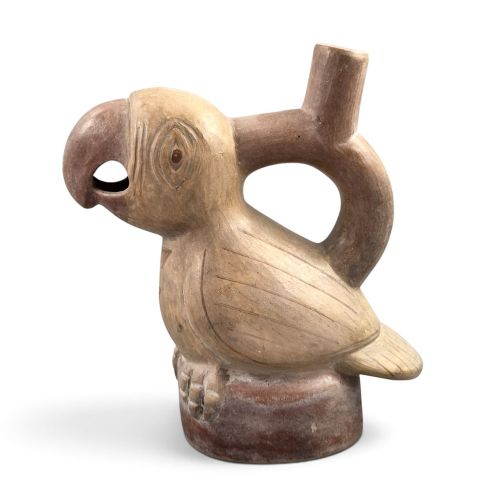
- Ornithomorphic
- Shaped in the form of a bird. This descriptor appears in ancient terracotta vessels designed to mimic avian anatomy.
Antique Earthenware Jar: Frequently Asked Questions
How were apothecary jars used?
Apothecaries and pharmacists used these jars to store dry herbs, ointments, syrups, and medicinal compounds in practical pharmacy settings.
Labelled with specific drug names or abbreviations, wet and dry drug jars kept ingredients organised and protected on apothecary shelves.
Are all earthenware jars waterproof?
Many earthenware jars feature internal tin or lead glazes designed to hold liquids safely, such as oils, vinegars, and medicinal syrups.
However, ancient unglazed terracotta vessels remain porous and were intended for dry storage rather than holding water indefinitely.
How do I clean an antique jar?
Gentle dusting with a soft, dry cloth is usually sufficient for maintaining the surface of historic earthenware without risking the glaze.
Avoid using harsh chemical cleaners or submerging porous clay bodies in water, especially if glazes show hairline fractures.
How can I tell delftware from majolica?
Dutch delftware typically focuses on blue and white painting inspired by Chinese porcelain, utilising a tin glaze over a buff earthenware body.
Italian majolica more frequently employs rich polychrome palettes and opaque tin glazes over distinct regional clay forms.