




Rustic Ceramic Vessel
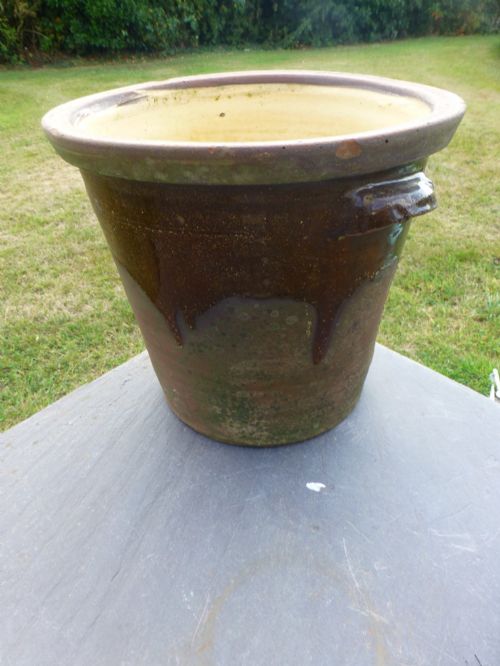
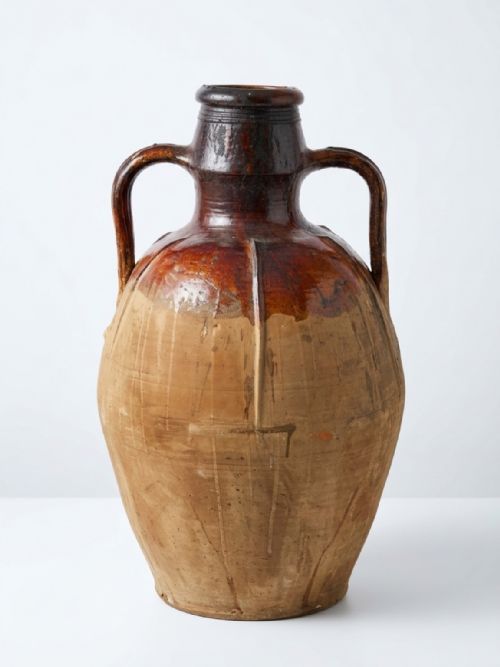
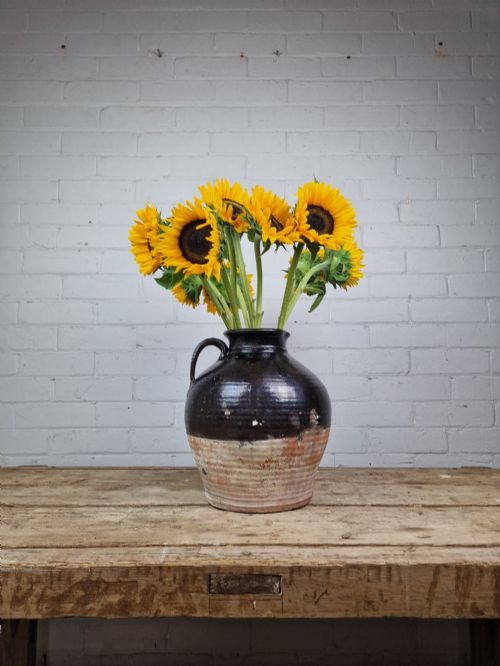
These heavy, tactile pots are a rustic ceramic vessel built for utility, prized for their weathered surfaces and honest forms.
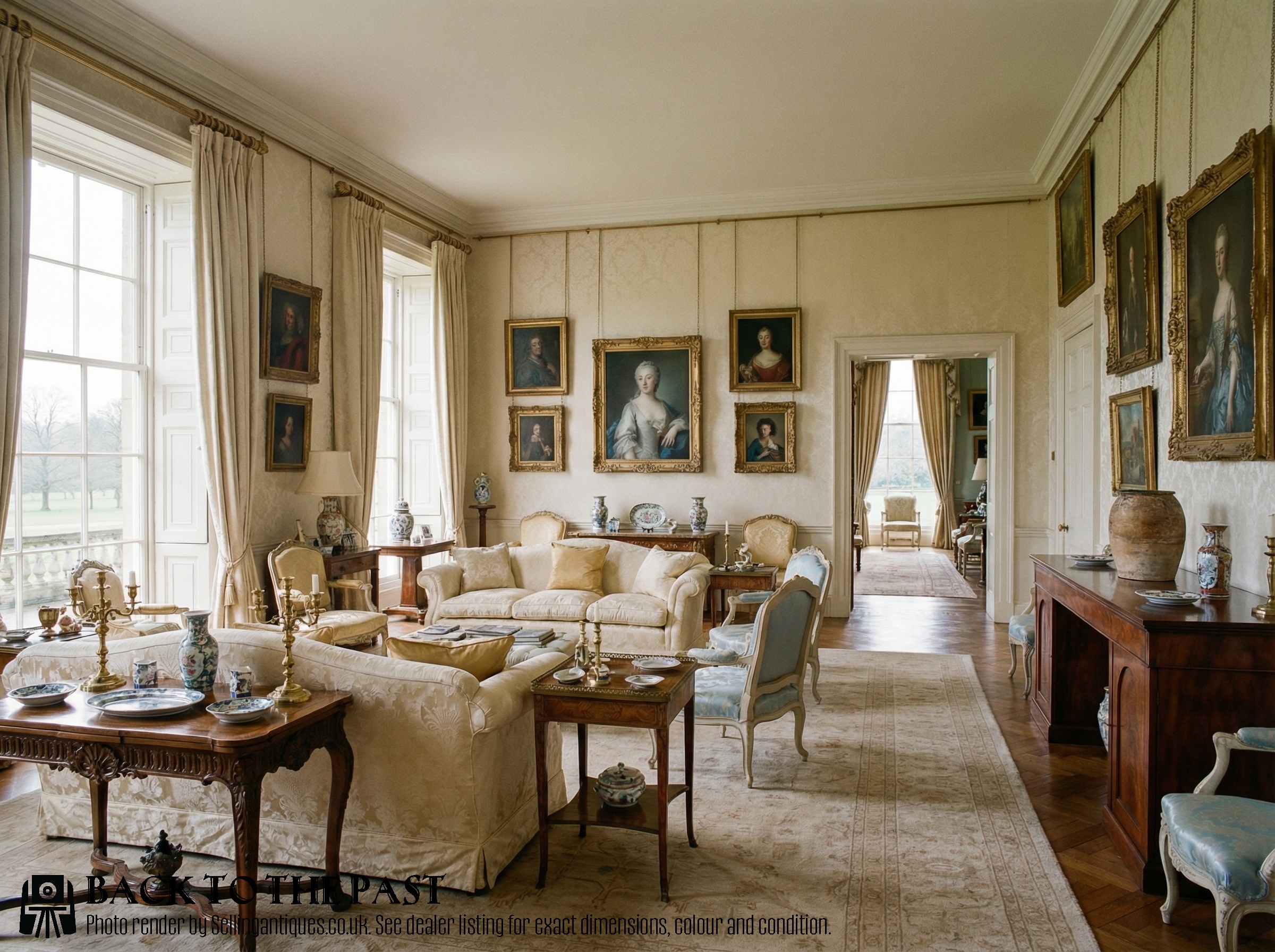
Rustic Ceramic Vessel
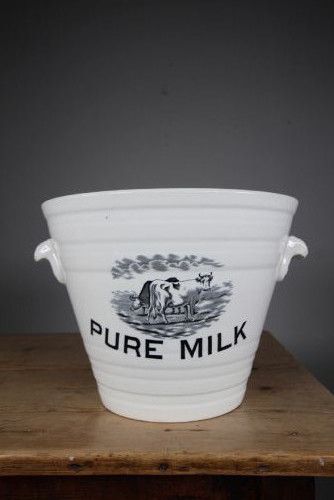
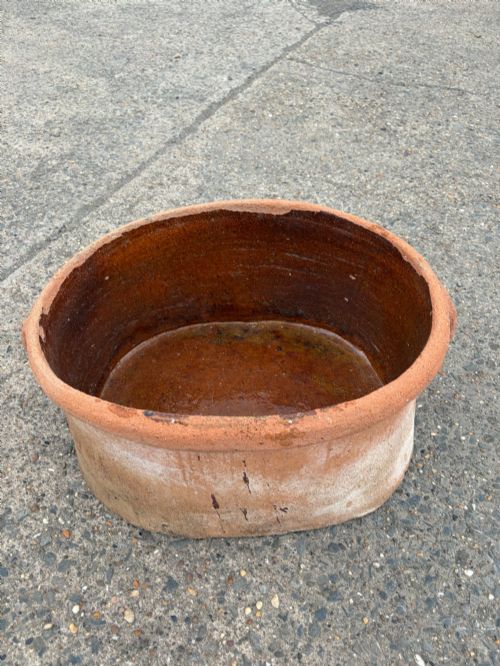
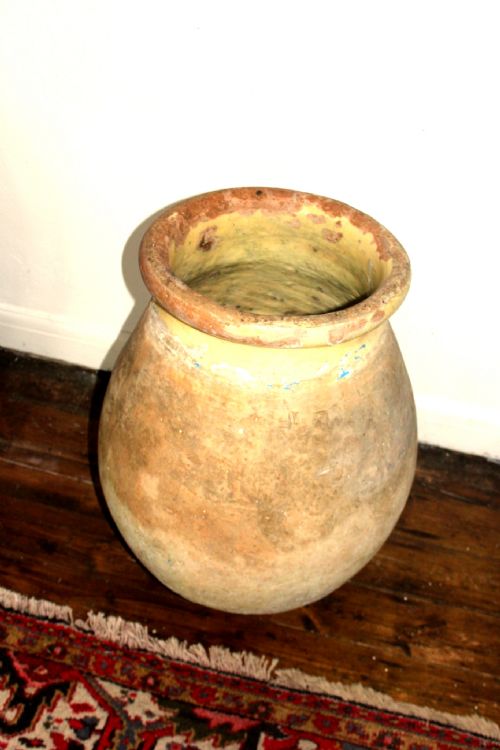
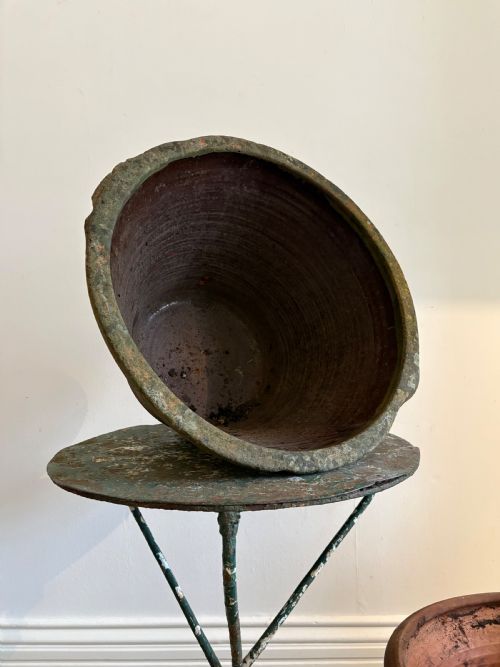
A rustic ceramic vessel encompasses utilitarian containers designed for storing and processing food, oil, wine, and dairy. Buyers encounter large olive jars, confit pots, dairy bowls, and salt-glazed flagons shaped by rural requirements across Europe.
The majority of pieces span the eighteenth and nineteenth centuries, originating from French provincial workshops, Italian estates, German kilns, and English dairies. These items transition easily from historic agricultural use into modern interior and garden displays.
Materials and construction methods
Potters shaped these vessels primarily from local terracotta, earthenware, and heavy stoneware using traditional throwing and moulding techniques. Porous clays were often finished with partial lead glazes or salt glazes to ensure liquid containment.
Utility dictated the addition of stout loop handles, wrought iron elements, and reinforced rims for heavy lifting. Kiln firing temperatures determined whether the clay matured into a dense stoneware or remained a warm, porous terracotta.
The inventory spans the eighteenth and nineteenth centuries, featuring terracotta, earthenware, stoneware, and salt-glazed pieces from French, English, German, and Italian origins.
Standards of craftsmanship and age
Quality rests in the harmony between robust throwing and the natural accumulation of age and patina. Superior examples display balanced proportions, confident wheel rings, and unforced historical wear rather than decorative artifice.
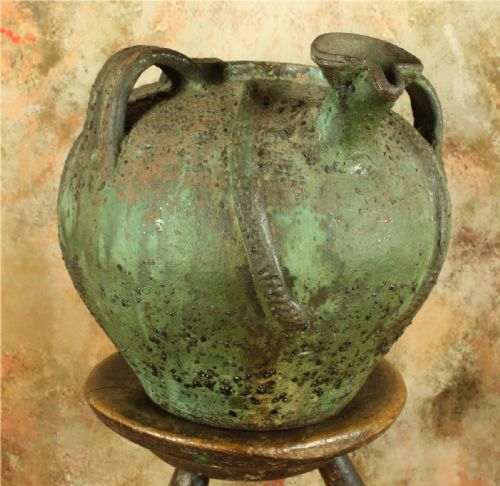
The integrity of the original glaze, whether a glossy green confit coating or a mottled salt-glaze finish, elevates a piece. Subtle historical repairs and surface weathering contribute character when they reflect genuine agricultural labour.
Royal Worcester
The Rustic Ceramic Vessel Glossary
- Terracotta
- A porous, unglazed or slip-coated fired clay that develops a warm, earthy tone over centuries of exposure. This material forms the foundation of most Mediterranean storage jars and garden containers.
- Confit pot
- A traditional French earthenware vessel featuring a glazed interior and upper rim, originally utilised for preserving meats. These pots are distinguished by their distinct ear handles and earthy bodies.
- Salt glaze
- A glassy, textured finish achieved by throwing common salt into the kiln during high-temperature firing. This process produces an orange-peel texture unique to stonewares.
- Slipware
- Pottery decorated with a liquid clay slip applied before firing to create linear patterns or surface contrast. This technique appears on early British and European utility wares.
- Amphora
- A two-handled jar with a pointed or rounded base used in antiquity and later revived for heavy storage. These vessels bring monumental scale and classical proportion to rustic interiors.
Rustic Ceramic Vessel: Frequently Asked Questions
How were these vessels used originally?
These vessels served essential domestic and agricultural roles, storing olive oil, wine, grain, vinegar, and dairy produce like milk and salted butter.
Heavier jars stood in cellars or courtyards to regulate temperatures for liquid goods, while smaller pots kept perishables sealed in farm kitchens.
Can these pots stay outdoors in winter?
Porous terracotta and earthenware absorb moisture and risk cracking if subjected to severe frost while damp.
Collectors generally protect older or unglazed items during freezing weather by moving them indoors or under cover.
How do I date an antique jar?
Dating relies on observing tool marks, clay consistency, glaze chemistry, and the specific form of handles and rims.
Eighteenth-century examples often show heavier hand-forming traits, whereas later nineteenth-century pieces benefit from more standardised regional production methods.
How do I clean an old pot?
Gentle washing with warm water and a soft brush removes surface dust without disturbing the delicate historical patina.
Harsh chemical detergents and abrasive scouring must be avoided to preserve dry terracotta surfaces and aged glazes.