

Antique Earthenware Bowl
When you search for an antique earthenware bowl, you are looking at centuries of domestic utility turned into expressive ceramic art.
Antique Earthenware Bowl
An antique earthenware bowl encompasses a wide array of domestic and decorative vessels, ranging from sturdy dairy bowls and utility basins to delicate creamware pudding bowls and transfer-printed dishes. Buyers seeking this phrase encounter pieces shaped from porous clay bodies across the 18th and 19th centuries, alongside earlier salt-glazed and tin-glazed specimens.
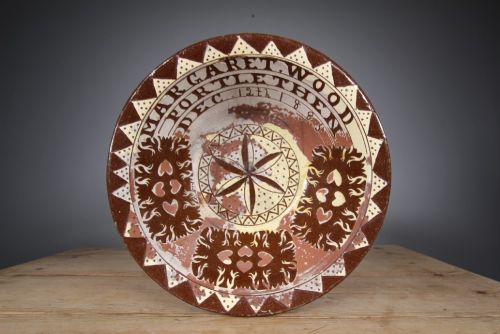
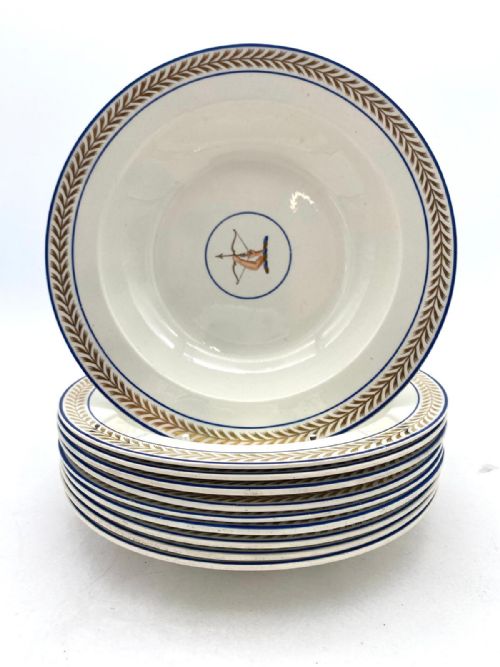
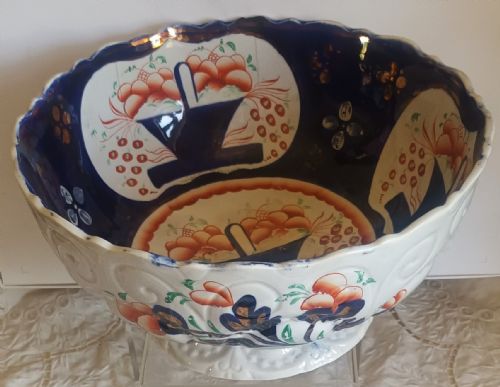
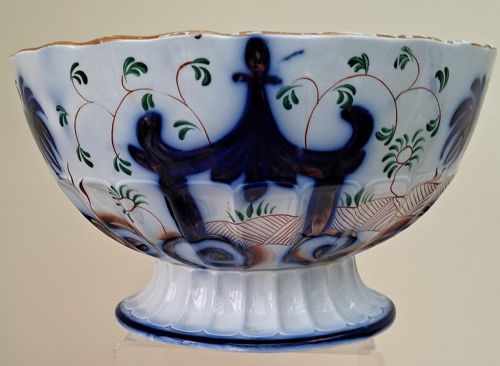
The most common forms on this page include deep slipware mixing vessels, footed pottery bowls decorated with transfer-printed scenes, and brightly painted Gaudy Welsh tableware. Pieces originate from diverse British potteries as well as continental Delftware workshops and Japanese Meiji period kilns.
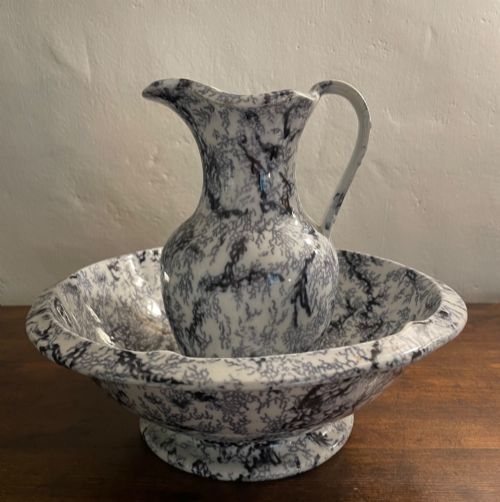
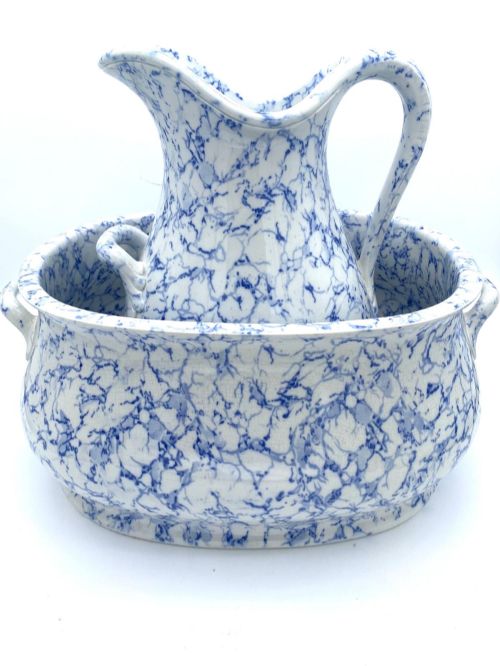
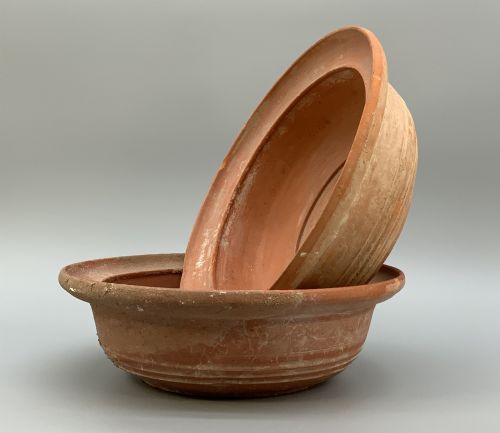
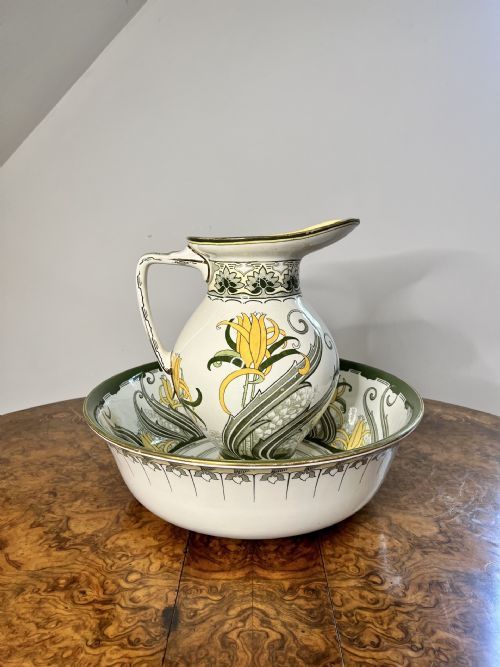
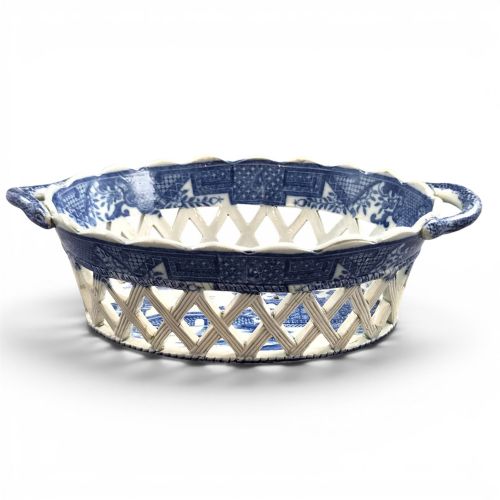
Utility pieces such as pancions and dairy bowls sit alongside decorative baskets, tureens, and wash sets, demonstrating how humble kitchen earthenware evolved into parlour display items. Each vessel reflects the specific functional demands of its era, whether for holding milk, serving soup, or washing daily wear.
How they were made
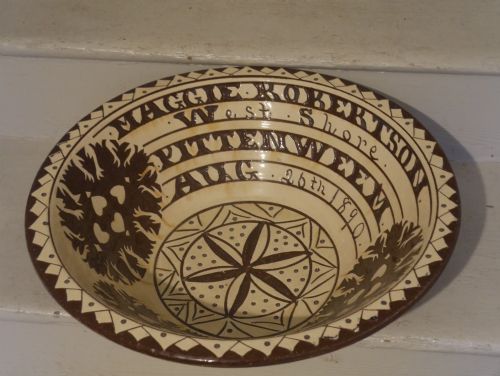
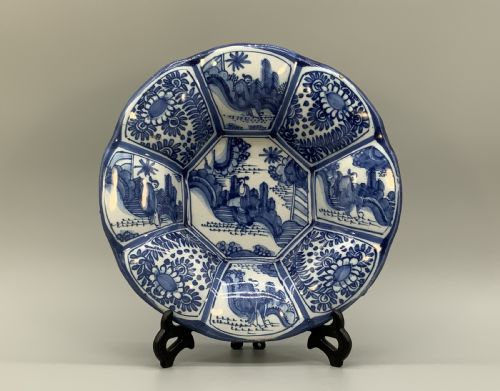
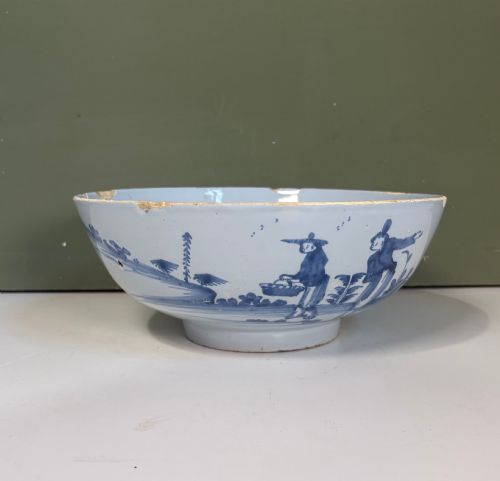
Potters shaped these vessels using earthenware clay bodies finished with lead or tin glazes to render the porous material water-resistant. Many items incorporate slipware decoration, where liquid clay is trailed across the surface before firing, or white tin-glazes providing a smooth ground for hand-painted blue and white Chinoiserie motifs.
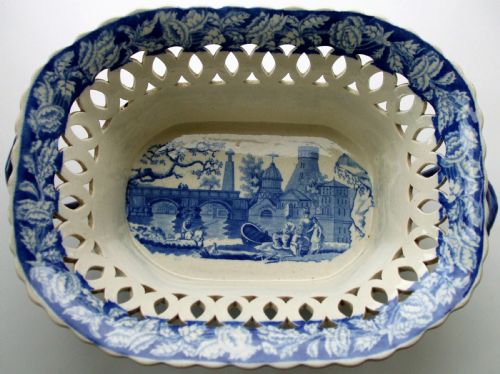
Transfer printing technology allowed factories to apply intricate copper-plate engravings onto ceramic surfaces, producing repeatable blue and white river scenes and architectural patterns. Subsequent overglaze enamel painting added vibrant polychrome highlights to moulded surfaces, particularly in Victorian and Edwardian examples.
Materials recorded across the inventory include glazed ceramic, terracotta, wood, enamel, and gold leaf alongside standard earthenware.
What varies in quality
Quality in these ceramics rests on the crispness of the moulded detail, the stability of the glaze, and the precision of the hand-painted or transfer-printed decoration. Finer pieces display clean foot rims, balanced proportions, and minimal kiln distortion, whereas utilitarian dairy bowls often show heavy working wear and primitive throwing marks.
The skill of the decorator dictates the upper tier of the range, seen in carefully shaded transfer prints, rich polychrome enamelling, and signed Japanese Satsuma or Staffordshire factory output. Lesser examples exhibit blurred glaze pooling, faded transfer lines, or crude repairs that detract from the original maker's intent.
Seaton Pottery·Minton·Wedgwood·Spode·J. & R. Clews·J. & R. Riley·John Rogers and Son·T G Green·Mann and Co·Clarice Cliff
The Antique Earthenware Bowl Glossary
- Slipware
- Pottery decorated with liquid clay applied to a leather-hard body before firing. It creates raised patterns and contrasting colour trails.
- Creamware
- A refined earthenware developed in the 18th century with a pale yellowish-buff glaze. Wedgwood perfected this light, utilitarian ceramic body.
- Tin-Glazed Earthenware
- Pottery coated with an opaque white glaze containing tin oxide. This technique provides a flat white surface suitable for painted decoration.
- Transfer Printing
- A method of applying engraved designs to ceramics using paper tissues pulled from copper plates. It enabled mass production of detailed pictorial scenes.
- Pancion
- A wide, shallow earthenware vessel traditionally used in dairies for setting milk. These heavy utility bowls feature robust walls and unglazed bases.
Antique Earthenware Bowl: Frequently Asked Questions
How were antique earthenware bowls used?
These bowls served primarily practical roles in kitchens and dairies, holding milk, cream, and dry foodstuffs, or functioning as wash basins and footbaths. Over time, many transitioned into decorative table centrepieces and display vessels within the home.
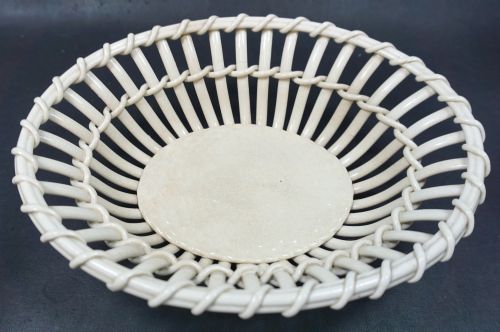
Finer examples, such as creamware pudding bowls and transfer-printed chestnut baskets, belonged to the dining table for serving guests. Their dual nature as working tools and decorative objects dictated their durable construction and varied surface finishes.
How do I care for an antique earthenware bowl?
Keep these pieces away from modern dishwashers and harsh detergents to protect the historic glaze and any delicate enamel or gold leaf decoration. Wash them gently by hand in warm water using a mild soap when cleaning is necessary.
Display them on stable surfaces away from direct heat sources and sudden temperature changes, which can stress the porous earthenware body and historic glaze. Support the weight of larger vessels evenly if moving or housing them.
How do I distinguish 18th century delft from 19th century transferware?
Eighteenth-century delftware relies on a tin-glaze that produces a slightly softer, opaque white surface with hand-painted blue pigments that often sink slightly into the glaze. These pieces typically display heavier earthenware bodies and origins in Dutch, English, or Spanish workshops.
Nineteenth-century transferware utilises mechanised copper-plate prints applied under a glossy lead glaze, resulting in crisp, repeatable monochrome or polychrome patterns. The paste is often denser and whiter, reflecting industrial improvements in British pottery production during the Georgian and Victorian eras.
What is the difference between dairy bowls and decorative bowls?
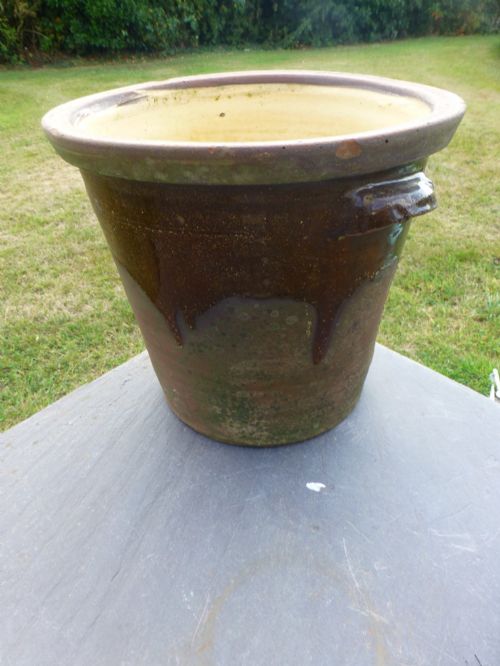
Dairy bowls, such as pancions, feature thick, heavy earthenware walls designed for the rigorous daily demands of farm work, often showing utilitarian glazes and utilitarian wear. They prioritized capacity and durability over visual refinement.
Decorative bowls and tureens focused on aesthetic appeal, incorporating moulded handles, intricate pierced rims, and detailed transfer-printed or hand-painted scenes. These ornamental pieces were meant for display in reception rooms rather than hard labour in the dairy.