
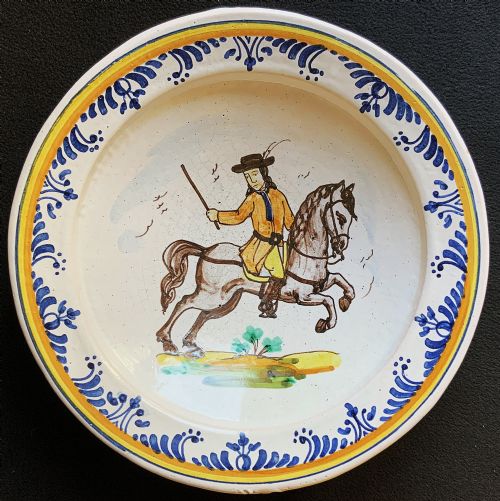


Antique Delftware Bowl
An antique delftware bowl brings tin-glazed earthenware into the home, offering hand-painted blue and white or polychrome decoration from earlier centuries.
Antique Delftware Bowl
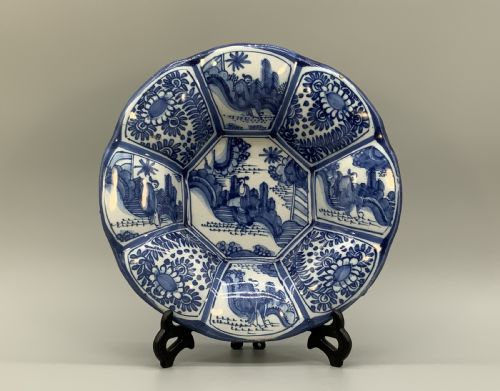
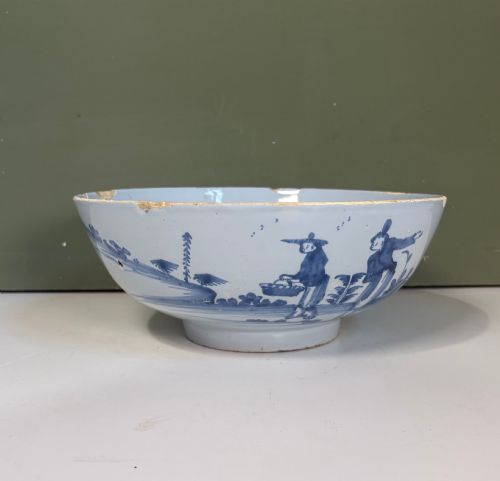
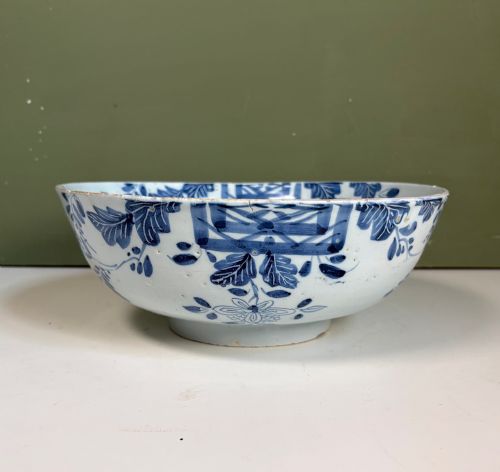
When you search for an antique delftware bowl, you are looking at tin-glazed earthenware vessels that span the eighteenth and nineteenth centuries, alongside related dishes and chargers.
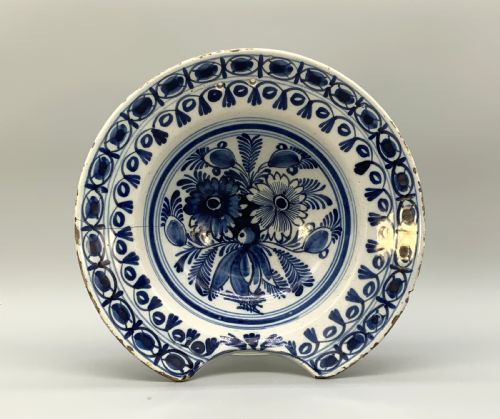
The pieces you are most likely to meet on this page originate from Dutch, English, and Spanish traditions, taking forms such as shallow bowls, punch bowls, and barber's basins.
These items primarily function as decorative plates and bowls, carrying cobalt pigment designs that often reflect Chinoiserie or Baroque styles.
How they were made
Potters shaped these objects from earthenware bodies before applying an opaque tin glaze that created a white surface suitable for painting.
Craftsmen then applied cobalt oxide and other pigments directly onto the unfired glaze by hand, producing the characteristic blue and white motifs seen across the inventory.
The site's listings feature eighteenth-century Dutch, English, and Spanish pieces in tin-glazed earthenware and ceramic materials.
What varies in quality
The distinction between ordinary and superior examples rests on the crispness of the hand-painted brushwork and the complexity of the design, such as elaborate Chinoiserie or multi-coloured polychrome palettes.
Form also dictates standing, with lobed profiles, large punch bowls, and specialised vessels like barber's bowls showing greater ambition than simple round dishes.
The Antique Delftware Bowl Glossary
- Tin-Glazed Earthenware
- Pottery covered with a lead glaze made opaque by the addition of tin oxide. This white surface provides the background for painted decoration.
- Cobalt Oxide
- A metallic colorant used to produce deep blue pigments on ceramic wares. It holds its colour firmly under high kiln temperatures.
- Chinoiserie
- European interpretations of Chinese artistic motifs and styles. The design scheme appears frequently on seventeenth and eighteenth-century blue and white ceramics.
- Barber's Bowl
- An oval or circular basin featuring a semicircular cutout on the rim. These vessels were used for shaving and medical bleeding in past centuries.
- Polychrome
- Decoration employing multiple colours rather than a single hue. On these ceramics, it typically involves combinations of blues, oranges, greens, and yellows.
Antique Delftware Bowl: Frequently Asked Questions
What is an antique delftware bowl?
An antique delftware bowl is a piece of tin-glazed earthenware produced mainly in the eighteenth and nineteenth centuries across regions like England, Holland, and Spain.
These vessels feature hand-painted decoration, often in blue and white cobalt pigments, utilising forms that range from shallow serving dishes to large punch bowls.
How do I care for tin glaze?
Tin glaze sits on a porous earthenware body and requires gentle handling to prevent chipping or moisture absorption.
Keep these bowls away from modern dishwashers and clean them gently by hand with a soft cloth when necessary.
How can I tell Dutch from English delft?
Distinguishing regional origins relies on observing the specific blue tones, glaze thickness, and base characteristics recorded in historical workshops.
Dutch and English pieces often share similar Chinoiserie or Baroque motifs, making direct comparison of the ceramic body helpful.
Were these bowls used for food?
Many larger examples served as punch bowls or decorative dishes for communal dining and display in period interiors.
Specialised forms like barber's bowls fulfilled grooming and medical functions rather than serving at the dining table.