


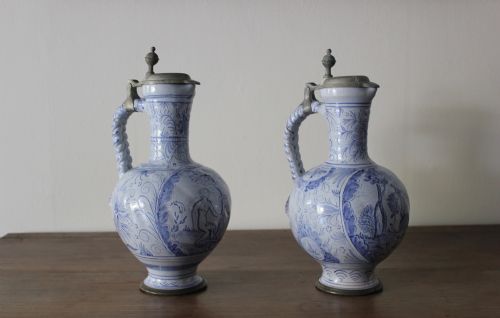
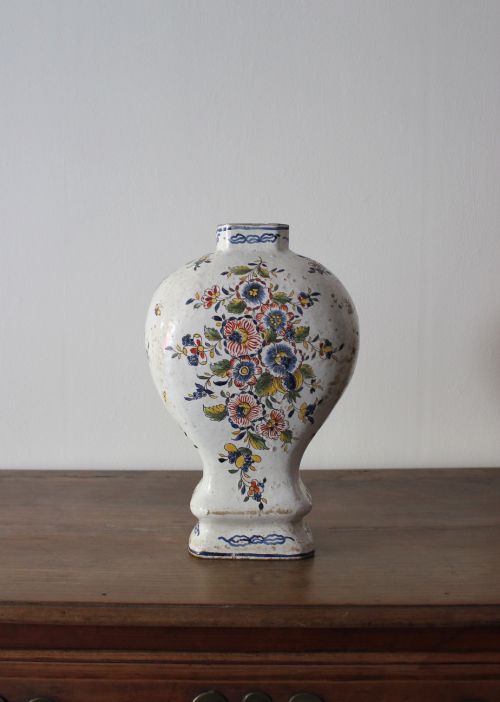
Antique Dutch Delftware
Antique dutch delftware brings the bold cobalt painting and tin-glazed earthenware of the Netherlands into a room.
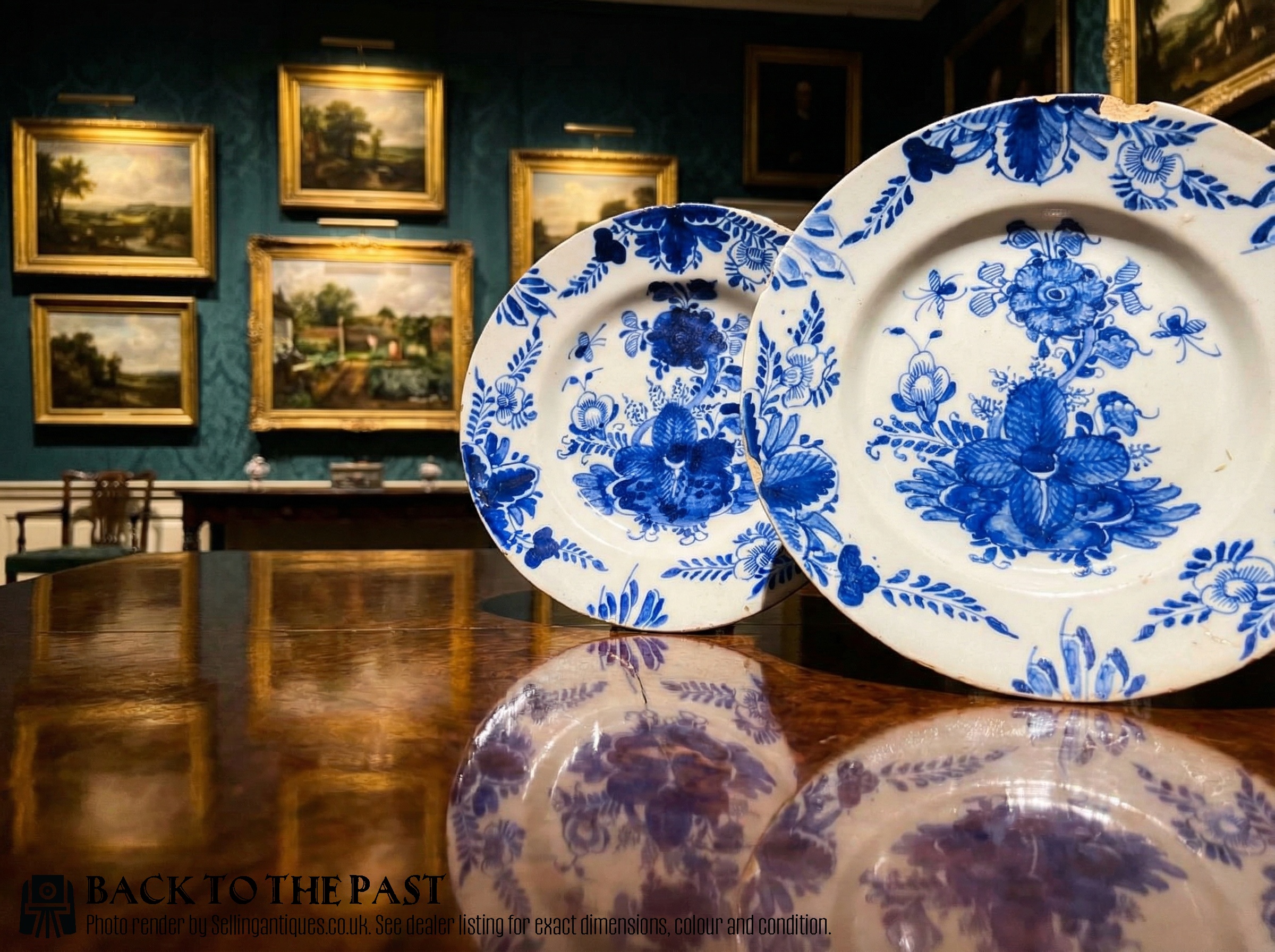
Antique Dutch Delftware
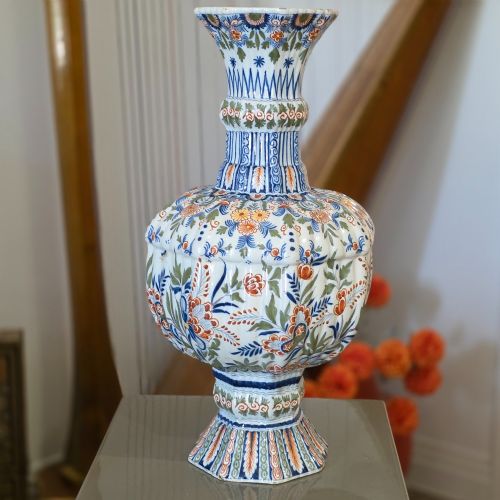
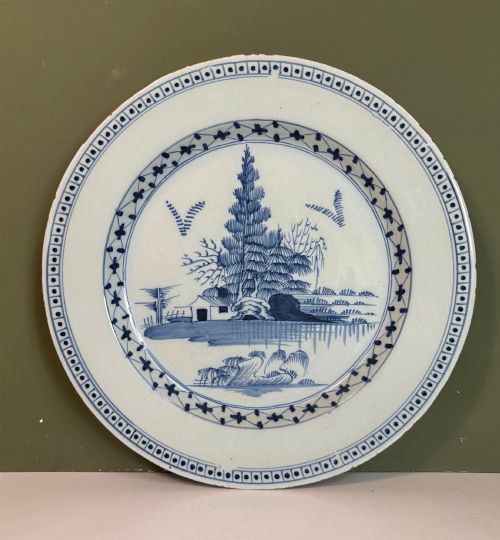
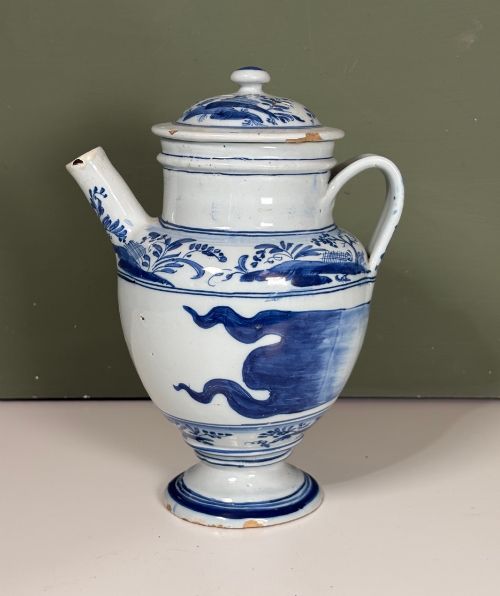
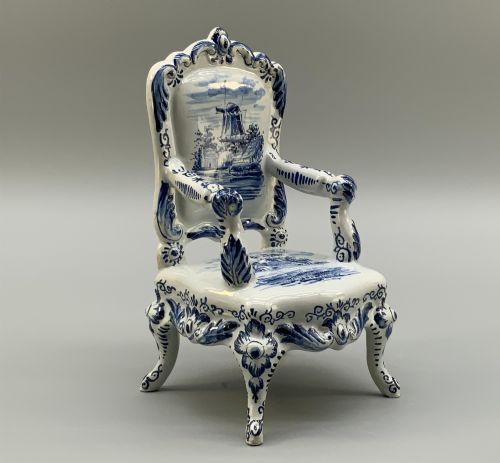
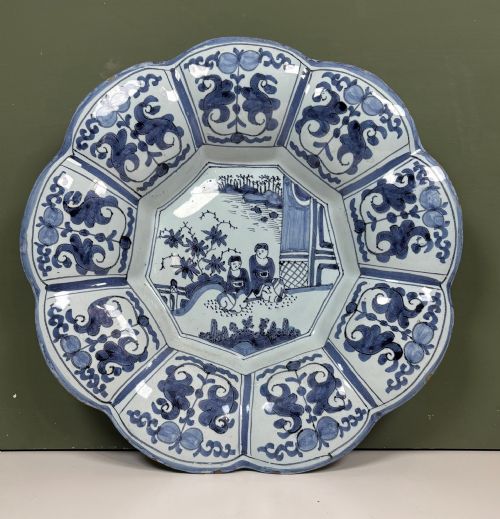
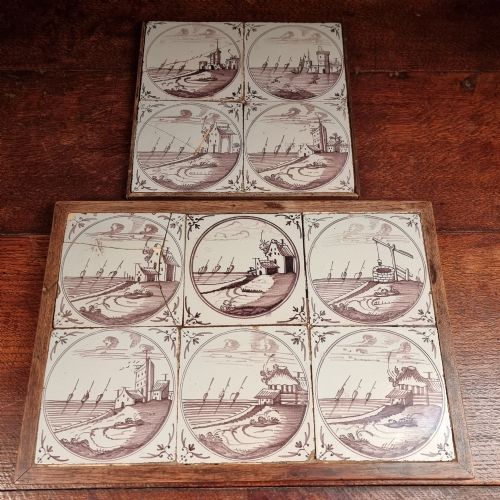
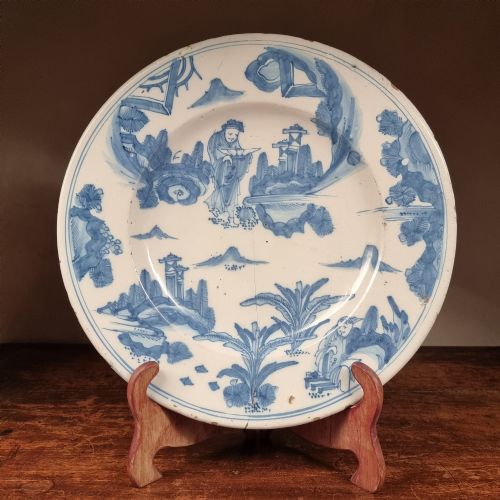
When you search for antique dutch delftware, you encounter chargers, plates, vases, and apothecary jars spanning the seventeenth, eighteenth, and nineteenth centuries. The pieces on this page range from large wall chargers and lidded bough pots to miniature porcelain armchairs and manganese tiles.
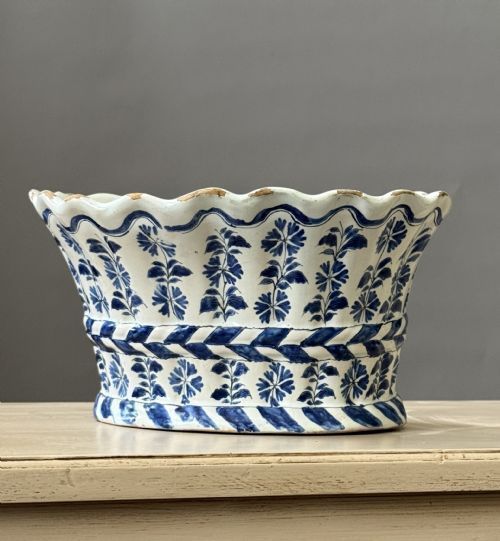
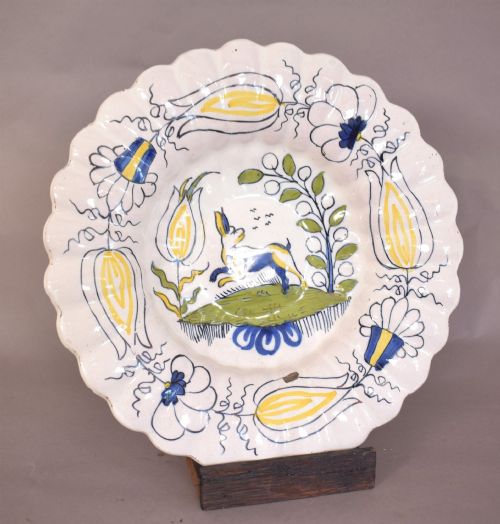
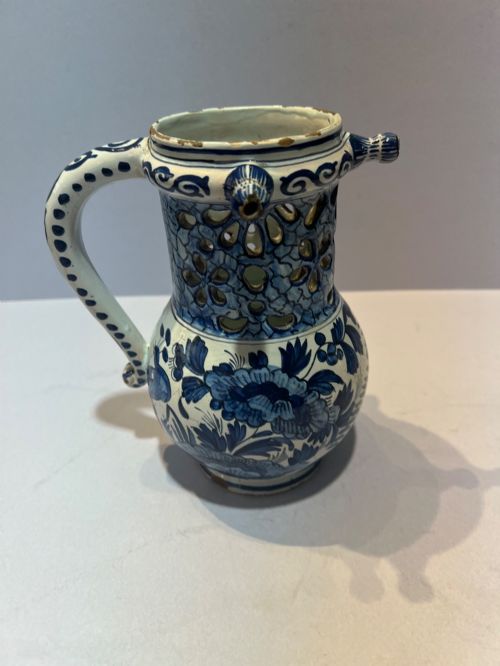
The dominant style is blue and white, alongside polychrome and manganese examples that reflect both Dutch Baroque and Chinoiserie influences. You will frequently find utilitarian and decorative forms, including puzzle jugs, posset pots, and barber's bowls.
Origins trace back to workshops in the Netherlands producing tin-glazed ceramic vessels for domestic display and practical household use. Seventeenth-century chargers and eighteenth-century dishes form the backbone of the selection available here.

Materials and Techniques
Potters shaped these objects from earthenware, coating the fired clay in an opaque tin glaze that provided a smooth white ground for decoration. Artisans then painted directly onto this absorbent surface using cobalt pigment or mixed mineral oxides for polychrome designs.
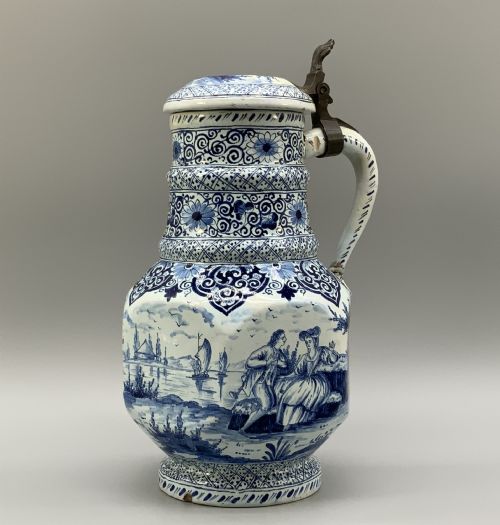
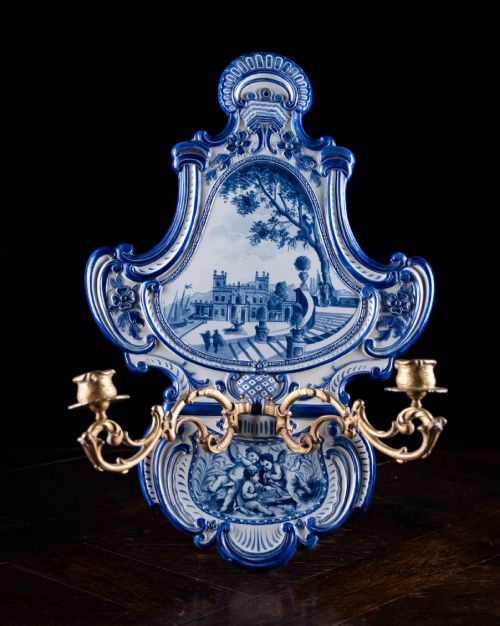
Some specialised items incorporate brass fittings, pewter lids, or ormolu mounts, combining ceramic bodies with metalwork. Firing techniques fixed the pigments into the white glaze, yielding the characteristic gloss of tin-glazed earthenware.
Antique Dutch Delftware Retail Price Guide 2026
Typical asking prices for dutch delftware among the pieces listed under this phrase on Sellingantiques today, from the lower quarter to the upper quarter. They describe what is for sale here now, not the wider market.
Pewter-lidded pitchers and ceramic cows sit side by side on this page.
Assessing Quality
Quality rests upon the crispness of the hand-painted brushwork and the stability of the tin glaze across the earthenware body. Pieces with fluid, detailed botanical or figural motifs display a higher degree of artisan skill than hurried or repetitive production work.
The complexity of the form also dictates the standard, separating straightforward dishes from ambitious hollowware like posset pots, puzzle jugs, and lidded garden urns. Preservation of the original glaze surface and any accompanying pewter or brass elements shapes the integrity of the piece.
Villeroy & Boch
The Antique Dutch Delftware Glossary
- Tin-Glazed Earthenware
- Pottery covered with a lead glaze made opaque by the addition of tin oxide. This surface creates the white background essential for traditional delft painting.
- Charger
- A large decorative plate intended for display on a wall or sideboard rather than daily dining. These substantial dishes often feature pictorial scenes or botanical borders.
- Polychrome
- Decoration employing multiple colours rather than blue alone. In this category, it typically describes floral or figural designs in iron red, green, yellow, and blue.
- Bough Pot
- A specialised vessel designed to hold cut branches or flowers. They often feature perforated lids to keep stems upright.
Antique Dutch Delftware: Frequently Asked Questions
What is antique dutch delftware made of?
These pieces consist of an earthenware body covered in an opaque tin glaze. Cobalt pigment or other metallic oxides are painted onto this surface before firing.
Secondary materials such as pewter lids or brass mounts occasionally appear on jugs and tankards from the eighteenth century.
How do I display a delft charger?
Large chargers were originally intended for display on sideboards or hung directly on walls using wire plate hangers. Their generous diameters and painted centres suit prominent placement in dining rooms or living spaces.
Ensure any wall fixings securely support the weight of the earthenware dish.
How can I tell seventeenth-century pieces apart from later ones?
Seventeenth-century items often show looser, bolder brushwork influenced by Kraak porcelain and distinct potting weights. Nineteenth-century revivals tend to exhibit tighter industrial control and different glaze compositions.
Examining the foot ring and the character of the tin glaze helps clarify the period.
Were these objects used for dining?
While plates and chargers relate to dining contexts, many forms served specific domestic functions or decorative roles. Apothecary jars held medicines, bough pots displayed greenery, and puzzle jugs provided parlor amusement.
Tin-glazed earthenware is relatively soft, so utility forms were handled with care.