






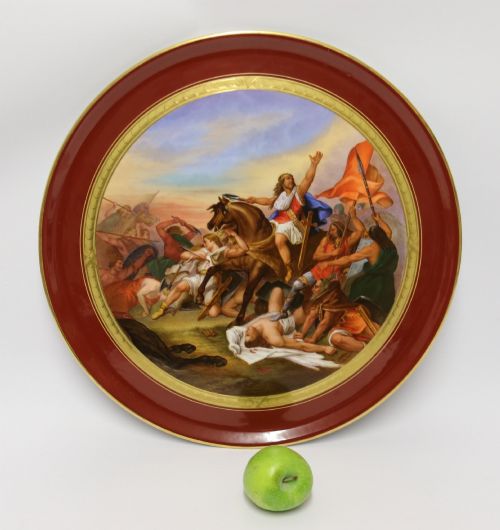
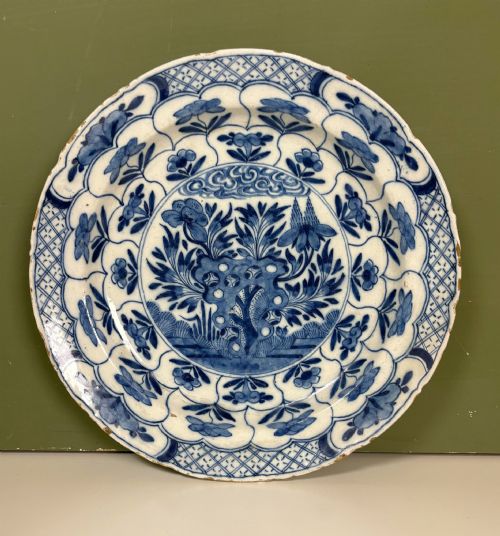
Hand Painted Ceramic Charger
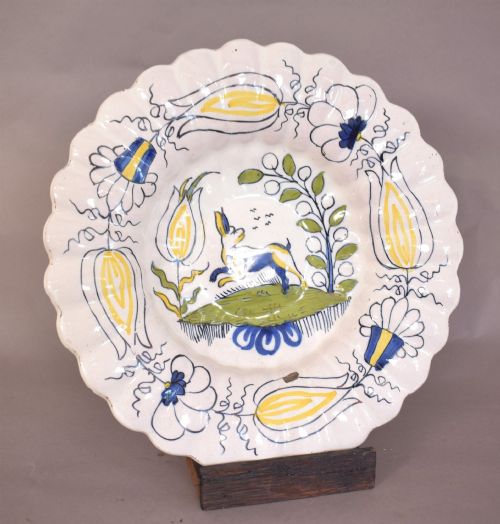
These hand painted ceramic charger pieces are substantial decorative plates carrying hand-applied tin-glazed and cobalt decoration, made to display.

Identifying hand painted ceramic charger examples
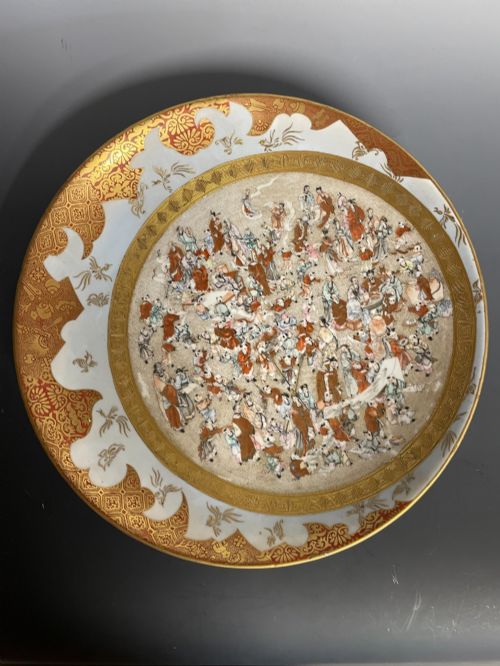
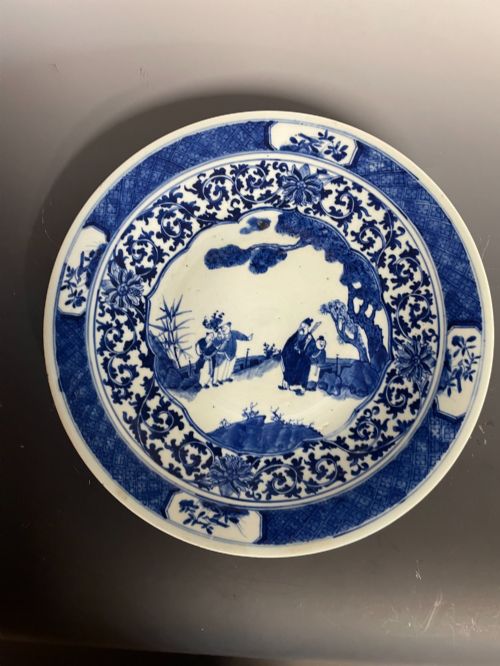
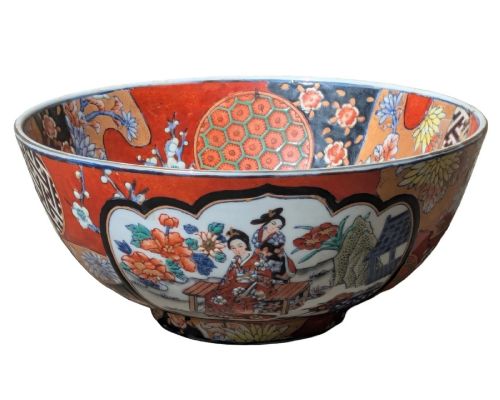
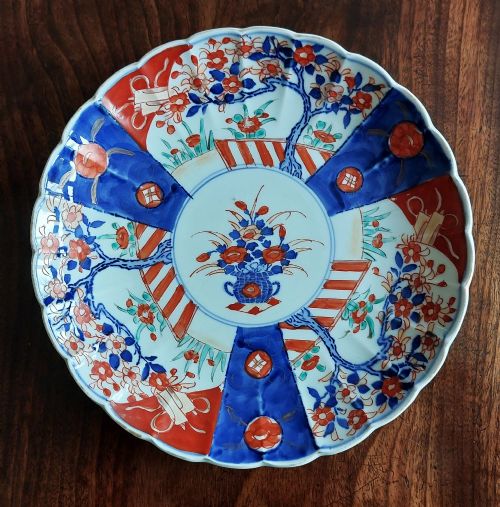
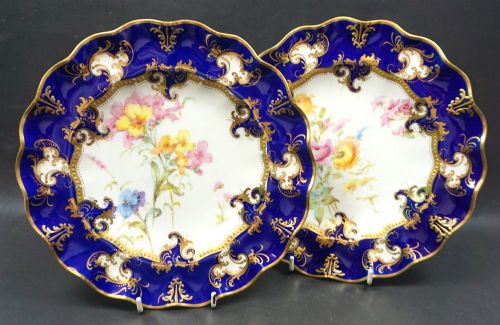
A hand painted ceramic charger is a wide, decorative dish designed primarily for display on a wall or sideboard rather than daily dining use. The pieces appearing here span the eighteenth and nineteenth centuries, originating from Dutch, English, and Japanese workshops.
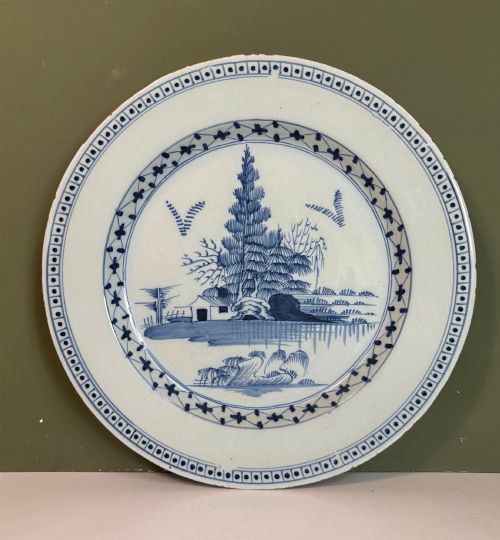
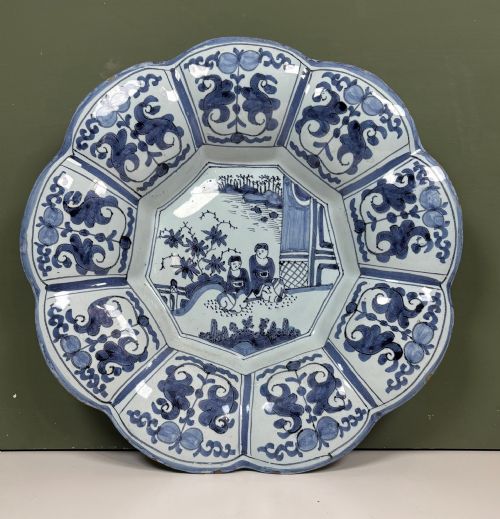
Most examples you encounter on this page belong to the Delftware tradition, executed in both blue and white and broader polychrome palettes. Forms range from lobed dishes to large circular chargers and plates.
The evidence shows periods stretching from seventeen hundred through the nineteenth century, encompassing Georgian chinoiserie, Dutch Baroque, and Japanese Meiji styles. These wares represent centuries of decorative ceramic traditions intended to catch the eye in a formal interior.
Materials and construction methods
Makers shaped these items from earthenware, tin-glazed earthenware, and porcelain, applying a tin glaze that provided a smooth, opaque white ground for painting. This absorbent surface required swift, confident brushwork because any hesitation by the painter left a permanent mark in the fired finish.
Pigments utilised in the decoration relied heavily on cobalt glaze for the deep blues characteristic of Delftware and Japanese exports. Kiln firings fixed these mineral oxides into the glaze, yielding the enduring surfaces seen across eighteenth and nineteenth century specimens.
Retail Price Guide 2026
Typical UK retail prices for hand painted ceramic charger, calculated from the Sellingantiques database of over a million retail prices indexed since 2003. This retail price guide relies exclusively on Sellingantiques data; no external sources or auction records are used, so the figures do not describe the wider market.
Early potters occasionally signed their chargers with the names of famous workshops, such as 'De Witte Ster', leaving a direct signature across the centuries.
Judging quality in historic chargers
Quality in a hand painted ceramic charger rests upon the vitality of the brushwork and the clarity of the painted design. Nimble, expressive strokes command attention, whereas hesitant or rigid execution flattens the visual depth of the ornament.
The sophistication of the glaze and the purity of the white tin-glazed surface also distinguish finer specimens from simpler utilitarian wares. Better pieces maintain a harmonious relationship between the painted motif and the generous expanse of the charger body.
The Hand Painted Ceramic Charger Glossary
- Charger
- A large decorative plate, typically exceeding thirty centimetres in diameter, made to be displayed on walls or dresser backs rather than used at the table.
- Tin-Glaze
- An opaque white glaze containing tin oxide, applied to earthenware to provide a smooth ground for hand-painted decoration.
- Polychrome
- A style of decoration employing multiple colours alongside or instead of the traditional blue and white cobalt palette.
- Delftware
- Tin-glazed earthenware produced in Dutch and English potteries, notable for its absorbent white surface and blue or multi-coloured painting.
- Cobalt Glaze
- A blue metallic pigment applied beneath or within the glaze, retaining its rich tone through high-temperature kiln firings.
Frequently Asked Questions
What is a charger plate used for?
These large decorative dishes were traditionally produced for display rather than dining. Historic examples were hung on walls or stood on sideboards to showcase the owner's taste.
Their wide surfaces provided artisans with a canvas for intricate cobalt or polychrome painting.
How do I date an old ceramic charger?
Dating relies on examining the characteristics of the earthenware body, the tone of the tin glaze, and the style of painting. Eighteenth-century pieces often display looser brushwork and softer glaze tones compared to later iterations.
Comparing the decorative motifs, such as Dutch Baroque or Georgian chinoiserie, to documented examples helps narrow the period.
What is the difference between delft and porcelain?
Delftware consists of a porous earthenware body covered in an opaque tin glaze that accepts painted pigments deeply. Porcelain is a vitrified, dense ceramic material fired at higher temperatures to produce a ringing white body.
While delft offers a softer surface texture, porcelain remains non-porous even without glaze.
How should I display a heavy ceramic charger?
Displaying these substantial pieces requires secure wall hangers specifically rated for the weight and diameter of earthenware dishes. Alternatively, deep plate stands on sturdy furniture provide a safe base for viewing.
Keep them away from high-traffic walkways where accidental knocks might dislodge them.