


Meiji Period Plate
These meiji period plate examples bring intricate Japanese craftsmanship into your home through traditional Satsuma pottery, cloisonné enamel, Imari porcelain, and mixed-metal designs.

What They Are
When you search for a meiji period plate, you are looking at decorative dishes and large chargers originating from late nineteenth and early twentieth century Japan.
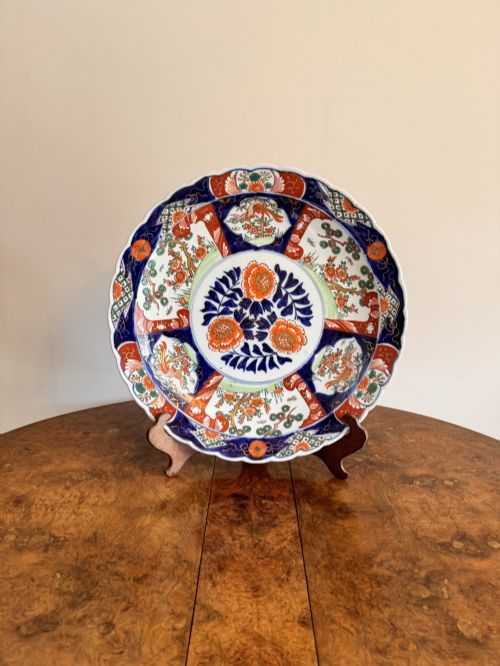
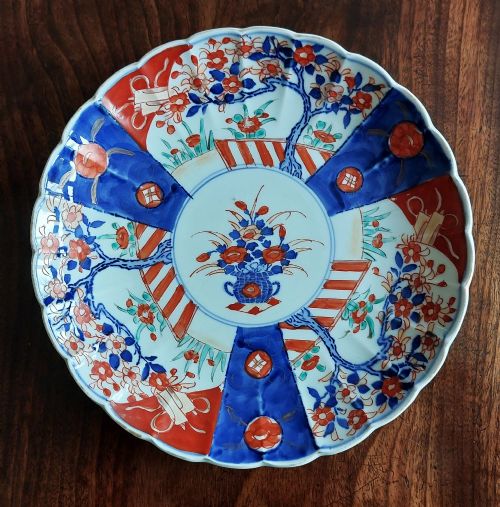
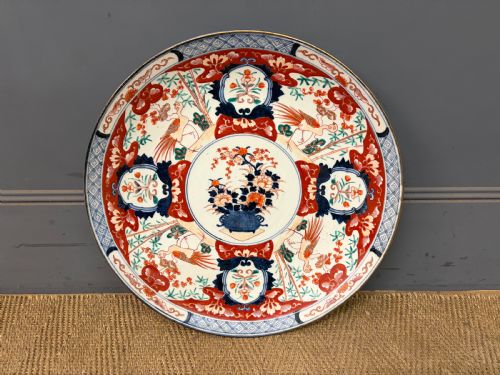
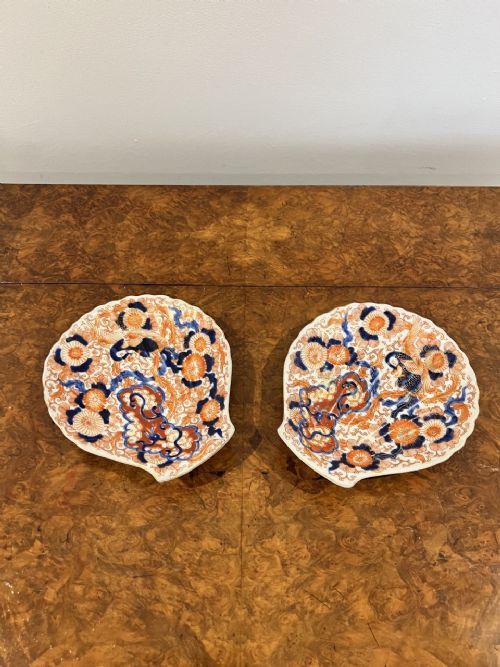
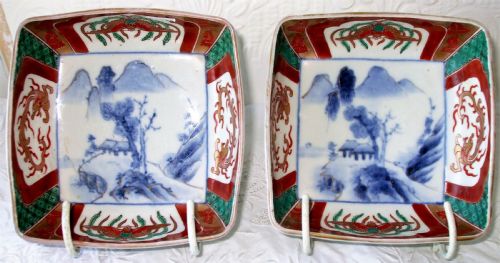
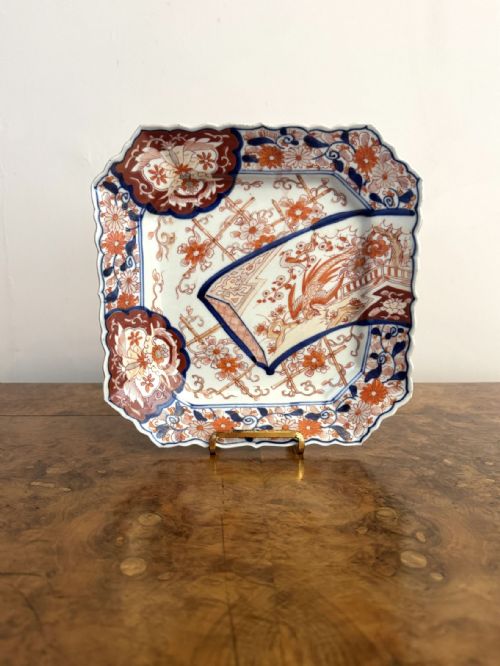
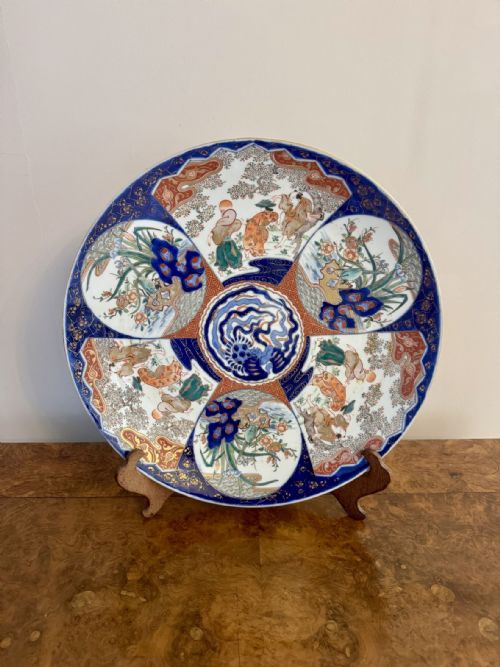
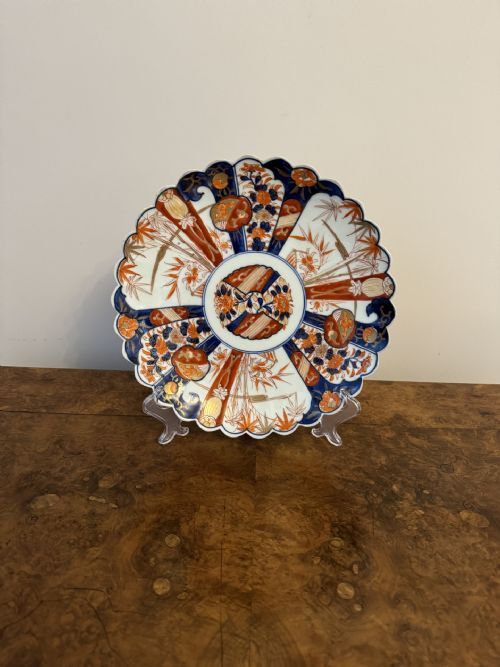
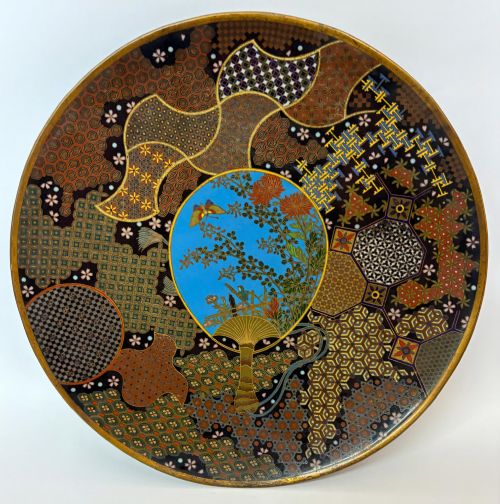
The selections on this page span several distinct traditions, including Satsuma pottery, Imari porcelain, blue and white ceramics, and complex metalwork chargers.
You will encounter pieces ranging from delicate crackle-glazed porcelain to heavy brass and copper dishes inlaid with gold and silver wire.
How They Were Made
Makers utilised traditional ceramic and metalworking techniques, forming plates in porcelain, pottery, brass, bronze, and copper.
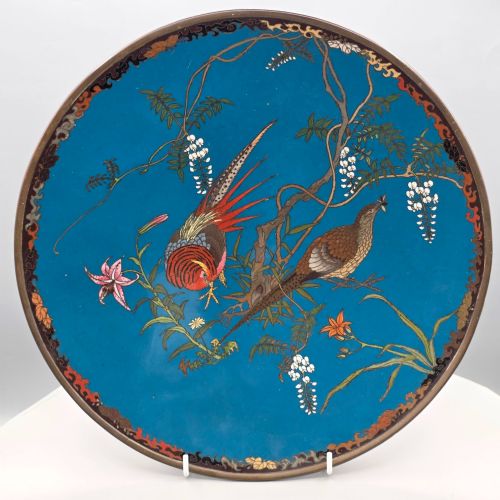
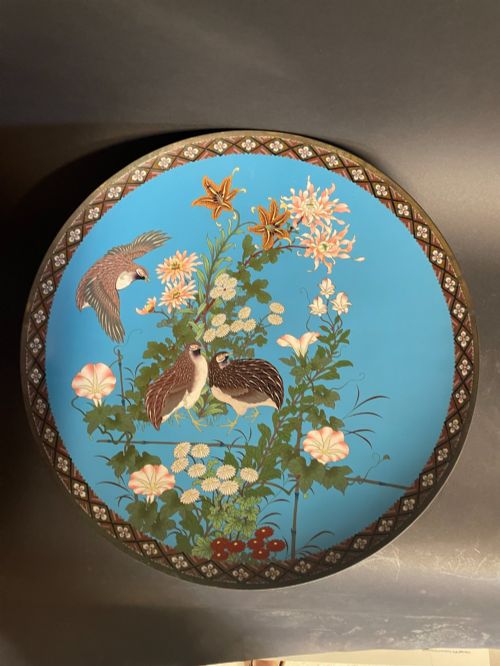
Decoration involved hand-painted enamel, intricate metal wirework for cloisonné, and gold inlay detailing to create rich surface textures.
Retail Price Guide 2026
Typical UK retail prices for meiji period plate, calculated from the Sellingantiques database of over a million retail prices indexed since 2003. This retail price guide relies exclusively on Sellingantiques data; no external sources or auction records are used, so the figures do not describe the wider market.
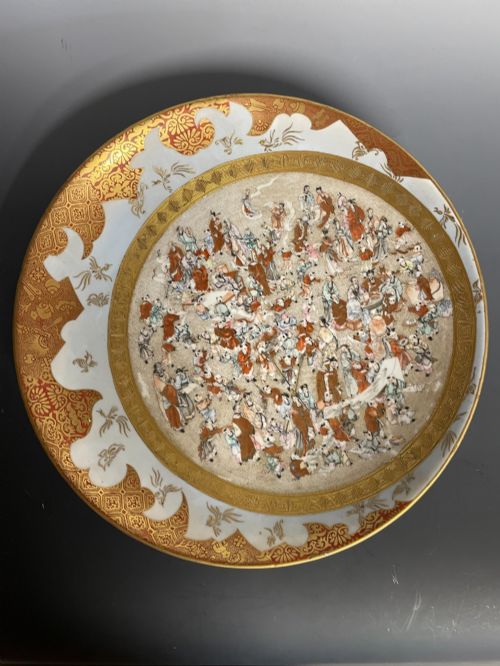
Horse racing and bustling geisha processions leap across the ceramic surface, bringing Victorian Japan straight to the mantelpiece.
What Varies in Quality
Quality rests in the precision of the hand-painted detail and the complexity of the materials, such as the fineness of gold inlay on mixed-metal dishes or the crispness of Satsuma figural scenes.
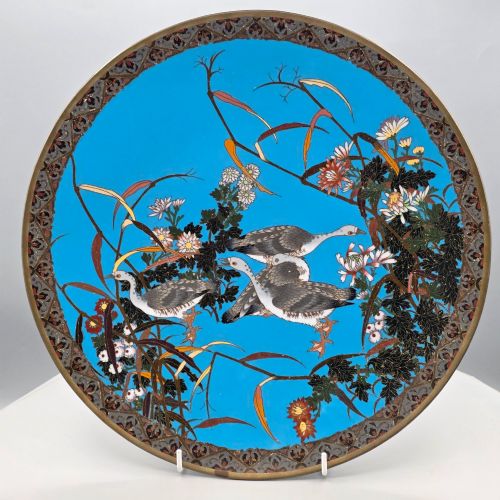
The ambition of the design separates standard domestic wares from exceptional chargers, seen in sculptural tree bark effects in cloisonné or signed artist work.
Koshida·Ryokuzan·Kinkozan·Komai
The Meiji Period Plate Glossary
- Satsuma
- A type of Japanese earthenware featuring a pale, ivory-coloured crackle glaze and ornate polychrome and gilt enamel decoration. It often depicts figures, processions, or nature scenes.
- Imari
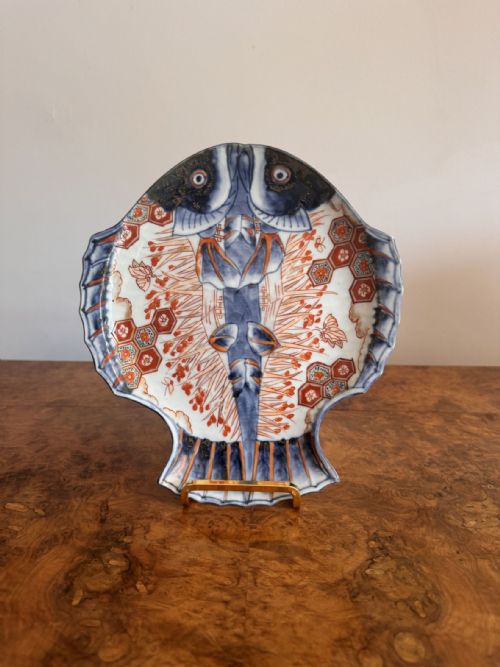
- A style of Japanese porcelain decorated in underglaze blue, iron red, and gold. This palette was widely exported to Europe during the period.
- Cloisonne
- A technique where enamel paste is applied within compartments created by soldering metal wire onto a metal base. It is then fired and polished smooth.
- Totai shippo
- A type of cloisonné enamel created without a solid metal body, allowing light to pass through translucent sections. It resembles stained glass.
- Charger
- A large ornamental plate intended primarily for display on a wall or sideboard rather than for dining use.
Frequently Asked Questions
How do I display a charger plate?
Large chargers are typically shown on sturdy wire wall hangers or supported upright on sideboards using display stands.
Because of their substantial weight, particularly metal and cloisonné examples, ensure your wall fixings are secure before mounting.
Can I use these plates for food?
These historical dishes are intended for decorative display rather than daily dining use.
Older enamels and lead-glazed pottery can be sensitive to modern foodstuffs and acidic contents.
What is the difference between Satsuma and Imari?
Satsuma wares are earthenware pottery characterised by a fine crackle glaze and painted figural scenes enriched with gold.
Imari pieces are hard-paste porcelains defined by a distinctive dark blue and rust-red colour scheme.