



Oriental Blue White Pottery
Oriental blue white pottery brings together rich ceramics adorned in cobalt glaze, offering enduring decorative appeal for the home.

What oriental blue white pottery is
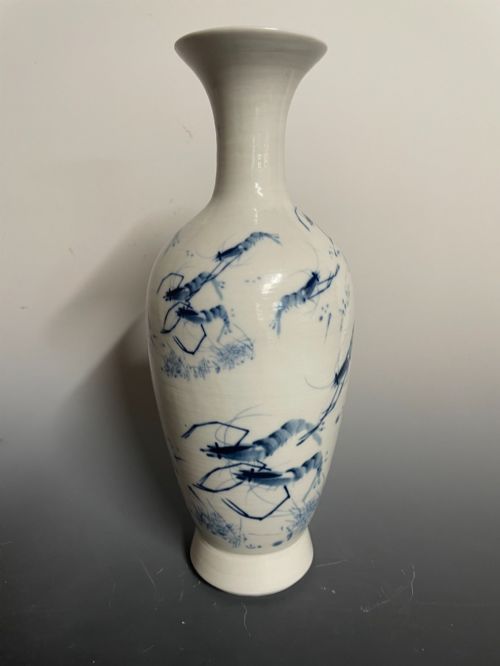
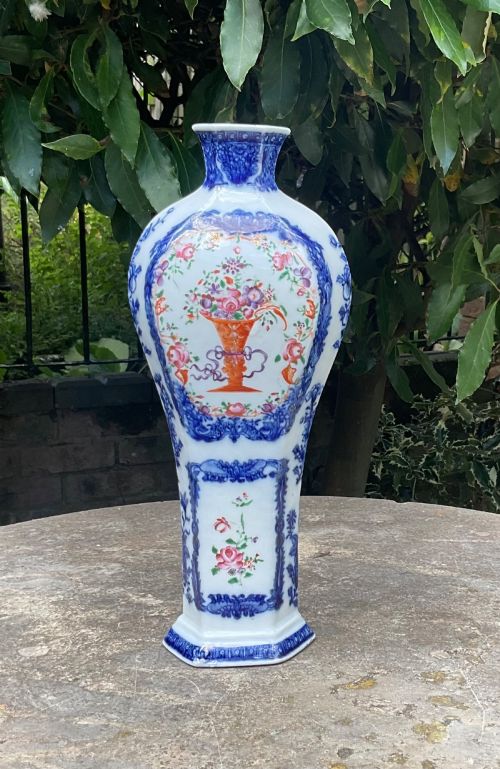
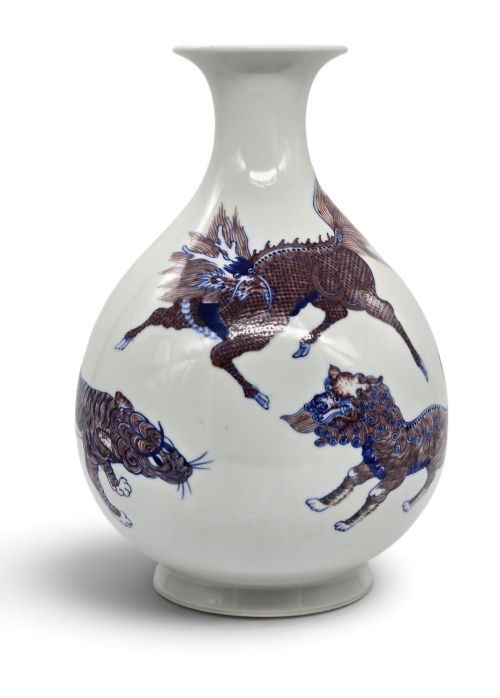
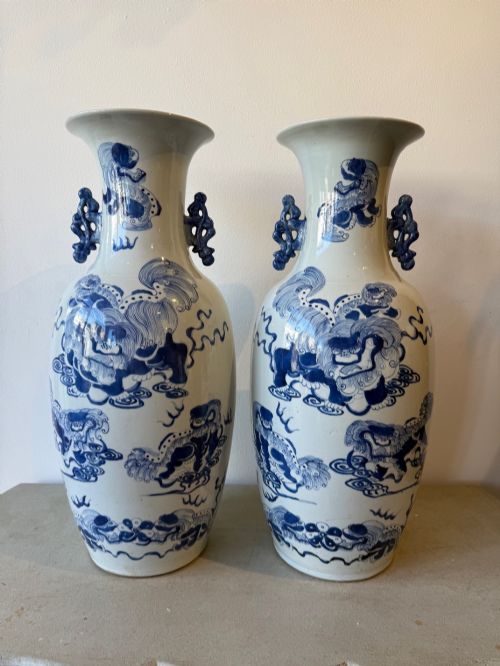
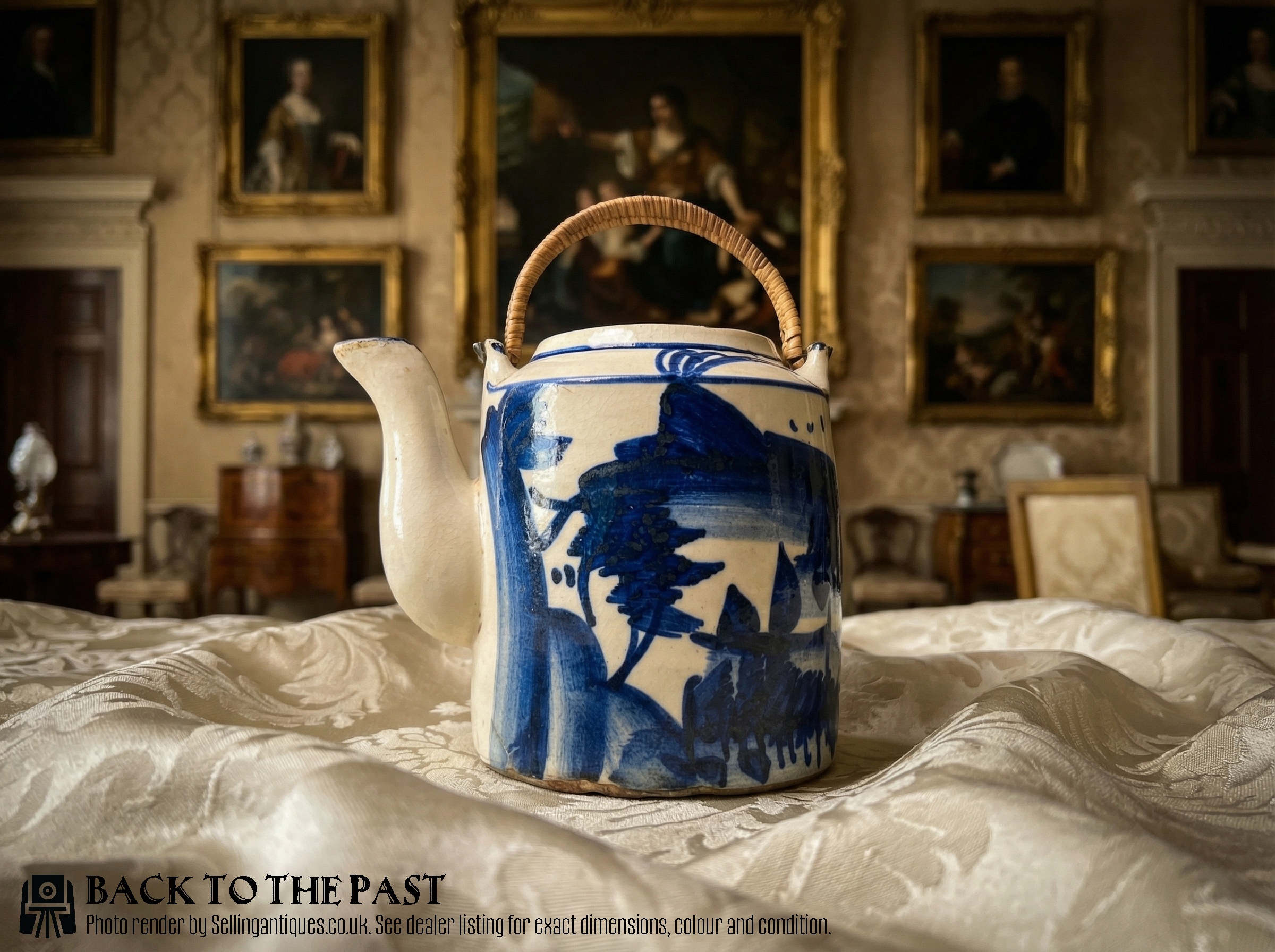
Oriental blue white pottery encompasses a range of decorative plates, chargers, teapots, and platters created across different Asian traditions. These pieces reflect historical craft practices from Qing Dynasty China, Japanese Edo and Meiji periods, and Vietnamese workshops.
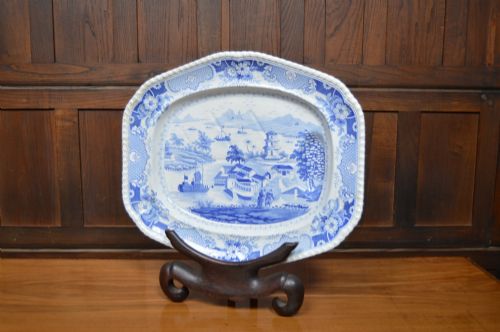
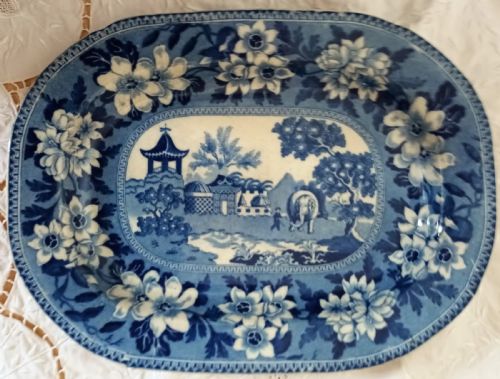
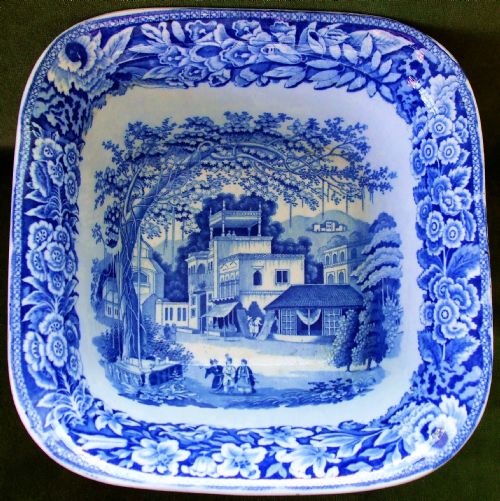
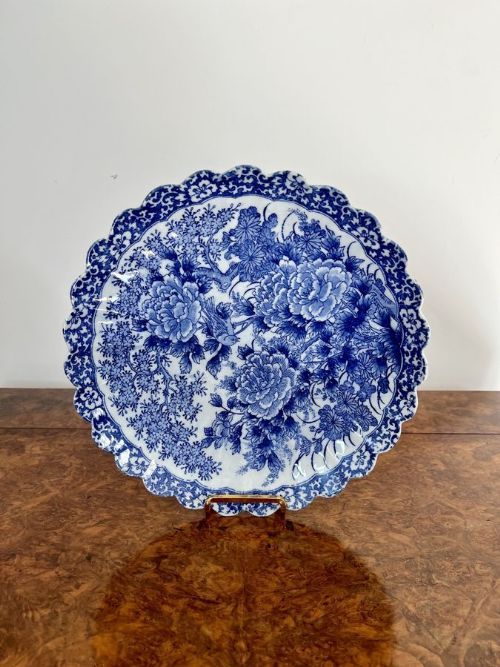
Buyers frequently encounter Japanese Imari plates and chargers dating around nineteen hundred, alongside nineteenth-century ceramic teapots and dishes. The selection also includes nineteenth-century English Georgian pottery plates featuring transfer-printed scenes influenced by eastern motifs.
Forms vary from large decorative chargers and scalloped plates to functional teapots and platters. Each piece showcases distinct regional decoration executed in cobalt pigment on a ceramic or porcelain body.
How oriental blue white pottery was made
Potters shaped these objects from ceramic, pottery, and fine porcelain bodies, forming plates, chargers, and teapots by hand or on the wheel. Cobalt pigment supplied the intense blue colour applied beneath the final glossy finish.
Glaze sealed the porous clay bodies during high-temperature kiln firing, producing a smooth, durable surface. Artisans then applied intricate cobalt glaze decoration by hand before the final glazing and firing process.
Retail Price Guide 2026
Typical UK retail prices for oriental blue white pottery, calculated from the Sellingantiques database of over a million retail prices indexed since 2003. This retail price guide relies exclusively on Sellingantiques data; no external sources or auction records are used, so the figures do not describe the wider market.
Materials documented across the pieces include porcelain, pottery, ceramic, and cane alongside cobalt glaze and pigment.
What varies in quality
Quality rests upon the precision of the cobalt pigment application and the clarity of the underlying glaze. Finer examples display deliberate brushwork and balanced composition across the surface of the plate or charger.
The refinement of the porcelain or ceramic body also marks the difference between standard production and superior execution. Thinner, more carefully potted forms demonstrate greater technical skill from the maker.
The Oriental Blue White Pottery Glossary
- Imari
- A style of Japanese ceramics originating in the Edo period, characterised by blue, iron red, and gilt decoration. Pieces often feature complex patterning across scalloped plates and chargers.
- Cobalt glaze
- A metallic oxide pigment used under or over the glaze to produce deep blue decoration on ceramics. It withstands high kiln temperatures without losing intensity.
- Charger
- A large decorative plate used historically for presentation or dining. These substantial pieces display elaborate painted designs across a wide surface.
- Transfer printing
- A technique for applying detailed patterns to pottery by engraving a design on a copper plate, printing it on tissue paper, and transferring it to the unglazed clay.
- Qing Dynasty
- The final imperial dynasty of China, lasting from sixteen forty-four to nineteen twelve. Ceramics from this era are noted for technical mastery in porcelain production.
Frequently Asked Questions
Are these plates meant for daily dining?
Most antique chargers, plates, and dishes serve primarily as decorative items rather than everyday tableware. Their age and historical glaze make them better suited for display.
Using them for dining risks surface wear to the nineteenth-century ceramic or porcelain bodies. Gentle handling preserves the integrity of the cobalt decoration.
How can I tell Japanese Imari from other styles?
Japanese Imari pottery typically combines deep cobalt blue with iron red and sometimes gilt accents. The patterns often cover the entire surface of plates and chargers with dense floral or geometric motifs.
By contrast, traditional Chinese or Vietnamese blue and white pieces rely strictly on blue pigment against a white ceramic ground. Examining the palette helps identify the specific regional origin.
What is the difference between porcelain and pottery?
Porcelain is a denser, vitrified ceramic fired at extremely high temperatures until the clay body becomes non-porous and translucent. It rings slightly when struck and resists staining.
Pottery uses coarser earthenware or stoneware clay bodies that remain more porous and opaque. Both materials receive cobalt glaze decoration but offer different weights and textures.