





Cobalt Blue Dish
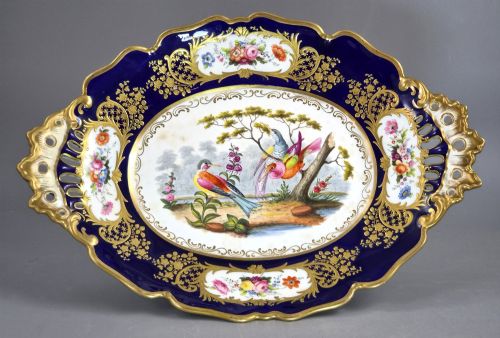
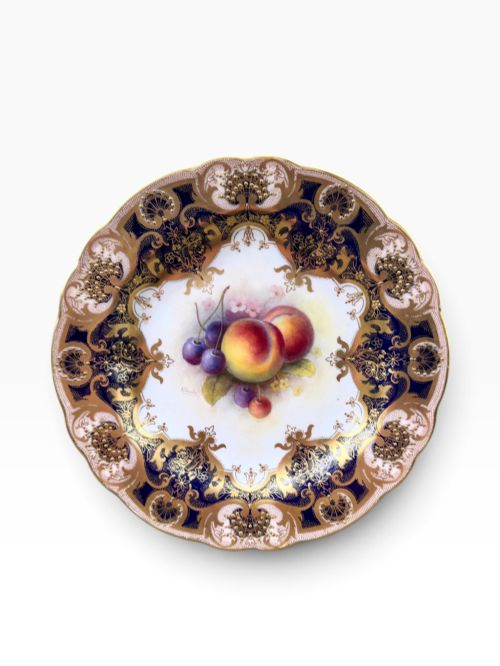
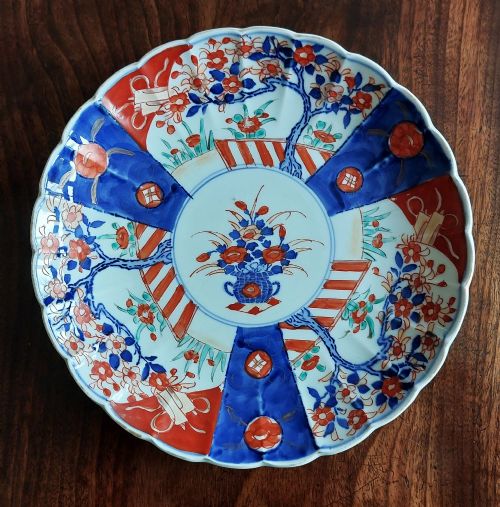
A cobalt blue dish brings deep cobalt tones and painted or glazed surfaces to a room, ranging from English porcelain to Japanese Imari.
Cobalt Blue Dish
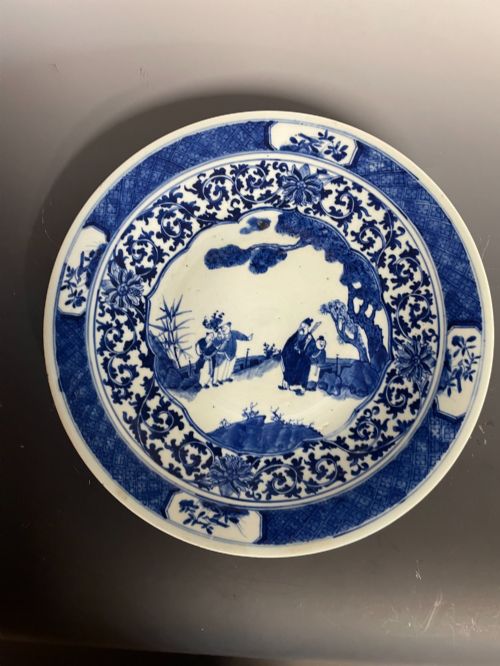
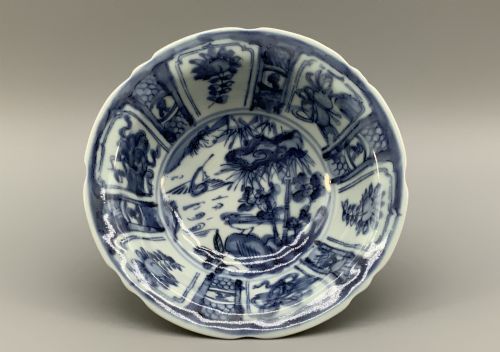
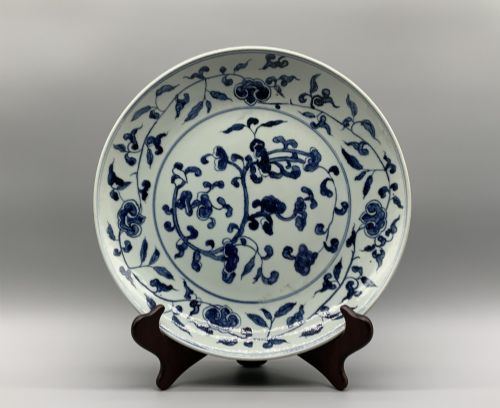
A cobalt blue dish encompasses various forms including decorative plates, cabinet plates, chargers, serving platters, and bowls created across multiple centuries. Buyers searching for a cobalt blue dish frequently encounter 18th-century Delft chargers, 19th-century Japanese Imari porcelain, and English porcelain plates.
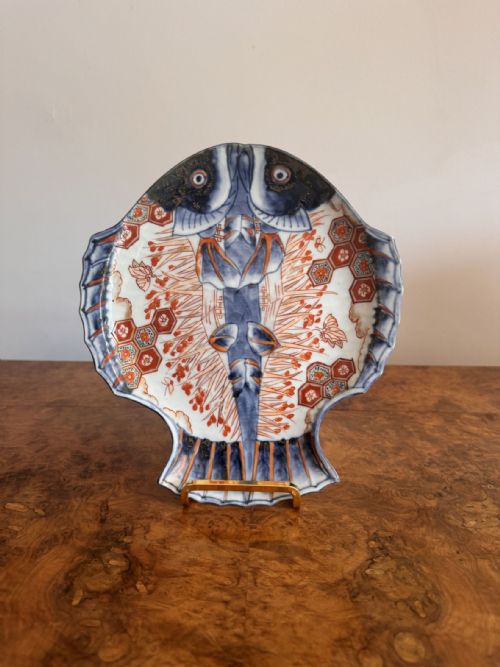
Origin points range from English potteries like Royal Worcester, Coalport, and Royal Crown Derby to continental Delft workshops and Japanese kilns. Scallop edges, fish forms, and lobed bowls appear alongside traditional round charger plates.
Quality and Execution
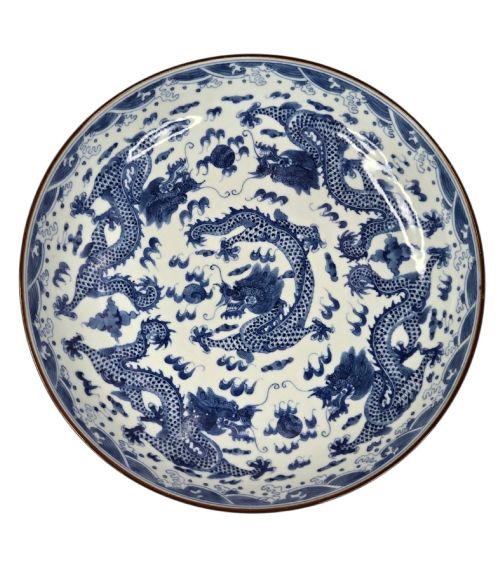
The precision and depth of the cobalt underglaze painting dictate visual success, distinguishing finely detailed hand-painted botanicals or dragons from simpler transfer work. Potter's control during high-temperature firing determines glaze consistency and the absence of pooling or blurring.
Moulding complexity, such as scalloped rims, fish shapes, and deep lobed bowls, separates standard production runs from exhibition-grade cabinet pieces. Artisanal brushwork and the careful application of gilding reflect the skill level of the maker.
Materials recur across multiple periods, with cobalt underglaze, tin glaze, gold leaf, and bone china appearing in various forms from plates to lidded dishes.
Royal Crown Derby·Royal Worcester·Coalport·Hicks and Meigh·Ridgway·Copeland
The Cobalt Blue Dish Glossary
- Cobalt Underglaze
- A blue metallic oxide pigment applied to pottery before glazing and high-temperature firing. This technique ensures the colour remains permanent and protected beneath the glassy surface layer.
- Charger
- A large decorative plate or platter. These items typically measure significantly more than standard dining plates and were used historically for service or display.
- Imari
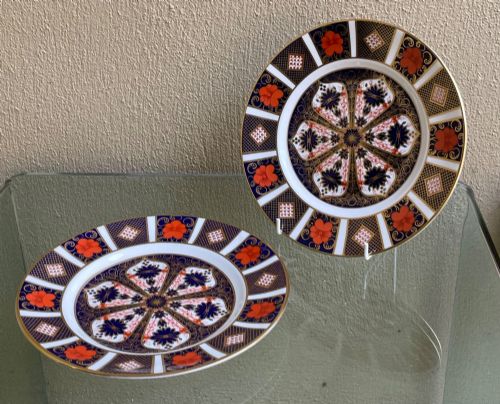
- A style of Japanese porcelain exported from Arita, characterised by a palette of cobalt blue and iron red with gold additions. The aesthetic proved highly influential on European ceramic factories.
- Delft
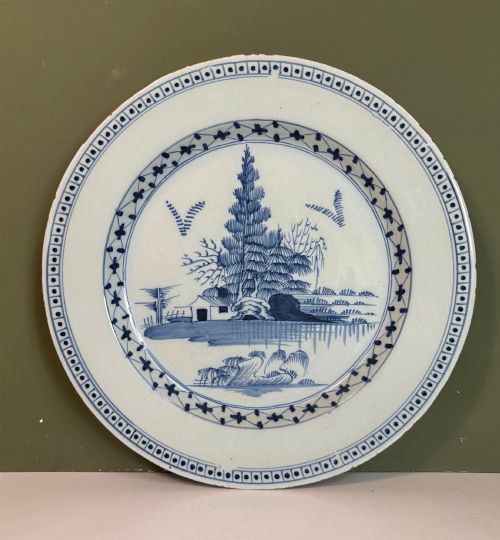
- Tin-glazed earthenware produced in Dutch and English workshops. The opaque white glaze provides a suitable ground for cobalt blue painting, often emulating Chinese export porcelain.
Cobalt Blue Dish: Frequently Asked Questions
How do I display a charger safely?
Large chargers require sturdy wall hangers with protective prongs or dedicated cabinet stands that support the heavy ceramic body. Position pieces away from direct sunlight to preserve the integrity of the surface glaze and any applied gilding.
Ensure the mounting hardware matches the weight of the specific earthenware or porcelain piece. Periodic checks of the wall fixings prevent accidental slips in high-traffic areas.
Are these dishes safe for food?
Antique porcelain and tin-glazed earthenware possess porous bodies and historical glazes that may contain lead or absorb residues. Modern dining use is generally discouraged in favour of decorative display.
Hand washing with mild soap and warm water is recommended for cleaning rather than immersion in automated dishwashers. Harsh detergents can damage delicate overglaze gilding and historical surfaces.
How do I distinguish Imari from Delft?
Japanese Imari relies on a dense palette combining cobalt blue, iron red, and gold leaf on hard porcelain bodies. Delft utilises tin-glazed earthenware featuring cobalt blue painting on an opaque white background without metallic gold highlights.
Examining the foot ring and unglazed clay body reveals the material difference between Asian porcelain and European earthenware. Weight and ring sound also help separate the two distinct traditions.
What is a cabinet plate?
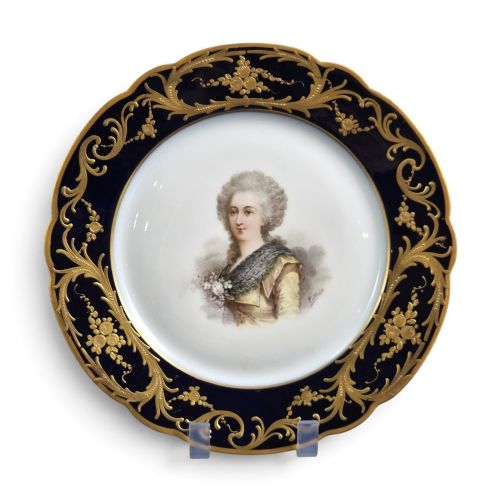
Cabinet plates are ornamental pieces created purely for display in vitrines or dining rooms rather than functional service. They often feature intricate hand-painted scenes by named artists.
Factories produced these items to showcase the technical skill of their painters and decorators. They typically exhibit superior gilding and artistic execution compared to standard tableware.