


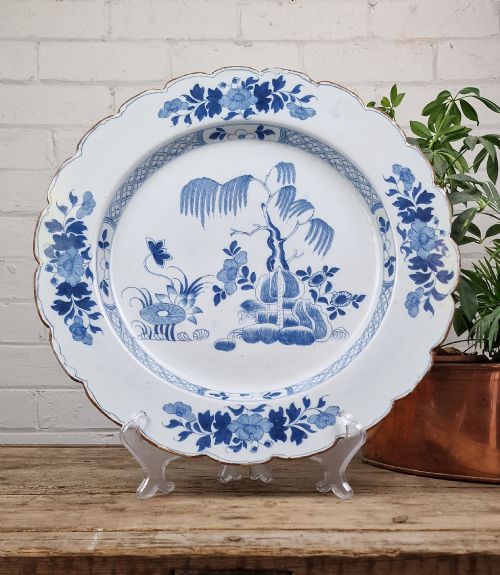


Chinoiserie Delftware Dish
These chinoiserie delftware dish examples bring bold tin-glazed earthenware into your home with lively hand-painted motifs.
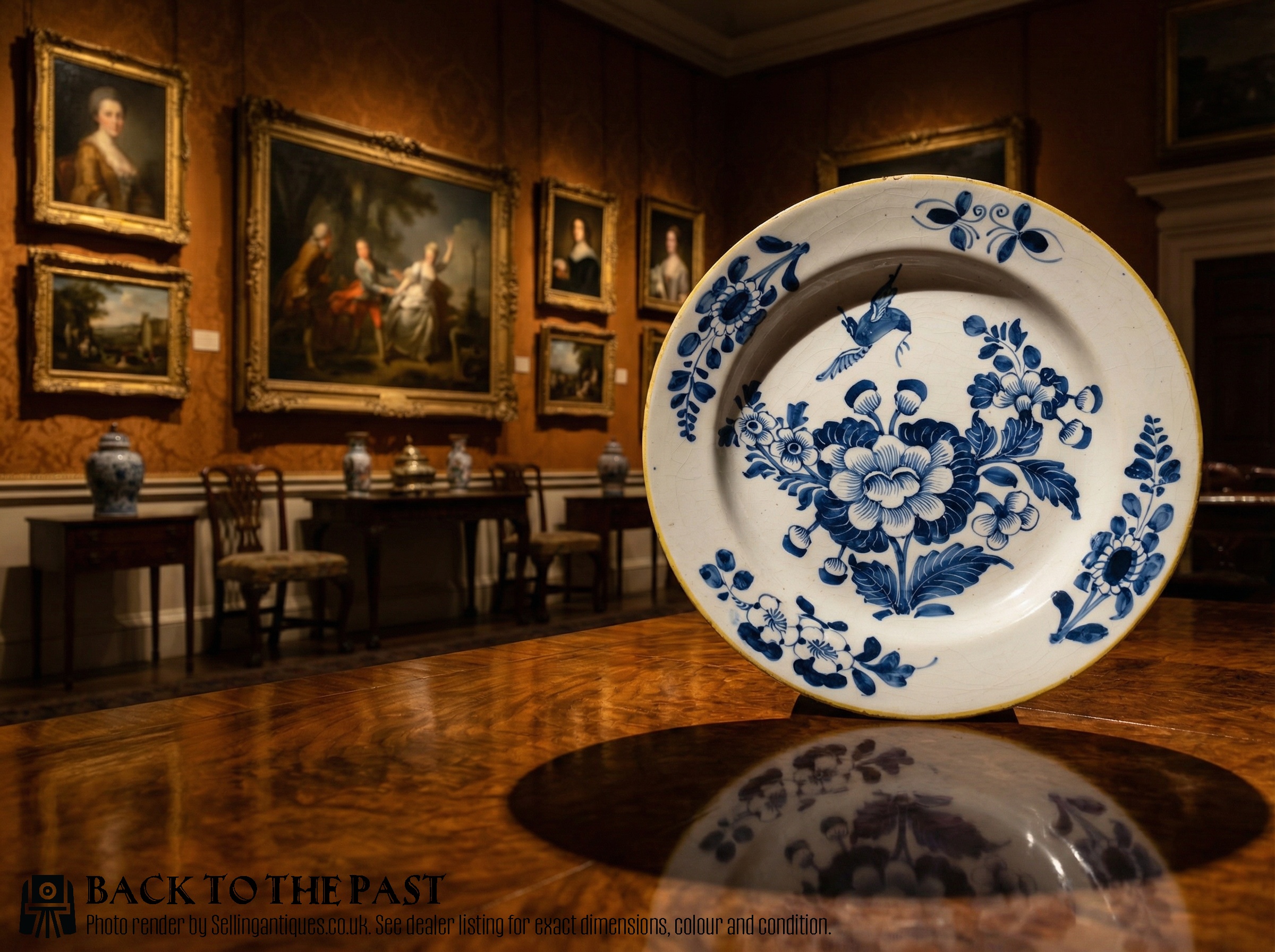
What They Are
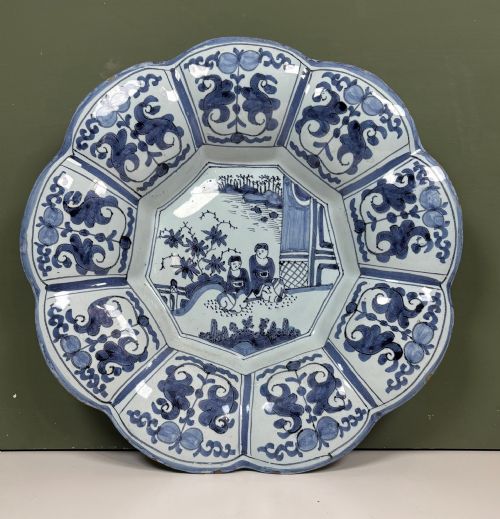
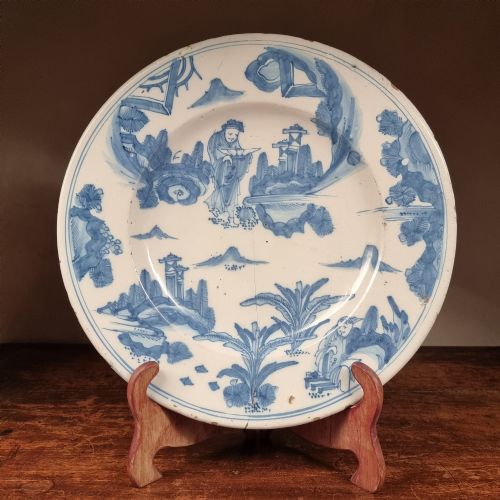
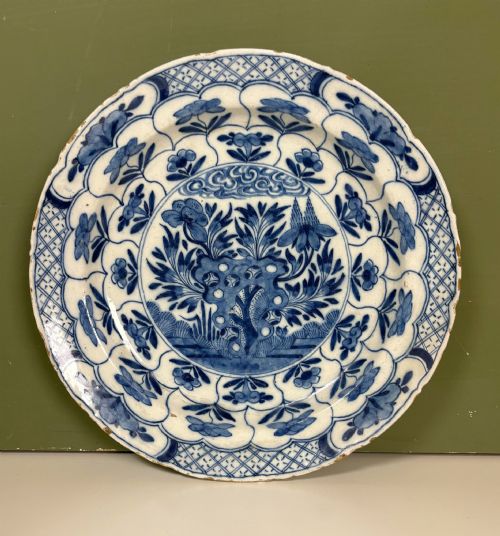
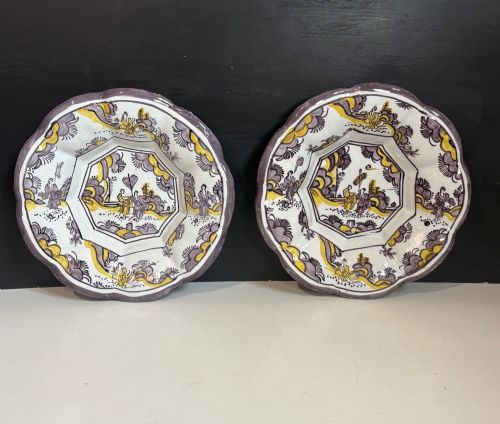
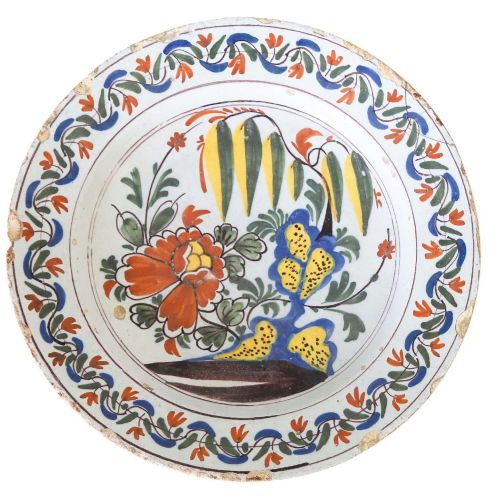
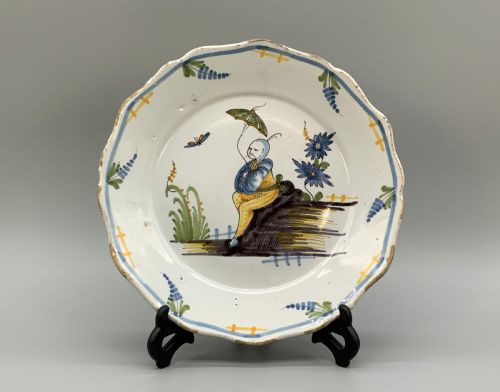
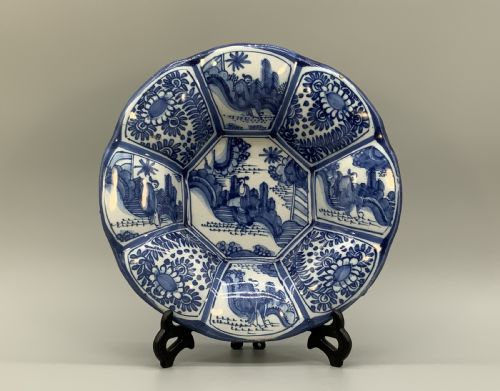
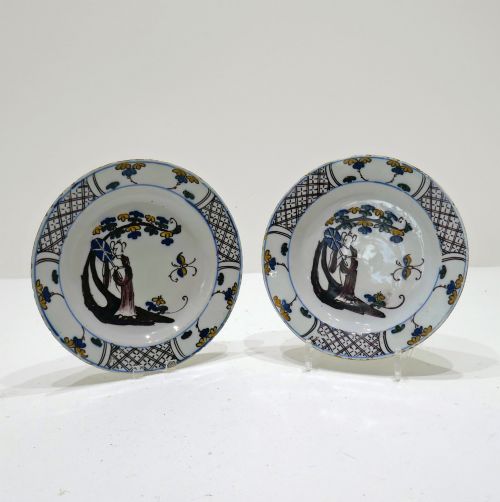
When you search for chinoiserie delftware dish pieces, you encounter tin-glazed earthenware vessels ranging from plates to large chargers and bowls. These items date primarily from the seventeenth and eighteenth centuries, with English Bristol and Dutch workshops supplying the dominant forms.
You are most likely to meet larger chargers and plates displaying Georgian and Dutch Delftware characteristics. The inventory reflects a spread across the seventeenth century and the eighteenth century, including specific dates around seventeen-seventy and seventeen-fifty.
The forms function primarily as decorative plates and decorative dishes rather than everyday utilityware. Their visual impact derives from European interpretations of eastern motifs executed on porous ceramic bodies.
How They Were Made
Potters shaped these objects from earthen clays before applying an opaque white tin glaze that created a smooth canvas for decoration. Artisans then painted directly onto this absorbent unfired glaze using cobalt pigment.
The firing process fused the metallic oxide into the liquid glaze, yielding distinctive blue-and-white motifs. This technique required immense skill from the painter, as any brush hesitation immediately absorbed permanently into the porous surface.
Retail Price Guide 2026
Typical UK retail prices for chinoiserie delftware dish, calculated from the Sellingantiques database of over a million retail prices indexed since 2003. This retail price guide relies exclusively on Sellingantiques data; no external sources or auction records are used, so the figures do not describe the wider market.
Eighteenth-century painters occasionally signed their brushstrokes with hidden flourishes, leaving tiny personal marks within the swirling foliage.
What Varies in Quality
The sophistication of the cobalt painting separates standard production from superior pieces. Crisp brushwork and confident linework indicate a master hand at the potter's wheel and easel.
Scale and ambition dictate distinction within the category, with broad chargers commanding greater visual presence than modest plates. The purity of the white tin glaze and the depth of the cobalt pigment further define the upper tier of execution.
The Chinoiserie Delftware Dish Glossary
- Tin glaze
- An opaque white ceramic glaze containing tin oxide that provides the characteristic pale ground for painted decoration. This mixture turns glossy and white during the kiln firing.
- Charger
- A large decorative plate or dish intended for display on a sideboard or wall rather than for dining. These substantial pieces showcase the artist's full compositional range.
- Earthenware
- Porous pottery fired at lower temperatures than stoneware or porcelain. It forms the essential ceramic body underneath the tin-glazed surface.
- Cobalt pigment
- A metallic oxide colourant used to achieve the deep blue tones found across these wares. It withstands high kiln temperatures without losing its chromatic intensity.
Frequently Asked Questions
How old is my delft dish?
Dating relies on stylistic shifts in form, glaze chemistry, and the nuances of the cobalt painting.
Items in this category span the seventeenth and eighteenth centuries, with specific examples recorded from seventeen-fifty and seventeen-seventy.
Where were these pieces made?
Production centres include English kilns, notably in Bristol, alongside major manufacturing hubs in the Netherlands.
Dutch and English makers developed distinct interpretations of tin-glazed earthenware during the baroque and Georgian periods.
How should I display a charger?
Large chargers suit wall mounting using specialised plate hangers or secure placement on sturdy display stands.
Keep them away from direct sunlight and areas prone to heavy temperature fluctuations to protect the glaze.
What is tin glaze?
Tin glaze is an opaque white coating applied to porous ceramic bodies before the final kiln firing.
It seals the earthenware while creating a smooth, absorbent surface ideal for hand-painted cobalt decoration.