

18th Century Delft Plate
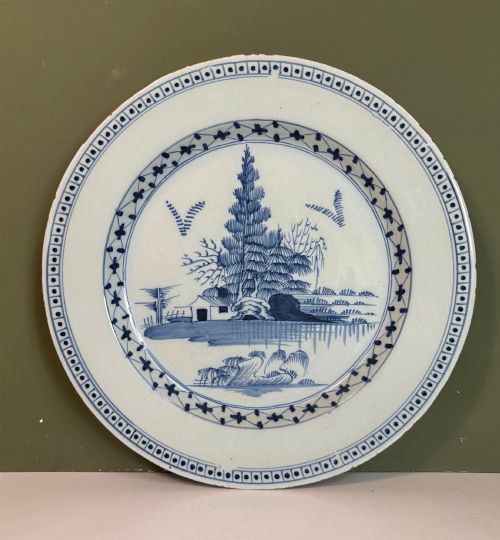
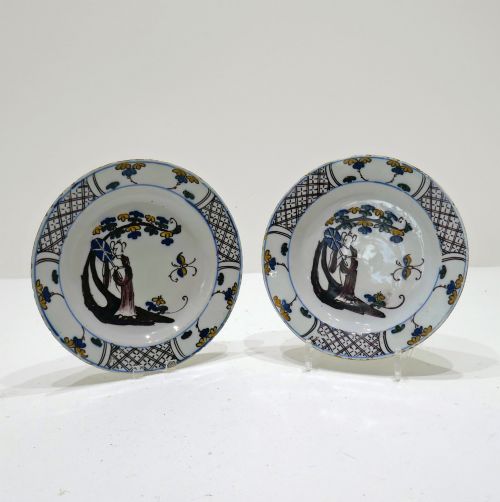
An 18th century delft plate brings tin-glazed earthenware into domestic spaces through painted cobalt pigment and polychrome designs.

18th Century Delft Plate
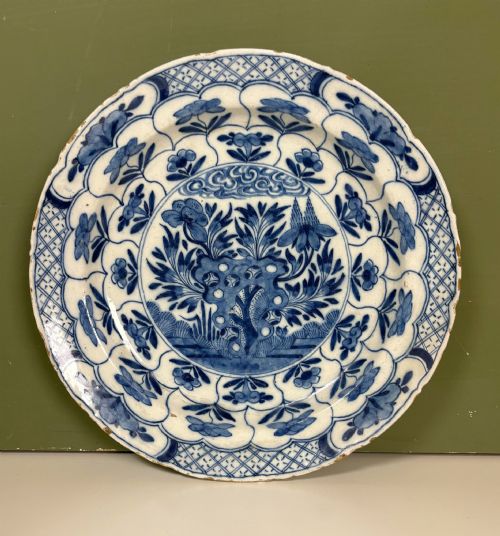
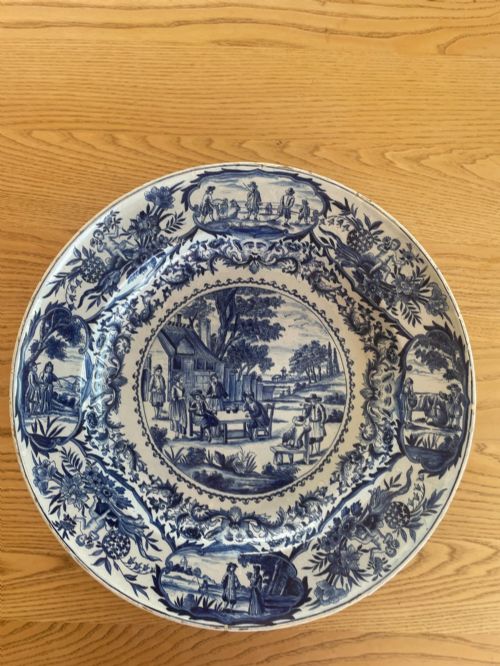
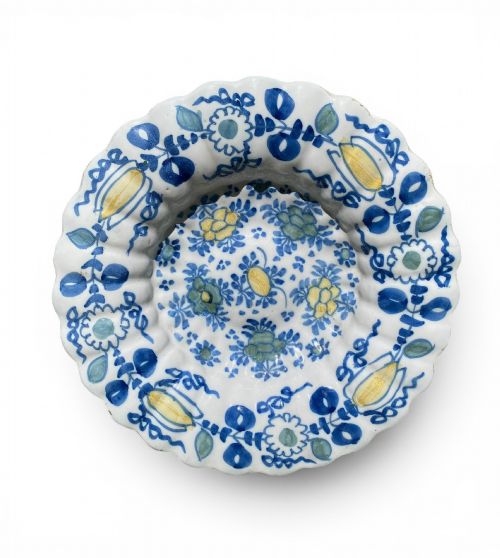
An 18th century delft plate typically presents as a circular ceramic dish, shallow bowl, or large charger meant for display or serving.
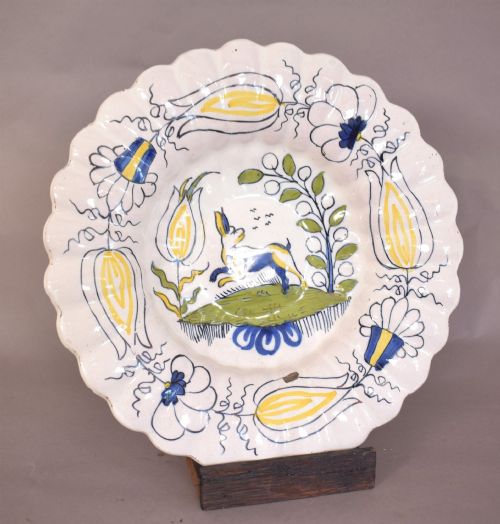
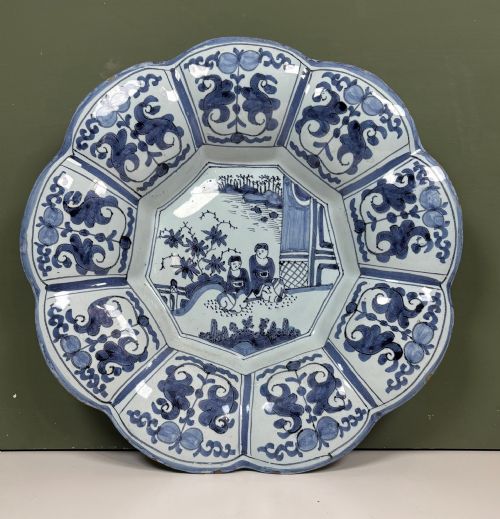
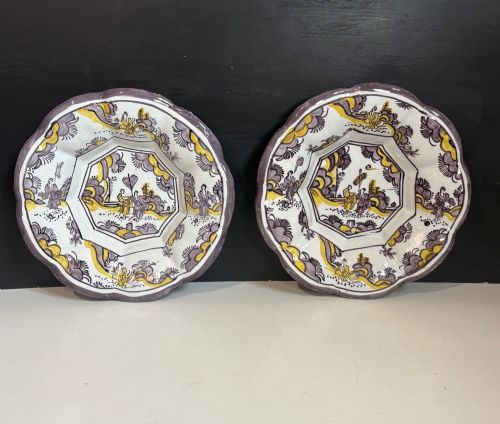
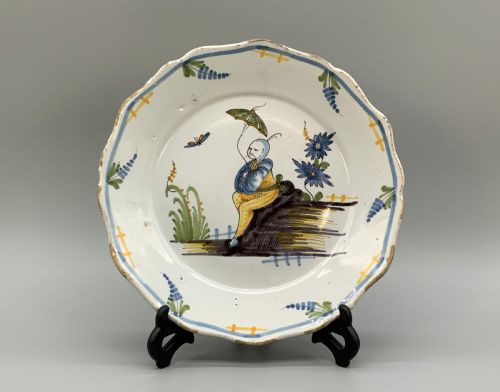
The objects stem from English, Dutch, French, and Spanish potteries, frequently featuring blue and white scenes, Chinoiserie motifs, or floral patterns.
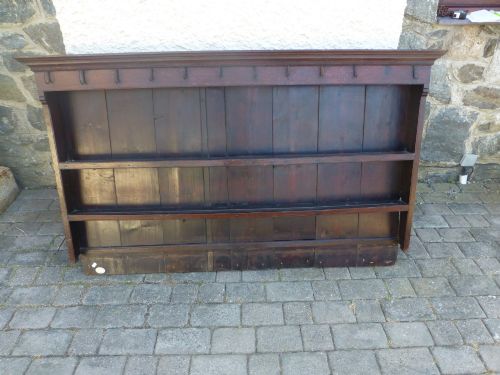
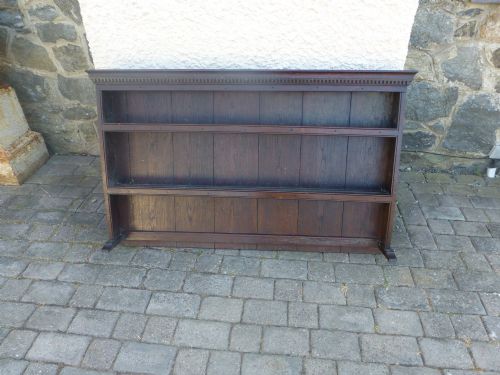
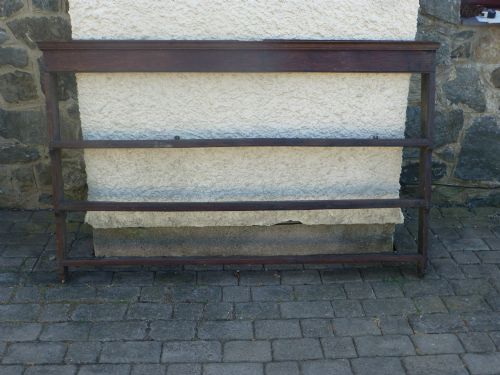
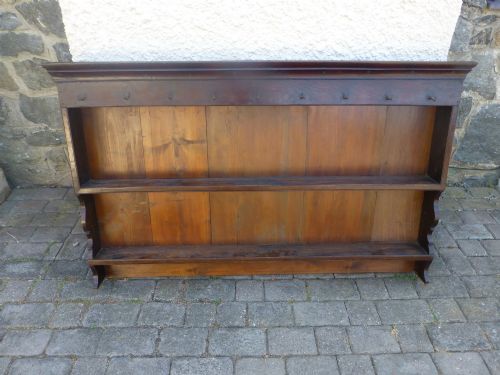
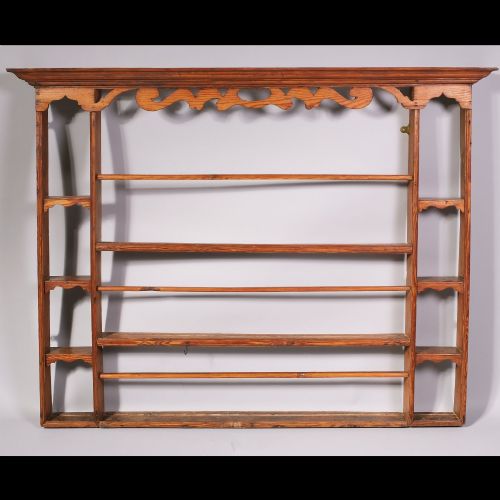
Buyers encounter individual plates, pairs, and marriage pieces alongside related oak or pine dresser racks designed to hold them.
Materials and Technique
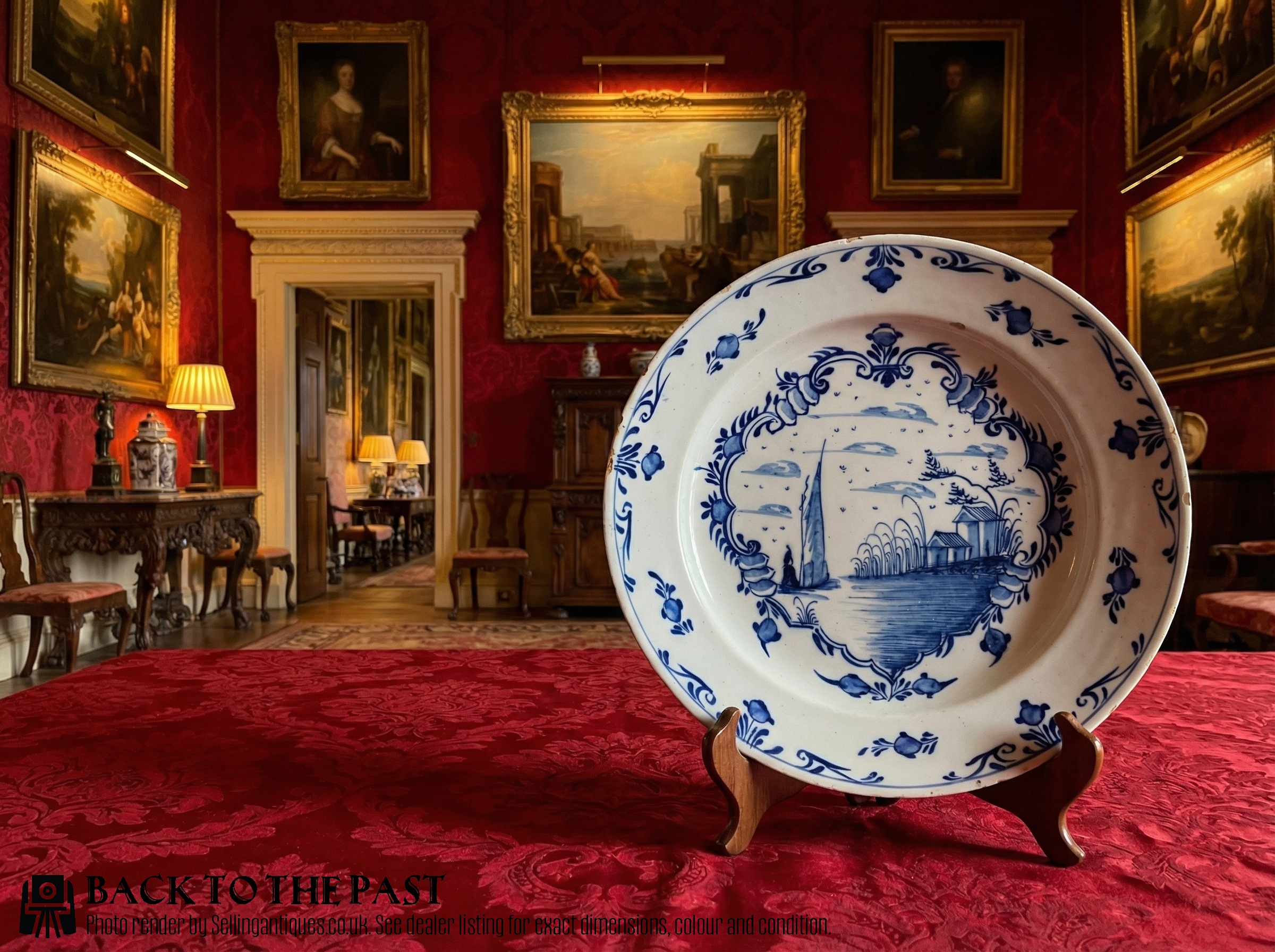
Potters shaped local earthenware clay before applying a tin glaze that provided an opaque white surface for hand painting.
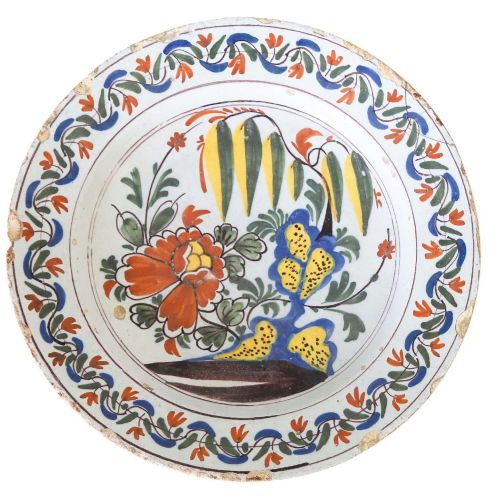
Decorators utilised cobalt oxide and metallic pigments for manganese, yellow, and polychrome brushwork, often fired under high heat known as grand feu.
18th Century Delft Plate Retail Price Guide 2026
Typical asking prices for 18th century delft plate among the pieces listed under this phrase on Sellingantiques today, from the lower quarter to the upper quarter. They describe what is for sale here now, not the wider market.
Listings feature tin-glazed earthenware ceramics alongside oak and pine dresser racks from the seventeenth and eighteenth centuries.
Quality and Execution
Execution depends on the clarity of the hand-painted brushwork, ranging from loose floral sprays to intricate oriental garden scenes and figures.
The stability of the tin glaze, control over kiln firing pigments, and the crispness of cobalt or polychrome details separate standard kitchenware from finer decorative chargers.
The 18th Century Delft Plate Glossary
- Tin-Glazed Earthenware
- Earthenware pottery coated with a lead glaze made opaque by the addition of tin oxide. This white surface served as a canvas for painted decoration.
- Charger
- A large decorative plate utilised for display on walls or dressers rather than daily dining. These substantial dishes often display the most ambitious painted scenes.
- Chinoiserie
- A European artistic style reflecting Chinese motifs and imaginary oriental landscapes. Painters applied these patterns to plates using blue and white or polychrome pigments.
- Polychrome
- Decoration employing multiple colours beyond standard blue and white. Manganese, yellow, and green pigments frequently appear on these earthenwares.
- Grand Feu
- A high-temperature kiln firing technique used for ceramics. This process fused the pigments directly into the raw glaze.
18th Century Delft Plate: Frequently Asked Questions
How were delft plates used?
These tin-glazed dishes served both practical dining functions and decorative display in period homes.
Larger chargers and plates were often arranged on wooden dresser racks to showcase painted floral or pictorial scenes.
Are these plates English or Dutch?
Both origins appear frequently, with production centres located across England and the Netherlands.
English potteries in Bristol and Lambeth alongside Dutch workshops produced distinctive blue and white and polychrome wares.
What is a marriage plate?
A marriage plate is a commemorative ceramic piece created to mark a wedding or union.
These special commissions typically feature names, dates, or symbolic motifs painted alongside standard decorative elements.