



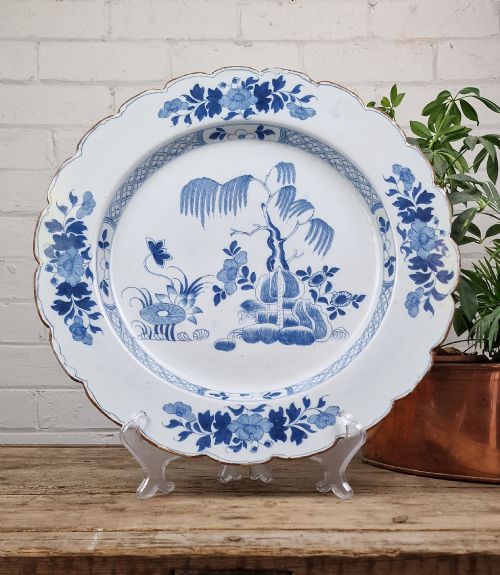
Hand Painted Delft Charger
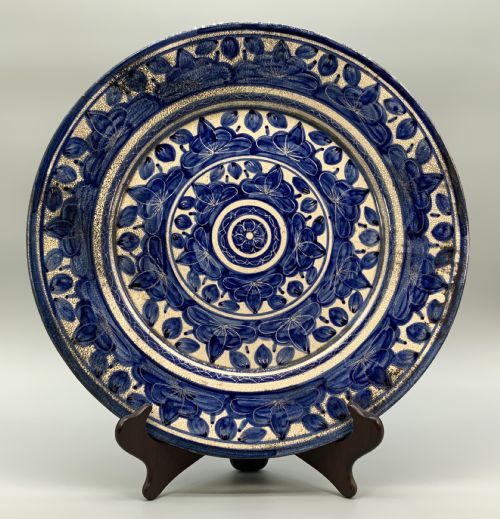
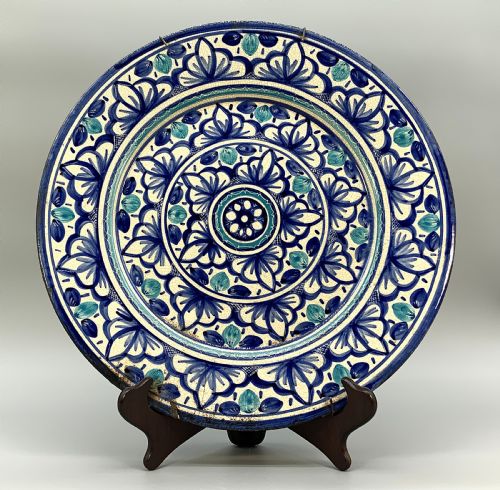
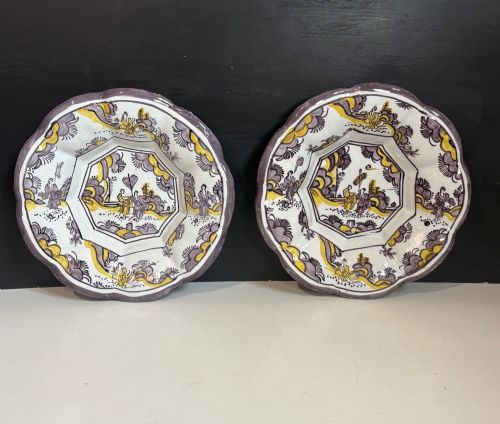
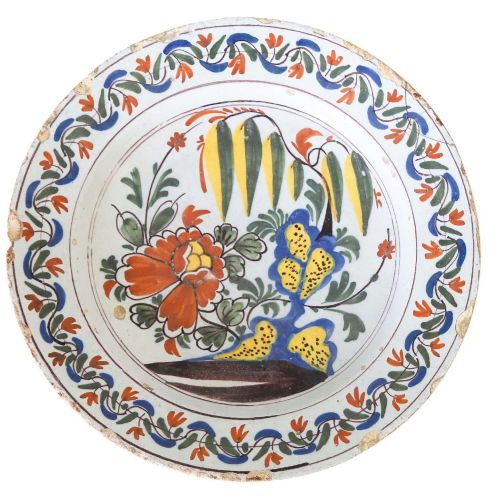
A hand painted delft charger is a tin-glazed earthenware wall plate offering bold cobalt pigment and polychrome decoration for the collector.
What They Are
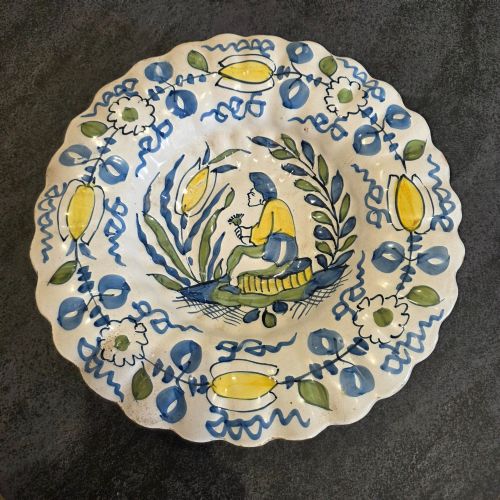
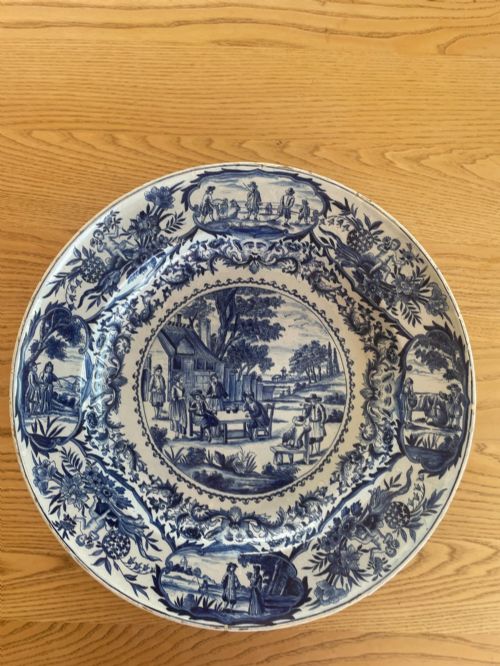
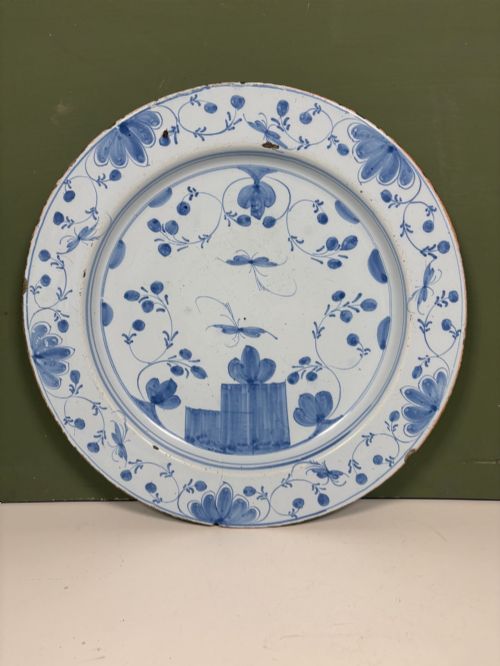
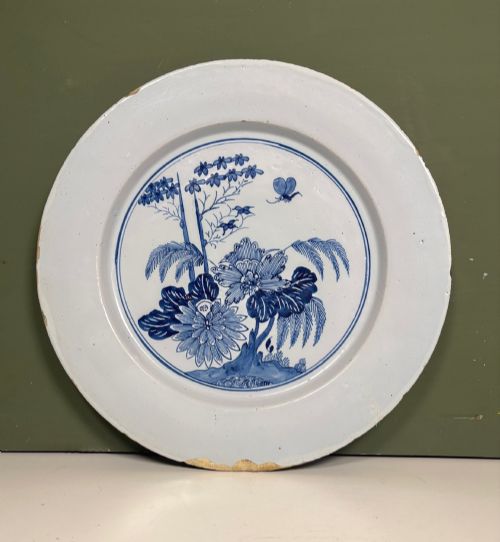
A hand painted delft charger is a large decorative plate designed for display, originating primarily from Dutch and English potteries during the eighteenth century. These substantial earthenware vessels present broad surfaces suited to pictorial scenes, floral arrangements, and geometric motifs rendered in blue or multi-coloured palettes.
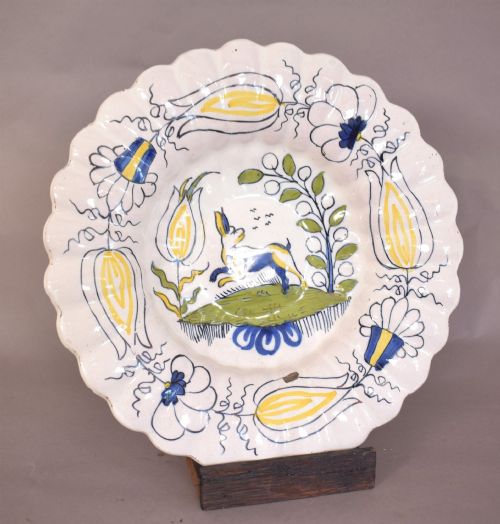
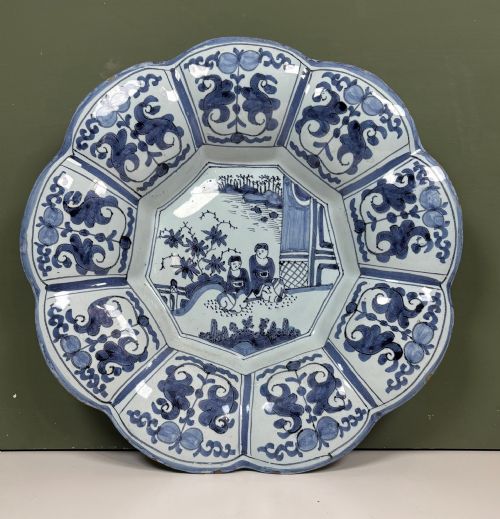
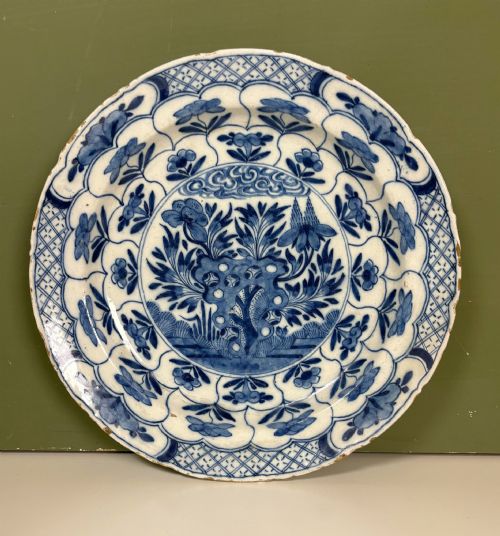
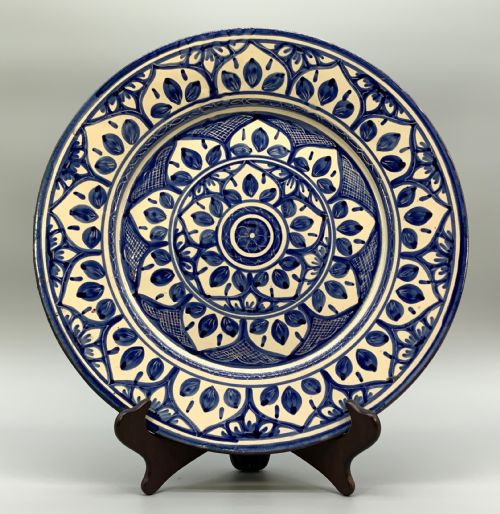
The pieces on this page span the eighteenth century and around eighteen hundred, encompassing both English production from centres such as Bristol and Dutch works influenced by Dutch Baroque style. Collectors encounter forms designated as decorative plates, wall chargers, and chargers that survive from the Georgian period.
Such chargers demonstrate the historic reach of tin-glazed earthenware production, bridging domestic utility and visual display. Their presence in collections reflects centuries of preservation by owners who valued their painted surfaces above routine dining use.
How They Were Made
Potters shaped local clay into large earthenware bodies before applying an opaque tin glaze that created a smooth, white canvas for painters. This absorbent surface required swift brushwork from artisans applying cobalt pigment and polychrome colours directly onto the unfired glaze.
The chemistry of tin-glazed earthenware demanded careful kiln firing to fuse the metallic oxides with the glaze layer. Artisans controlled kiln temperatures to achieve the characteristic depth of the cobalt pigment and the fixed brilliance of the polychrome palette across the charger face.
Retail Price Guide 2026
Typical UK retail prices for hand painted delft charger, calculated from the Sellingantiques database of over a million retail prices indexed since 2003. This retail price guide relies exclusively on Sellingantiques data; no external sources or auction records are used, so the figures do not describe the wider market.
Current listings feature tin-glazed earthenware chargers from the eighteenth century, including specific works attributed to Bristol and Dutch workshops.
What Varies in Quality
The distinction between ordinary and exceptional chargers lies in the confidence of the brushwork and the clarity of the painted composition across the tin glaze. Superior examples display spirited, fluid execution in cobalt pigment or polychrome schemes, whereas lesser pieces exhibit rigid or hesitant lines.
Glaze coverage and firing success further separate tiers of quality, with finer surfaces maintaining an even, luminous white ground that enhances the painted motifs. The ambition of the subject matter, from simple floral arrangements to complex pictorial scenes, marks the hand of a more accomplished painter.
The Hand Painted Delft Charger Glossary
- Charger
- A large decorative plate intended primarily for wall display rather than table service. These substantial earthenware vessels measure significantly wider than standard dining plates.
- Tin-glazed earthenware
- Pottery coated with a lead glaze made opaque by the addition of tin oxide, providing a white surface for painted decoration. This technique forms the technical basis for all delftware production.
- Cobalt pigment
- A metallic colorant used under the glaze to produce deep blue painting. It remains stable at high kiln temperatures and defines the classic delft aesthetic.
- Polychrome
- Decoration employing multiple colours rather than a single pigment. In eighteenth-century pieces, this typically includes yellows, greens, oranges, and manganes alongside blue.
- Dutch Baroque
- An artistic style characterising seventeenth and eighteenth-century Low Countries design. It influences the robust forms and theatrical motifs seen on continental delft chargers.
Frequently Asked Questions
What is a delft charger?
A delft charger is a large tin-glazed earthenware plate created for decorative display rather than daily dining. These pieces feature hand-painted designs executed in cobalt pigment or polychrome colours.
Potters produced them in both English and Dutch workshops during the eighteenth century. Their broad surfaces made them ideal for hanging on walls in domestic interiors.
How do I hang a charger?
Displaying a charger safely requires a specialised wall hanger designed to distribute weight evenly across the ceramic rim. Spring-loaded brass wires or coated metal clips secure the piece without applying undue pressure to the earthenware body.
Collectors should ensure the mounting fixture anchors securely into wall studs or uses appropriate masonry fixings. This prevents accidental displacement of heavy eighteenth-century wall chargers.
Are these plates for dining?
These pieces function as decorative wall chargers rather than tableware for serving food. The soft tin-glazed earthenware surface is vulnerable to cutlery scratching and acidic foods.
Historic examples survive precisely because previous owners treated them as display objects. Preserving the hand-painted glaze requires keeping them away from active dining use.
How old are these chargers?
The chargers on this page date from the eighteenth century, encompassing English and Dutch examples from the Georgian era. Makers utilised traditional clay bodies and tin-glaze techniques characteristic of that period.
Stylistic markers such as palette choices, brushwork execution, and rim profiles help experts determine their approximate age and origin. Each piece carries the material evidence of its eighteenth-century manufacture.