


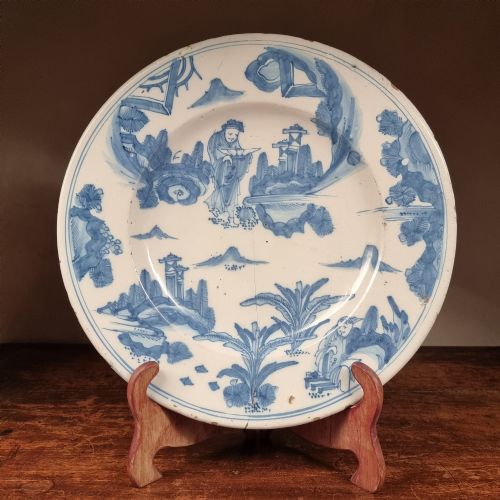
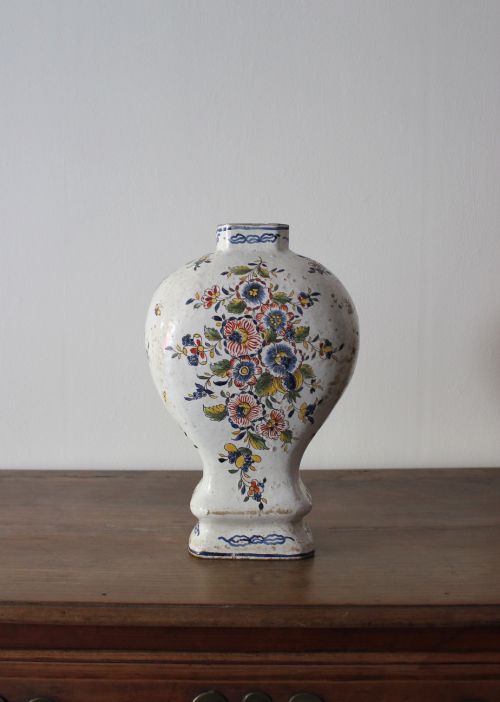
Antique Tin Glazed Pottery
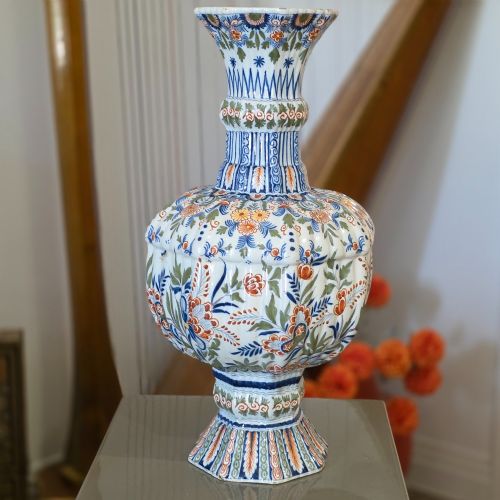
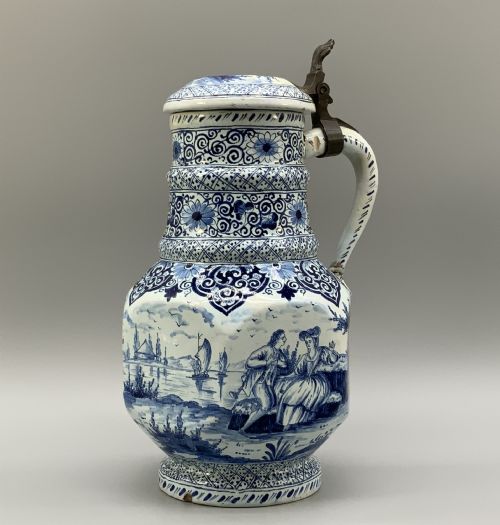
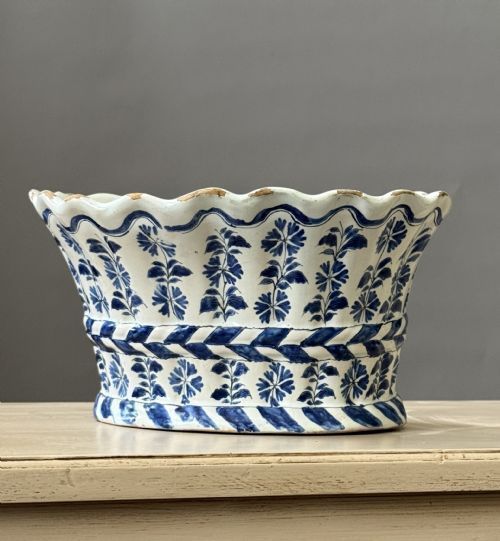
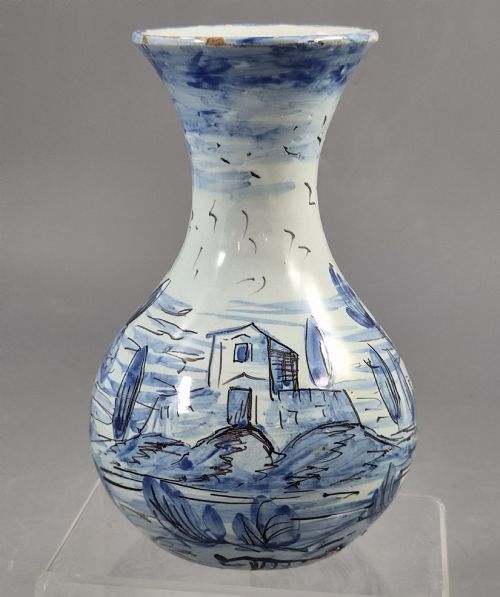
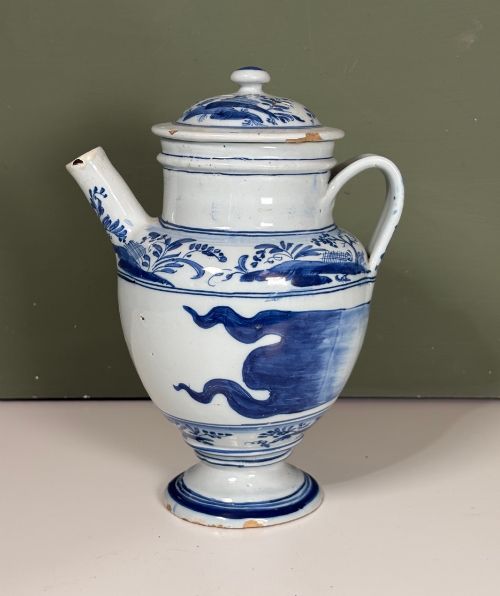
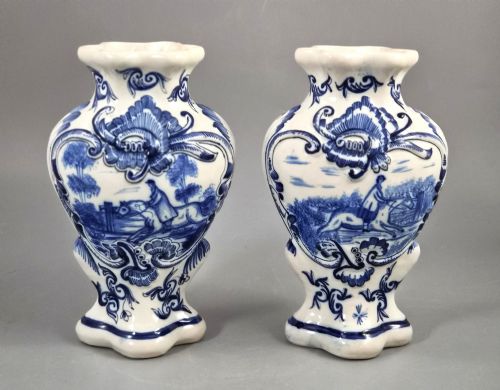
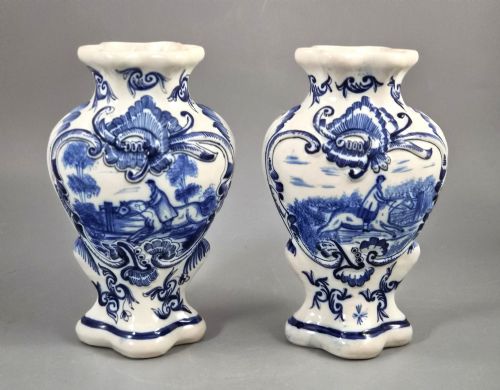
Antique tin glazed pottery brings together centuries of European ceramic craft, spanning robust chargers, intricate vases and apothecary jars decorated in striking blue and white.
Antique Tin Glazed Pottery
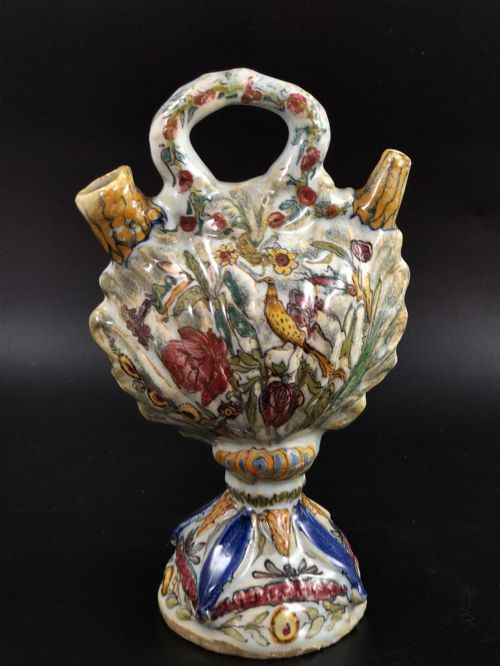
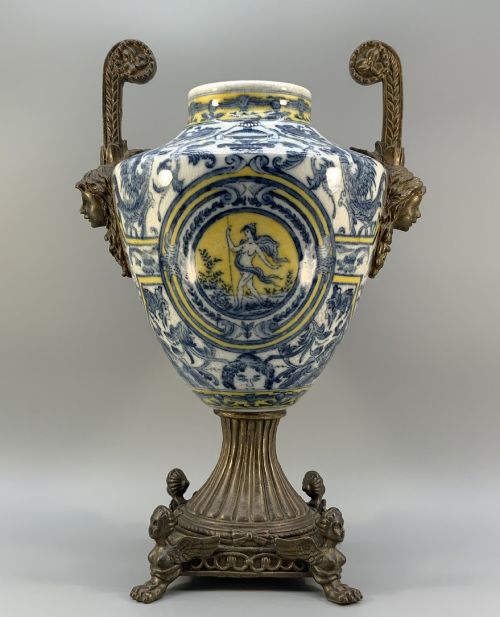
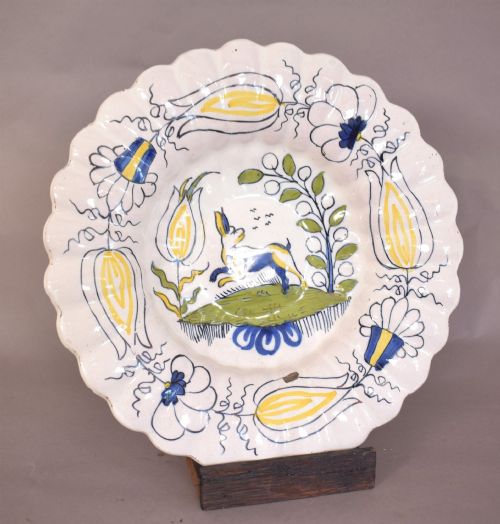
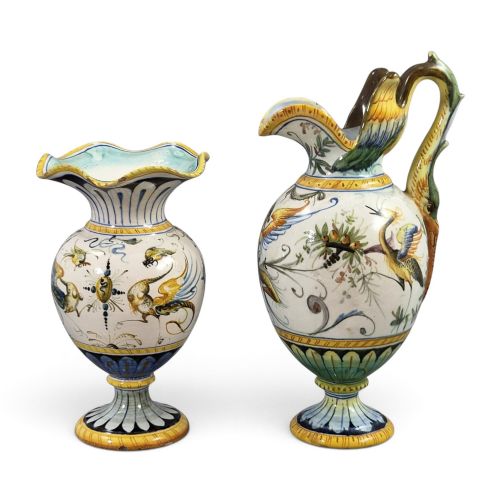
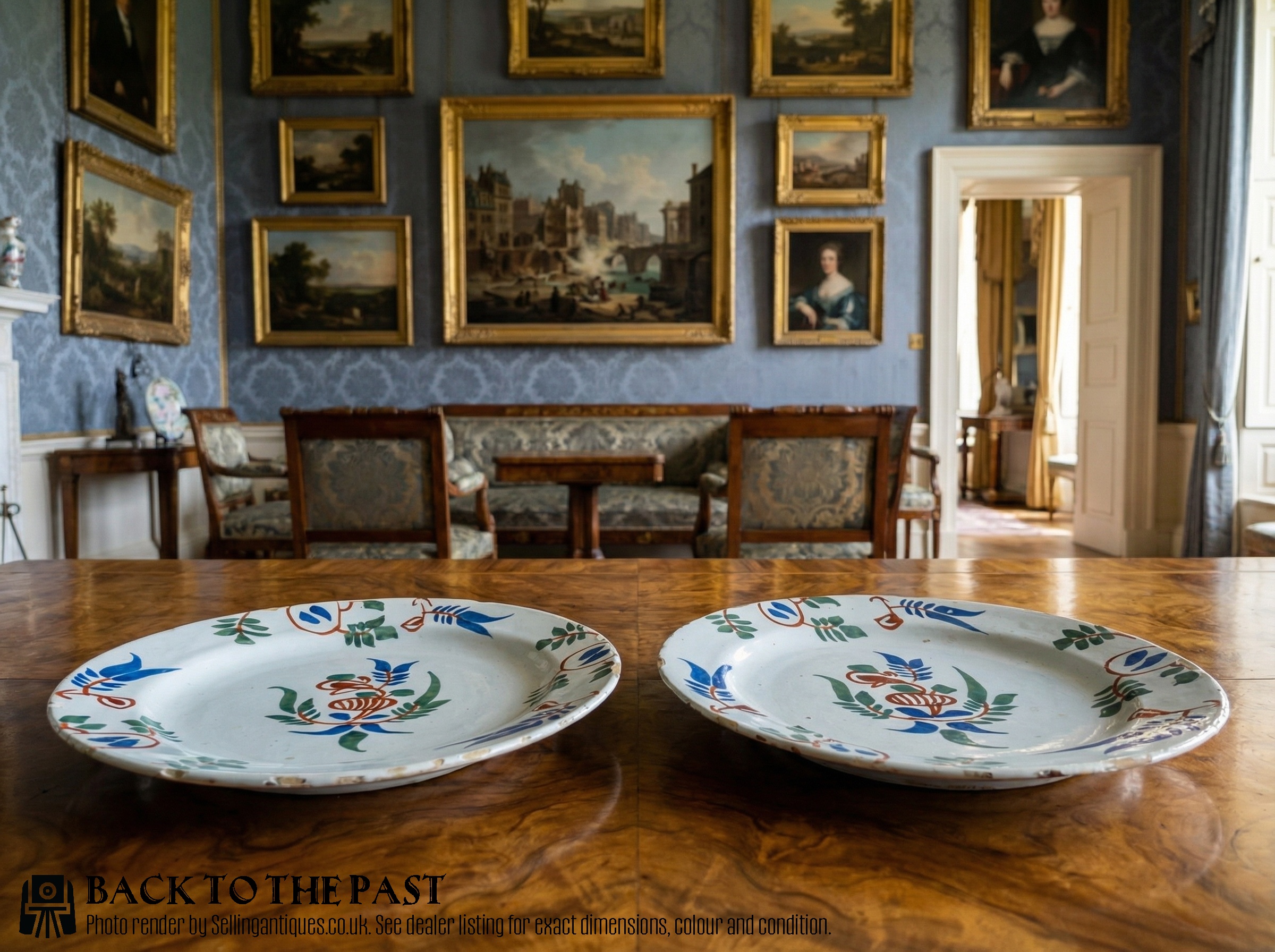
When you search for antique tin glazed pottery, you encounter a diverse range of historic vessels originating from English, Dutch, French and Italian workshops. The selection on this page leans heavily toward eighteenth-century Dutch Delftware chargers and plates, alongside nineteenth-century French faience and Italian majolica pieces.
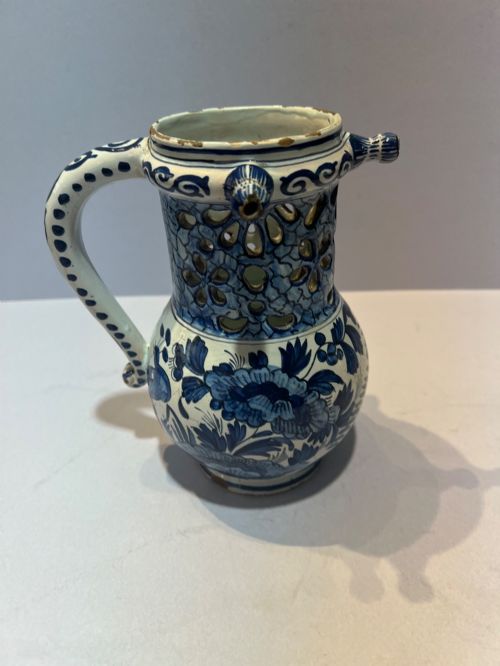
Domestic and decorative forms dominate the selection, including lidded vases, pharmacy jars, posset pots, puzzle jugs and wall plates. You will regularly find chargers and dishes intended for display, alongside utilitarian items such as apothecary jars and barber's bowls.
The periods represented stretch from the seventeenth century through to the early twentieth century, showing sustained production across European ceramic centres. Dutch Delftware from the seventeen-hundreds appears frequently, sitting alongside Renaissance Revival pieces from later decades.
Materials and Technique
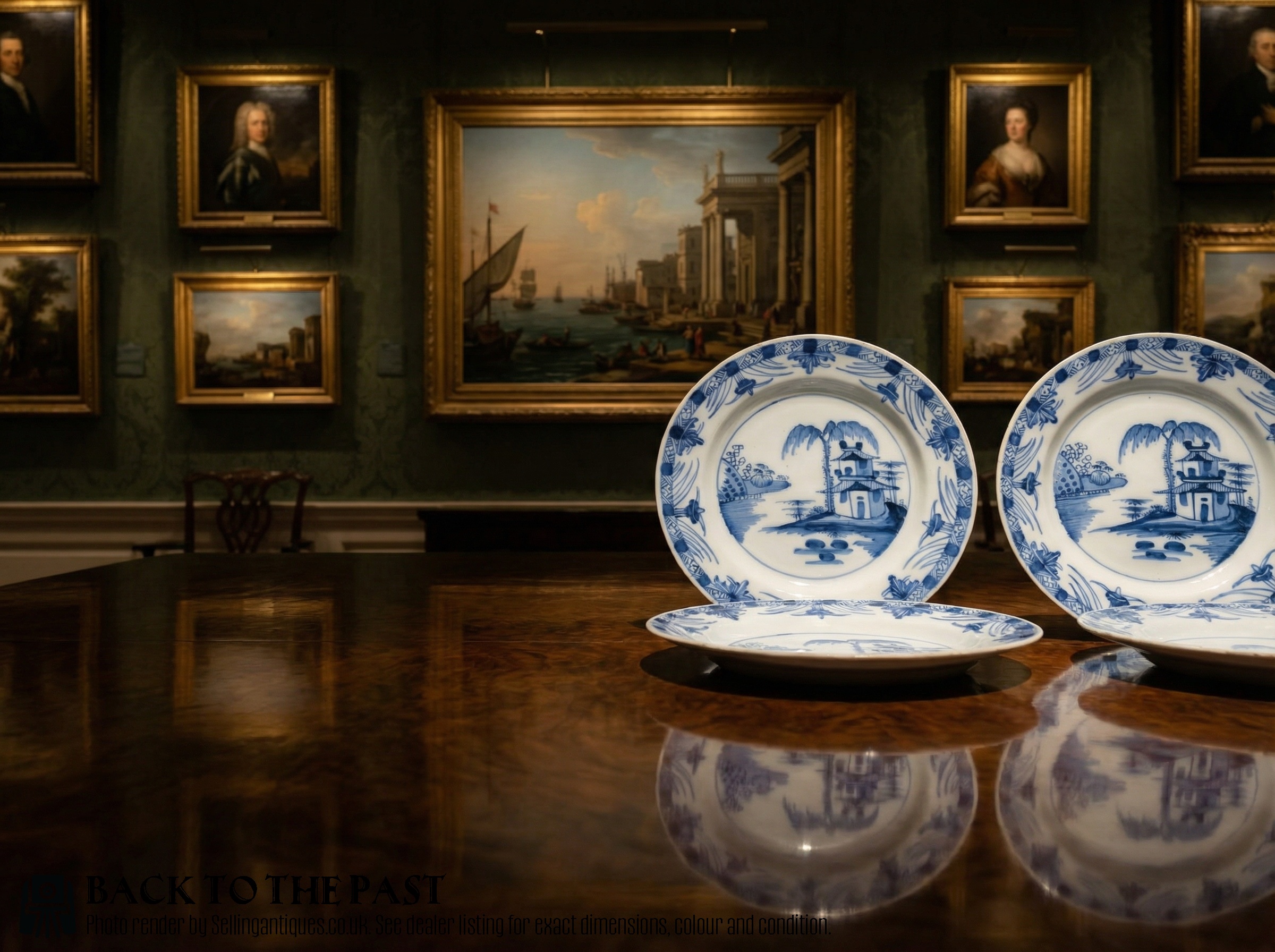
Makers shaped these objects using earthenware clay, which was then fired to form a porous biscuit body ready for glazing. The defining characteristic is the opaque white tin glaze applied over this earthenware base, creating a smooth surface for painted decoration.
Cobalt oxide pigment is brushed directly onto the unfired white tin glaze, absorbing into the surface during the final high-temperature kiln firing. Polychrome pieces introduce additional mineral pigments such as manganese and yellow alongside the traditional blue and white palette.
Antique Tin Glazed Pottery Retail Price Guide 2026
Typical asking prices for tin glazed pottery among the pieces listed under this phrase on Sellingantiques today, from the lower quarter to the upper quarter. They describe what is for sale here now, not the wider market.
Listings feature earthenware bodies finished with tin glaze, decorated using cobalt pigment alongside manganese and yellow mineral colours.
Evaluating the Pieces
The quality of antique tin glazed pottery depends heavily on the precision of the hand-painted brushwork and the clarity of the cobalt pigment against the white background. Finer examples display crisp botanical or figurative motifs executed with confident, fluid strokes.
Surface preservation also dictates standing within the range, as the tin glaze on earthenware is inherently prone to edge chipping and minor glaze flaking over the centuries. Pieces that retain their original glaze lustre, stable bodies and minimal restoration command greater appreciation from collectors.
Cantagalli Florence·Fourmaintraux-Courquin
The Antique Tin Glazed Pottery Glossary
- Tin glaze
- An opaque white ceramic glaze containing oxide of tin, applied to earthenware to provide a smooth ground for painted decoration.
- Delftware
- Tin-glazed earthenware made in the Netherlands, particularly associated with blue and white designs inspired by imported Chinese porcelain.
- Majolica
- Italian tin-glazed earthenware decorated with colourful metallic and mineral pigments, often featuring narrative or historical scenes.
- Faience
- The French term for tin-glazed earthenware, encompassing production from regional centres such as Quimper, Rouen and Desvres.
- Charger
- A large decorative plate intended primarily for display on a wall or sideboard rather than for service at the dining table.
Antique Tin Glazed Pottery: Frequently Asked Questions
What is tin glazed pottery?
Tin glazed pottery is earthenware covered with an opaque white glaze containing tin oxide. This coating creates a smooth canvas for painted designs before the final kiln firing.
Potters across Europe utilised this technique from the seventeenth century onward to produce decorative wares that often emulated the appearance of prized Chinese porcelain.
How do I care for antique tin glazed pottery?
These pieces require gentle handling because the earthenware body and tin glaze can be vulnerable to impact and moisture penetration. Dust them softly with a dry cloth and avoid immersion in water.
Display them away from high-traffic areas where accidental knocks might occur, ensuring the historic glaze remains protected from unnecessary wear.
How do I tell Dutch Delft from French faience?
Dutch Delft traditionally focuses on cobalt blue and white tin-glazed earthenware inspired by East Asian imports. French faience often incorporates broader regional styles, varied colour palettes, and distinct shapes associated with factories in Rouen or Quimper.
Examining the glaze tone, brushwork style, and potting characteristics helps distinguish between the primary European production centres.
Were antique chargers used for dining?
Large chargers were predominantly created for visual display on sideboards or walls during earlier centuries. Their generous surface area made them ideal vehicles for elaborate painted narratives and decorative motifs.
While some sturdy examples may have served functional roles in historic households, surviving specimens are generally appreciated as wall art.