

Hand Painted Delftware
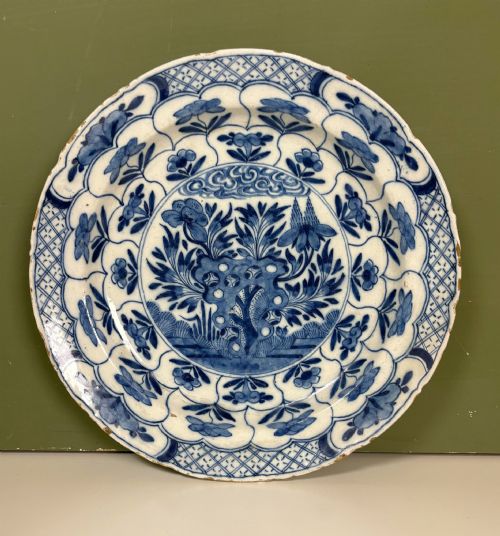
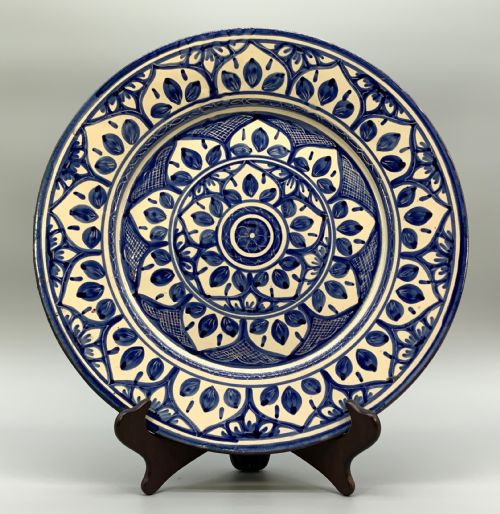
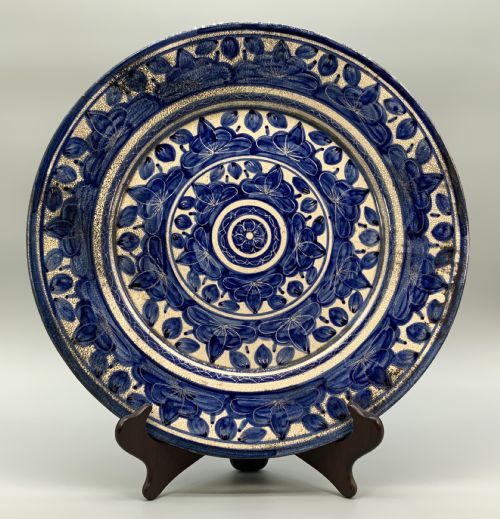
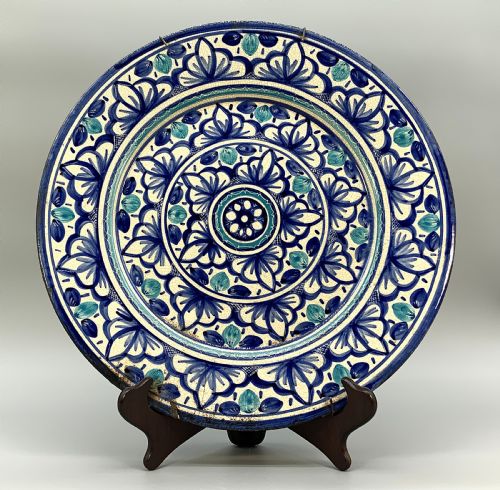
Hand painted delftware consists of tin glazed earthenware vessels and plates valued for their bright cobalt blue decoration.
What They Are
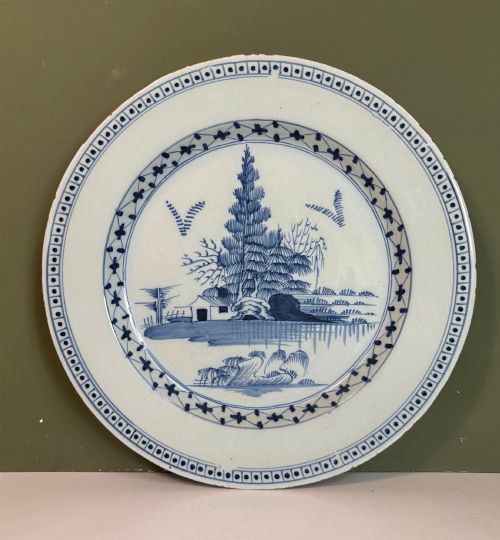
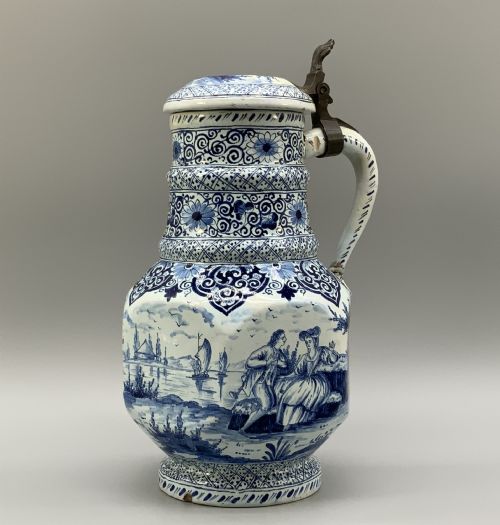
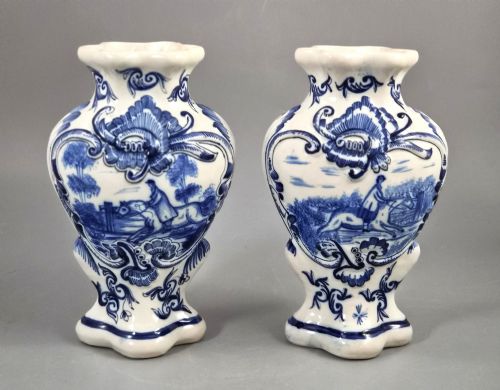
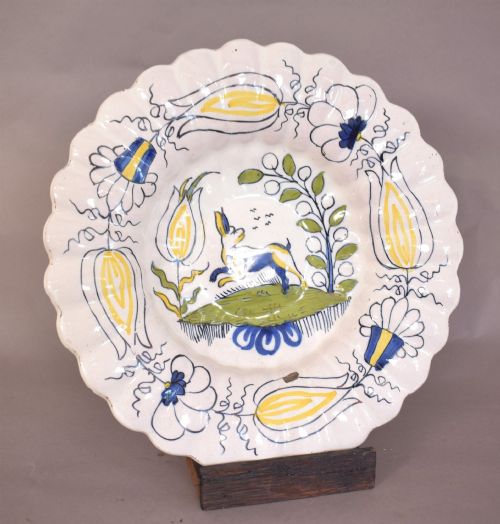
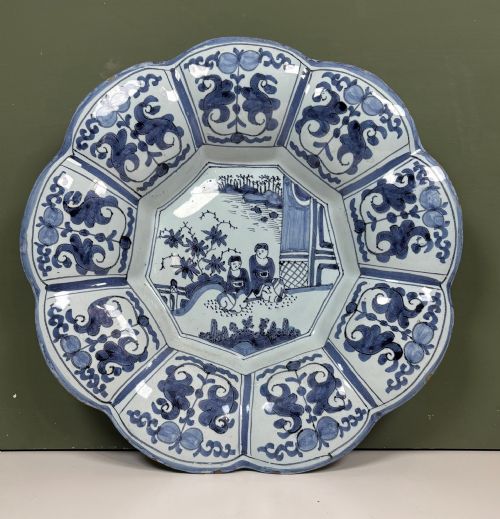
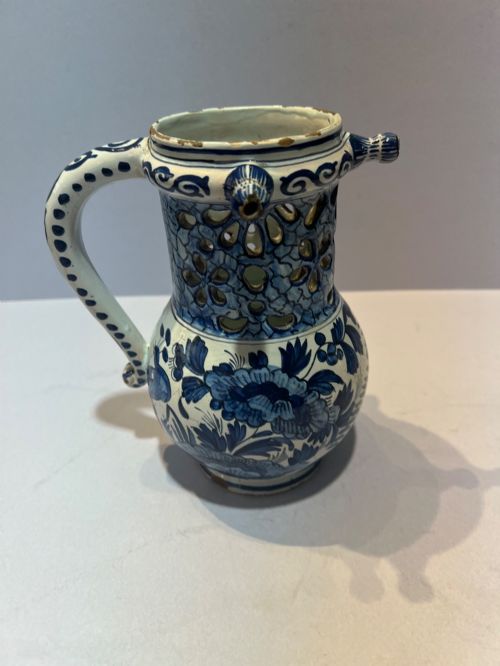
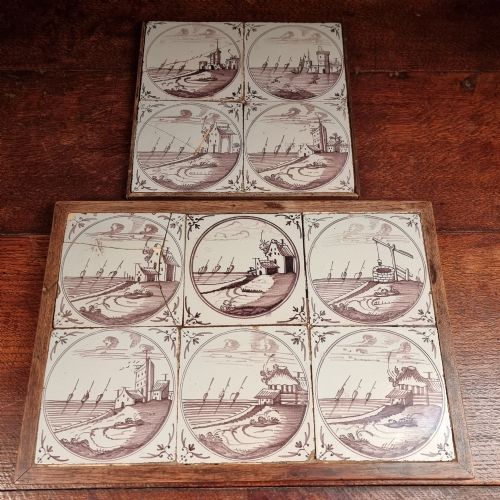
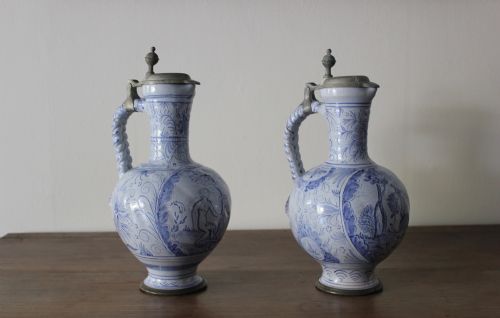
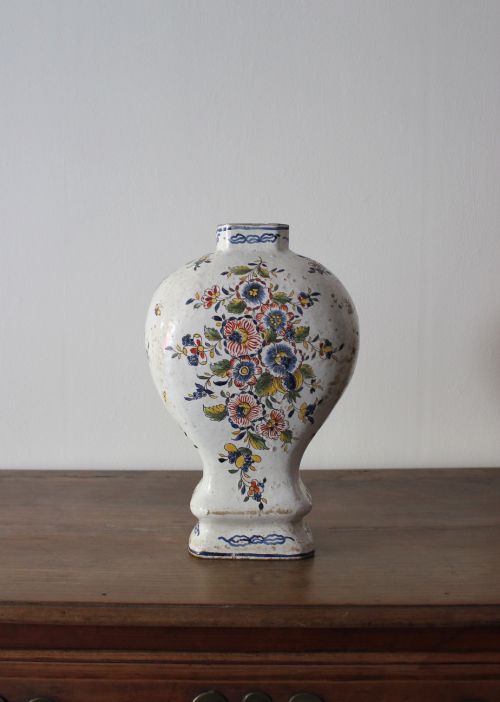
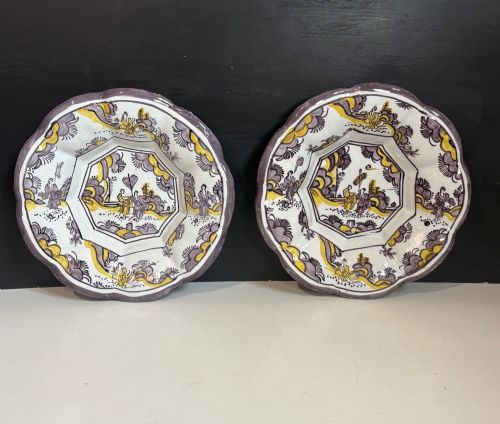
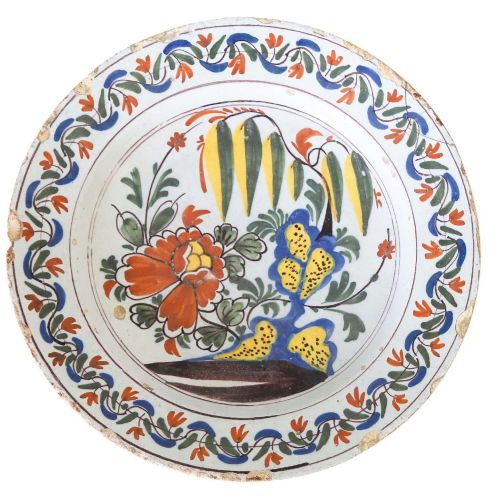
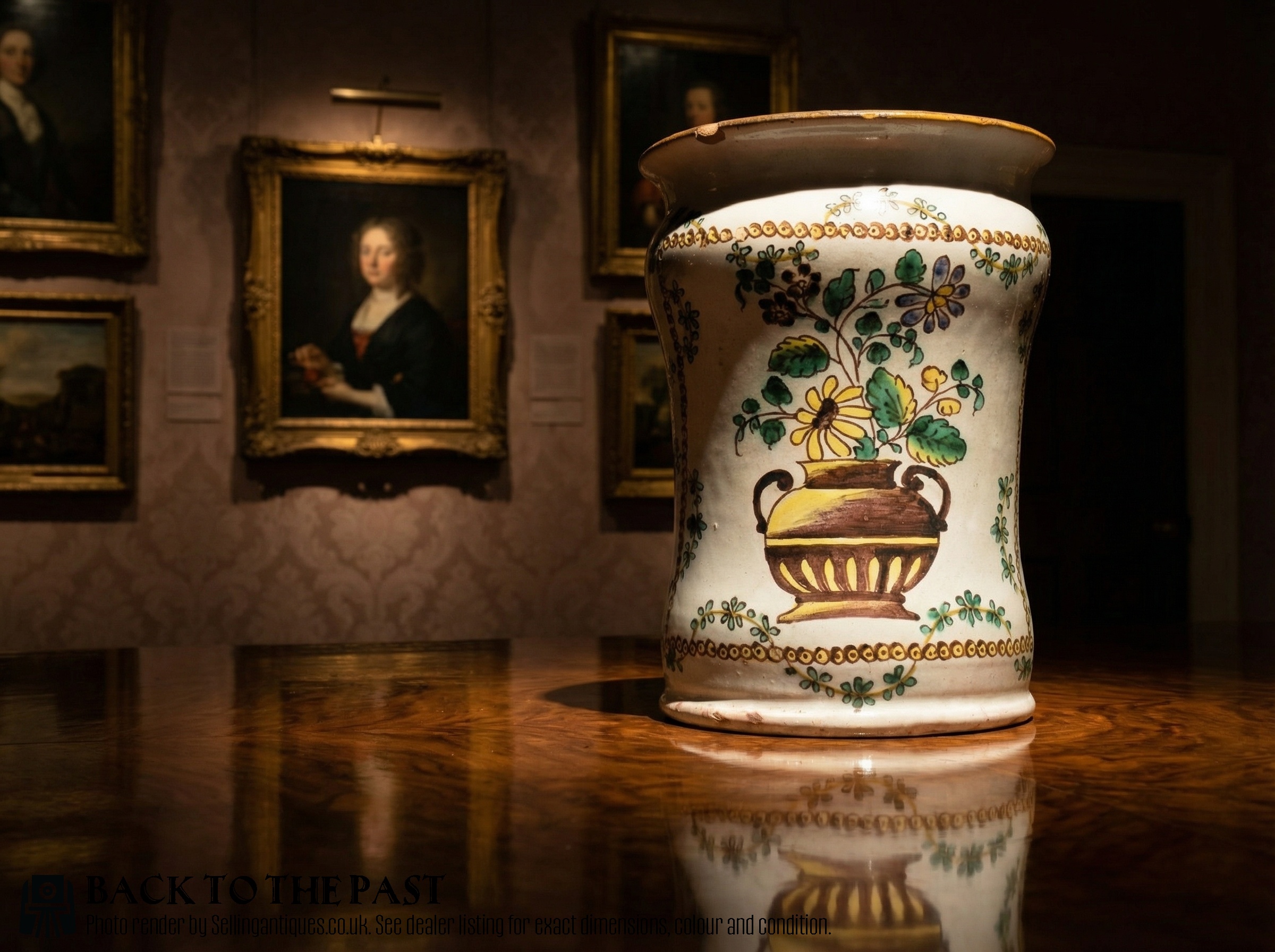
Hand painted delftware comprises decorative plates, jars, bowls, dishes, and vases originating from the eighteenth century. These pieces reflect eighteenth century Dutch, Dutch Baroque, and Georgian influences.
The objects take the form of shallow bowls, large bowls, marriage plates, and vessels. Most examples date from the eighteenth century, including English pieces from the middle of that century.
Buyers encounter blue and white colour schemes across various forms of tableware and display items. The surviving inventory demonstrates a distinct preference for domestic vessels and decorative ceramics.
How They Were Made
Potters shaped ordinary clay into earthenware bodies before applying an opaque tin glaze. This white coating provided a smooth canvas for subsequent pigment application.
Decorators applied cobalt oxide and cobalt pigment directly onto the unfired or porous tin glaze by hand. The pieces were then fired to fuse the pigments into the white surface.
Retail Price Guide 2026
Typical UK retail prices for hand painted delftware, calculated from the Sellingantiques database of over a million retail prices indexed since 2003. This retail price guide relies exclusively on Sellingantiques data; no external sources or auction records are used, so the figures do not describe the wider market.
Every item listed here belongs to the eighteenth century, utilising tin glazed earthenware and cobalt pigment.
What Varies in Quality
Quality rests upon the crispness of the hand painted cobalt brushwork and the evenness of the white tin glaze. Finer examples display controlled line work and balanced composition across the surface.
The throwing of the clay body dictates the weight and proportions of each vessel or bowl. Superior pieces maintain harmonious symmetry and well defined rims.
The Hand Painted Delftware Glossary
- Tin glaze
- An opaque white ceramic glaze containing tin oxide that creates a pale background for painted decoration. This coating defines the visual character of the ware.
- Cobalt oxide
- A metallic pigment used to produce deep blue tones under high heat firing. It is the primary colouring agent on blue and white ceramics.
- Earthenware
- Porous pottery fired at lower temperatures than stoneware or porcelain. It forms the basic body material for these historic vessels.
- Marriage plate
- A commemorative dish often given to mark a wedding. These plates frequently feature personalised motifs and dates.
Frequently Asked Questions
What is hand painted delftware?
Hand painted delftware is tin glazed earthenware decorated with cobalt blue pigments. The inventory consists entirely of eighteenth century pieces.
These items include bowls, plates, jars, and vases made in Dutch and English workshops.
How old is this pottery?
The available pieces date from the eighteenth century. This includes English production from the middle decades of that period.
Dutch styles from the eighteenth century also form a significant portion of the record.
How were these pieces decorated?
Decorators used cobalt oxide and cobalt pigment applied by hand onto a tin glaze. The brushwork creates the distinctive blue and white appearance.
Artists painted botanical, geometric, or commemorative designs directly onto the white surface before firing.
What forms do these ceramics take?
The surviving objects comprise decorative plates, shallow bowls, jars, and vases. Marriage plates and large vessels also appear.
Each form served decorative or domestic functions in historical households.