



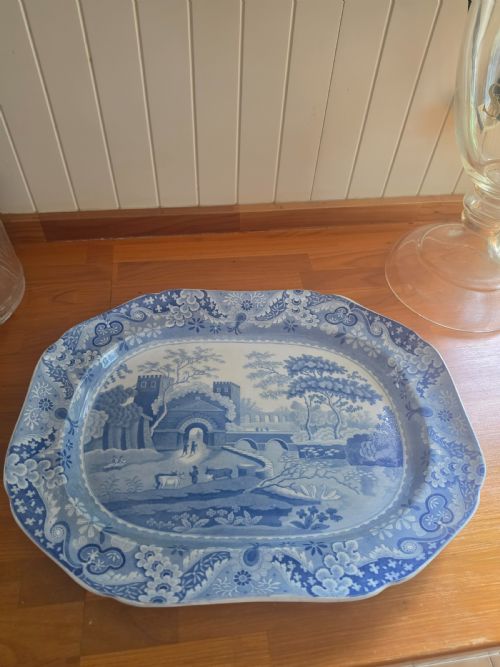
Antique Blue White Earthenware
Antique blue white earthenware brings crisp cobalt scenes straight to your table, offering centuries of ceramic history.

What these pieces are
Antique blue white earthenware spans several distinct eras, bringing functional serving platters and decorative dishes into domestic spaces. Collectors searching this phrase encounter wares ranging from late seventeenth-century plates to mid-nineteenth-century transfer-printed platters.
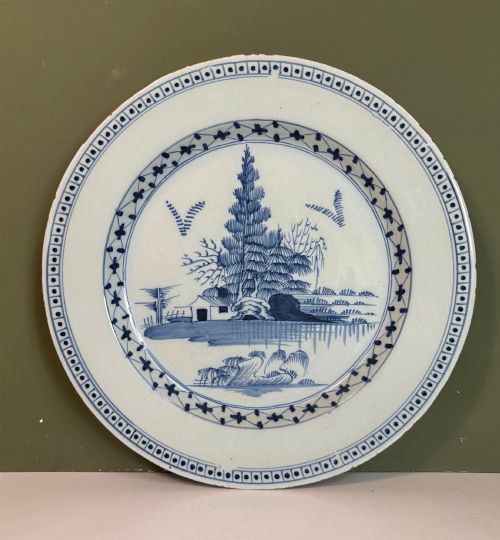
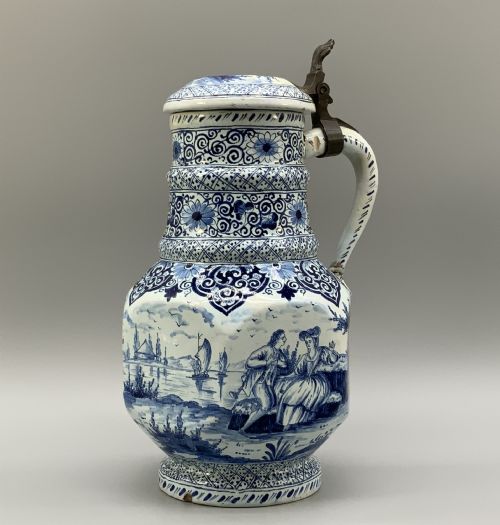
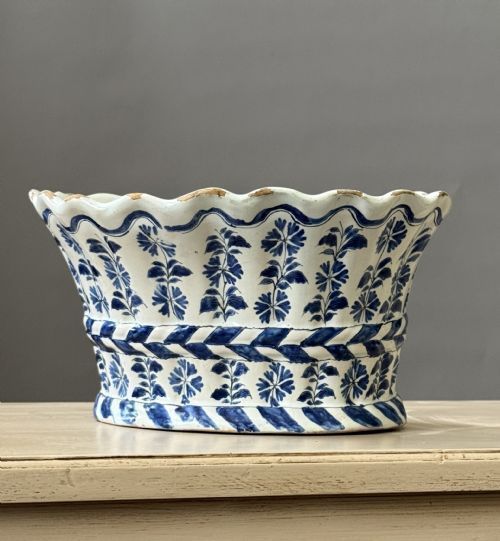
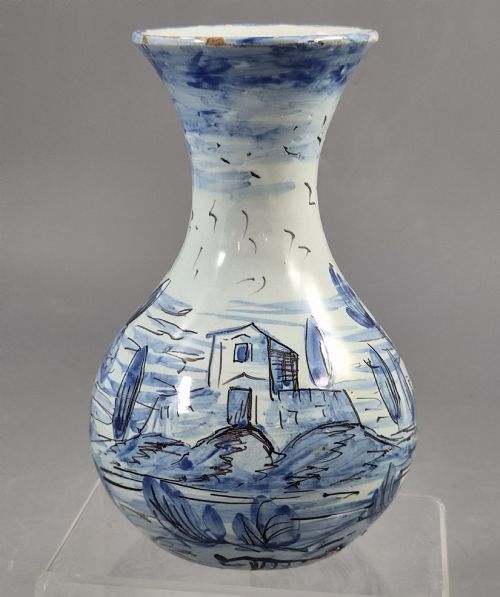
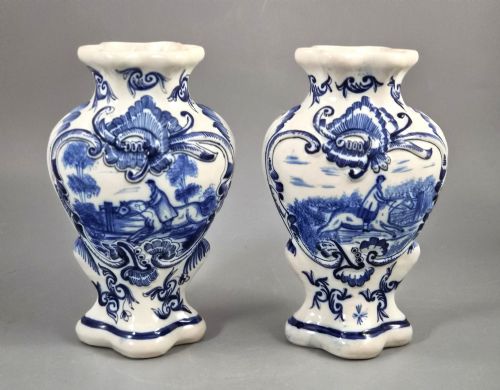
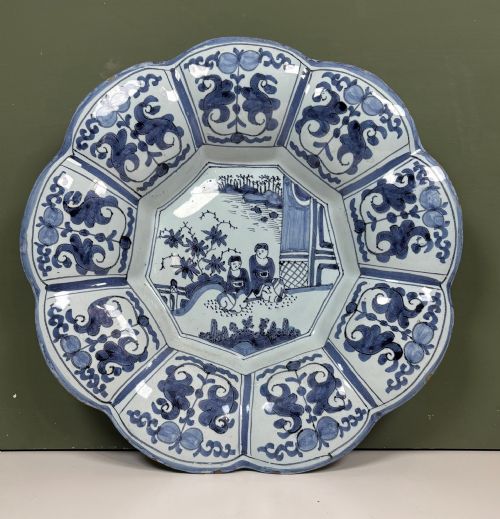
The selection on this page leans heavily toward Dutch Delftware and early Victorian kitchenware. Examples include serving platters, decorative jugs, bowls, and shallow dishes shaped from tin-glazed earthenware or pearlware.
Originating primarily from Dutch and English kilns, these objects reflect shifting domestic tastes over three hundred years. The forms serve both utilitarian carving tasks and purely ornamental displays.
How they were made
Potters shaped these vessels from earthenware and pearlware, applying opaque tin glazes to create a smooth, pale canvas. Cobalt oxide or cobalt pigment was then hand-painted directly onto the unfired surface or transferred mechanically in later periods.
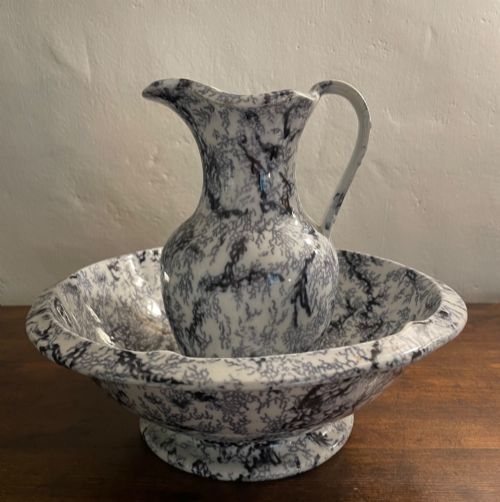
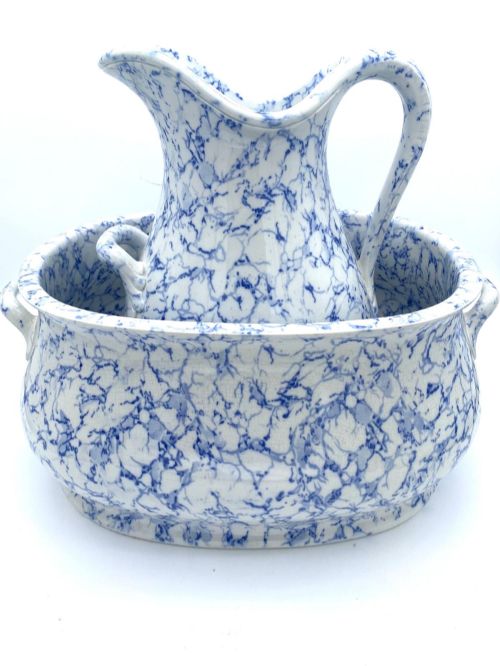
The pieces underwent high-temperature firing to fuse the metallic oxides into the glaze layer, locking in the deep blue coloration. English transfer-printed platters utilised engraved copper plates to press intricate patterns onto paper before transferring them to the ceramic body.
Retail Price Guide 2026
Typical UK retail prices for blue white earthenware, calculated from the Sellingantiques database of over a million retail prices indexed since 2003. This retail price guide relies exclusively on Sellingantiques data; no external sources or auction records are used, so the figures do not describe the wider market.
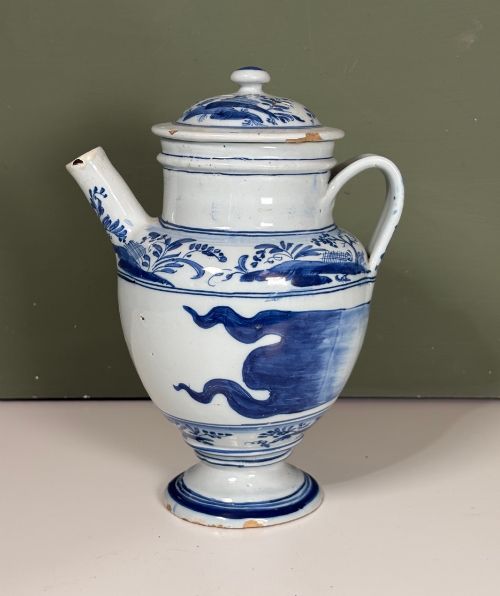
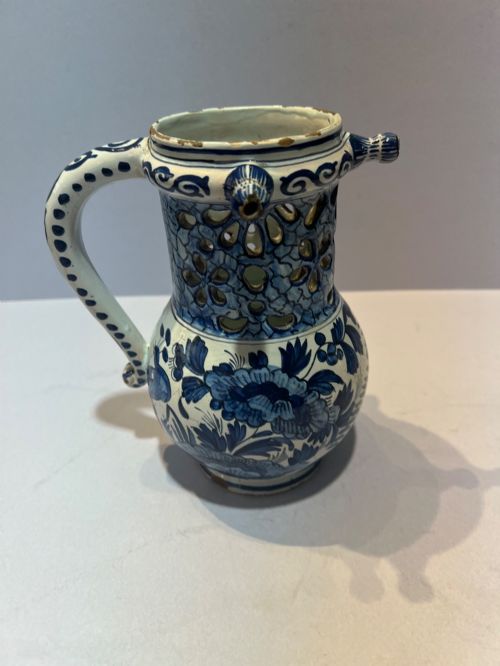
Eighteenth-century Dutch puzzle jugs were designed to spill on the drinker unless secrets were unlocked.
What varies in quality
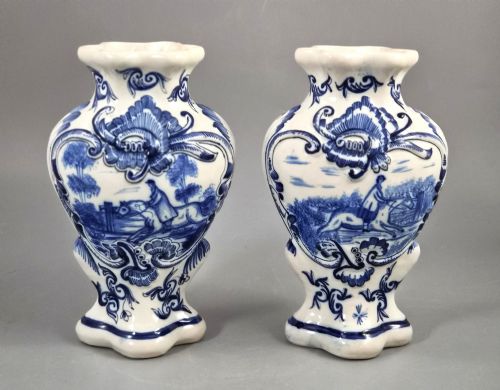
Quality rests in the crispness of the cobalt brushwork and the stability of the glaze application. Early hand-painted Dutch delft displays fluid, confident strokes, whereas lesser pieces show rushed or muddy pigment bleeding into the tin ground.
The structural ambition of the form also dictates standing, from simple plates to complex puzzle jugs and large serving platters with reservoirs. Heavier, well-balanced bodies with minimal warping demonstrate superior kiln placement and clay preparation.
Pieter Verburg
The Antique Blue White Earthenware Glossary
- Tin Glaze
- An opaque white glaze containing tin oxide that provides a smooth, pale background for blue cobalt painting.
- Pearlware
- A refined earthenware body developed in the late eighteenth century featuring a subtle bluish glaze that pooled in recesses.
- Cobalt Pigment
- A metallic colorant derived from cobalt ores that maintains its deep blue hue under high kiln temperatures.
- Transfer Print
- A decoration technique where an engraved copper plate stamps an inked pattern onto paper, which is then pressed onto the ceramic surface.
- Faience
- Tin-glazed earthenware produced in Europe, particularly associated with Dutch and French workshops of the seventeenth and eighteenth centuries.
Frequently Asked Questions
What is antique blue white earthenware?
Antique blue white earthenware comprises ceramic vessels decorated with cobalt blue pigments on white tin-glazed or pearlware bodies. These items date primarily from the late seventeenth century through the Victorian era.
They encompass a range of domestic objects, including serving platters, jugs, bowls, and decorative plates originating from English and Dutch kilns.
How do I care for these ceramics?
These fragile historical objects require gentle hand washing in lukewarm water with mild detergent. Avoid soaking porous earthenware bodies, especially where crazing or old hairline cracks are present.
Keep them away from modern dishwashers, microwaves, and direct heat sources to preserve the historic glaze and pigment.
How are different periods told apart?
Seventeenth and eighteenth-century pieces typically feature hand-painted tin glaze with slight surface irregularities and earthenware bodies. Victorian examples often display precise transfer-printed designs on refined pearlware bases.
Examining the foot ring, glaze pooling, and stylistic motifs helps narrow down the manufacturing era of each individual object.
Were these platters used daily?
Many large platters with reservoirs and serving dishes were designed for substantial dining tables, accommodating carved meats and festive meals. Their durable earthenware construction suited regular household service before modern porcelain took over.
Over time, heavy use resulted in surface wear that distinguishes working kitchenware from purely decorative parlor pieces.