

Antique Ceramic Serving Platter
An antique ceramic serving platter brings heavy historic presence to the table, offering generous proportions and rich decorative detail for daily service.
What these pieces are
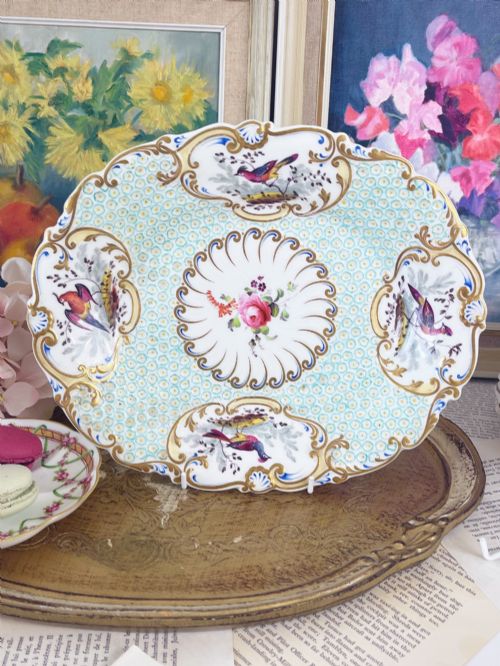
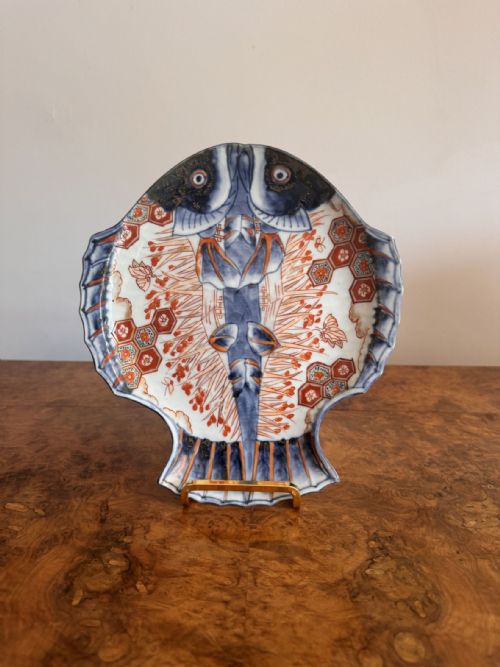
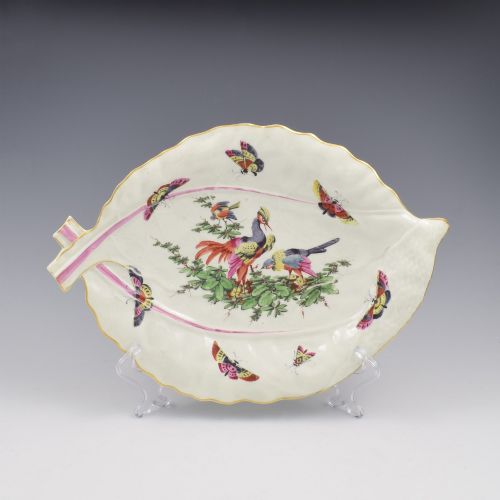
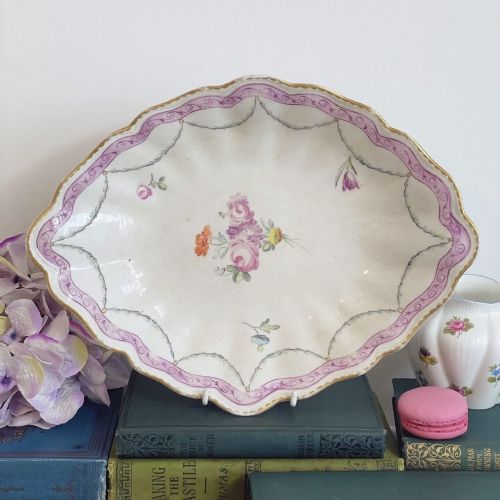
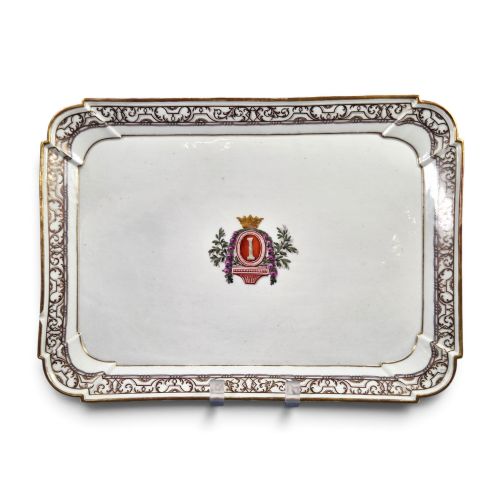
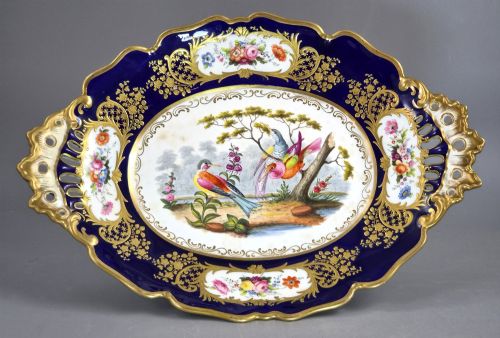
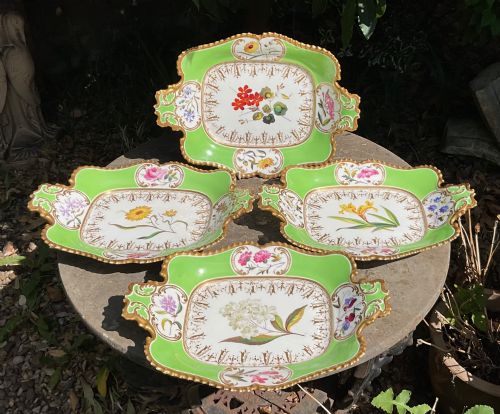
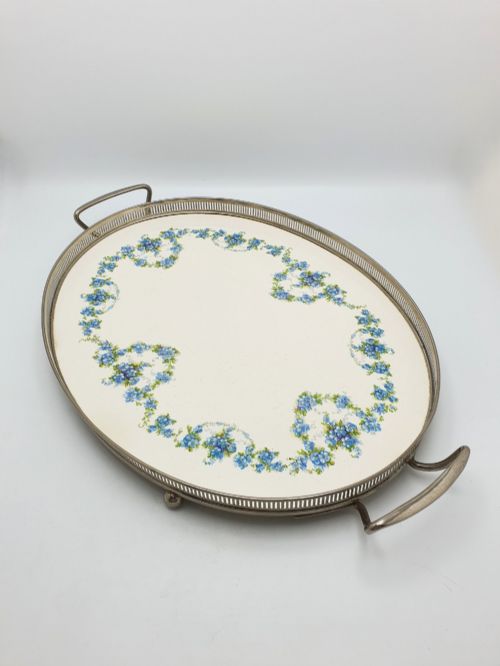
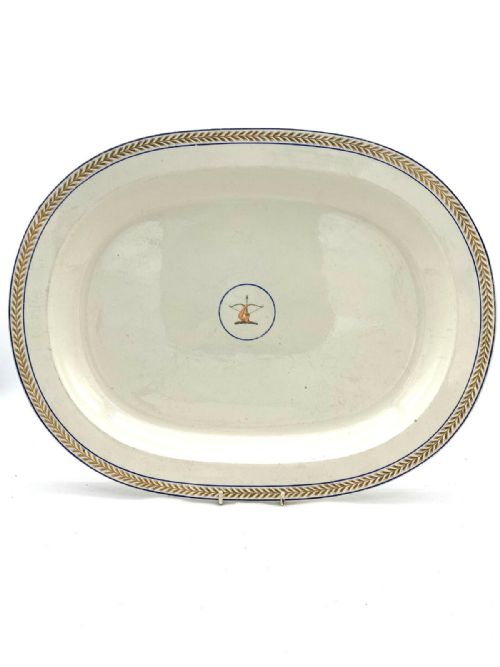
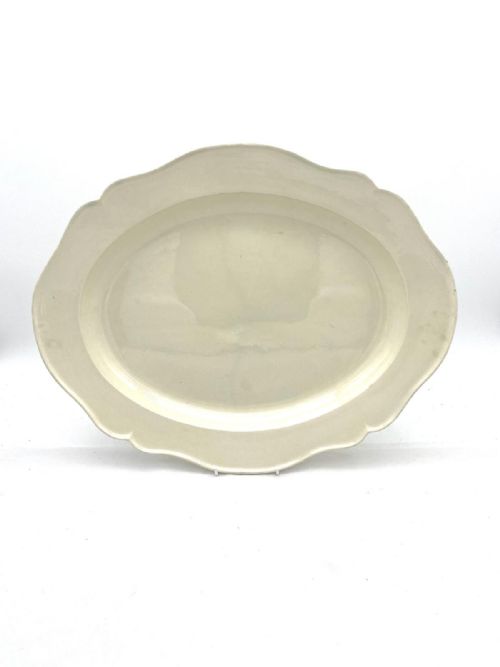
An antique ceramic serving platter forms the centrepiece of historic dining arrangements, designed to carry large joints of meat, game or poultry. The examples found here span the Victorian era, the nineteenth century and the year eighteen fifty, showing the heavy domestic demands of nineteenth-century dining.
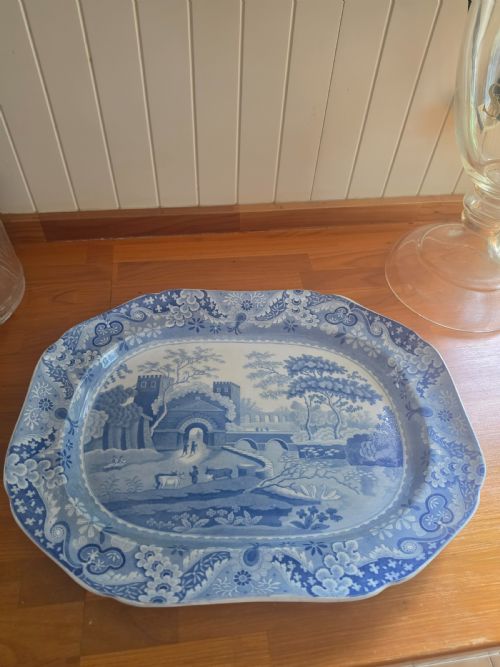
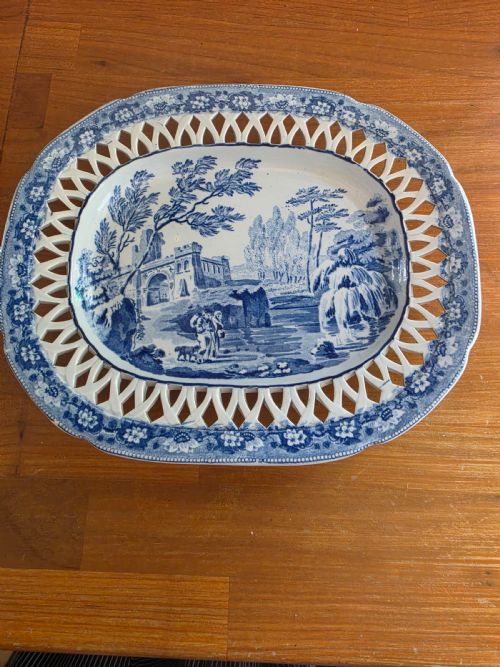
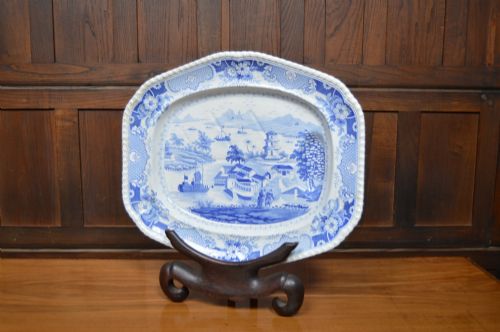
The assortment includes meat serving platters, poultry dishes, carving platters with reservoirs, and large blue and white serving plates. These pieces originate from English workshops and continental factories, reflecting diverse regional tastes in domestic tableware.
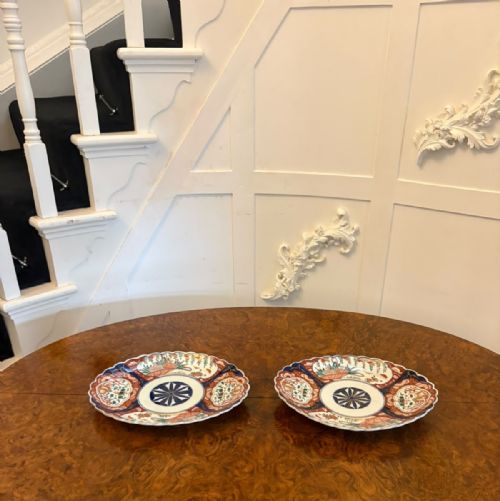
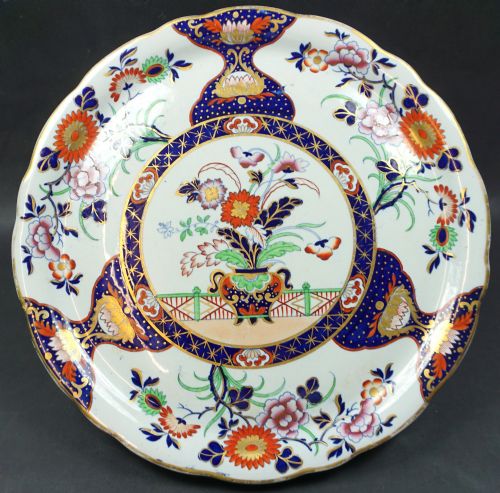
Buyers are most likely to encounter earthenware, pearlware and hard-paste porcelain forms finished in blue and white transfer print, cobalt glaze or polychrome enamel. These platters range from standard domestic service items to substantial platters equipped with draining wells.
How they were made
Potters shaped these earthenware, pearlware and hard-paste porcelain bodies using traditional forming techniques before applying liquid glazes to seal the porous clay. Cobalt glaze and transfer printing were then applied to the surface to create intricate blue and white patterns.
Many items received hand-painted enamel details and gold leaf highlights applied over the fired glaze. Carving platters often incorporated an integral reservoir channelled into the clay body to catch meat juices during service.
Retail Price Guide 2026
Typical UK retail prices for ceramic serving platter, calculated from the Sellingantiques database of over a million retail prices indexed since 2003. This retail price guide relies exclusively on Sellingantiques data; no external sources or auction records are used, so the figures do not describe the wider market.
What varies in quality
Quality rests in the crispness of the transfer printing and the precision of the hand-painted enamel and gold leaf application. Finer platters maintain a flat, stable body during high-temperature firing, whereas lesser examples show warping across the centre.
The sophistication of the form dictates value, such as the inclusion of a functional reservoir for carving meat rather than a simple flat surface. The clarity of the cobalt glaze and the complexity of moulded borders separate standard domestic ware from ambitious factory productions.
Copeland and Garrett·Meissen
The Antique Ceramic Serving Platter Glossary
- Pearlware
- A refined earthenware developed in the late eighteenth century featuring a subtle blue-tinted glaze that pooled in crevices. This material bridged the gap between creamware and true porcelain.
- Hard-paste porcelain
- A durable ceramic composition fired at very high temperatures using kaolin and petuntse. It yields a vitrified body with a bright white appearance.
- Reservoir
- A well or channel sunken into the surface of a carving platter to collect juices from meat during service. This feature kept the joint elevated and prevented pooling.
- Cobalt glaze
- A metallic oxide pigment applied under or over the glaze to produce deep blue decoration. It withstands high kiln temperatures without losing intensity.
Frequently Asked Questions
How were serving platters used?
These large ceramic dishes held roasted meats, poultry and game at the dining table for communal carving and service.
Their substantial size and sturdy earthen bodies accommodated heavy joints before individual plating became standard practice.
Can I use an antique platter daily?
While these ceramics remain structurally sound, centuries of wear mean they require careful hand washing rather than machine cleaning.
Glazes can craze over time, making gentle use the sensible choice for preserving the surface.
How do I date an early platter?
Dating relies on examining the ceramic body, such as identifying pearlware versus standard earthenware, alongside maker marks and transfer printing styles.
Nineteenth-century pieces often display registration diamond marks or specific factory stamps on the reverse.