



17th Century Delftware
Seventeenth century delftware comprises tin-glazed earthenware vessels and tiles painted in blue and white or polychrome pigments, prized for their historical character and early ceramic artistry.

What 17th Century Delftware Is
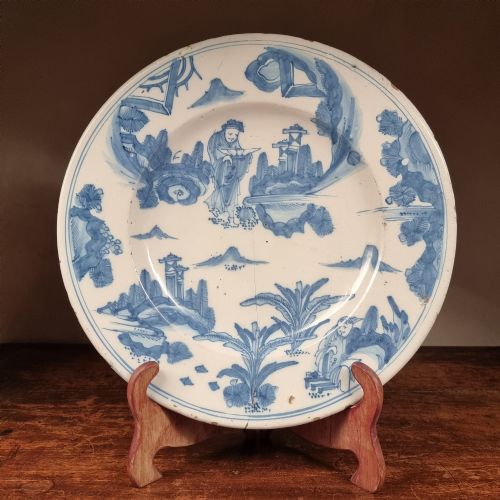
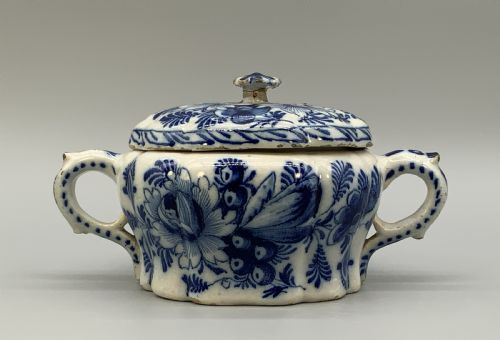
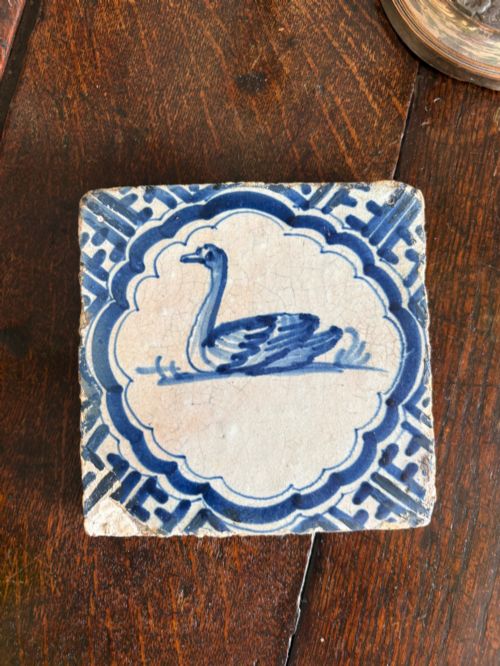
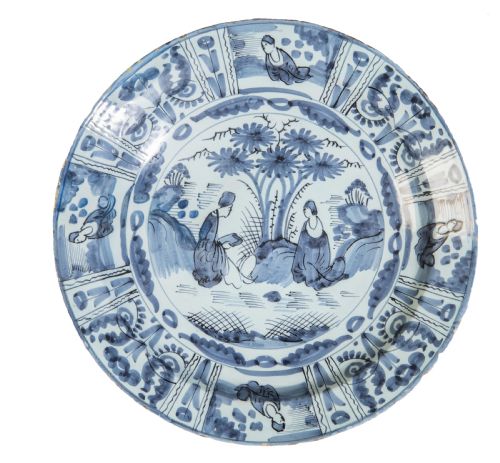
Seventeenth century delftware encompasses earthenware objects created during a period of significant ceramic development in England and the Netherlands. Buyers exploring seventeenth century delftware encounter domestic items such as plates, chargers, tiles, posset pots, and pitchers.
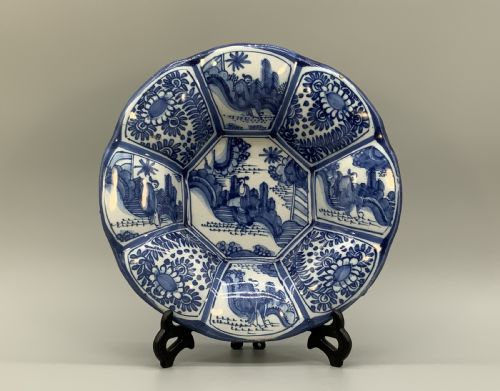
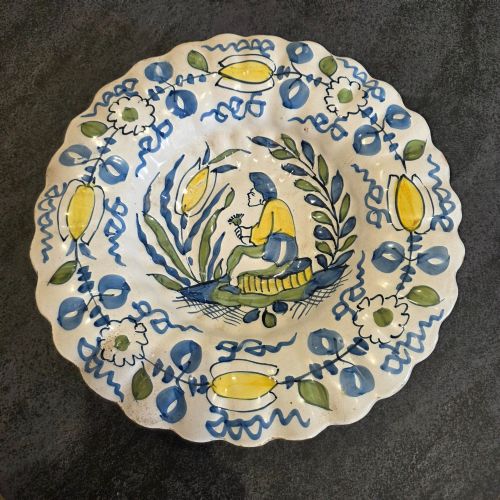
Most examples align with seventeenth century production dates or Dutch Baroque aesthetics, though later nineteenth century interpretations of earlier styles also appear. Collectors examine these objects for their adherence to historical forms like lobed dishes and Kraak-influenced patterns.
How They Were Made
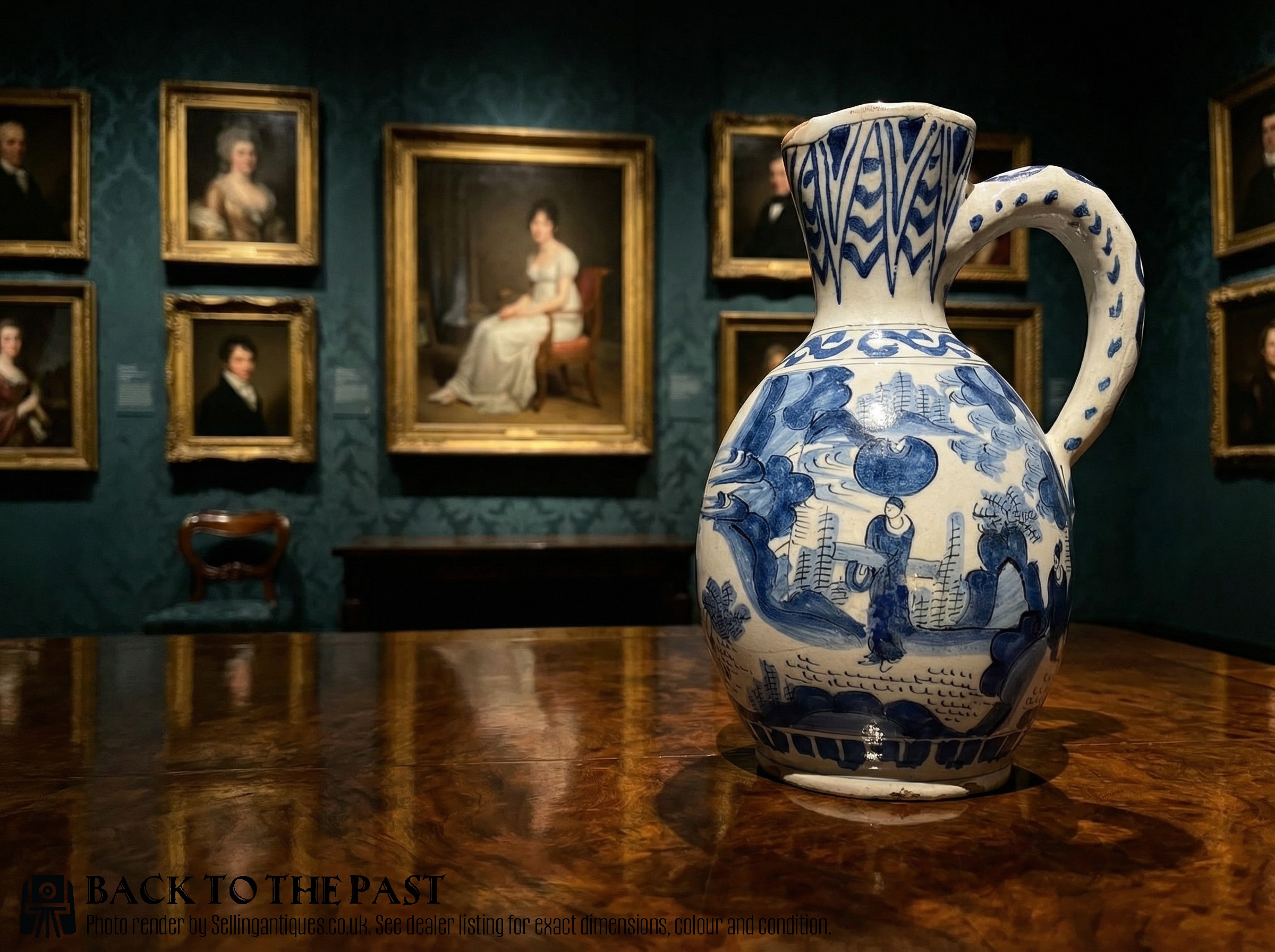
Potters formed these objects from clay and earthenware, applying an opaque tin-glaze that provided a smooth white surface for decoration. Artisans then painted motifs directly onto the absorbent unfired glaze using cobalt pigment or a broader palette of colours for polychrome examples.
Firing in kilns fixed the metallic pigments into the tin glaze, creating the characteristic glossy finish seen on faience vessels and tiles. This technique allowed workshops to produce intricate floral motifs, figures, and Chinoiserie scenes across plates, jugs, and chargers.
Retail Price Guide 2026
Typical UK retail prices for 17th century delftware, calculated from the Sellingantiques database of over a million retail prices indexed since 2003. This retail price guide relies exclusively on Sellingantiques data; no external sources or auction records are used, so the figures do not describe the wider market.
Early posset pots required guests to share a single spiced drink communally, turning seventeenth-century hospitality into an inevitable test of steady hands.
What Varies in Quality
Quality in these ceramics rests upon the precision of the hand-painted brushwork and the clarity of the cobalt pigment against the tin-glaze. Crisp execution in Chinoiserie designs or floral arrangements distinguishes superior examples from simpler, heavier productions.
The smoothness of the glaze surface and the structural integrity of lobed edges or handles also indicate the maker's technical skill during firing. Pieces that retain vibrant colouration and balanced proportions demonstrate the highest standards of period craftsmanship.
The 17th Century Delftware Glossary
- Tin-Glazed Earthenware
- Pottery coated with a lead glaze made opaque by the addition of tin oxide. This white surface serves as the ground for painted decoration.
- Cobalt Pigment
- A metallic blue colourant used extensively under the glaze to paint detailed motifs and borders. It withstands high kiln temperatures without losing intensity.
- Faience
- European tin-glazed earthenware, often associated with wares produced in France, England, and the Netherlands during the early modern period. The term describes the specific glazing and firing tradition.
- Kraak Style
- A decorative scheme originating from Chinese export porcelain featuring panelled borders and central botanical or aquatic motifs. Dutch potteries adopted this aesthetic widely on plates and dishes.
- Posset Pot
- A multi-handled ceramic vessel used for serving a traditional hot drink made of curdled milk mixed with wine or ale. These pots often feature spouts and elaborate covers.
Frequently Asked Questions
What is delftware?
Delftware is tin-glazed earthenware produced primarily in the Netherlands and England, featuring painted decoration on an opaque white glaze.
The tradition developed during the seventeenth century, drawing influence from Chinese porcelain imports as well as local European pottery methods.
How were posset pots used?
Posset pots held a warm, spiced drink made from milk and wine or ale, consumed during celebrations or as a remedy.
The multiple handles allowed guests or family members to pass the vessel safely around the room during social gatherings.
Where was delftware made?
Production centred around the city of Delft in the Netherlands, alongside notable workshops operating in England.
Potters in these regions adapted techniques from Italian maiolica and imported Asian wares to create their distinct regional styles.