


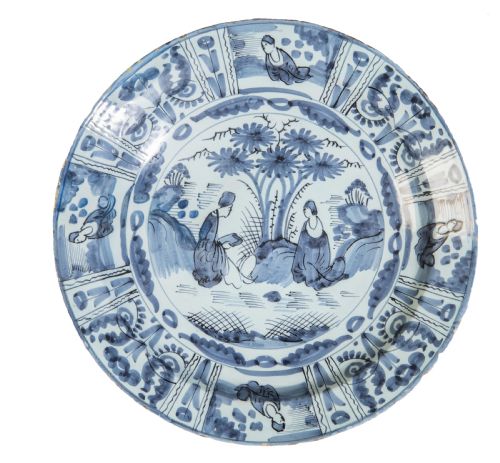


17th Century Dutch Ceramic
These 17th century dutch ceramic pieces bring the bold tin-glazed earthenware and earthenware forms of the Golden Age straight into a modern room.

17th Century Dutch Ceramic
When you search for 17th century dutch ceramic, you encounter a selection of chargers, plates, tiles, vases, pitchers, jugs, and snuff boxes spanning periods from the seventeen-hundreds back through the seventeen-hundreds proper and even nineteenth-century revivals. The forms range from large chargers and lobed dishes to gourd vases and slipware strawberry jars.
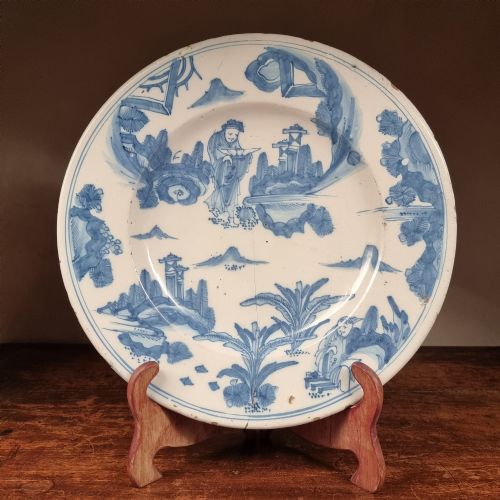
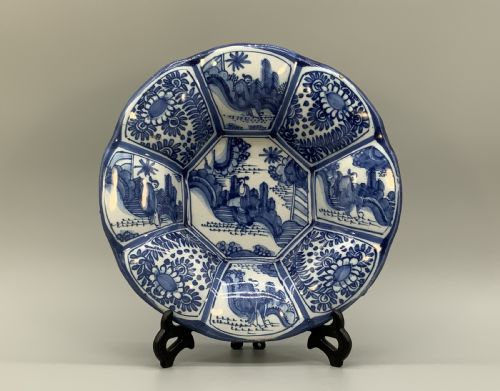
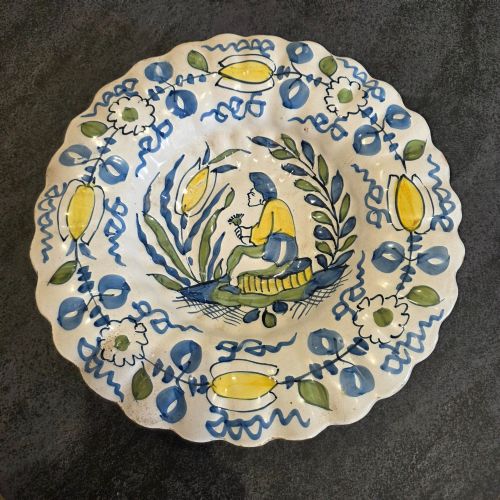
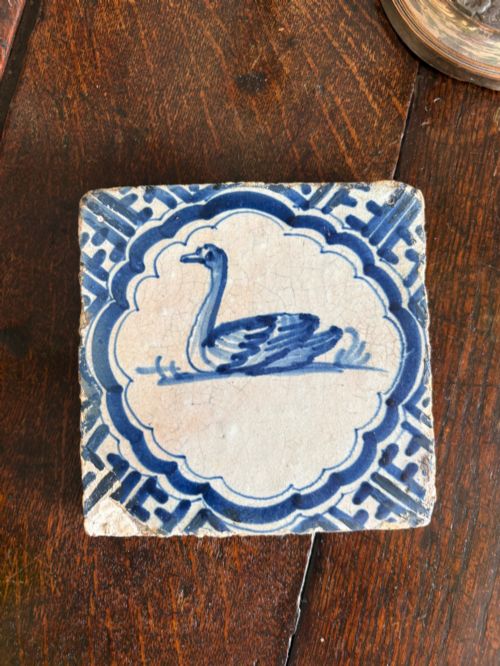
You are most likely to meet blue and white tin-glazed earthenware and polychrome delftware, alongside slipware jugs and hand-painted tiles featuring swan motifs or bird and flower scenes in the Chinoiserie taste.
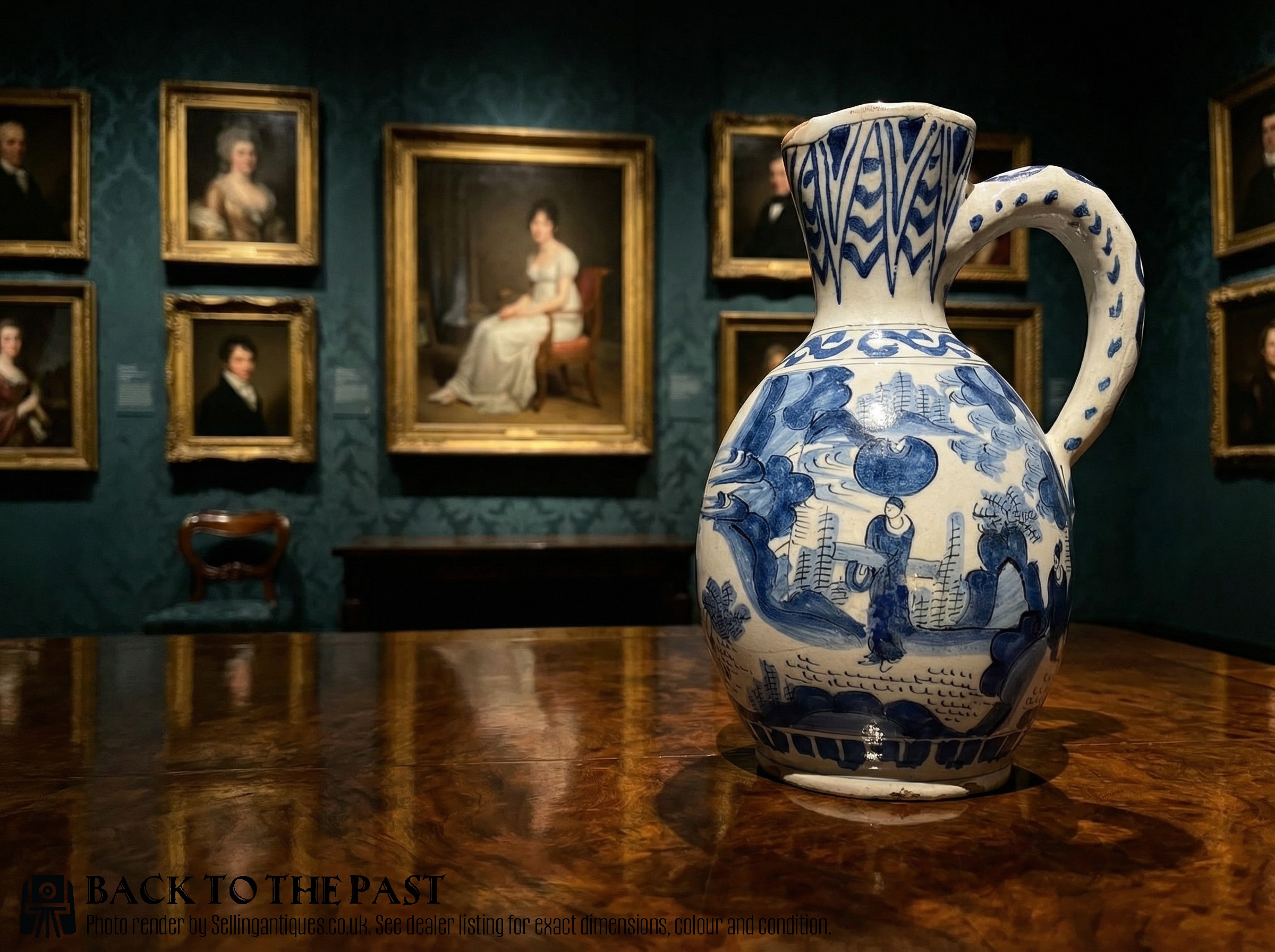
How they were made
Potters shaped local earthenware bodies before applying opaque tin glaze or translucent lead glaze surfaces to prepare the ground for painting. Cobalt pigment provided the deep blue tones for Chinoiserie and floral motifs, while multi-coloured palettes created polychrome finishes.
The objects relied on hand painting across plates, chargers, and vessels, combining traditional European forms with styles influenced by imported Kraak porcelain during the Dutch Golden Age.
Listings feature tin-glazed earthenware, lead-glazed slipware, and cobalt pigment applied across Dutch Baroque and Chinoiserie styles.
What varies in quality
The standard of painting on the tin glaze separates ambitious decorative work from simpler utilitarian output, with crisp brushwork in cobalt pigment marking out superior plates and chargers. The complexity of the form, such as lobed rims or gourd profiles, also shifts the visual weight of the piece.
Age and period attribution create further distinction, where authentic seventeenth-century manufacture differs from nineteenth-century revival interpretations utilising similar Dutch Baroque or Chinoiserie idioms.
Louis Victor
The 17th Century Dutch Ceramic Glossary
- Tin-Glazed Earthenware
- Earthenware coated with a glaze containing tin oxide to produce a white, opaque surface suitable for painting. This material forms the primary canvas for traditional delftware production.
- Chinoiserie
- European artistic style reflecting Chinese decorative motifs, widely adapted in Dutch ceramic painting during the seventeenth century. Painters utilised these fanciful landscapes and floral arrangements on plates and vases.
- Slipware
- Pottery decorated with liquid clay slip applied before firing to create surface patterns and slip-trailed designs. Jugs and strawberry jars often display this technique.
- Polychrome
- Decoration employing multiple colours rather than a single pigment like cobalt blue. These pieces incorporate various mineral pigments beneath or upon the glaze.
17th Century Dutch Ceramic: Frequently Asked Questions
What is 17th century dutch ceramic?
These pieces comprise tin-glazed earthenware and lead-glazed slipware produced in the Netherlands during the seventeen-hundreds, alongside later nineteenth-century revivals. They include functional vessels and decorative items made for domestic interiors.
Forms range from massive chargers and wall plates to pitchers, gourd vases, and small snuff boxes painted with floral or figural subjects.
How do I identify Chinoiserie on delftware?
Chinoiserie decoration appears as European interpretations of Chinese motifs, typically painted in cobalt pigment on a tin glaze ground. Look for stylized birds, flowers, and pavilion landscapes arranged across the surface.
These designs mirror the luxury imports arriving in the Netherlands during the height of maritime trade in the Golden Age.
What is the difference between delft and slipware?
Delft utilises a white opaque tin glaze over an earthenware body to provide a smooth ground for painted cobalt or polychrome designs. Slipware relies instead on liquid clay slip applied to the raw body for surface decoration and texture.
Tin-glazed objects tend to feature refined pictorial scenes, whereas slipware pieces like jugs and jars emphasise rustic clay contrasts.
How were these ceramic pieces used?
Large chargers and plates served as table ware or decorative display items mounted on walls or dresser backs to catch the light. Pitchers, jugs, and jars held liquids or provisions in daily domestic life.
Smaller items like tiles adorned interior walls and fireplaces, while snuff boxes provided portable containers for personal use.
How do I distinguish 17th century pieces from 19th century ones?
Period distinction relies on examining the body fabric, glaze composition, and stylistic execution under magnification where possible. Seventeenth-century examples display the specific potting traits and pigment handling of the original Dutch workshops.
Revival pieces from the nineteenth century often imitate these historical Dutch Baroque and Kraak styles while utilising nineteenth-century manufacturing standards.