


Antique Tin Glazed Ceramic
Antique tin glazed ceramic spans centuries of earthenware decorated with opaque white mineral glazes, prized for rich pigments and painterly forms.
Antique Tin Glazed Ceramic
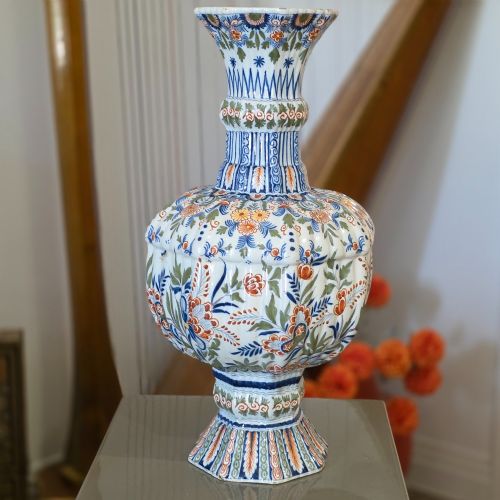
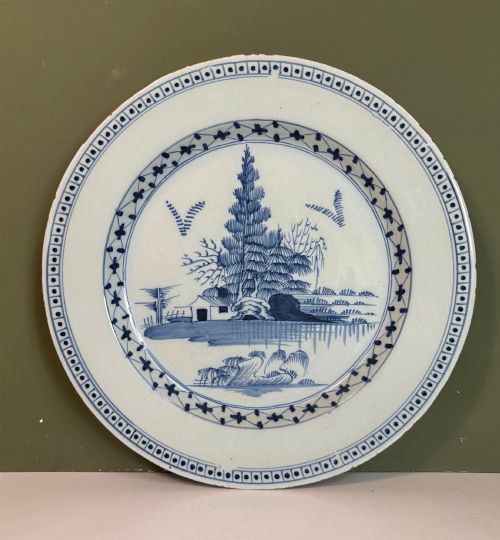
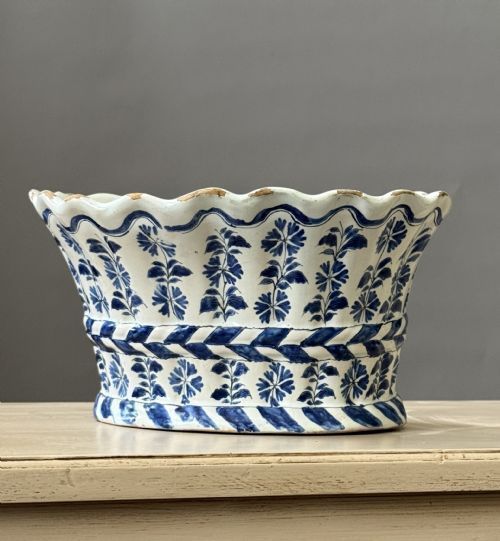
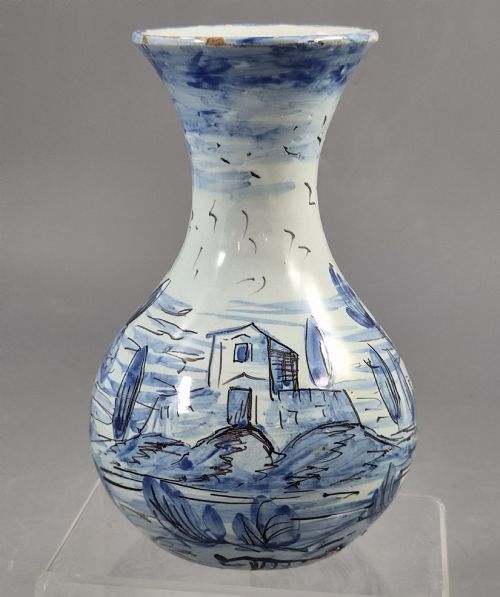
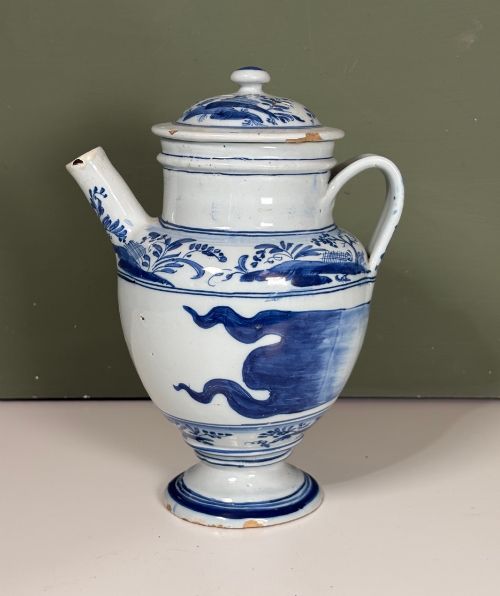
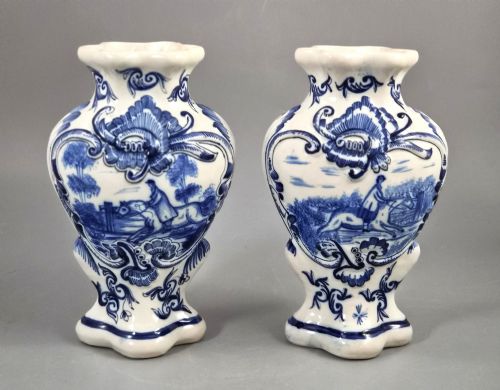
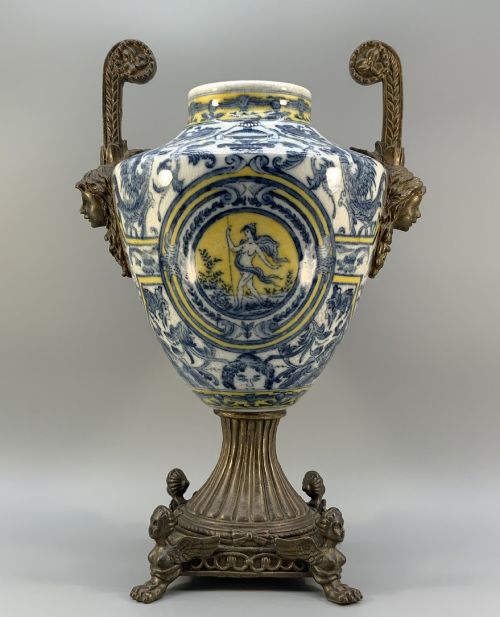
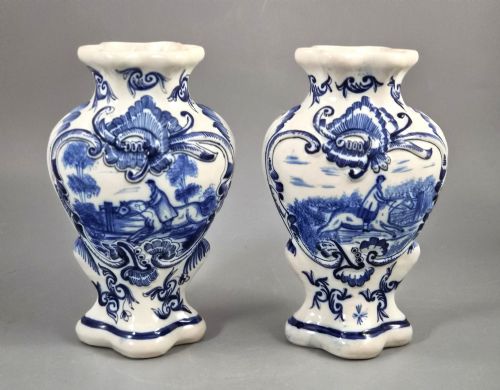
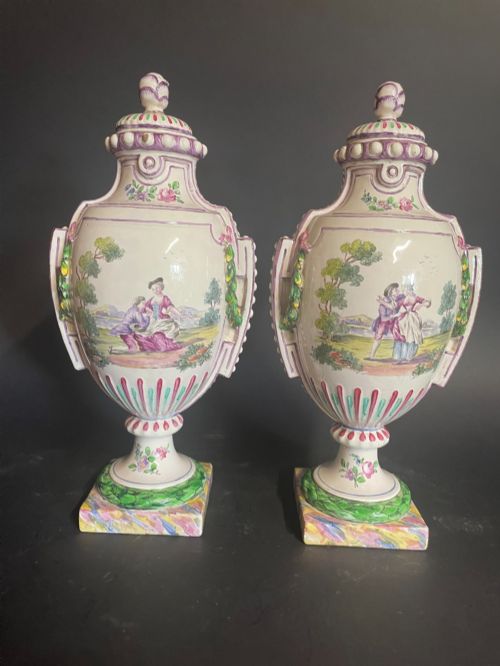
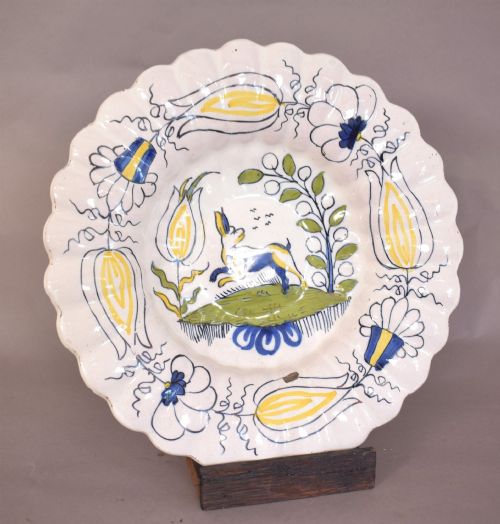
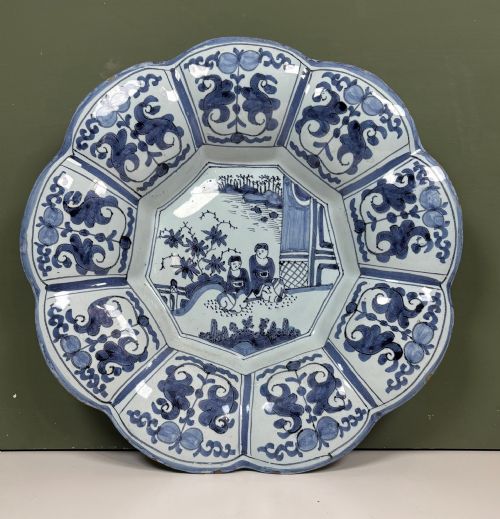
Antique tin glazed ceramic items span utility and display, encompassing chargers, chargers plates, and decorative dishes alongside apothecary jars, jugs, and bough pots. Chargers and large plates dominate the selection, offering broad surfaces for pictorial scenes.
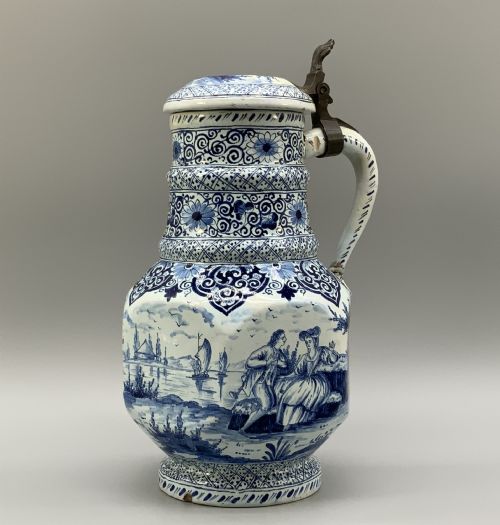
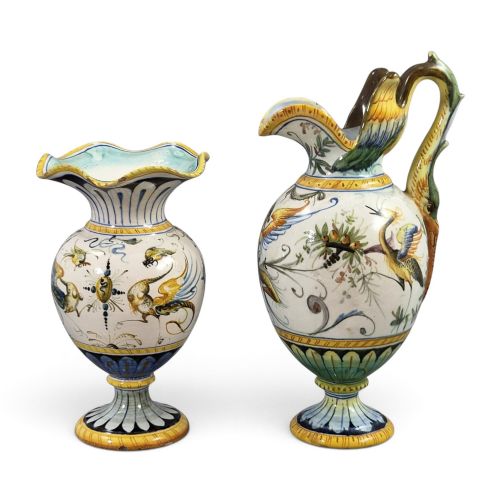
Vessels and figures appear alongside utilitarian tableware, including puzzle jugs, posset pots, and lidded jars. Forms range from domestic Dutch and English blue-and-white earthenware to Italian maiolica and French faience.
The material reaches from seventeenth-century origins through eighteenth-century production into nineteenth-century revivals. Buyers encounter robust domestic wares and ornate cabinet pieces alike.
What varies in quality
Execution of painted detail separates standard domestic vessels from ambitious display pieces. Crisp cobalt outlines, well-balanced Chinoiserie or floral motifs, and controlled brushwork distinguish superior output.
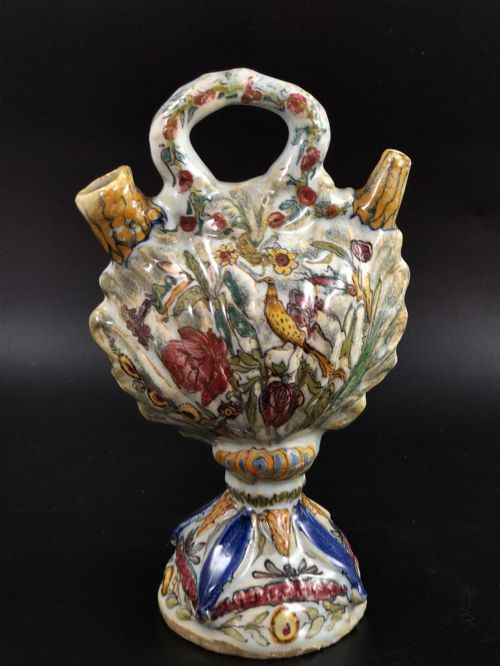
Complexity of form and ambition of glaze palette dictate standing. Polychrome examples combining manganese, yellow, and blue demand advanced firing control compared to simple blue-and-white wares.
Seventeenth-century potters constructed puzzle jugs with hidden spouts designed to spill wine on unsuspecting drinkers who failed the riddle.
Fourmaintraux-Courquin·Cantagalli·Sceaux
The Antique Tin Glazed Ceramic Glossary
- Tin-Glazed Earthenware
- Pottery coated in a lead glaze rendered opaque by the addition of tin oxide. This white surface provided a clean ground for hand-painted mineral pigments.
- Charger
- A large decorative plate or dish intended for display on a wall or dresser rather than dining use. These expansive surfaces typically carry elaborate painted designs.
- Majolica
- Italian tin-glazed earthenware decorated with colourful metallic oxide pigments. The term also embraces later nineteenth-century revival wares produced across Europe.
- Faience
- French and European tin-glazed pottery originating from traditions parallel to Dutch Delftware. It covers diverse decorative items from tableware to figural groups.
- Apothecary Jar
- A vessel used by pharmacists to store dried herbs, syrups, or pills. These jars often feature inscribed labels surrounded by painted scrollwork.
Antique Tin Glazed Ceramic: Frequently Asked Questions
What is tin glazed ceramic?
Tin glazed ceramic is earthenware covered with an opaque white glaze containing tin oxide. Painters apply pigments directly to this absorbent surface before firing.
The resulting glaze provides a smooth canvas for cobalt blue and polychrome designs, capturing details across centuries of European pottery traditions.
How do I clean antique tin glaze?
Dust these pieces gently with a dry, soft cloth. Avoid harsh detergents or soaking, as moisture can penetrate old earthenware through tiny glaze fissures.
Water exposure risks damaging fragile historical bodies and destabilising centuries-old repairs. Gentle handling preserves the delicate painted surface.
Are these pieces food safe?
Historical tin glazed ceramics contain lead within their glazes. Using them for serving food or drink is generally discouraged.
Acidic foods can leach compounds from the historic glaze layer. Displaying them as decorative objects remains the safest approach.
How do I distinguish Delftware from Majolica?
Delftware originates primarily from Dutch and English traditions, focusing heavily on blue-and-white painting inspired by imported porcelain. Majolica stems from Italian roots, featuring vibrant polychrome palettes.
Regional painting styles and palette choices help separate these traditions. Examining the secondary glaze tones aids identification.