
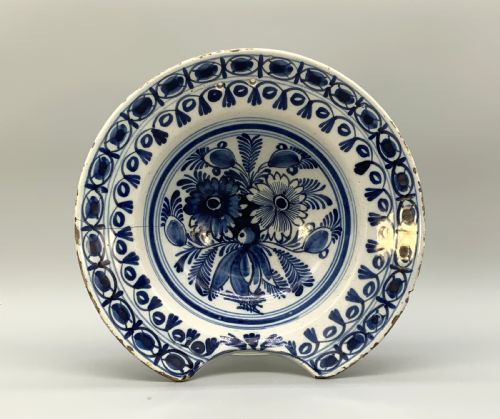
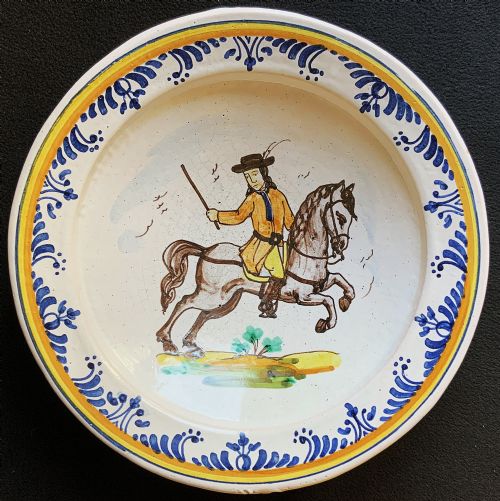


Tin Glazed Earthenware Bowl
A tin glazed earthenware bowl brings hand-painted colour and historical character to a table.
What tin glazed earthenware bowls are
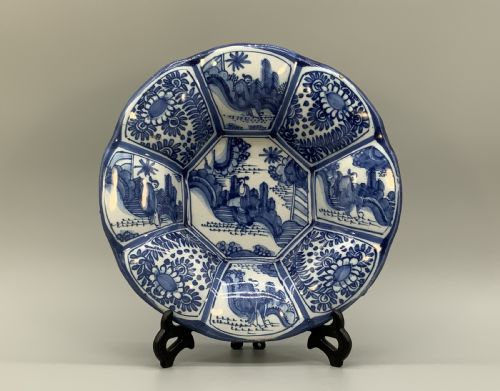
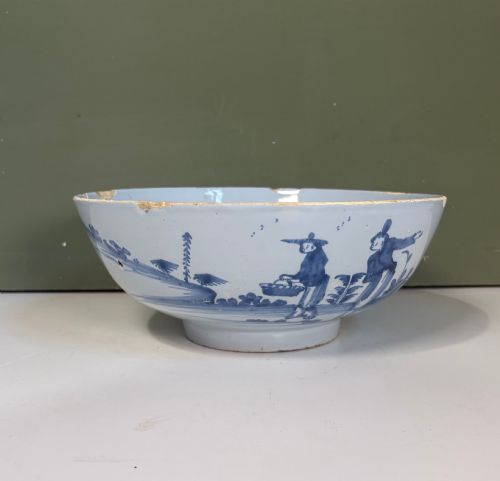
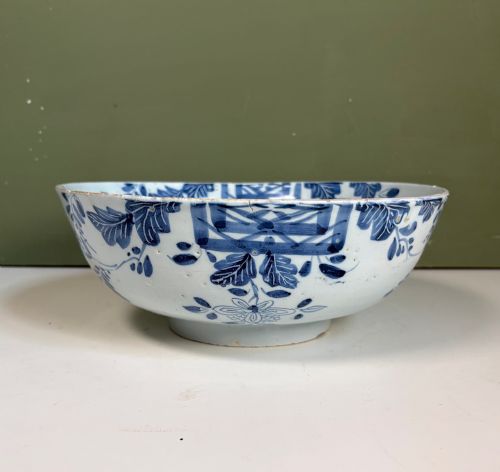
These pieces are earthenware vessels finished with an opaque tin glaze that provides a pale ground for painting. When a buyer searches for a tin glazed earthenware bowl, they encounter items originating from eighteenth-century production and nineteenth-century traditions.
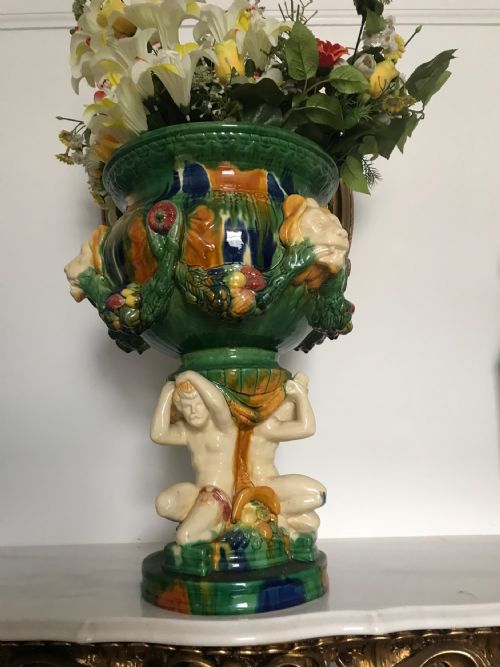
The selections on this page centre on eighteenth-century delftware and nineteenth-century French country examples. These forms include shallow bowls and decorative dishes bearing blue and white decoration or dark bases.
How they were made
Potters shaped ceramic bodies from earthenware clay before dipping the dried vessel into a liquid glaze containing tin oxide. This creates the characteristic white or milky surface necessary for subsequent decoration.
Painters applied cobalt oxide pigments directly onto the unfired tin glaze, allowing the colour to absorb into the porous surface during the single firing process.
Retail Price Guide 2026
Typical UK retail prices for tin glazed earthenware bowl, calculated from the Sellingantiques database of over a million retail prices indexed since 2003. This retail price guide relies exclusively on Sellingantiques data; no external sources or auction records are used, so the figures do not describe the wider market.
Current listings span the eighteenth and nineteenth centuries, featuring earthenware forms decorated with cobalt oxide in Dutch and French styles.
What varies in quality
The refinement of the ceramic body and the consistency of the opaque tin glaze dictate the foundational standard of the vessel. Thinner, more balanced walls and smoother glaze surfaces distinguish superior examples from heavier, coarser pieces.
Artistic execution in the cobalt oxide painting separates standard production from finer output. Fluid brushwork and deliberate composition indicate a more skilled hand at the workshop bench.
The Tin Glazed Earthenware Bowl Glossary
- Tin glaze
- A ceramic glaze made opaque by the addition of tin oxide, creating a white surface for painted decoration. This technique has been utilised in European potteries for centuries.
- Cobalt oxide
- A mineral pigment used to produce deep blue decoration on ceramic wares. It withstands high firing temperatures without losing its intense hue.
- Earthenware
- Porous pottery fired at lower temperatures than stoneware or porcelain. It requires a glaze such as tin to hold liquids effectively.
- Delftware
- Tin-glazed earthenware produced in Dutch and English centres, typically decorated in blue and white. Eighteenth-century examples frequently display this heritage.
Frequently Asked Questions
What is a tin glazed earthenware bowl?
It is a ceramic vessel coated in an opaque white glaze containing tin oxide. Artisans painted these surfaces with pigments such as cobalt oxide.
These pieces date across the eighteenth and nineteenth centuries, taking forms from Dutch delftware to French country wares.
How do I date these bowls?
Dating relies on stylistic markers, potting techniques, and the historical conventions of the workshop. Eighteenth-century pieces often show specific delft characteristics.
Nineteenth-century examples, such as French country bowls, display different regional forms and decorative treatments.
Were these bowls used for dining?
Many served functional roles in historical households for food preparation and serving. Their glazed surfaces protected the porous earthenware body.
Decorative bowls also functioned as display items in domestic interiors, showcasing painted cobalt designs.
How should I care for an antique bowl?
Handle the ceramic gently and avoid abrasive cleaning materials that might scratch the historical tin glaze. Hand washing preserves the fragile earthenware body.
Display the bowl away from areas prone to sudden temperature changes or heavy impacts.