
Antique French Faience
Antique French faience encompasses tin-glazed earthenware and ceramic decorative objects, offering collectors rich hand-painted regional styles from the eighteenth and nineteenth centuries.
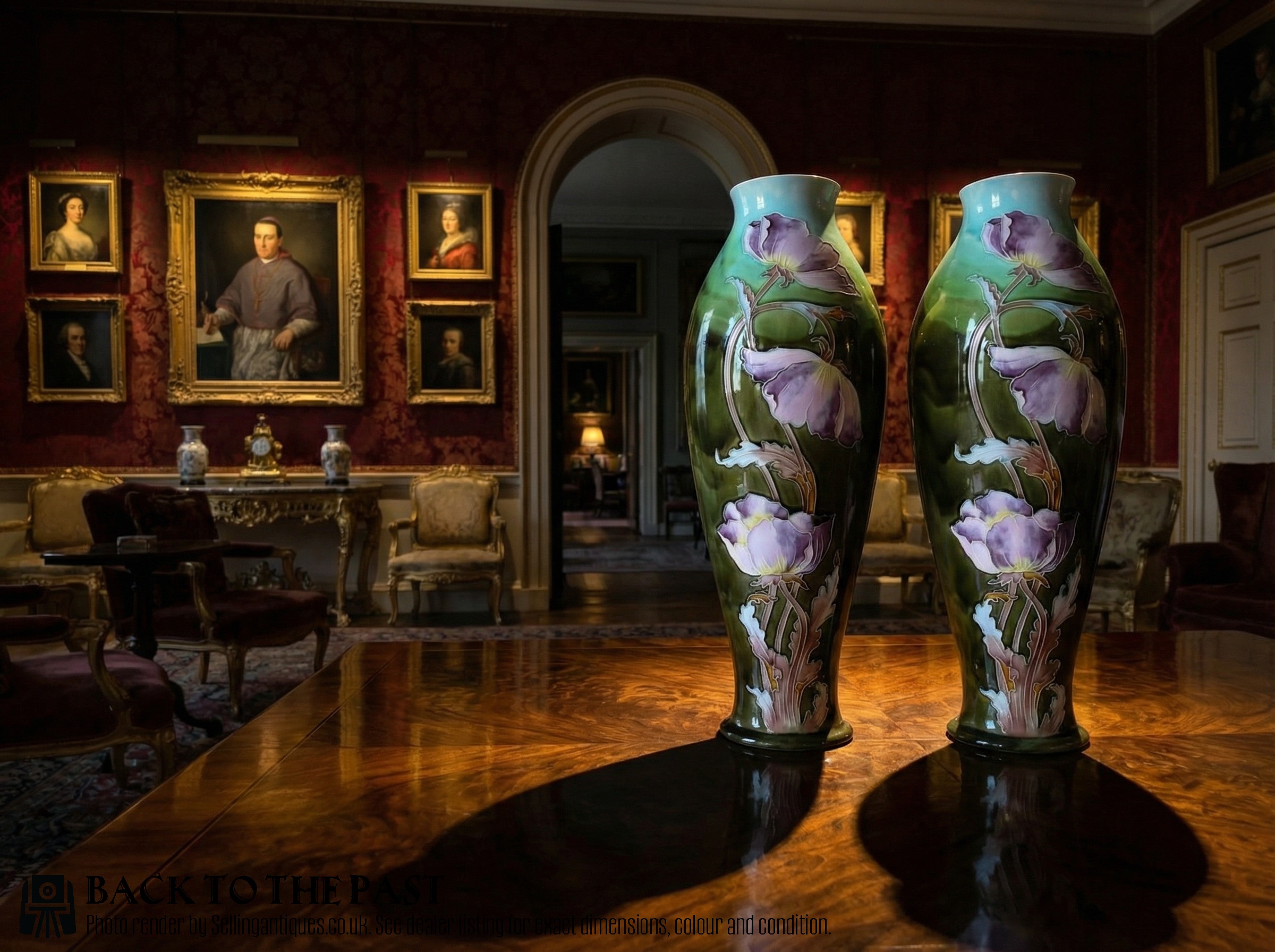
Antique French Faience
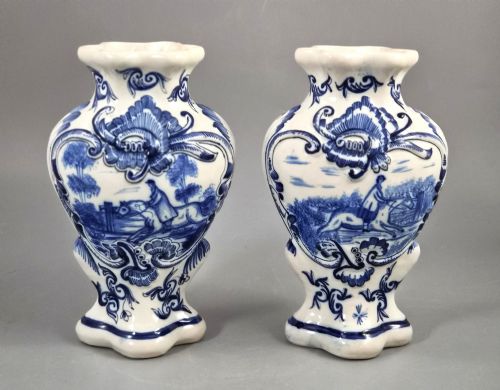
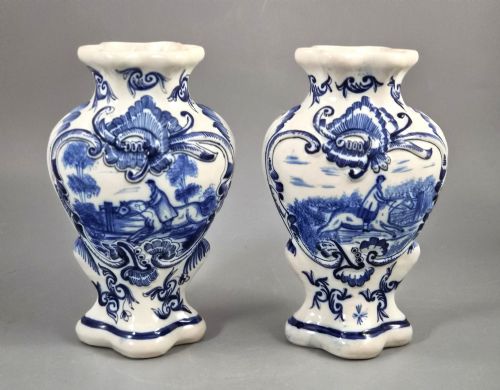
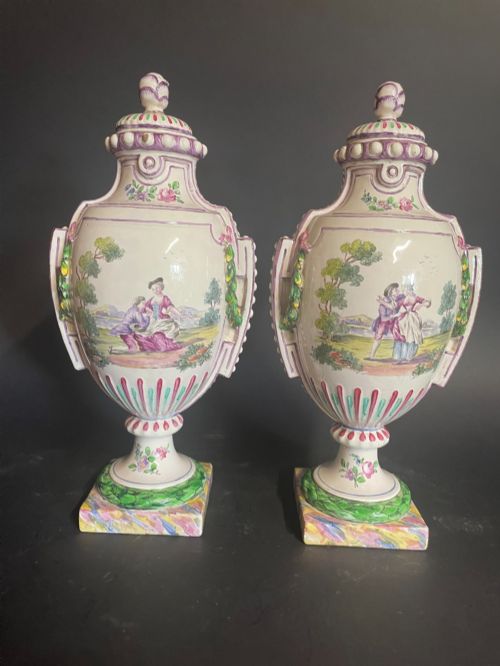
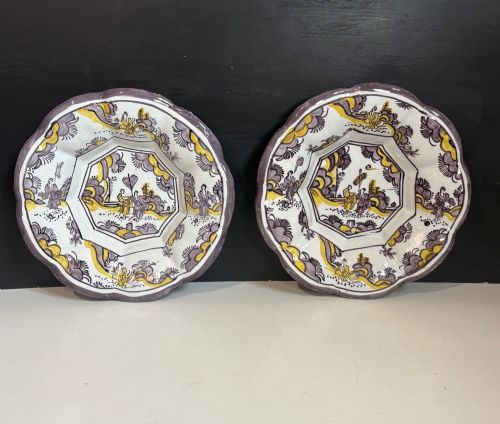
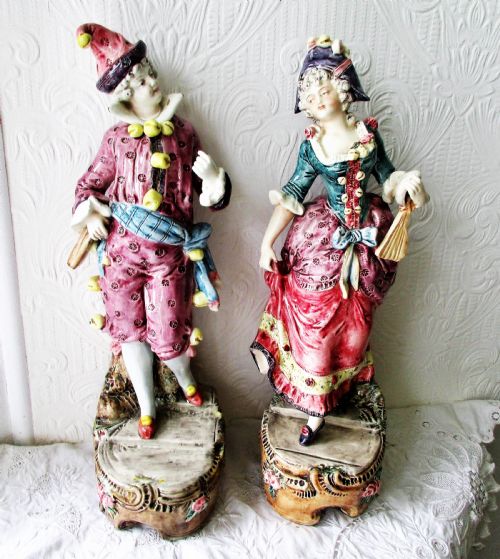
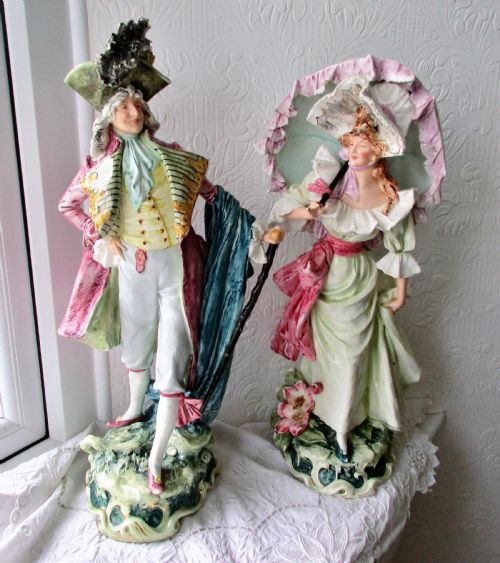
When searching for antique French faience, collectors encounter a diverse range of tin-glazed earthenware objects spanning several centuries of European ceramic production. The selection encompasses practical tableware and decorative items, including chargers, dishes, vases, figurines, and apothecary jars originating from renowned production centres.
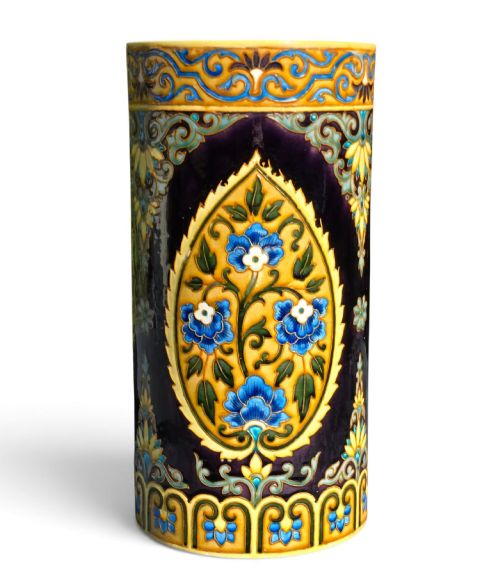
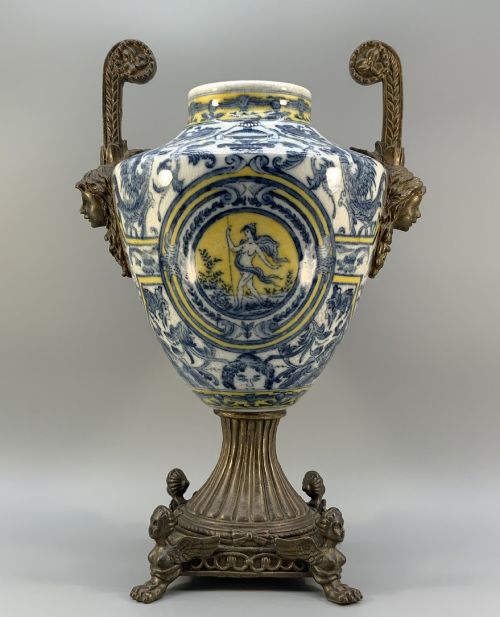
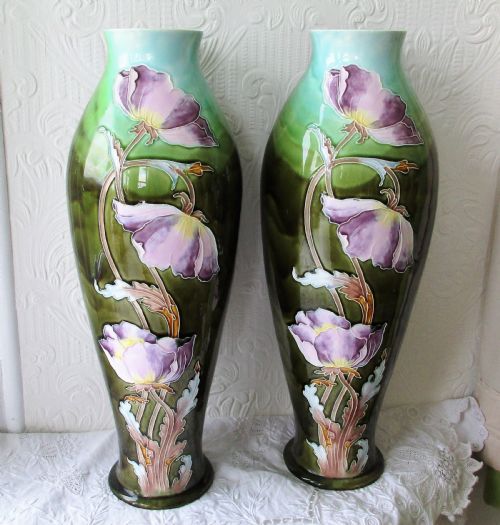
Nineteenth-century examples are most frequently met on this page, alongside significant eighteenth-century pieces. These later works often revive earlier regional motifs or embrace contemporary aesthetics such as Art Nouveau and Renaissance Revival.
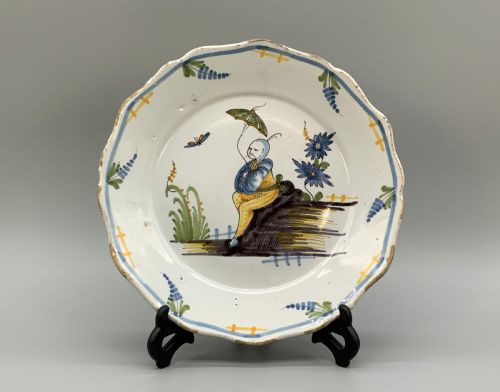
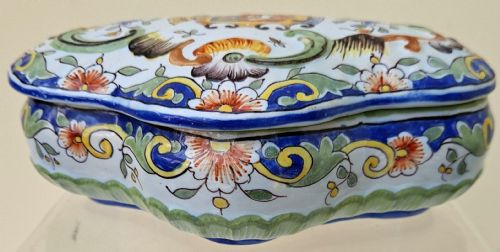
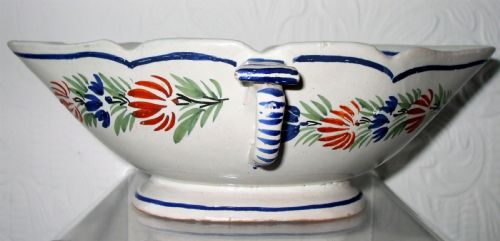
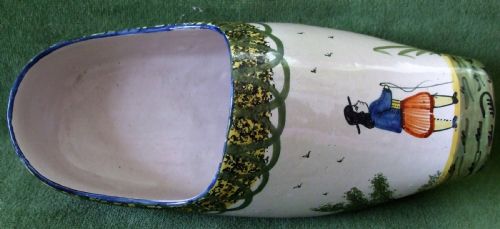
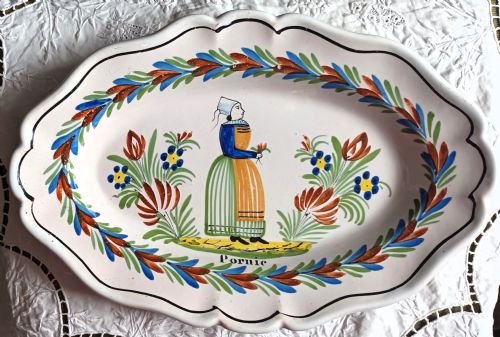
Regional variations define much of the category, from the distinctive Breton figures of Quimper to the polychrome designs of Desvres, Nevers, and Marseille. Buyers find both utilitarian vessels and ornamental showpieces that reflect the specific traditions of French provincial potteries.
Materials and Construction Techniques
Makers utilised earthenware bodies coated in an opaque white tin glaze, which provided a smooth, uniform surface for subsequent hand-painting. Artisans applied mineral enamels directly onto the absorbent unfired or biscuit-fired glaze before the final kiln firing fixed the pigments.
The palette relied on metallic oxides to achieve specific tones, including cobalt for blue, manganese for purple-brown, and various agents for polychrome highlights. Certain advanced pieces incorporated bronze mounts or gilt detailing to elevate the status of the ceramic body.
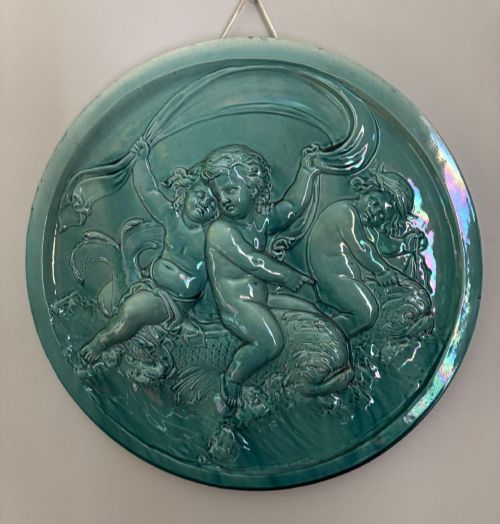
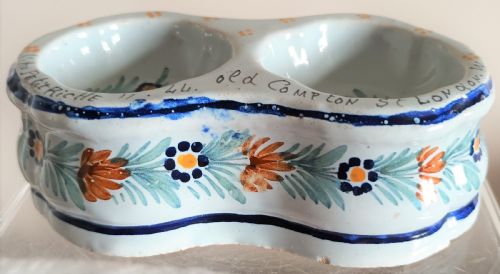
Listings feature eighteenth and nineteenth-century earthenware forms, including wall plaques, jardinieres, and figural desk accessories.
Evaluating Quality and Craftsmanship
Quality in antique French faience rests upon the precision of the hand-painted brushwork and the clarity of the tin glaze. Superior examples display confident, finely detailed pictorial scenes or floral motifs executed by skilled decorators rather than hurried factory output.
The sophistication of the form and the crispness of moulded details distinguish exceptional pieces from standard provincial wares. Early eighteenth-century items and works attributed to notable manufactories generally demonstrate greater artistic ambition in their execution.
Théodore Deck·Fourmaintraux-Courquin·Clement Messier·Joseph-Gaspard Robert·Veuve Perrin
The Antique French Faience Glossary
- Faience
- Tin-glazed earthenware produced in France, typically featuring hand-painted decoration over an opaque white enamel.
- Tin Glaze
- A ceramic glaze made opaque by the addition of tin oxide, creating a pale background suitable for painting.
- Polychrome
- Decoration employing multiple distinct colours, commonly utilising metallic oxide pigments on ceramic surfaces.
- Chinoiserie
- European artistic interpretations of Chinese and East Asian decorative motifs, frequently adapted by French ceramicists.
- Vide-Poche
- A small tray or bowl designed for emptying pockets of small items, often rendered in decorative faience.
Antique French Faience: Frequently Asked Questions
What is an apothecary jar?
Apothecary jars were functional vessels utilised by pharmacists to store dry drugs, herbs, and liquid medicines. Their tin-glazed earthenware surfaces protected contents from moisture while displaying identifying painted labels.
Today, these jars are collected for their historical utility and bold decorative presence, often featuring manganese or blue pigment lettering against a white glaze.
How should I clean antique faience?
Cleaning antique tin-glazed earthenware requires gentle methods to protect the historic glaze and hand-painted enamel decoration. Dusting with a soft, dry cloth is usually sufficient for routine maintenance.
Water and harsh chemical detergents should be avoided, as moisture can infiltrate old hairline cracks in the earthenware body and destabilise fragile pigments.
Are eighteenth-century pieces different from nineteenth-century ones?
Eighteenth-century faience generally displays looser, more expressive brushwork tied to specific regional palettes and production methods of the period. These earlier items often show characteristic glaze variations and firing imperfections unique to historical kilns.
Nineteenth-century examples frequently revive these historic styles, such as Renaissance Revival or Iznik motifs, while maintaining more standardised manufacturing techniques.