
French Ceramic Urns
When you seek French ceramic urns, you encounter grand porcelain vessels and glazed earthenware jars designed to bring continental elegance into a room.
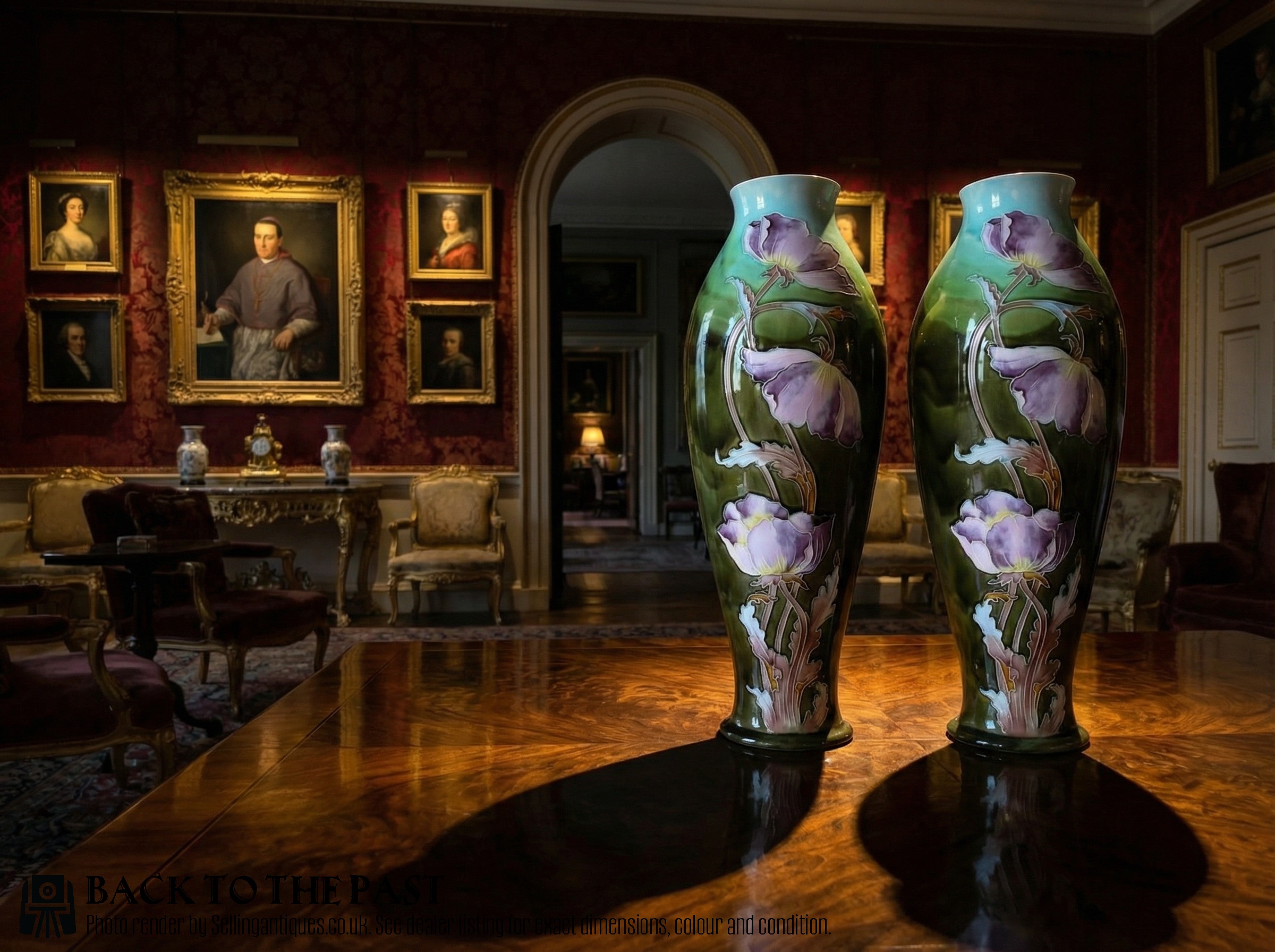
French Ceramic Urns
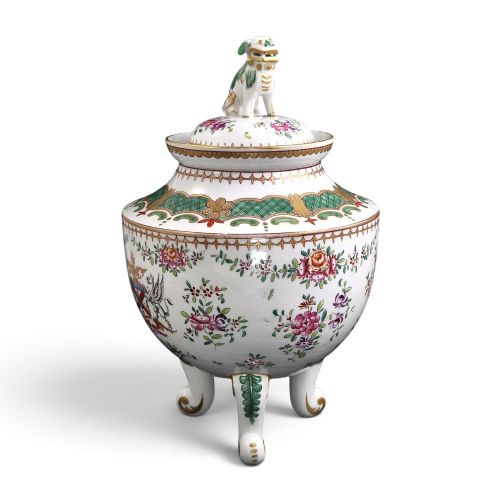
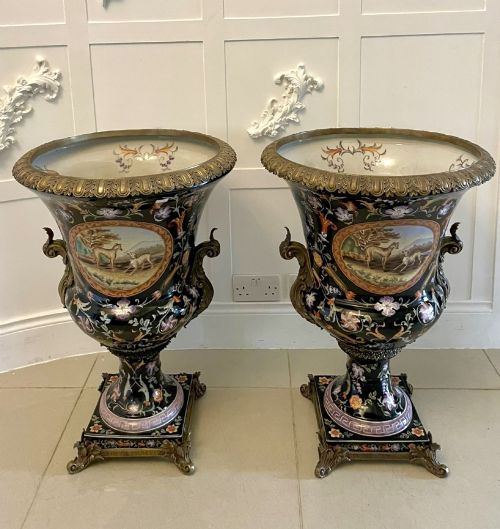
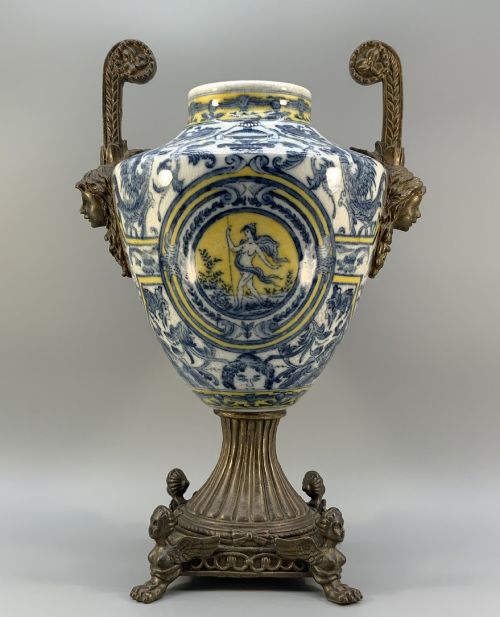
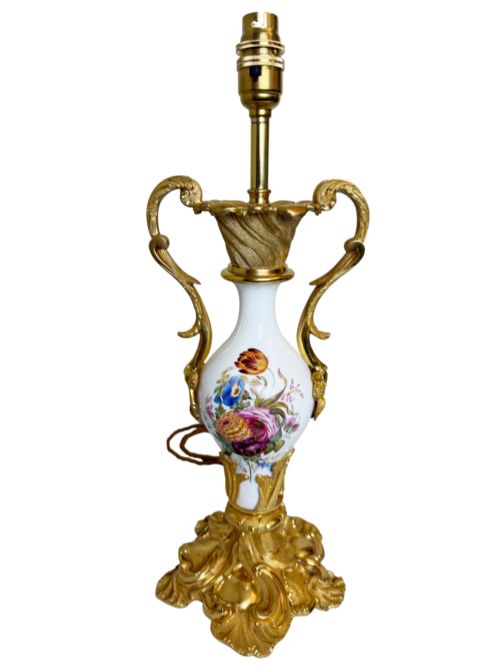
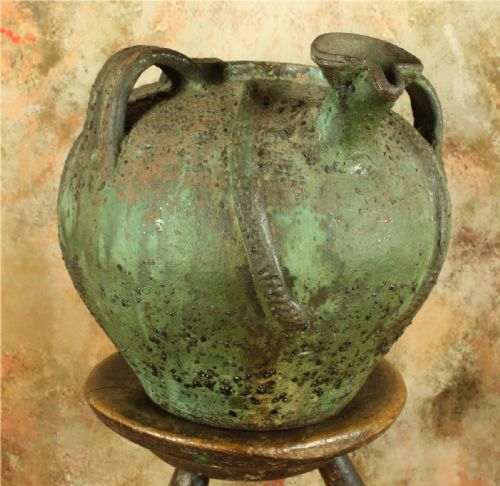
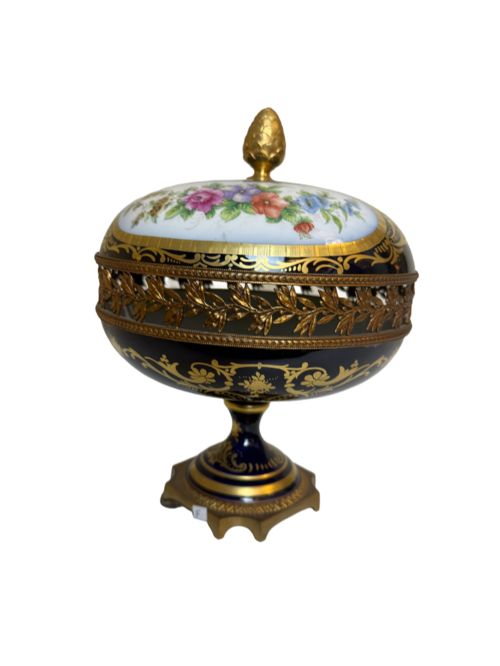
When searching for French ceramic urns, collectors encounter a diverse array of lidded vases, jardinières, and decorative vessels spanning the nineteenth century and beyond. These pieces range from delicate, hand-painted porcelain objects mounted in gilt bronze to robust earthenware confit pots and faience planters originating from regional workshops.
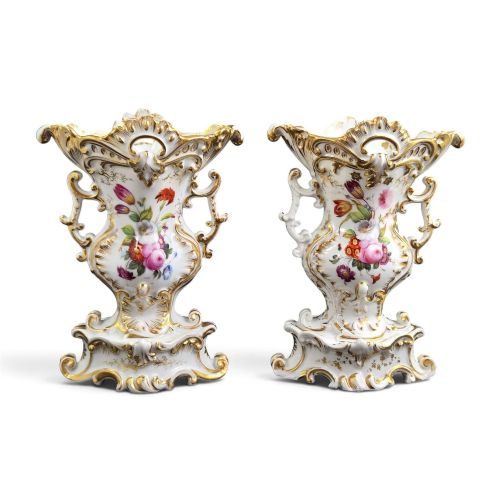
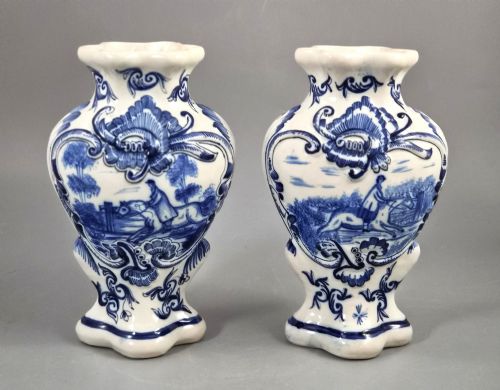
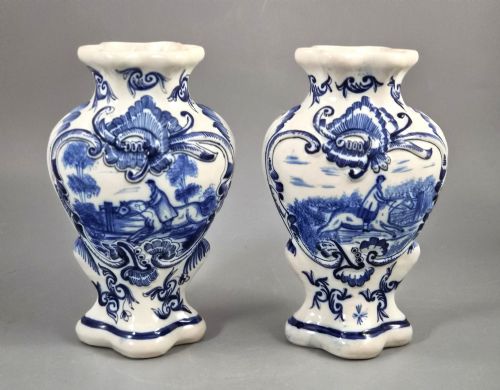
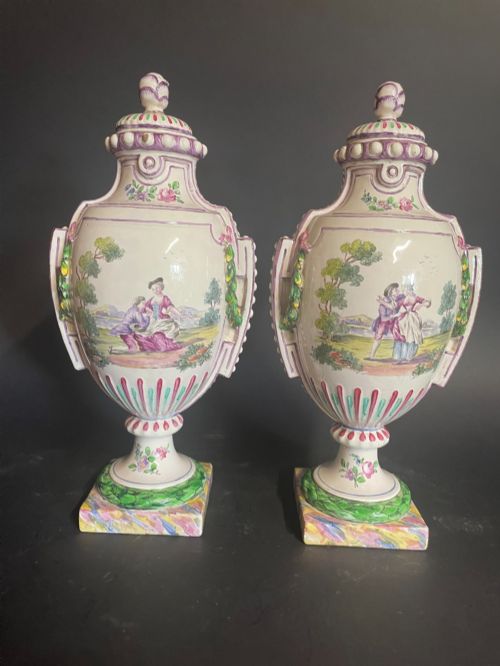
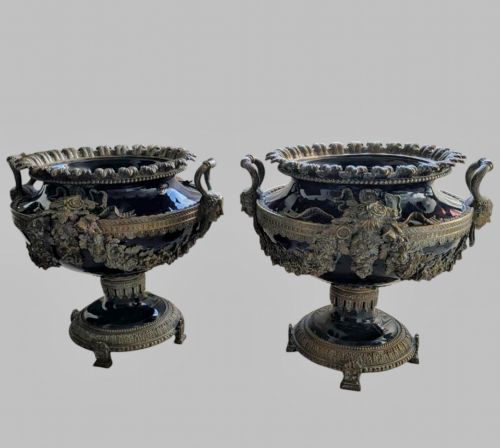
The objects on this page frequently manifest in pairs, styled according to nineteenth-century revivals such as Rococo, Neoclassical, and Renaissance aesthetics. Connoisseurs also find items produced in the Sèvres taste alongside rustic Provençal terracotta jars and blue-and-white Desvres faience.
How They Were Made
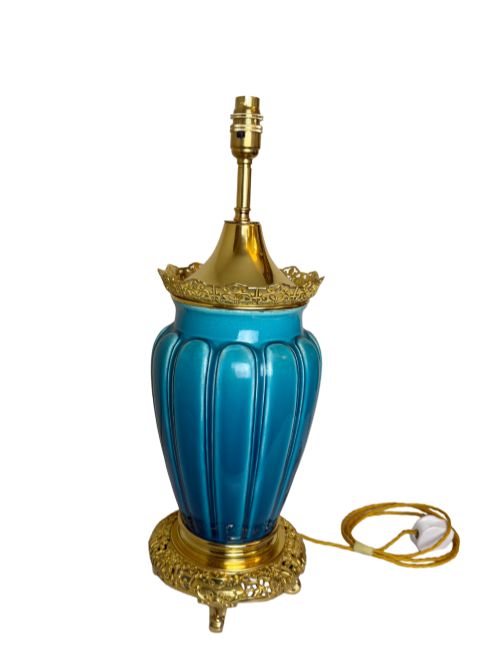
Potters shaped these vessels using fine porcelain bodies or heavier earthenware and terracotta clay, often applying rich glazes in turquoise, blue, green, and manganese. Hand-painting in polychrome pigments and gold leaf frequently decorated the ceramic surfaces before firing.
Metalworkers added structural support and decorative handles by mounting the ceramic bodies in gilt bronze, brass, or ormolu. Many pieces combined these cast metal mounts with fitted lids and stands to complete the classical urn silhouette.
Listings feature eighteenth and nineteenth-century periods, utilising materials from terracotta and earthenware to porcelain, ormolu, and gilt bronze.
What Varies in Quality
Quality rests upon the crispness of the ceramic moulding and the refinement of the hand-painted details. Finer porcelain vessels display precise brushwork, intricate armorial or floral motifs, and a smooth, unblemished glaze.
The execution of the metal mounts further separates standard items from exceptional ones. Heavier, finely chased ormolu or gilt bronze mounts that integrate seamlessly with the ceramic body indicate superior workshop production.
Samson Paris·Jacob Petit·Fourmaintraux Courquin·Robert T Lallement
The French Ceramic Urns Glossary
- Faience
- Tin-glazed earthenware produced in France, often featuring hand-painted blue and white or polychrome designs. It forms the basis of many decorative regional vases.
- Ormolu
- Finely ground high-carat gold cast and chased upon a bronze base, utilised for mounts on luxury nineteenth-century porcelain urns. This technique adds rich metallic highlights.
- Confit Pot
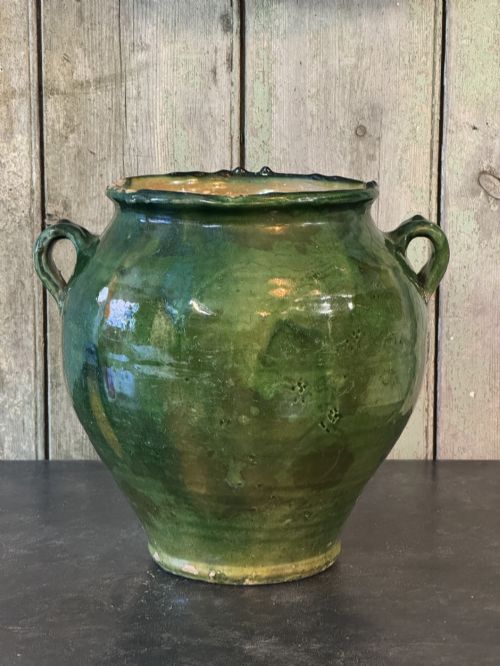
- A traditional glazed earthenware jar from rural France, originally utilised for preserving meat. These utilitarian vessels feature sturdy handles and aged patinas.
- Pate Sur Pate
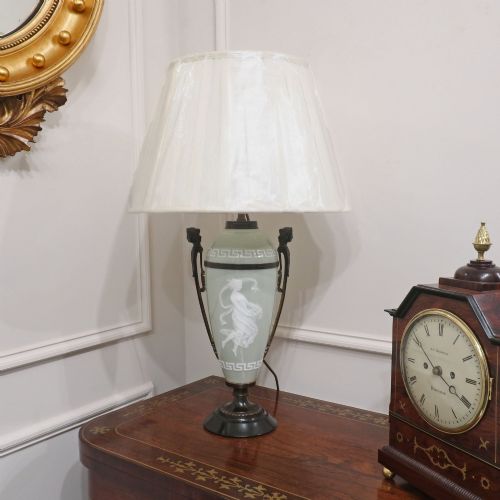
- A ceramic decoration technique where layers of liquid white porcelain slip are built up on a coloured clay body to create a low relief cameo effect.
- Bleu Céleste
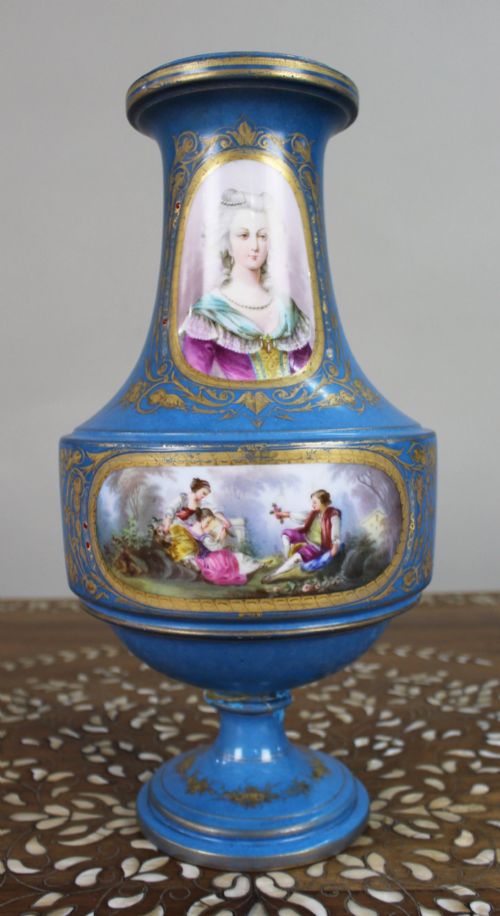
- A vibrant turquoise or sky blue porcelain ground colour associated with luxury Sèvres factory pieces. It provides a striking backdrop for gilt bronze trim.
French Ceramic Urns: Frequently Asked Questions
How do I identify a Sèvres style piece?
Examine the piece for rich turquoise or bleu céleste ground colours combined with elaborate hand-painted decoration and gilt bronze mounts. These aesthetic markers imitate the royal French factory output.
Many nineteenth-century makers, including Samson of Paris, produced decorative vessels in this distinct taste to satisfy the Victorian demand for continental luxury.
Were these urns used for plants?
Many ceramic urns and jardinières served as indoor planters for displaying flowers or small potted plants within nineteenth-century drawing rooms. Their glazed interiors protected the ceramic body from moisture.
Other lidded vessels functioned purely as decorative mantel ornaments or potpourri jars meant to hold dried scented petals.
What is a confit pot used for?
Confit pots originated in rural France as utilitarian storage jars for preserving duck or pork confit in fat. Potters glazed the interior to keep the contents airtight.
Today, collectors appreciate these heavy earthenware vessels for their earthy glazes and rustic presence in domestic interiors.
How do I tell faience from porcelain?
Faience consists of an opaque earthenware body covered in a tin glaze, resulting in a heavier weight and a porous structure if chipped. Porcelain is vitrified, harder, and rings when struck gently.
Faience often displays hand-painted regional patterns, whereas fine porcelain urns typically exhibit delicate gilding and refined neoclassical motifs.