


Cream Earthenware Dish
A cream earthenware dish offers a subtle pale surface that sets the standard for utilitarian and decorative ceramic service.
Cream Earthenware Dish
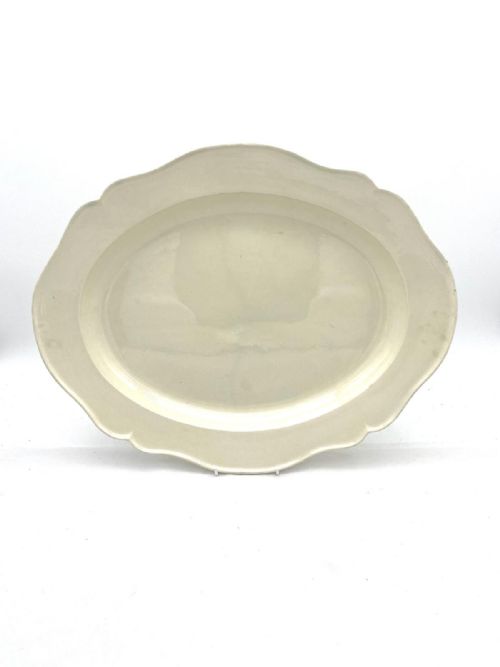
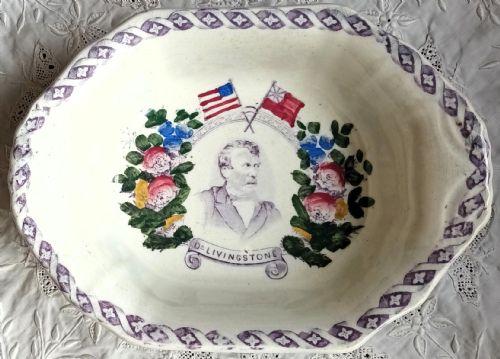
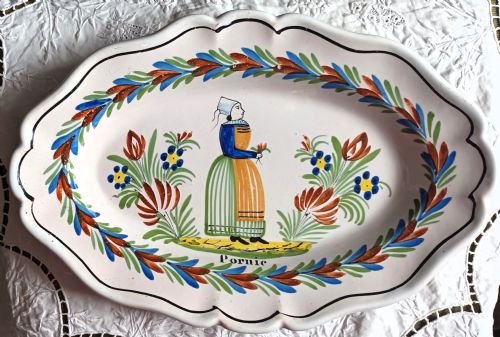
A cream earthenware dish represents a versatile category of domestic ceramic ware designed for serving and display across multiple centuries. Buyers encounter various forms ranging from eighteenth-century English platters to Victorian cheese dishes and decorative vessels.
The pieces on this page span several traditions including English creamware, Staffordshire products, and continental ceramics. These items reveal domestic habits and table arrangements from the Georgian era through to the early twentieth century.
Materials and Construction Techniques
Potters utilised refined clay bodies fired to create durable earthenware forms. Transparent lead glazes or enamel colours were applied to produce smooth, pale surfaces suitable for daily use or display.
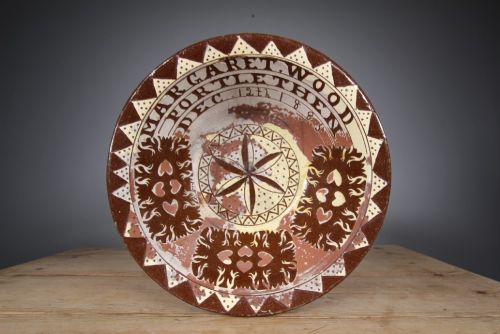
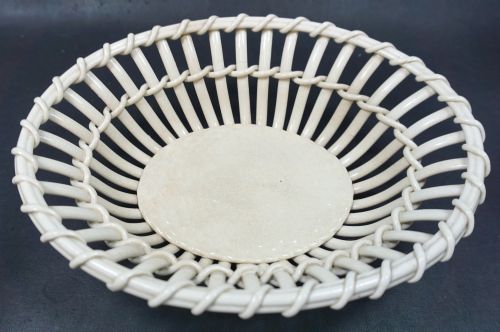
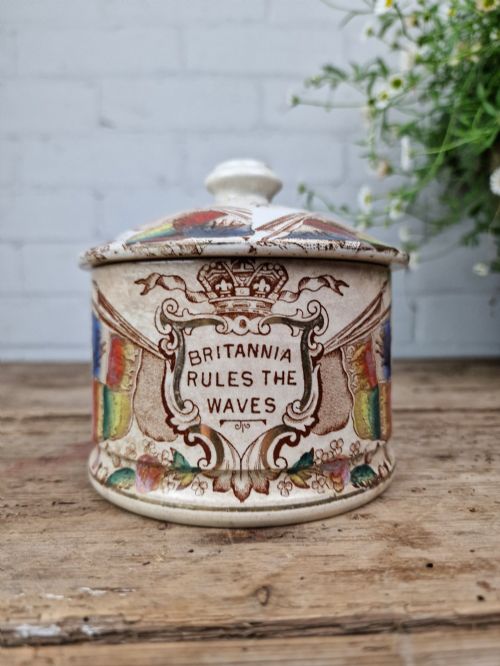
Moulding and shaping techniques allowed makers to produce silver-shaped edges, intricate basketweave patterns, and fitted stands. Surface decoration often involved hand painting, transfer printing, or low-relief moulding.
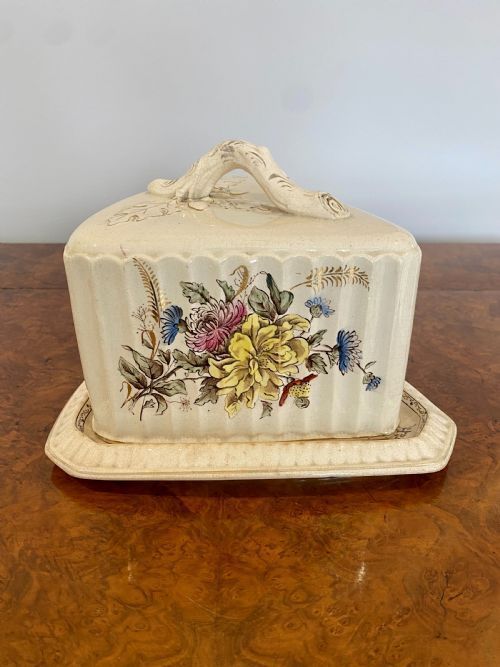
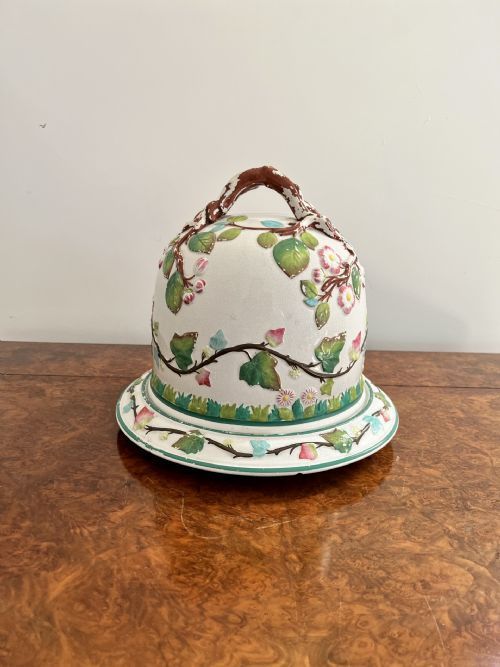
Several cheese dishes on this page were designed with specialised domes to keep dairy cool on Victorian sideboards.
Assessing Quality and Execution
The distinction between standard domestic items and superior examples lies in the refinement of the clay body and the crispness of the moulded details. Finer pieces demonstrate thinner walls, balanced proportions, and careful application of glaze without pooling or distortion.
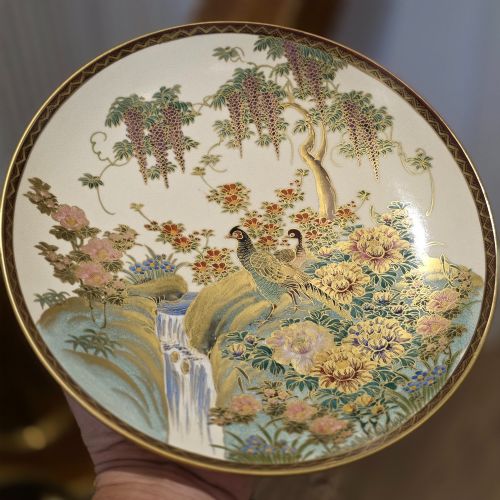
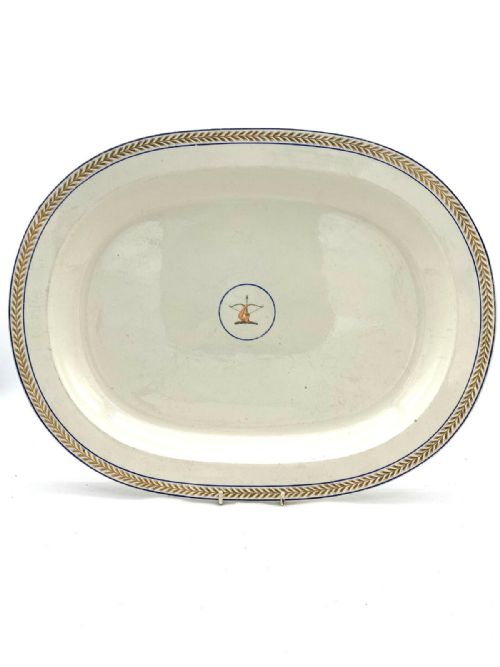
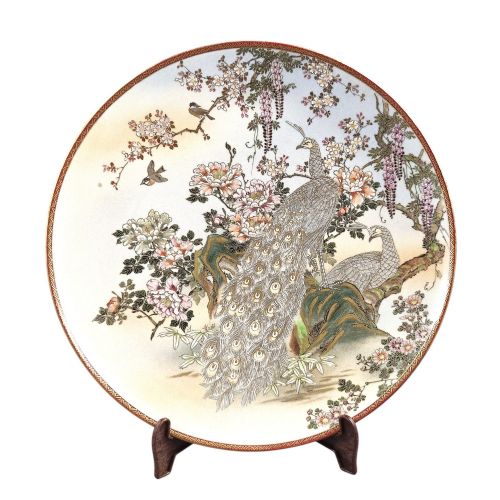
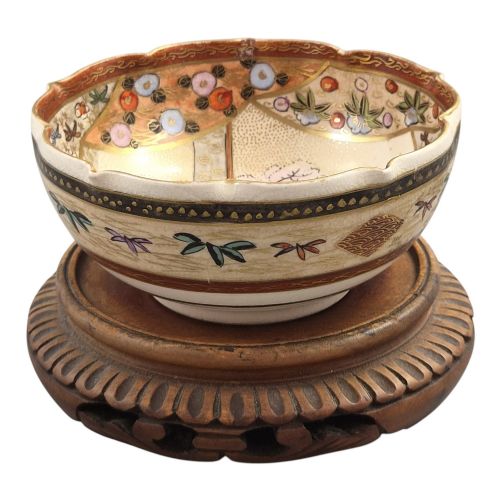
Painted or enamelled decoration contributes significantly to the visual weight of a piece. Skilled brushwork, harmonious colour palettes, and well-composed armorial or floral motifs distinguish master potters from routine production.
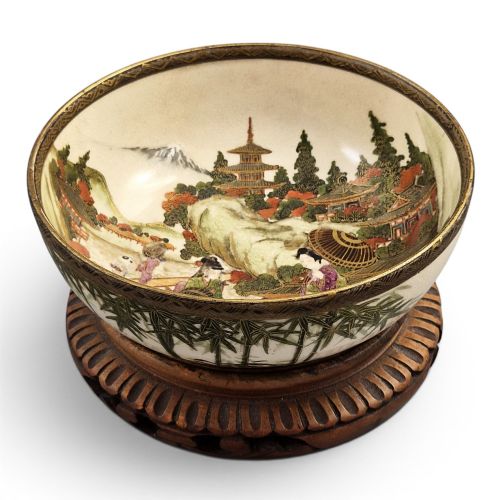
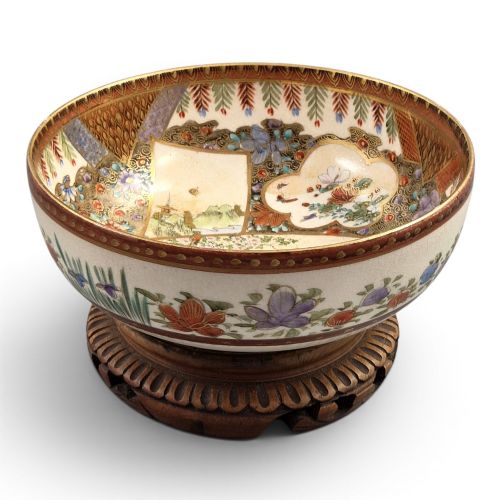
Wedgwood·Mann And Co·Koshida·Kozan·Nikko·Meizan·Bursley Ware·Davenport
The Cream Earthenware Dish Glossary
- Creamware
- A fine light-coloured earthenware developed in eighteenth-century England. It is covered with a transparent lead glaze that yields a warm cream tone.
- Earthenware
- Porous pottery fired at relatively low temperatures. It requires glazing to become impermeable to liquids.
- Majolica
- A type of earthenware decorated with colourful lead glazes. It produces rich, glossy surfaces popular during the Victorian period.
- Spongeware
- Pottery decorated by dabbing pigment onto the biscuit or glazed surface using a sponge. This technique creates a mottled, textured pattern.
- Transfer printing
- A method of applying pre-printed designs to ceramic surfaces using engraved copper plates and tissue paper. It revolutionised pottery decoration in the eighteenth and nineteenth centuries.
Cream Earthenware Dish: Frequently Asked Questions
How were these dishes used historically?
These vessels served various functions at the dining table, ranging from holding cheeses and desserts to presenting large joints of meat. Platters and tureens formed part of coordinated services for formal meals.
Smaller decorative dishes and bowls were often used for side courses or sweetmeats. Over time, many pieces transitioned from active service to ornamental display.
How do I care for antique earthenware?
Antique earthenware requires gentle handling due to the porous nature of the ceramic body and potential age-related crazing in the glaze. Hand washing with mild soap is essential to protect the surface.
Avoid soaking these pieces in water for extended periods. Sudden temperature changes should also be prevented to protect the historical glaze layer.
How can I tell the age of a dish?
Dating relies on examining the weight of the ceramic, the tone of the glaze, and any maker marks stamped or painted underneath. Eighteenth-century examples often feature distinct potting traits and lighter thrown walls compared to later Victorian items.
Stylistic cues such as moulded basketweave borders or transfer-printed scenes provide further chronological context. Comparing pieces to documented historical services confirms specific manufacturing decades.