


Asian Art Pottery
Asian art pottery gathers ceramic vessels, figures and bowls from Japanese and Chinese workshops across multiple centuries.
Asian Art Pottery
When you search for asian art pottery, you encounter a varied selection of items including vases, decorative bowls, okimono, and jardiniere pieces. These objects span from the Edo period and Ming dynasty through the Meiji, Taisho, and early Showa eras up to the nineteen-twenties.
The pieces you are most likely to meet on this page include Japanese Satsuma and Sumida Gawa wares alongside Chinese porcelain and stoneware. Makers and styles range from Kyoto production to Yokohama workshops and Kobe Satsuma creators.
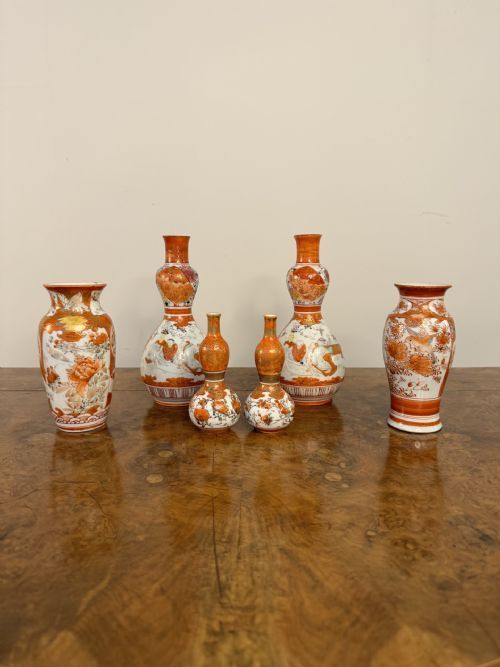
Forms vary from large vases and double gourd vessels to small okimono figures depicting sages, monks, and animals. Each item reflects the distinct ceramic traditions of its period of origin.
Assessing quality
Quality rests on the fineness of the painting, the control of the glaze, and the precision of the modelled figures. Pieces signed by recognised makers demonstrate higher levels of execution in detail and finish.
The complexity of the subject, such as multiple arhats or intricate figurative relief, distinguishes standard production from superior examples. Preservation of the enamel, gilding, and original surface condition also defines the upper tier.
Asian Art Pottery Retail Price Guide 2026
Typical asking prices for asian art pottery among the pieces listed under this phrase on Sellingantiques today, from the lower quarter to the upper quarter. They describe what is for sale here now, not the wider market.
Listings feature items from the seventeenth century through the Edwardian era, spanning Chinese porcelain and Japanese earthenware.
Inoue Ryōsai·Manpei·Hotoda·Makuzu Kozan·Kinkozan
The Asian Art Pottery Glossary
- Okimono
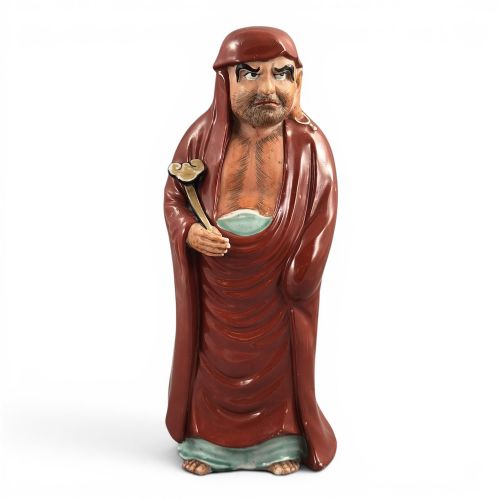
- A Japanese ornamental carving or figure designed for display on a tokonoma or shelf. These ceramic examples depict figures such as Bodhidharma or mandarin ducks.
- Satsuma
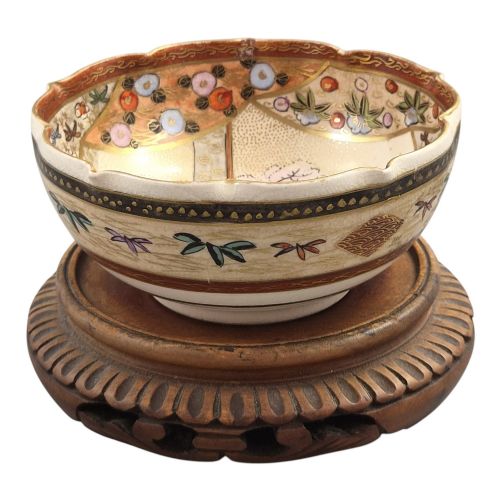
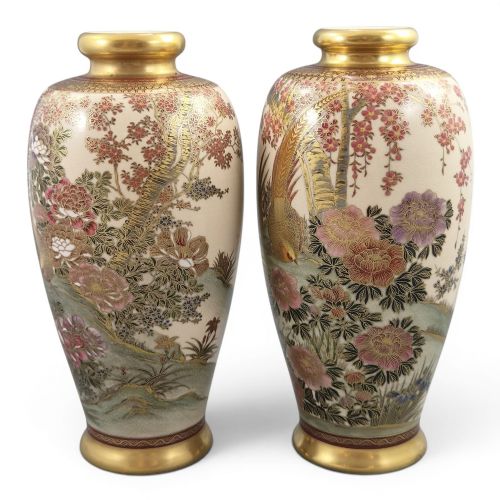
- A type of Japanese earthenware originating from Satsuma Province, typically featuring a crackled cream glaze decorated with enamel and gilt. Kyoto and Kobe workshops produced notable examples.
- Sumida Gawa
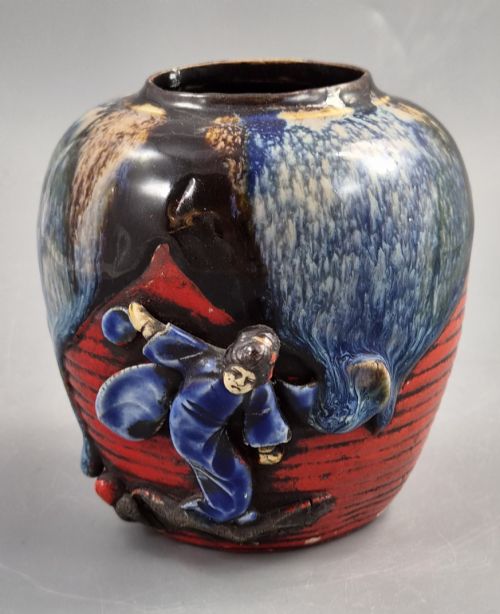
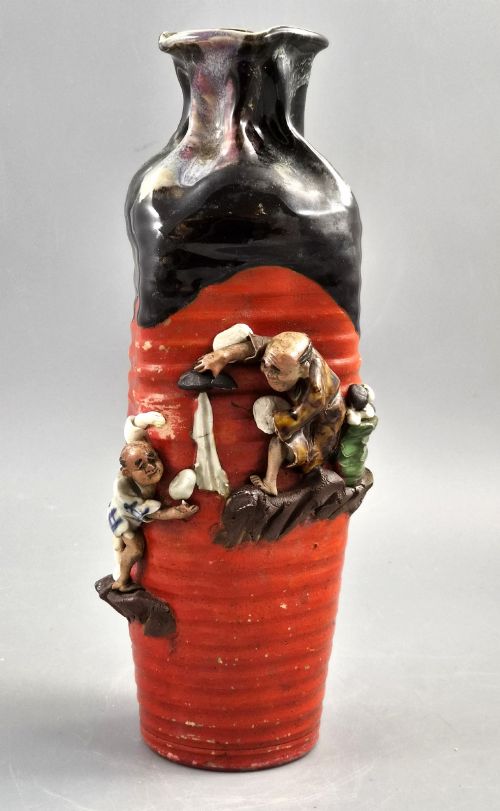
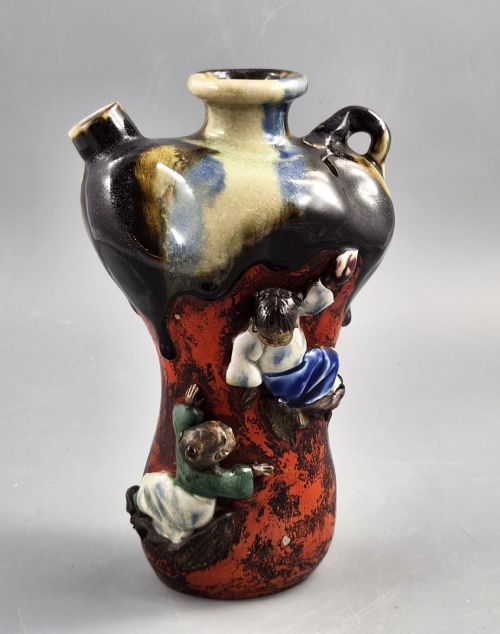
- Japanese pottery characterised by heavy, flowing glazes and distinctive applied figures modelled in high relief. Pieces often date from the Meiji and Taisho periods.
- Jardiniere
- A large ornamental pot or container designed to hold a plant or floral arrangement. These stoneware and ceramic pieces often feature detailed decorative surfaces.
- Ming Dynasty
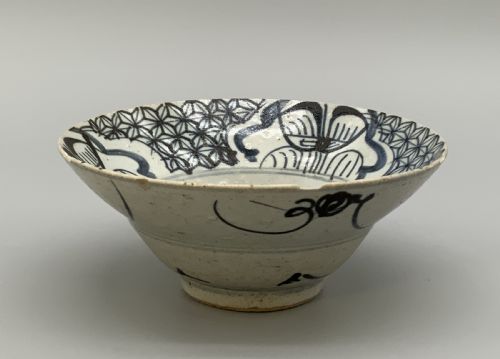
- A historical period of Chinese imperial rule associated with specific porcelain forms and ceramic traditions. Pieces from this era include Swatow bowls.
Asian Art Pottery: Frequently Asked Questions
What is Satsuma pottery?
Satsuma pottery is a type of Japanese ceramic known for its ivory-coloured earthenware body covered in a fine network of crackled glaze. Artisans then painted intricate designs over this surface using polychrome enamels and gold leaf.
Production centres expanded beyond Satsuma province to cities like Kyoto and Yokohama, where workshops produced bowls, vases, and figural okimono for export and domestic use.
How do I identify Sumida Gawa pottery?
Sumida Gawa pottery is readily identified by its thick, dripping glazes, often in blue or multicoloured effects, combined with figures modelled in high relief that climb or sit on the vessel walls.
These pieces were produced in Tokyo workshops during the late Meiji and Taisho periods, offering a distinct contrast to smooth painted porcelain.
What are okimono figures?
Okimono are decorative objects meant for display in a Japanese interior, taking the form of figures, animals, or mythological subjects. Ceramic examples include depictions of monks, sages, and deities.
Artists sculpted these from porcelain, stoneware, or earthenware, sometimes incorporating painted details and gilt highlights.
How do I date these ceramics?
Dating relies on stylistic markers, materials, signatures, and historical periods such as the Meiji, Taisho, or Edo eras. Certain glaze types and painting styles align with specific manufacturing decades.
Maker signatures and workshop locations also provide direct evidence for the active operational window of individual pottery studios.