


Underglaze Blue Vase
An underglaze blue vase brings historic ceramic artistry into a room through vibrant cobalt decoration fired beneath the protective glaze.
What an underglaze blue vase is
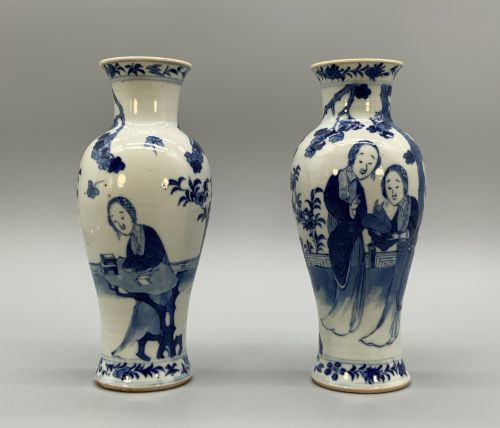
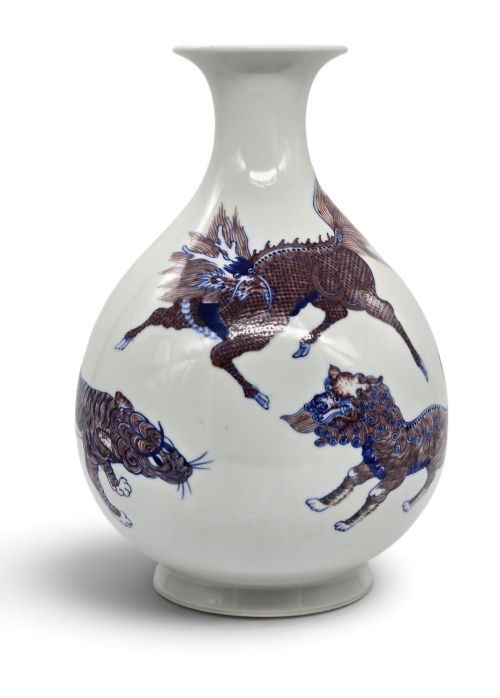
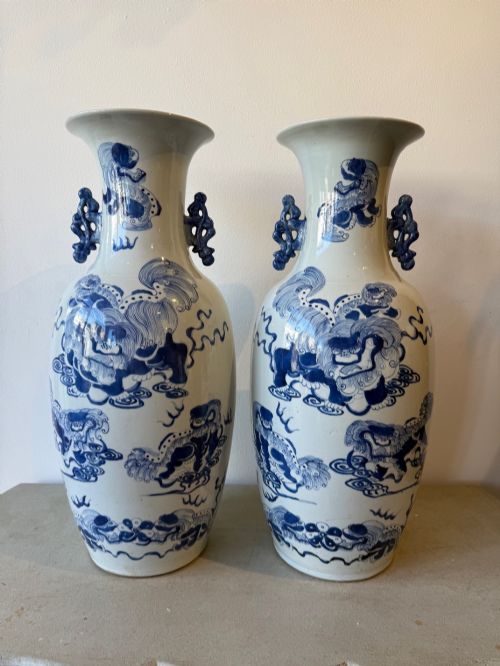
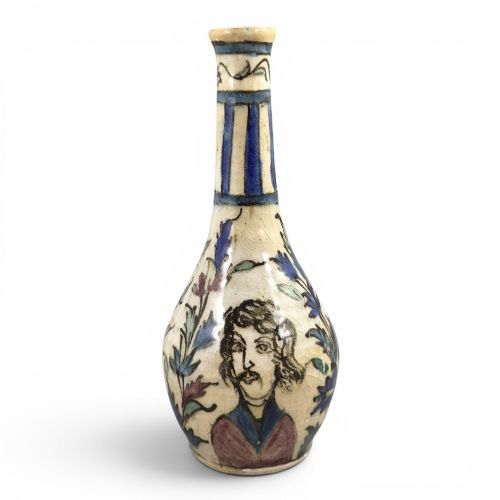
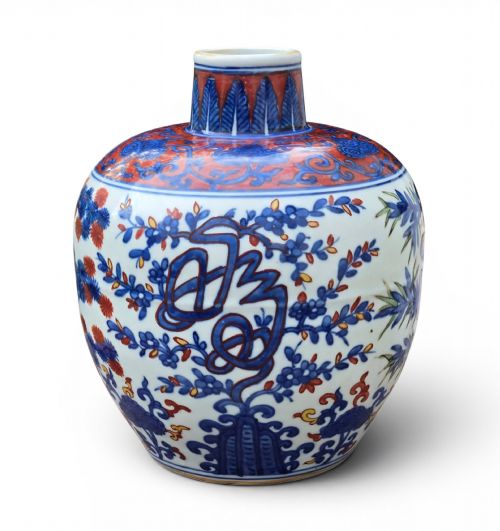
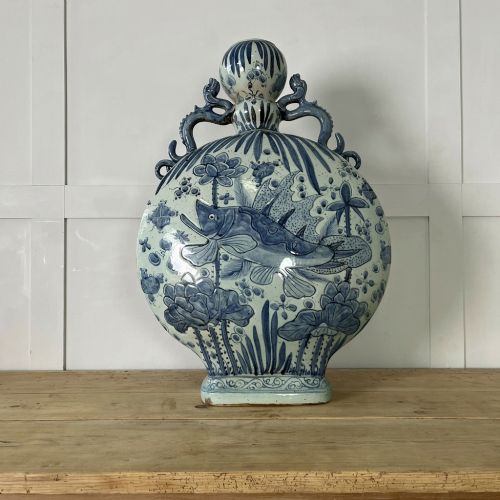
When you search for an underglaze blue vase, you encounter pieces spanning the nineteenth century, nineteen hundred, and nineteen ten. These items include bottle vases and double gourd vases originating from Chinese decorative art, Ming Dynasty style, Meiji Period, and Chinese export traditions.
The version you are most likely to meet on this page is a nineteenth century porcelain bottle vase or double gourd vase. Such vessels showcase traditional forms such as the bottle vase and the double gourd vase, reflecting distinct historical periods and stylistic influences.
How they were made
Maker application relies on cobalt pigment and cobalt underglaze brushed directly onto the ceramic body before firing. A clear glaze is then applied over the decoration, sealing the pigment permanently beneath the surface during the high temperature kiln process.
Ceramic and porcelain materials form the structural base of these vessels, shaped into complex silhouettes like bottle vases and double gourd vases. The combination of cobalt glaze and underglaze techniques ensures the characteristic blue tones remain bright and durable over centuries.
Retail Price Guide 2026
Typical UK retail prices for underglaze blue vase, calculated from the Sellingantiques database of over a million retail prices indexed since 2003. This retail price guide relies exclusively on Sellingantiques data; no external sources or auction records are used, so the figures do not describe the wider market.
Listings feature porcelain vessels decorated with cobalt underglaze, spanning the nineteenth century through nineteen ten across Chinese and Japanese traditions.
What varies in quality
The sophistication of the cobalt pigment application separates standard production from superior examples. Precision in brushwork during the depiction of motifs like the Seven Worthies or dragons dictates the visual impact of the piece.
The refinement of the ceramic body and the clarity of the glaze layer also determine the grade of the vessel. Historical association with specific eras such as the Wanli period or the artistry of named makers elevates the standing of individual pieces.
Makuzu Kozan
The Underglaze Blue Vase Glossary
- Underglaze blue
- A method of decoration where cobalt pigment is applied to the unglazed ceramic body before a clear glaze covers it for the final kiln firing. This technique protects the blue pigment from wear over time.
- Bottle vase
- A ceramic vessel characterised by a bulbous lower body and a tall, narrow neck resembling a bottle. This classic form appears frequently in nineteenth century porcelain.
- Double gourd vase
- A vessel shaped in the form of a double gourd, featuring two rounded lobes stacked one upon the other. It holds symbolic significance in Chinese decorative art.
- Porcelain
- A hard, fine-grained ceramic material fired at high temperatures until vitrified and impermeable. It provides the smooth white ground essential for contrasting cobalt blue decoration.
- Cobalt pigment
- The metallic colourant used to create deep blue hues under the glaze. Its chemical stability allows it to withstand the intense heat required for porcelain firing.
Frequently Asked Questions
What is an underglaze blue vase?
An underglaze blue vase is a ceramic or porcelain vessel decorated with cobalt pigment beneath a clear glaze. These pieces range from nineteenth century bottle vases to double gourd forms.
They reflect diverse origins including Chinese export work, Ming style design, and Meiji period Japanese ceramics.
How do I date these vases?
Dating relies on stylistic markers, material composition, and recorded periods such as the nineteenth century or specific decades around nineteen hundred and nineteen ten. Historical references to dynasties like the Wanli period also guide attribution.
Examining the depth of the cobalt glaze and the formation of the porcelain body helps confirm the era of production.
Where were these vases made?
The pieces originate from traditions in Chinese decorative art, Chinese export workshops, and the Meiji period in Japan. Each region utilised distinct shaping techniques and artistic motifs.
Asian ceramic centres produced these vessels for both domestic use and international trade.
How should I display a bottle vase?
A bottle vase requires a stable surface where its height and narrow neck remain secure from accidental knocks. Placing it in natural light allows the underglaze blue decoration to stand out against the porcelain body.
Keep these vessels away from direct heat sources to protect the historic glaze.