





Monumental Porcelain Vase
These large-scale vessels command a room, offering striking decorative presence through substantial proportions and intricate historical artistry.
Monumental Porcelain Vase
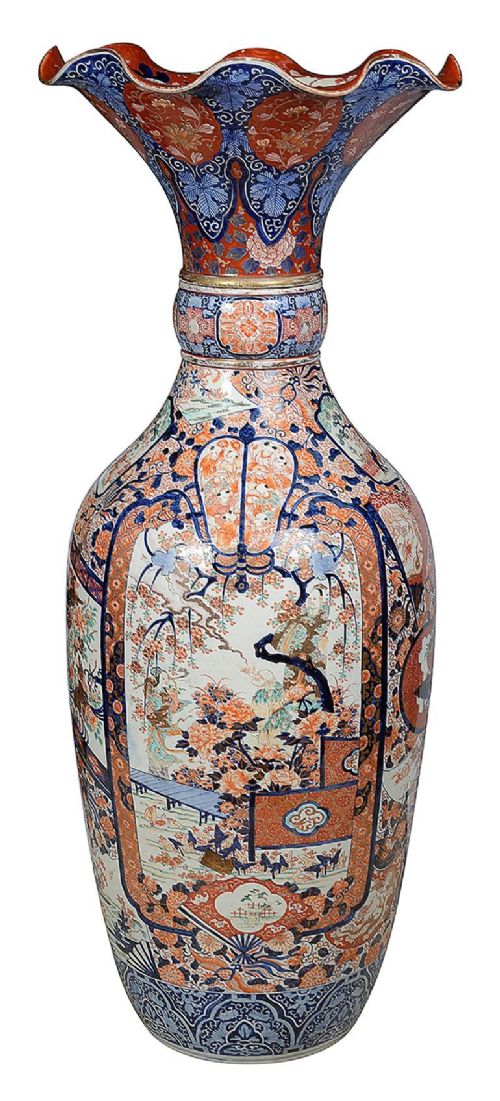
A monumental porcelain vase demands immediate attention in any interior, scaling up traditional forms into grand decorative statements. These pieces originate predominantly in the nineteenth century, reflecting global tastes for massive display ceramics during that era. Buyers searching for a monumental porcelain vase will encounter impressive floor-standing vessels and palace jars designed for focal placement in large rooms.
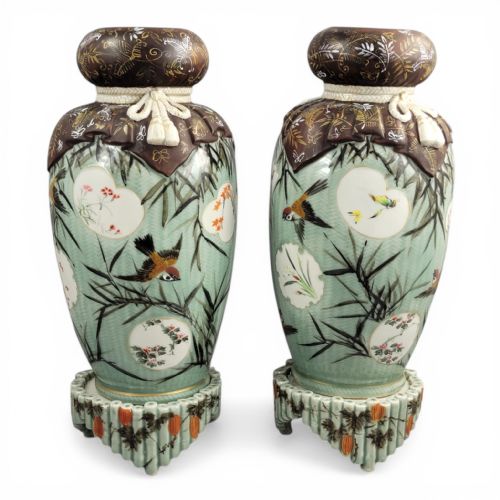
The selections available span several distinct cultural traditions and aesthetic movements from the nineteenth century. Japanese Meiji period works appear alongside Qing dynasty Chinese ceramics and European interpretations like Sèvres style pieces. Imari palettes, celadon glazes, and intricate Canton enamel decorations represent the common visual forms within this category.
Many of these large vessels were adapted into table lamps or fitted with custom elements like wood or ormolu mounts. Others retain their original lidded configurations and matching porcelain stands, preserving their complete historical stature. Floor vases and decorative urns dominate the physical formats seen across these grand ceramic works.
Materials and construction techniques
Makers utilised high-fired porcelain as the primary structural body for these large vessels, applying various glazes such as celadon and overglaze enamel decoration. Gilding and gold leaf accents frequently highlight the complex painted motifs across the surface of the ceramic. Wood and brass elements, along with ormolu mounts, provide structural support and decorative framing for specific European and Asian pieces.
The production of such massive porcelain forms required exceptional skill in kiln firing to prevent warping or collapse under extreme heat. Artisans combined hand-painted enamel work with intricate blue and white underglaze decoration on monumental scales. Specialised stands and lidded covers were often produced as integral components to complete the grand composition of the vase.
Monumental Porcelain Vase Retail Price Guide 2026
Typical asking prices for monumental porcelain vase among the pieces listed under this phrase on Sellingantiques today, from the lower quarter to the upper quarter. They describe what is for sale here now, not the wider market.
Some vessels stand taller than an average person, requiring architectural placement rather than a standard tabletop.
Distinguishing quality in grand ceramics
The refinement of the painted details and the clarity of the enamel work separate standard decorative items from superior examples. Master artists executed intricate pictorial scenes and complex geometric patterns with precise control over the brush. The depth and richness of the gilding further indicate the level of craftsmanship invested in the piece.
Proportion and structural integrity across such large dimensions dictate the physical success of the ceramic vessel. Original matching components, such as porcelain stands and lidded covers, elevate the completeness and historical value of the object. Signed works by notable makers demonstrate documented artistry that distinguishes individual pieces within the field.
Kato Sanhei·Seiko-en Chokei
The Monumental Porcelain Vase Glossary
- Celadon
- A type of transparent green glaze applied to porcelain, creating a jade-like surface appearance. This glaze tradition dates back centuries and appears on nineteenth-century Chinese vessels.
- Imari
- A style of Japanese export porcelain featuring a distinctive palette of underglaze blue, iron red, and gold. These colourful designs gained immense popularity during the Meiji period.
- Ormolu
- Gilded bronze mounts applied to furniture and decorative ceramics, particularly favoured in European pieces. This metalwork provides ornate handles, bases, and rims to complement the porcelain body.
- Baluster
- A vase shape characterised by a rounded body that tapers toward the base and swells near the lower portion. This architectural silhouette supports grand decorative schemes on large floor vessels.
- Overglaze enamel
- Pigments applied over a previously fired and glazed ceramic surface before undergoing a second, lower-temperature kiln firing. This technique permits brilliant polychrome decoration.
Monumental Porcelain Vase: Frequently Asked Questions
How were monumental porcelain vases used historically?
These large vessels served primarily as grand decorative fixtures in stately homes, palaces, and public halls during the nineteenth century. Their immense scale was designed to anchor the visual weight of high-ceilinged reception rooms and grand staircases.
In many instances, such pieces functioned as floor vases or palace urns, sometimes later converted into impressive table lamps to suit changing domestic interiors. Their substantial presence reflected the wealth and aesthetic ambitions of their owners.
What distinguishes Meiji period vases from Qing dynasty pieces?
Meiji period Japanese works often showcase dense Imari patterns or specific artist signatures, reflecting the opening of Japan to Western export markets during the late nineteenth century. These items frequently emphasise intricate surface decoration and distinct regional styles like Seto or Satsuma.
Qing dynasty Chinese ceramics from the same broad century tend to feature traditional motifs, celadon glazes, or elaborate Cantonese rose mandarin enamel work. The clay bodies, potting techniques, and artistic conventions clearly separate the two Asian ceramic traditions.
How should I care for a large porcelain floor vase?
Place the vessel in a secure location away from heavy foot traffic to prevent accidental impacts against the fragile ceramic body. Ensure the floor or supporting stand provides a completely level and stable surface for the immense weight.
Dust the surface gently with a soft, dry cloth and avoid harsh chemical cleaners that might damage delicate overglaze enamels or gold leaf accents. If the piece includes wood or ormolu mounts, treat those materials according to their specific metal or timber requirements.
Are original stands important for these large vases?
Original matching stands provide crucial historical context and ensure the physical stability of extremely heavy floor-standing porcelain vessels. They are specifically designed to distribute the substantial weight of the ceramic evenly across the floor.
Finding a vase with its original matching porcelain or wood stand enhances the overall completeness of the object. Such integrated elements confirm that the piece survives in its intended configuration.