





Japanese Ginger Jar
These Japanese ginger jars and lidded vessels bring centuries of ceramic artistry into the home, prized for their striking hand-painted palettes.
Japanese Ginger Jar
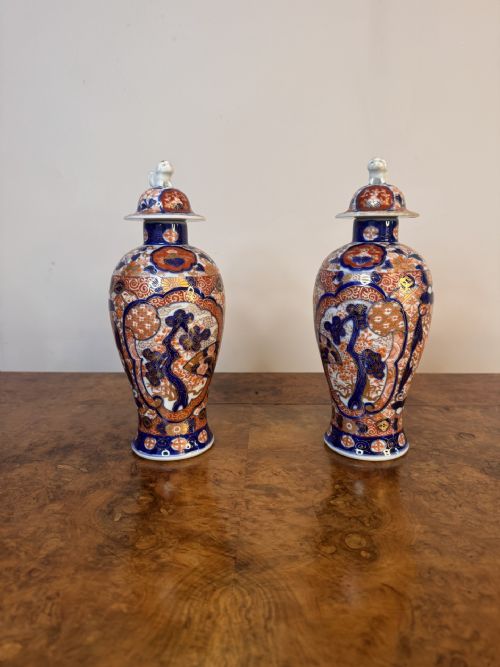
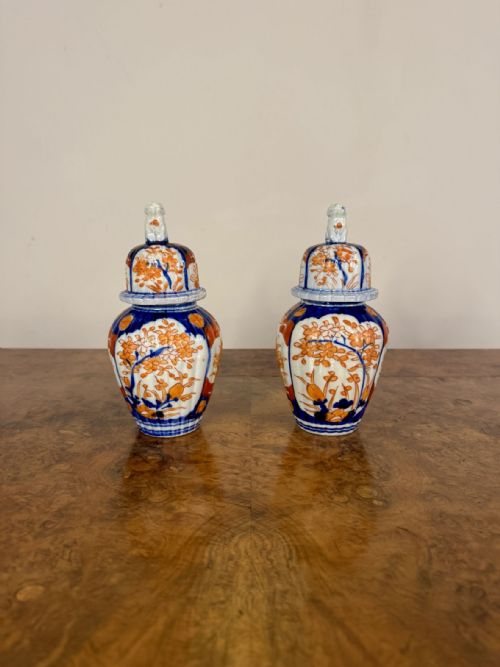
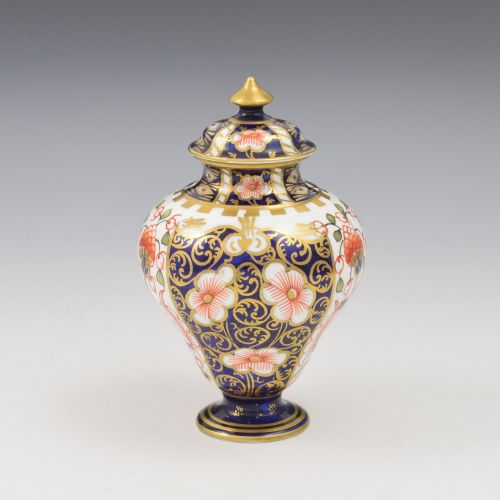
A Japanese ginger jar serves as a decorative lidded vessel, frequently encountered in porcelain and earthenware forms across this page.
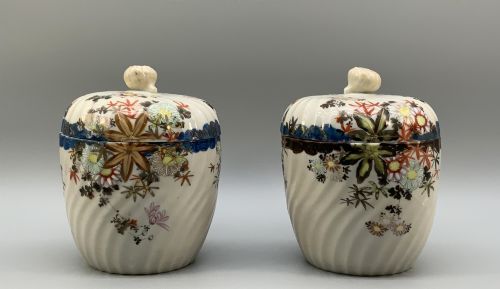
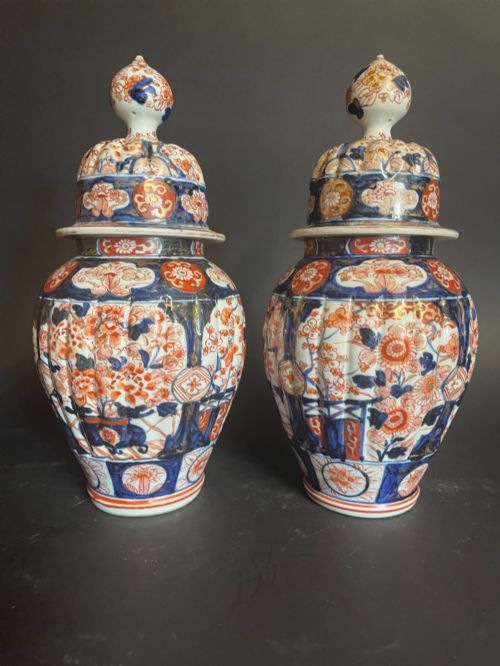
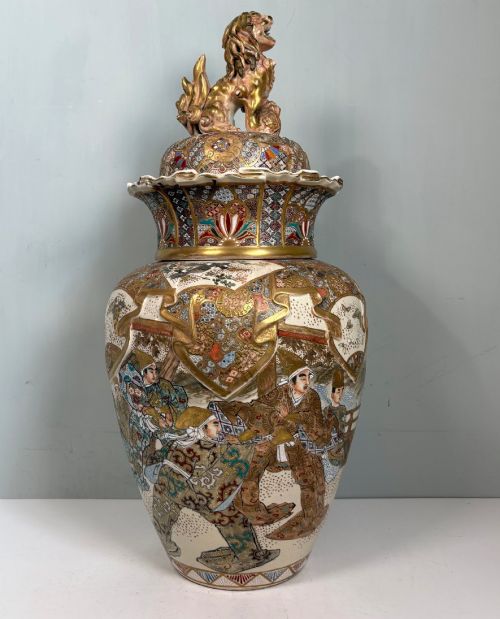
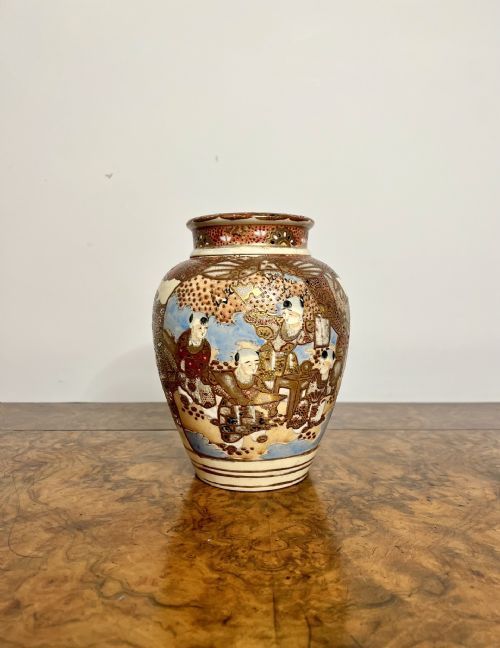
The selections span distinct periods, notably the 19th century and the Meiji period, featuring traditional styles such as Imari, Satsuma, and Kutani.
Buyers routinely encounter pairs and single jars configured with matching covers, originating from historic kiln centres like Arita.
How they were made
Potters shaped porcelain and earthenware bodies on the wheel or in moulds before applying intricate designs using enamel, glaze, and gilding.
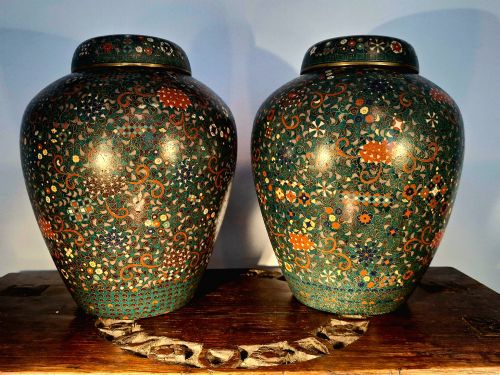
Certain pieces incorporate metal elements like brass alongside cloisonné techniques, fusing glass wires onto a metallic base to hold vibrant pigments.
Japanese Ginger Jar Retail Price Guide 2026
Typical asking prices for japanese ginger jar among the pieces listed under this phrase on Sellingantiques today, from the lower quarter to the upper quarter. They describe what is for sale here now, not the wider market.
Listings feature porcelain and earthenware bodies decorated with enamel, gold leaf, and brass components.
What varies in quality
The refinement of the hand-painted decoration separates standard vessels from exceptional examples, with finer pieces exhibiting meticulous brushwork in gold leaf and rich enamels.
Structural completeness, including the survival of the original matching lid and the crispness of the porcelain body, defines the standing of each jar.
Yamashu·Tokyo Taizan
The Japanese Ginger Jar Glossary
- Imari
- A traditional style of Japanese porcelain characterised by a distinctive palette of underglaze blue, iron red, and gilt highlights.
- Satsuma
- A type of Japanese earthenware featuring a fine, ivory-coloured crackle glaze richly decorated with enamels and gold.
- Kutani
- A style of Japanese coloured porcelain known for bold designs and strong pictorial themes.
- Cloisonne
- A technique where metal wire is soldered to a base to create compartments filled with enamel paste and fired.
- Baluster
- A jar profile characterised by a bulbous lower portion tapering toward a narrower neck and foot.
Japanese Ginger Jar: Frequently Asked Questions
What were ginger jars used for?
These vessels were originally manufactured in ancient China and Japan to store and transport spices, oils, and other valuable commodities.
Over subsequent generations, European and domestic households repurposed them purely for interior decoration, placing them on mantelpieces and tables.
How do I identify an Imari jar?
An Imari jar is recognised by its specific combination of cobalt blue underglaze and iron red overglaze, frequently enriched with gold leaf.
Most examples date from the 19th century or earlier periods, reflecting traditional Japanese export aesthetics.
What is Satsuma ware?
Satsuma ware is distinguished by its creamy earthenware body covered in a fine network of microscopic glaze cracks.
These pieces typically display intricate figural and landscape scenes rendered in heavy enamels and gilding.
Are lids usually original?
Many surviving jars retain their original matching covers, which is an important consideration for collectors assessing completeness.
Because lids are easily separated or damaged over time, matching pairs with their original covers command particular interest.