
Oriental Porcelain Jar
When you seek an oriental porcelain jar, you encounter centuries of ceramic artistry shaped by Chinese and Japanese kilns.

Oriental Porcelain Jar
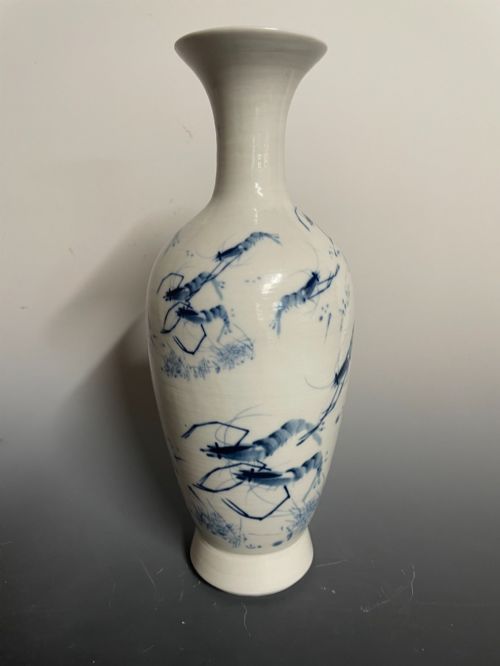
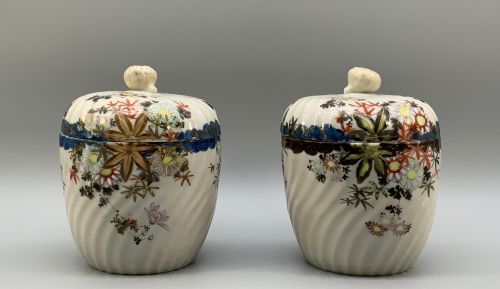
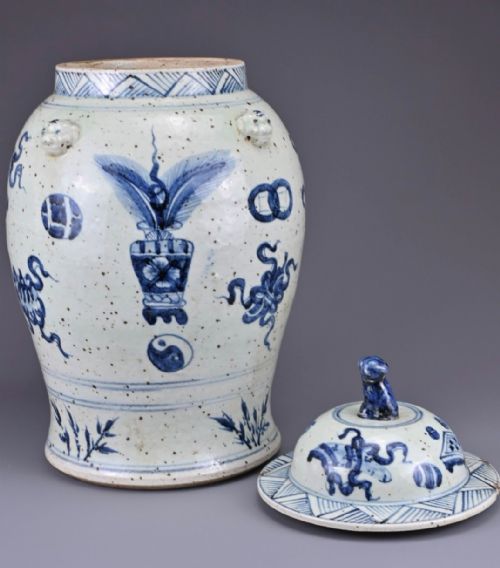
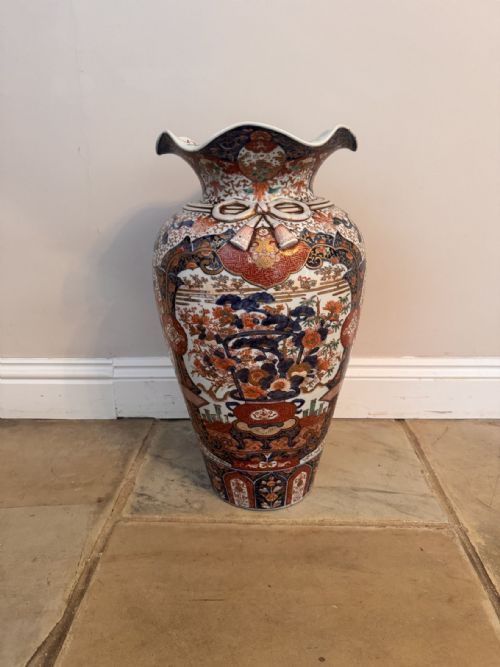
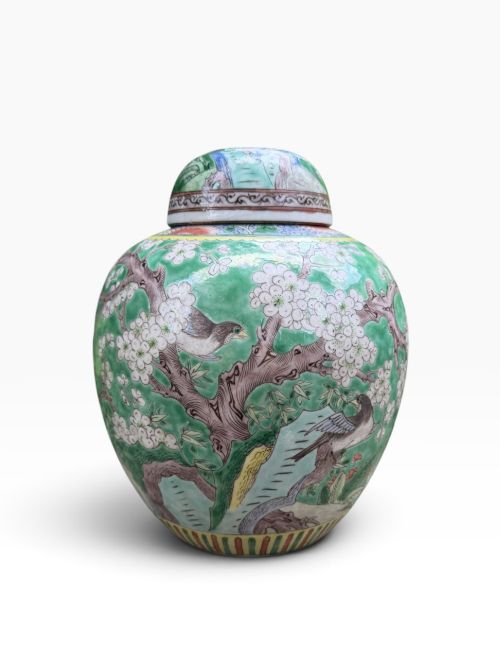
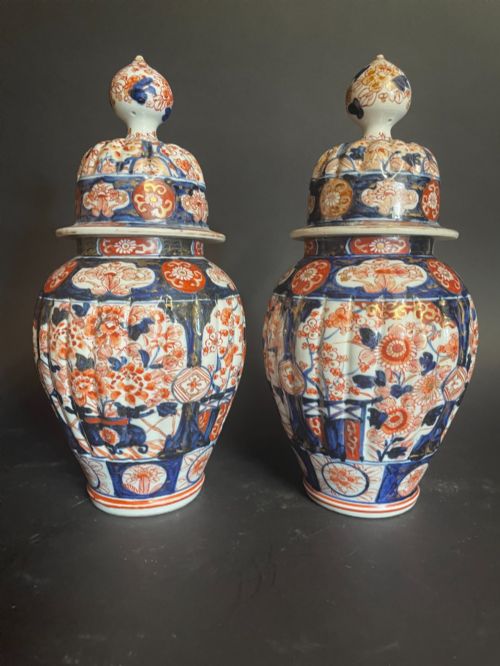
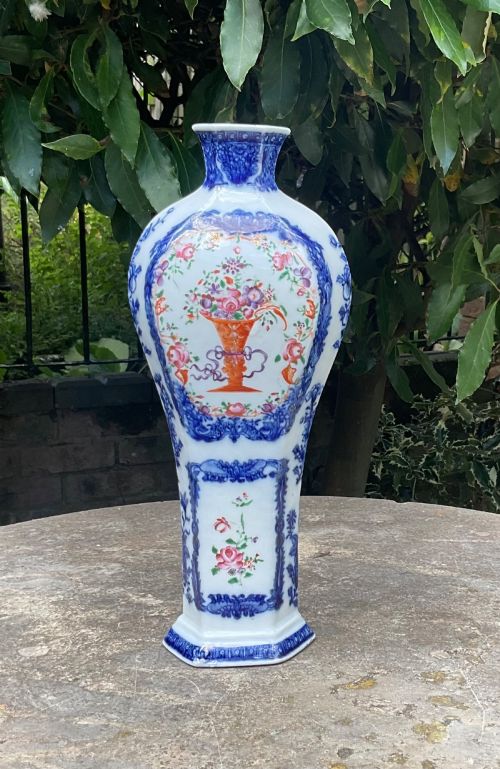
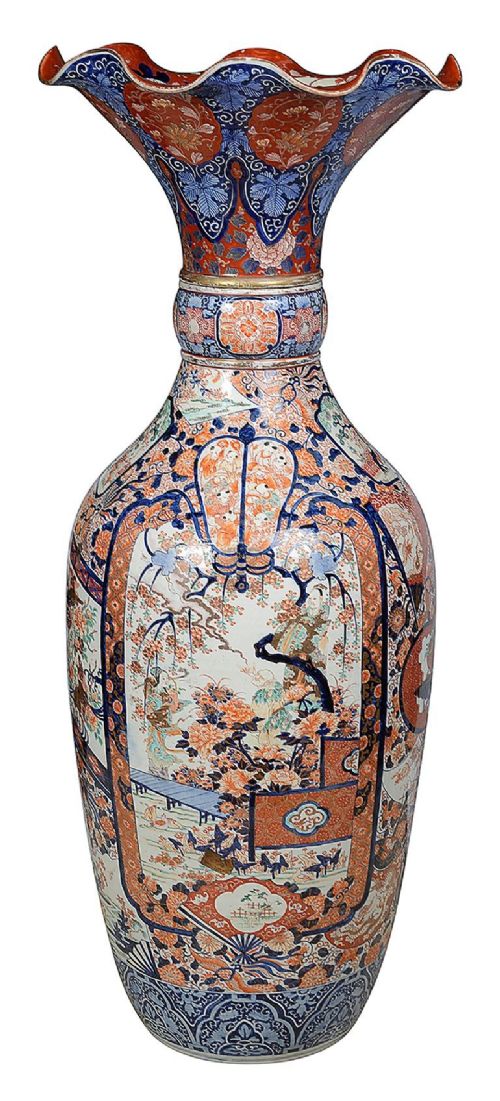
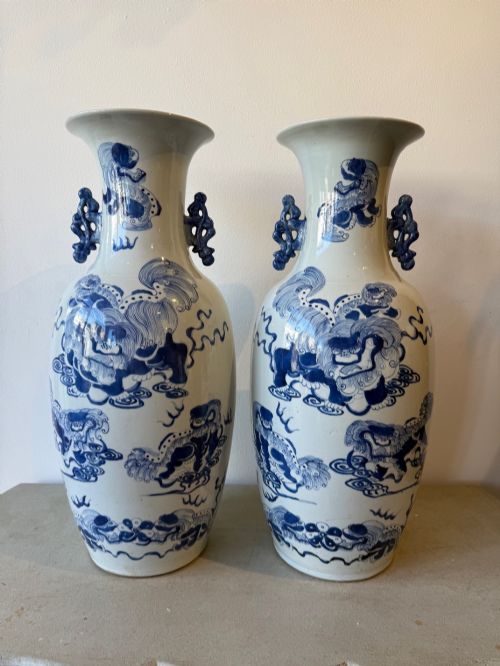
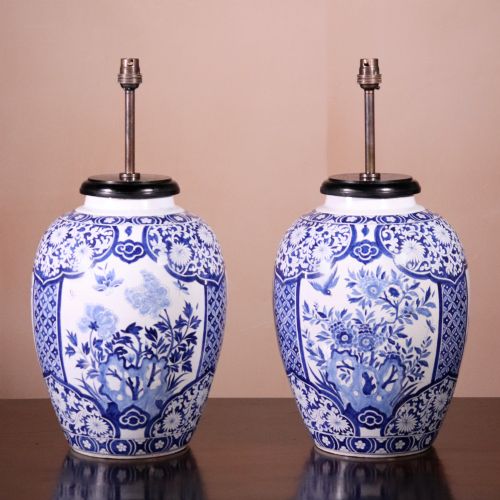
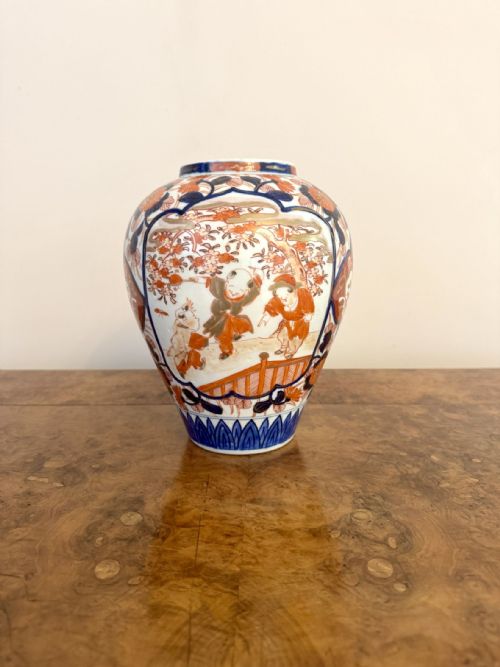
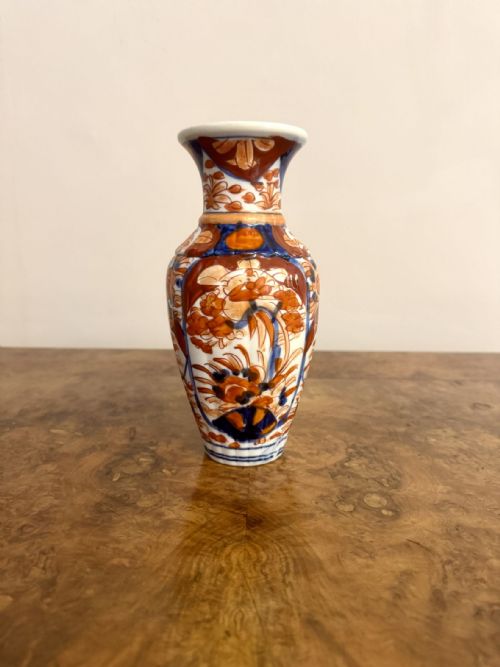
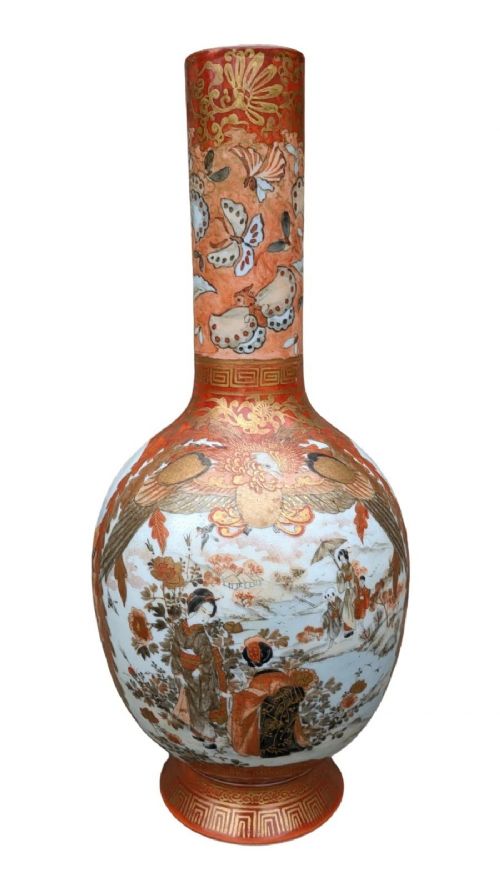
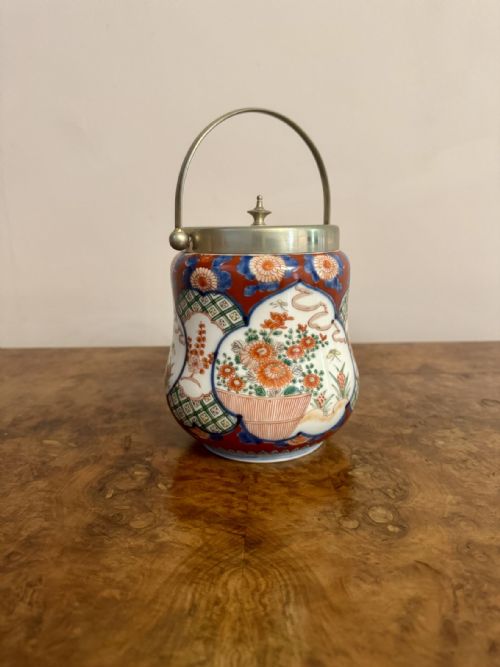
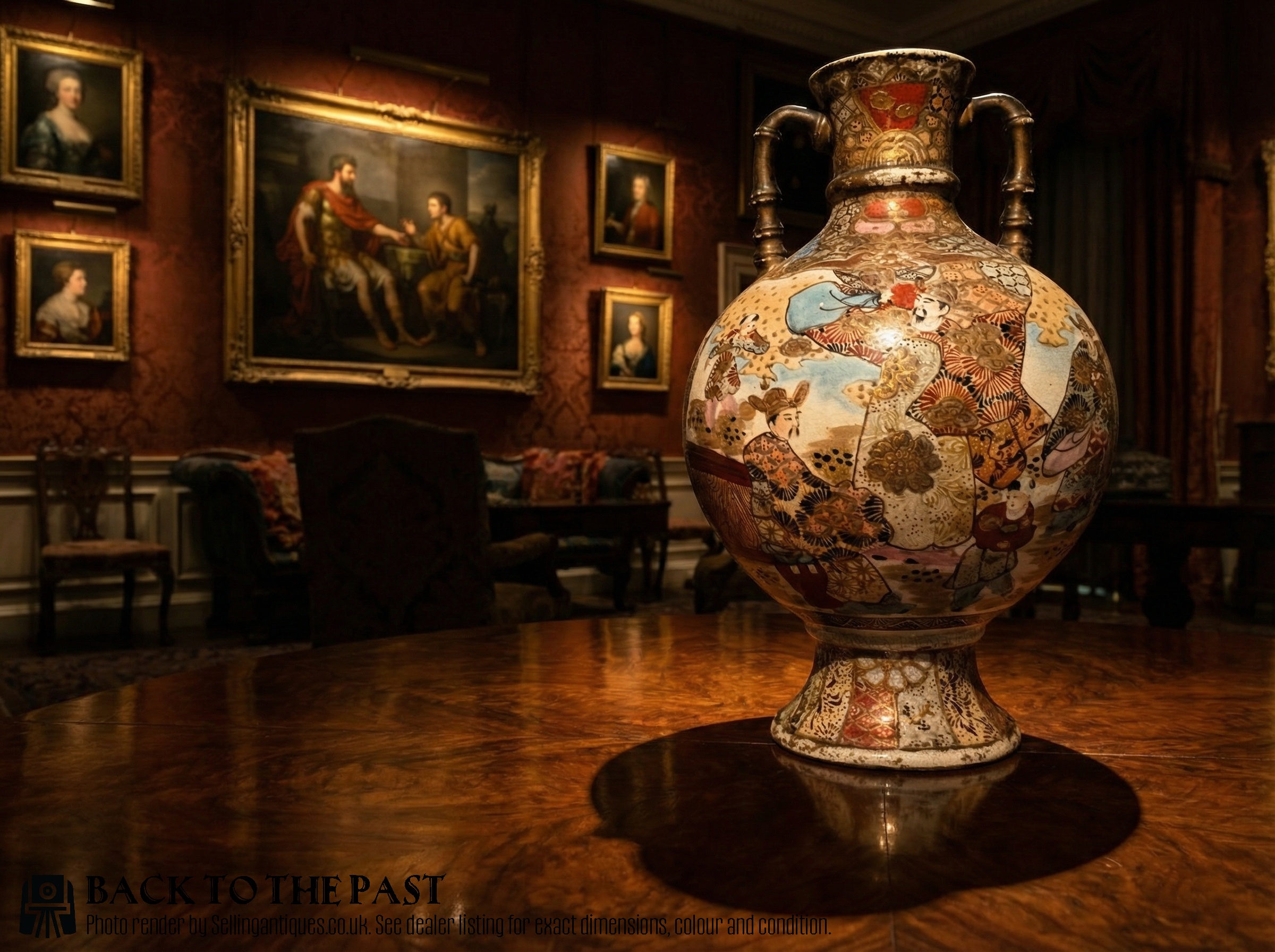
An oriental porcelain jar encompasses a diverse array of lidded vessels, ginger jars, and floor vases originating from various historical periods. Many examples date from the nineteenth century, including pieces produced during the Qing Dynasty and the Japanese Meiji period. Buyers frequently encounter forms decorated in blue and white, Imari, and famille rose palettes.
How they were made
Potters shaped these vessels from ceramic and porcelain bodies before applying cobalt glaze, enamel colours, and gold leaf details. Many pieces received hand-painted decoration depicting floral motifs, landscapes, and traditional figures. Kilns utilised high-temperature firings to achieve durable vitrified surfaces and vibrant underglaze effects.
Certain items display secondary embellishments such as ormolu mounts fitted during later periods. Artisans executed intricate patterns through meticulous brushwork, sometimes incorporating gilt highlights over the base glaze. These techniques combined structural throwing with careful surface ornamentation.
Oriental Porcelain Jar Retail Price Guide 2026
Typical asking prices for oriental porcelain jar among the pieces listed under this phrase on Sellingantiques today, from the lower quarter to the upper quarter. They describe what is for sale here now, not the wider market.
Listings feature eighteenth-century pieces alongside nineteenth-century Japanese Imari and late Qing Dynasty porcelain.
What varies in quality
The standard of painting and precision in brushwork dictate the distinction between ordinary production and exceptional examples. Finer pieces exhibit delicate control over cobalt blue tones or rich enamel palettes without muddiness. The crispness of potting and the smoothness of the glaze surface also reveal the skill of the original workshop.
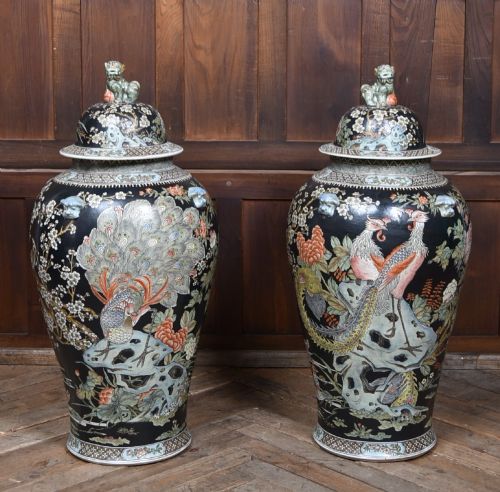
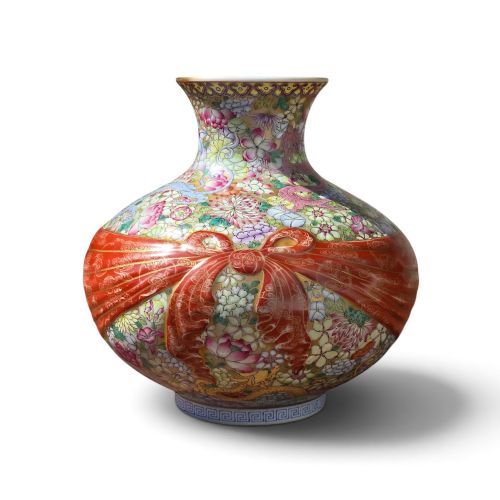
Scale and ambition separate standard vessels from monumental palace floor jars. Greater artistic investment appears in pieces featuring complex figural scenes, dual dragons, or intricate millefleurs patterns. The preservation of original covers and gilding further influences the standing of individual items.
The Oriental Porcelain Jar Glossary
- Imari
- A style of Japanese porcelain decorated in underglaze blue, iron red, and gilt. It originated in Arita and gained popularity across European export markets.
- Famille Rose
- A palette of opaque enamel colours dominated by pink or rose hues. This ceramic style developed during the Qing Dynasty.
- Ginger Jar
- A broad-shouldered porcelain vessel originally designed to store spices or salt. Later variants frequently include fitted covers and decorative display stands.
- Celadon
- A type of transparent green glaze applied to porcelain, producing subtle jade-like tones. The finish relies on iron oxides reacting within the kiln atmosphere.
- Meiji Period
- An era in Japanese history spanning from 1868 to 1912 marked by increased international trade and refined ceramic arts.
Oriental Porcelain Jar: Frequently Asked Questions
What is an oriental porcelain jar?
An oriental porcelain jar is a ceramic vessel originating from China or Japan, historically utilised for storage or interior display. These items encompass ginger jars, lidded pots, and tall vases.
They reflect traditional eastern manufacturing techniques, including hand-painted cobalt blue designs, enamels, and gilt highlights.
How do I identify a Qing Dynasty jar?
Qing Dynasty pieces often feature specific stylistic markers such as famille rose enamels, underglaze blue painting, or imperial reign marks. These items span from the eighteenth century into the early twentieth century.
Examining the potting style, weight, and pigment quality helps distinguish pieces from this extended imperial era.
Where were Japanese Imari jars made?
Japanese Imari porcelain was produced primarily around the town of Arita during the Edo and Meiji periods. Artisans exported these distinctive blue, red, and gold decorated vessels worldwide.
They appear in various forms, ranging from small ginger jars to monumental floor-standing vases.
How should I display a lidded jar?
Lidded jars suit placement on sideboards, tables, or mantelpieces where their painted surfaces remain visible. Larger floor vases work well positioned in hallways or empty corners.
Securing lids safely prevents accidental displacement in busy domestic environments.