


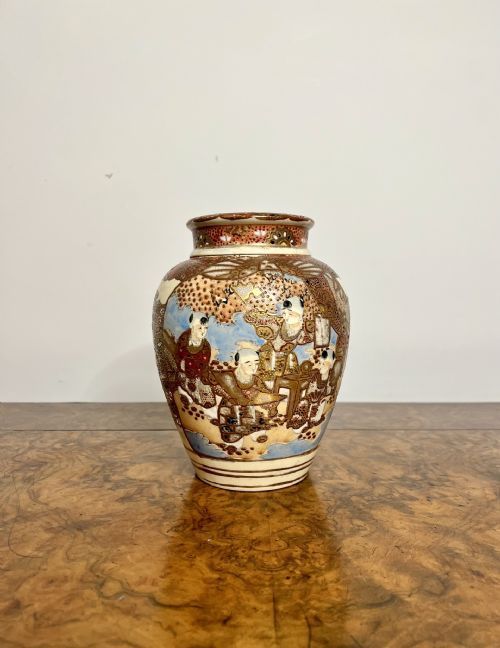
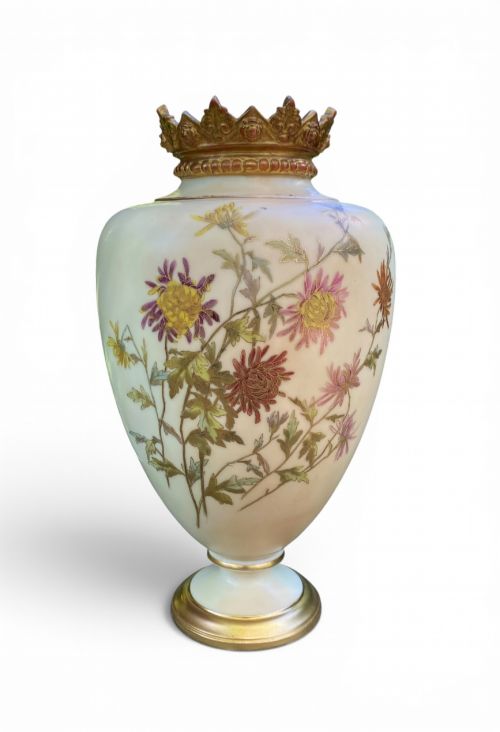
Gilded Ceramic Vessel
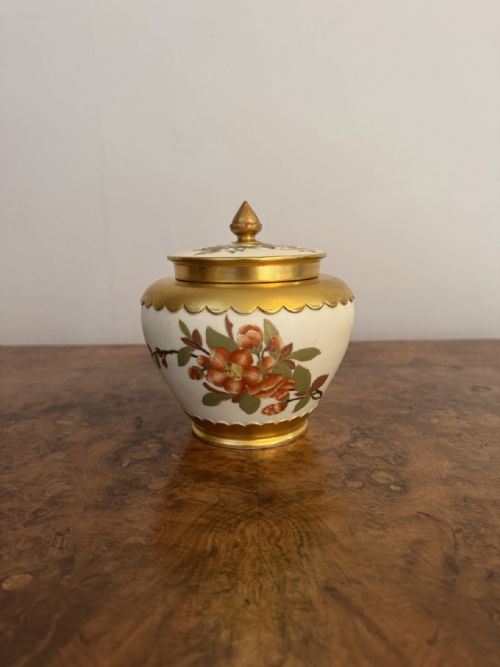
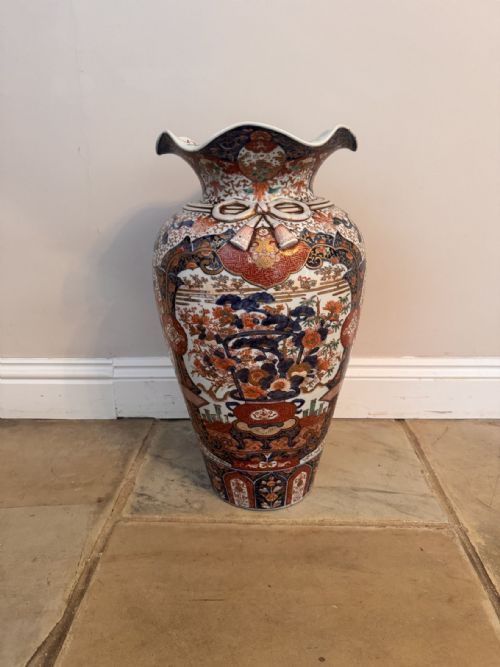
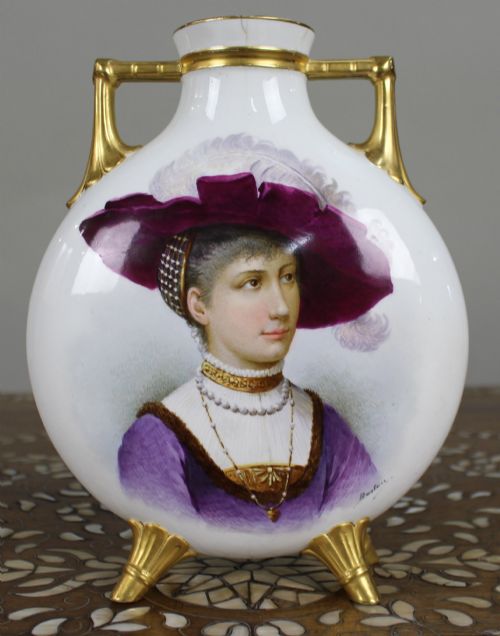
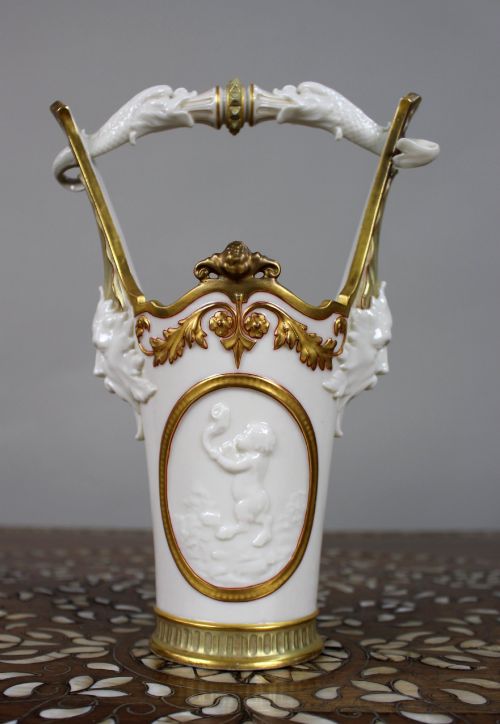
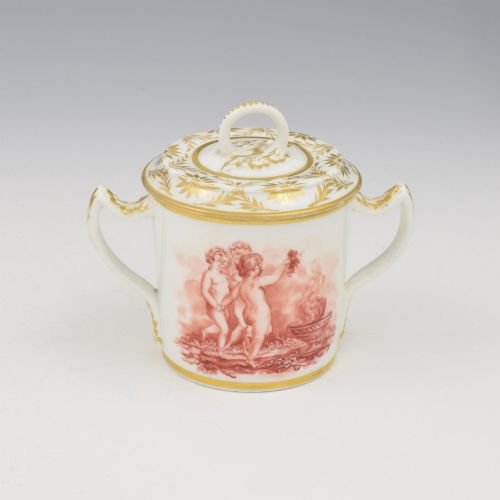
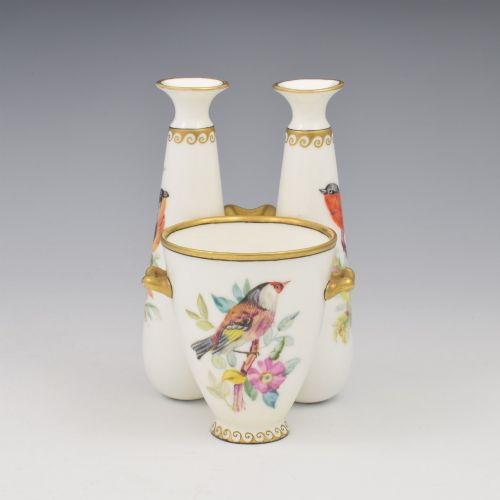
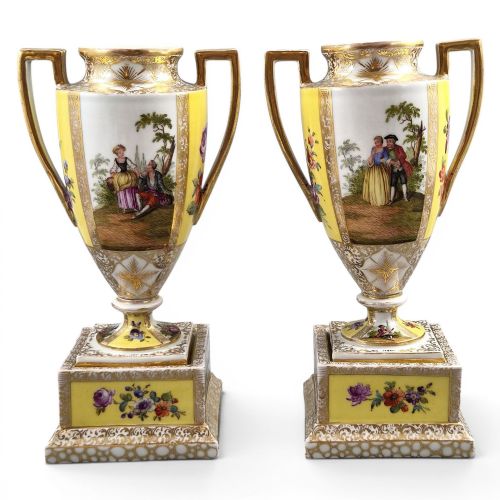
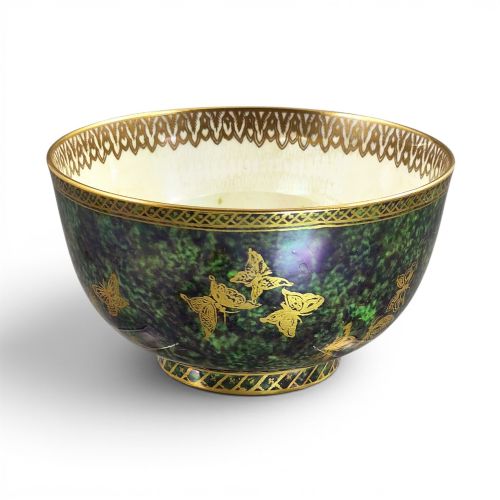
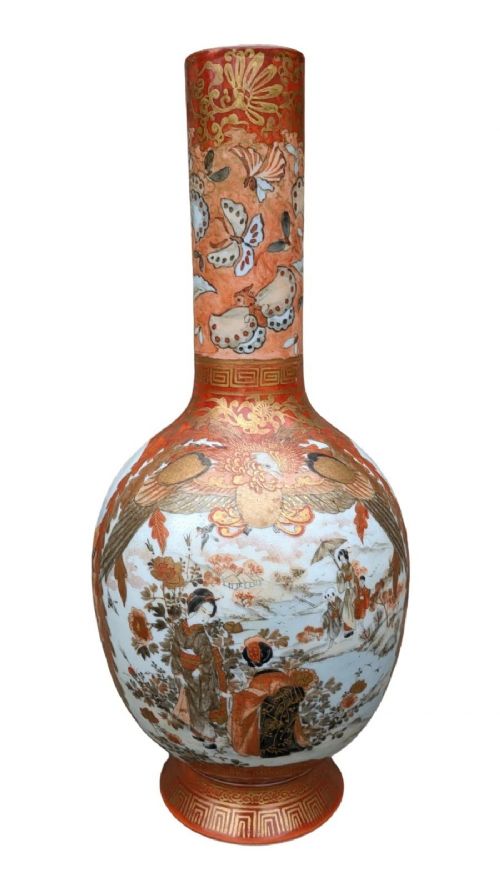
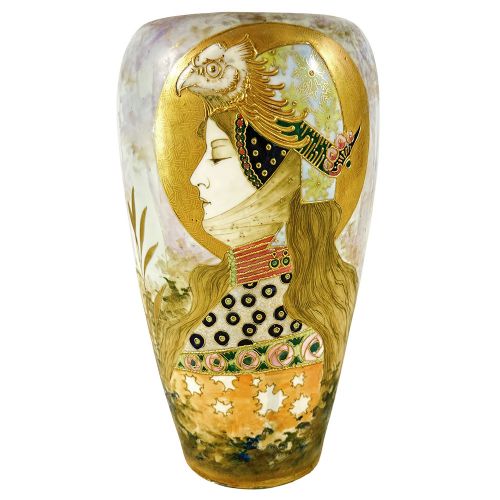
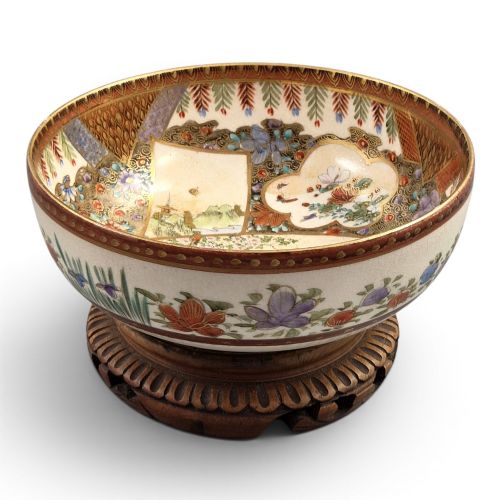
These gilded ceramic vessel examples bring together nineteenth-century and early twentieth-century decorative porcelain and earthenware with brilliant gold leaf finishes.
What these pieces are
A gilded ceramic vessel brings together nineteenth-century and early twentieth-century decorative arts from European and Asian traditions. The pieces on this page span the Victorian and Edwardian eras alongside Japanese Meiji and Taisho periods.
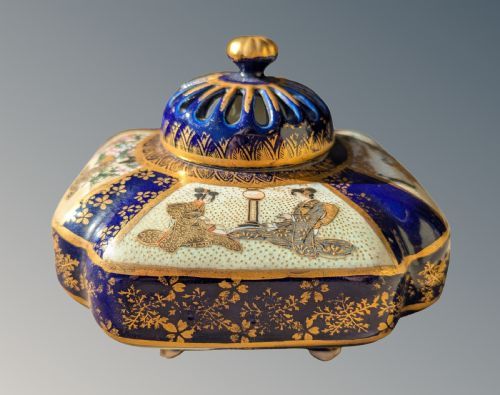
Most examples take the form of vases and urns, functioning as centrepieces or decorative focal points. The selection includes tall famille rose vases, lidded Satsuma vessels, and Royal Worcester covered pieces.
Originating from Chinese, Japanese, and British makers, these items range from large two-handled statement urns to intricate porcelain mantel ornaments. Each piece reflects the specific decorative tastes of its manufacturing region and period.
How they were made
These items utilise base materials of ceramic, porcelain, earthenware, and bone china, formed into substantial vessel and urn shapes. Artisans then applied detailed enamel work to enrich the body of the piece.
The defining characteristic across these listings is the application of gold leaf and gilding, highlighting surface patterns and contours. Japanese Satsuma-style pieces and Chinese Qing ceramics demonstrate distinct regional methods of surface ornamentation.
Retail Price Guide 2026
Typical UK retail prices for gilded ceramic vessel, calculated from the Sellingantiques database of over a million retail prices indexed since 2003. This retail price guide relies exclusively on Sellingantiques data; no external sources or auction records are used, so the figures do not describe the wider market.
Listings include items spanning the Victorian era, Edwardian period, and Japanese Meiji and Taisho reigns, utilising porcelain, earthenware, and bone china.
What varies in quality
Quality in these vessels rests on the precision of the enamel painting and the crispness of the gilding. Superior examples display meticulous control in the application of gold leaf alongside finely detailed pictorial or abstract motifs.
The weight and balance of the ceramic body, particularly in larger lidded urns and two-handled vases, dictate the standard of manufacture. Finer pieces maintain harmonious proportions between the underlying porcelain or earthenware and the overlaid metallic decoration.
The Gilded Ceramic Vessel Glossary
- Famille Rose
- A palette of opaque enamel colours dominated by pink or rose, originating in Chinese ceramics during the Qing dynasty. This technique allowed for subtle tonal gradations in floral and figural scenes.
- Satsuma
- A type of Japanese earthenware featuring a pale, ivory-coloured, crackled glaze that is typically decorated with intricate polychrome enamels and rich gilding. These wares were heavily produced for export during the Meiji period.
- Bone China
- A type of soft-paste porcelain composed of bone ash, feldspathic material, and kaolin, known for high strength and milky whiteness. It provides a smooth surface ideal for detailed enamel painting and gold leaf application.
- Gilding
- The decorative application of gold leaf or gold powder to a ceramic or porcelain surface. This technique highlights raised motifs and adds reflective warmth to the vessel.
Frequently Asked Questions
What is a gilded ceramic vessel used for?
These items serve primarily as decorative centrepieces, mantel ornaments, or display urns within domestic interiors. Their striking combination of enamel work and gold leaf makes them focal points in a room.
Certain pieces, such as lidded vases and two-handled urns, were also designed to hold dried botanicals or simply stand as sculptural works of art.
How do I care for antique gilding?
Antique gilding requires gentle handling to preserve the delicate gold leaf and enamel layers. Dusting should be performed softly with a dry, lint-free cloth without applying chemical cleaning agents.
Water and abrasive materials must be avoided entirely, as moisture can lift old enamels and erode the thin metallic surfaces.
How do I date a Satsuma vase?
Dating Satsuma ceramics involves examining the style of the decoration, the crackle of the glaze, and any associated signatures or period marks. Meiji period pieces often display dense, meticulous gilding and intricate figural scenes.
Later Taisho and early Showa era examples may show shifts in the colour palette and manufacturing scale compared to nineteenth-century productions.
Where were these decorative vessels made?
The pieces originate from major ceramic centres in China, Japan, and Britain. Chinese Qing dynasty works and Japanese Meiji period Satsuma wares represent the Asian traditions found here.
British manufacturers such as Royal Worcester represent the European side, producing bone china urns and vases influenced by contemporary design movements.