


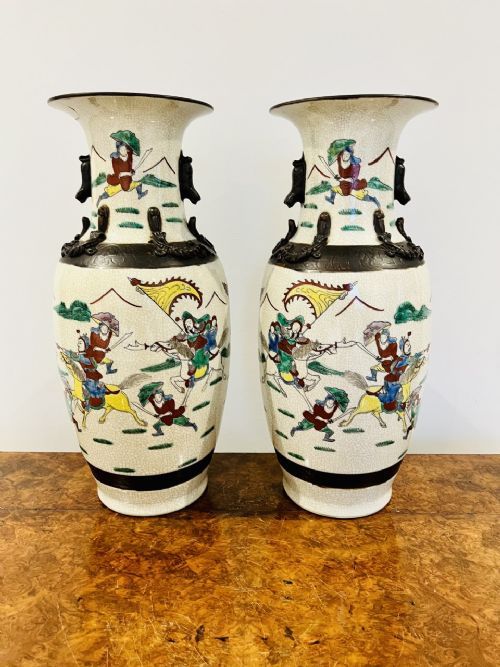
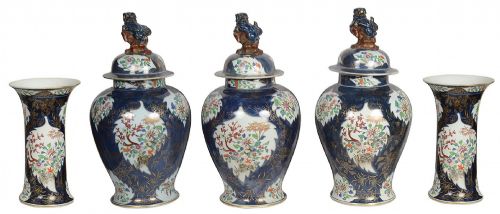
Qing Dynasty Porcelain Vase
A qing dynasty porcelain vase brings centuries of imperial kiln mastery and intricate enamel work directly into a room.
Qing Dynasty Porcelain Vase
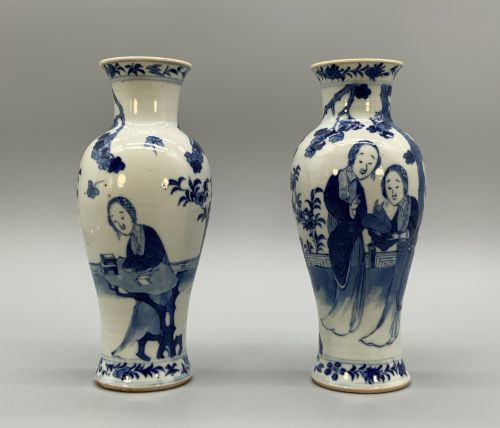
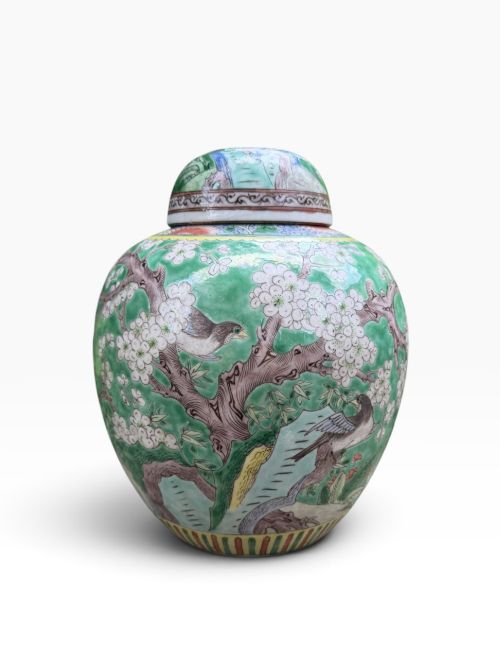
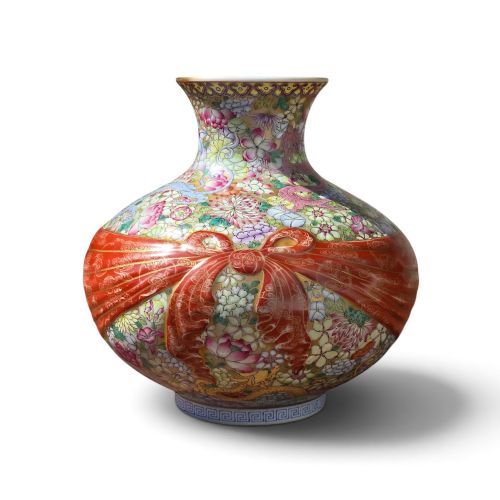
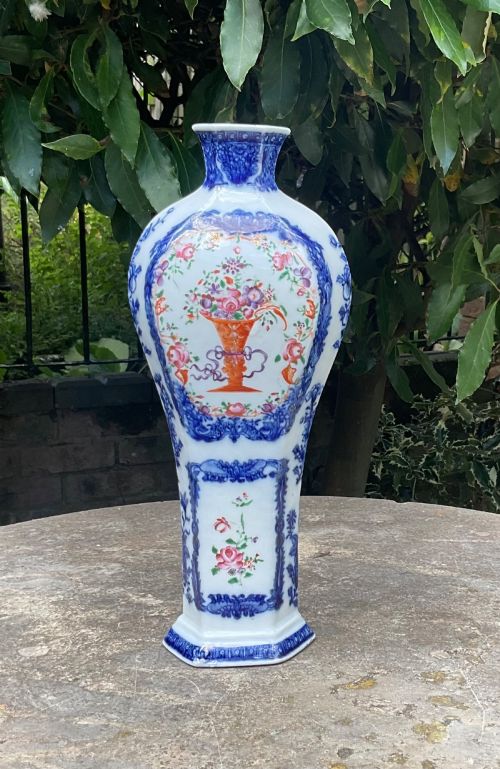
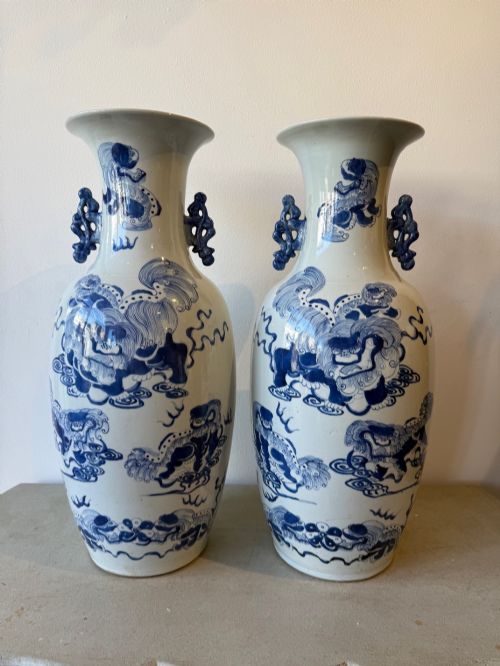
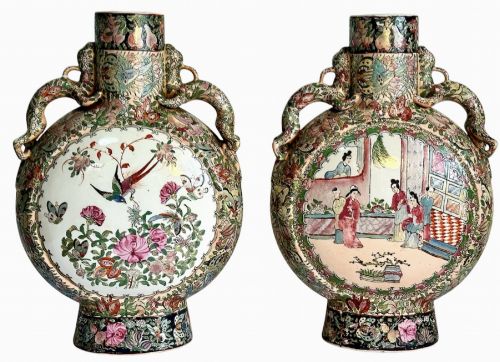
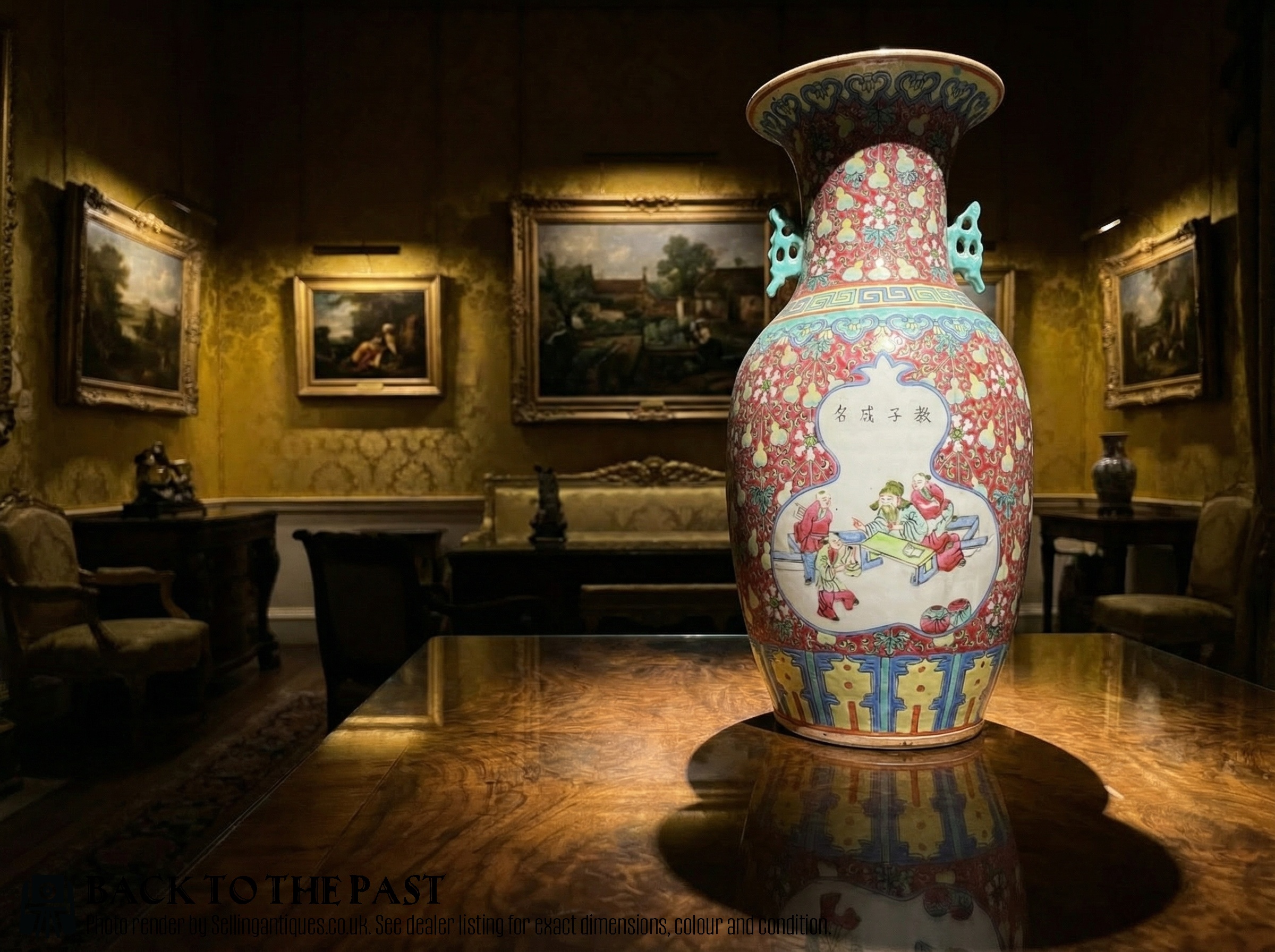
A qing dynasty porcelain vase encompasses a wide variety of ceramic forms produced during the Qing empire, ranging from robust ginger jars to monumental floor vases. The selections available on this page lean heavily toward nineteenth-century production, including vibrant famille rose designs, classic blue and white pieces, and monochrome glazed vessels.
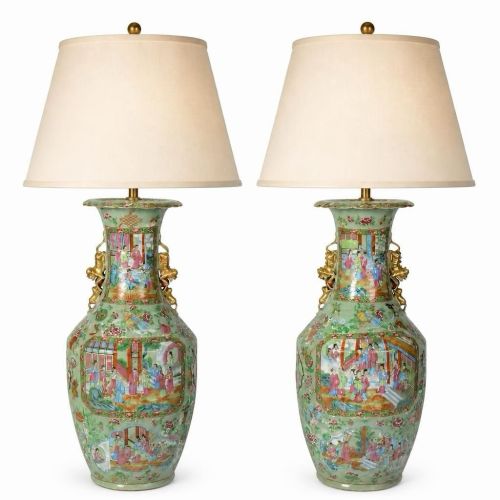
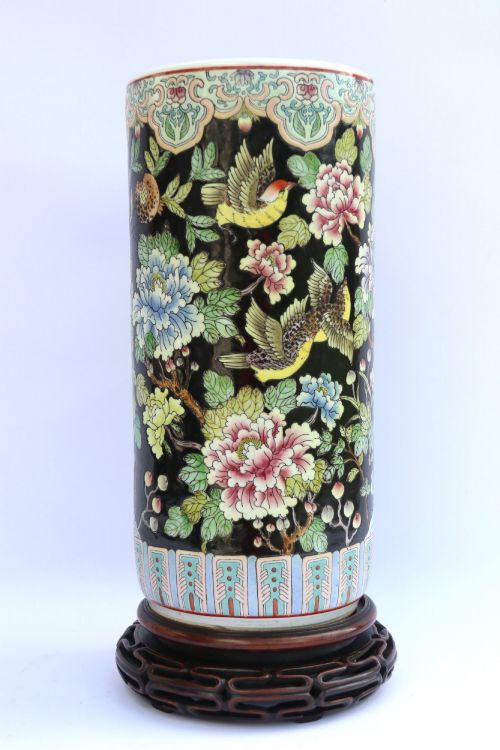
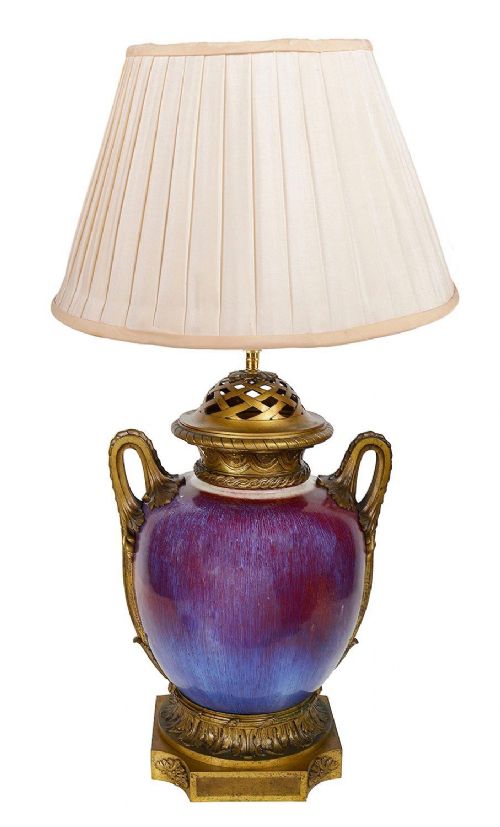
Beyond traditional display vases, buyers will also encounter forms adapted for domestic use, such as table lamps fitted with ormolu mounts and functional brush pots. These objects reflect both imperial tastes and export markets, utilising styles that span from early revival periods through to the late nineteenth and early twentieth centuries.
How they were made
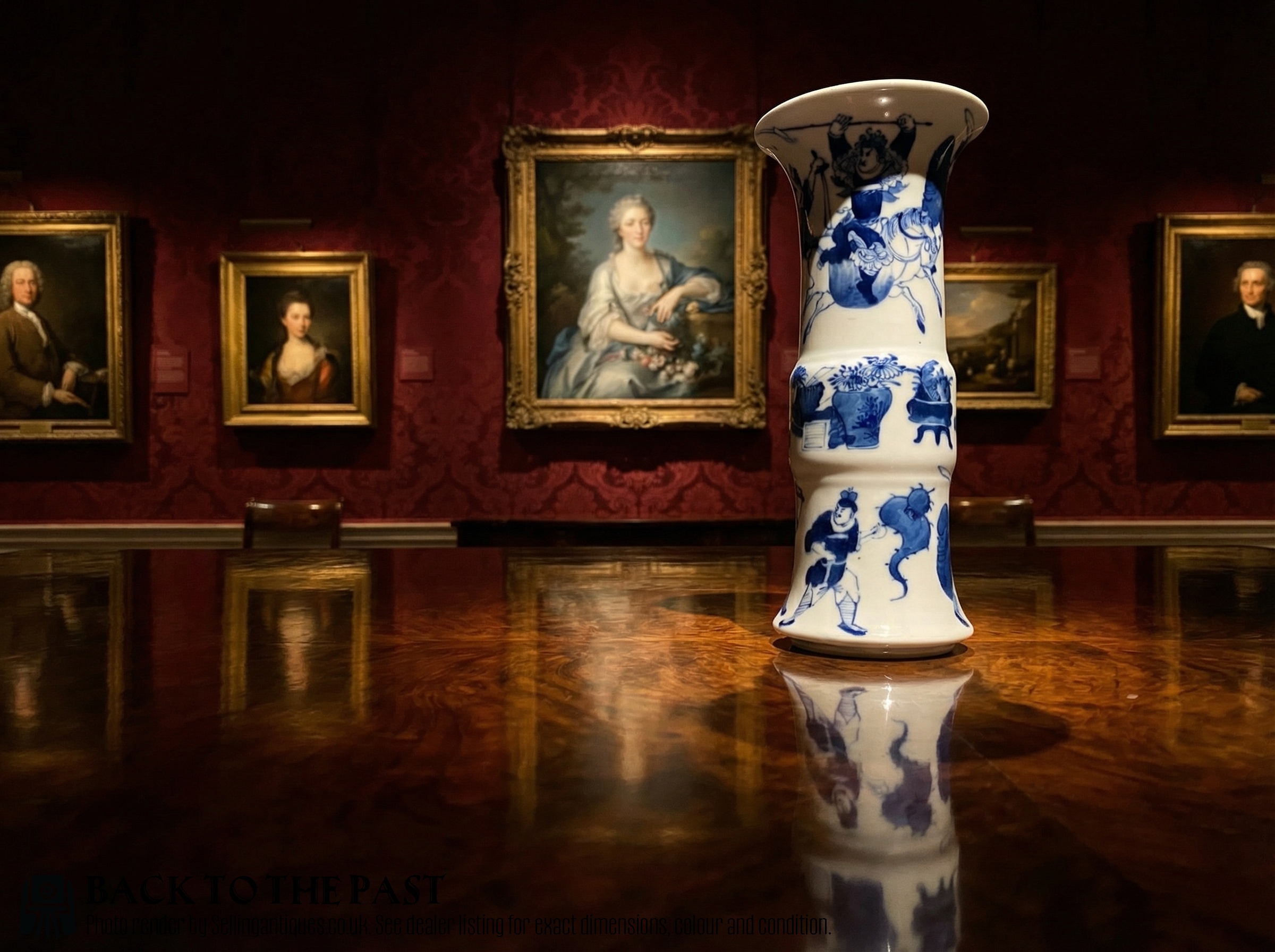
Potters shaped high-fired ceramic bodies using fine porcelain clay, frequently applying cobalt blue beneath a transparent glaze before kiln firing. Overglaze enamel techniques such as famille rose and famille verte introduced complex polychrome palettes, requiring multiple firings to fix the detailed pigments.
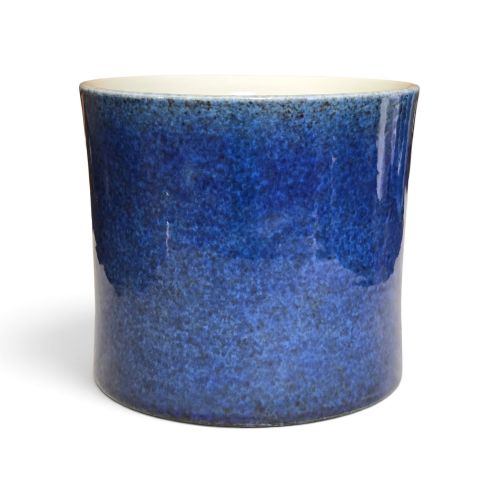
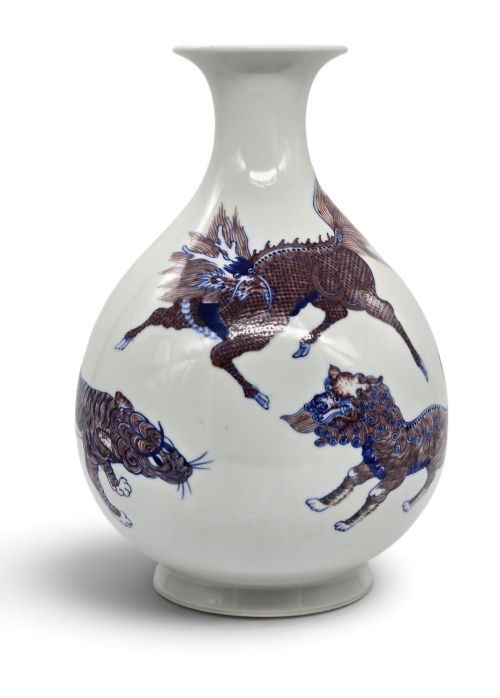
Monochrome effects relied on specialised mineral glazes, including copper-red sang de bœuf and powdered cobalt, which demanded precise kiln temperature control to achieve their distinctive depth and hue.
Qing Dynasty Porcelain Vase Retail Price Guide 2026
Typical asking prices for qing dynasty porcelain vase among the pieces listed under this phrase on Sellingantiques today, from the lower quarter to the upper quarter. They describe what is for sale here now, not the wider market.
Listings feature porcelain, enamel, and glaze alongside brass, gold leaf, and fabric elements.
What varies in quality
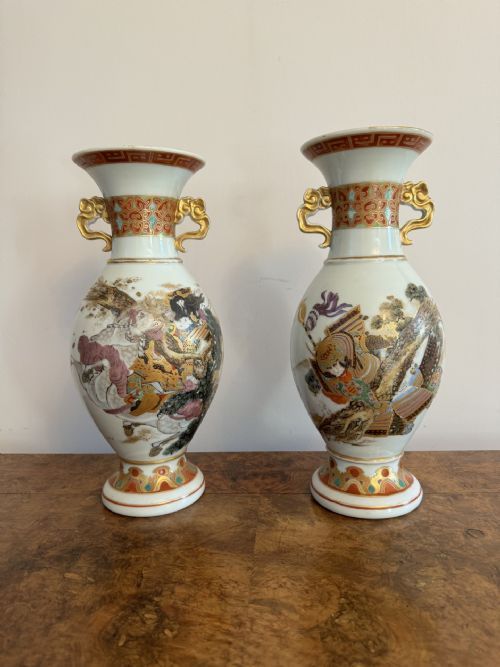
The precision and brushwork of the painted decoration dictate much of the distinction between standard and exceptional pieces, particularly in figurative scenes and intricate botanical motifs. Finer examples display confident, fluid lines and well-saturated enamel tones that sit evenly on the ceramic body.
The quality of the porcelain body and the refinement of the glaze application also separate workshop output, with superior vessels showing uniform glaze surfaces, careful finishing around foot rims, and balanced proportions across complex shapes like double-gourds and moon flasks.
The Qing Dynasty Porcelain Vase Glossary
- Famille Rose
- A major palette of Chinese ceramic overglaze enamels introduced in the eighteenth century, distinguished by an opaque pink or rose colour derived from colloidal gold. This palette allowed for nuanced shading and detailed pictorial rendering.
- Blue and White
- Decoration painted directly onto the ceramic body in cobalt blue pigment before applying a clear glaze and firing at high temperatures. The technique achieved remarkable depth through varying washes of blue.
- Meiping
- A traditional tall-shouldered vase form featuring a narrow neck and small mouth, originally designed for serving plum blossoms. Its graceful silhouette is characteristic of classic Chinese vessel shapes.
- Bitong
- A cylindrical open-topped brush pot utilised by scholars for holding writing brushes. These scholar's objects frequently carry carved or painted narratives.
- Sang de Bœuf
- A rich copper-red ox-blood glaze developed during the Qing dynasty, prized for its mottled variation and deep vitreous lustre. The chemistry required precise reduction firing conditions in the kiln.
Qing Dynasty Porcelain Vase: Frequently Asked Questions
Were these vases meant for display or use?
Many large vessels served as architectural garniture pieces or central decorative ornaments within imperial and prosperous domestic interiors. Specialised forms like brush pots and moon flasks fulfilled scholarly or ritual functions.
Export wares were primarily produced for Western markets as ornamental objects, often reflecting European interior tastes of the nineteenth century.
Can I use an antique vase as a lamp?
Conversion into table lamps was a common nineteenth-century practice, frequently executed with ormolu mounts or drilled bases to accommodate wiring. Many surviving pieces retain these historic fittings.
Buyers should assess whether the conversion altered the original ceramic body when considering the piece for a collection.
What is the difference between famille rose and famille verte?
Famille verte relies predominantly on green enamel tones combined with iron-red, yellow, and blue, establishing a vibrant palette that developed during the Kangxi era. Famille rose utilises opaque pinks and softer pastel shades introduced later in the eighteenth century.
Both styles involve meticulous overglaze enamelling applied over a fired porcelain base.