
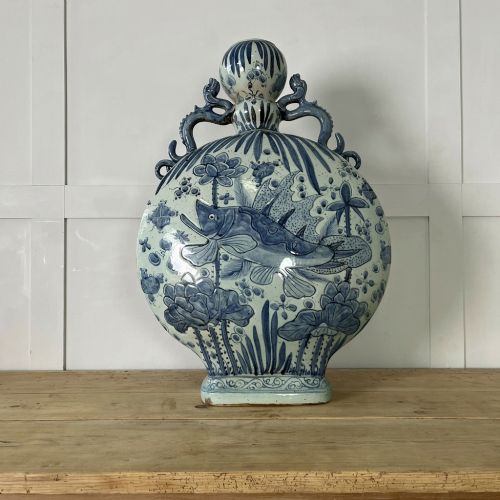


Oriental Blue White Vase
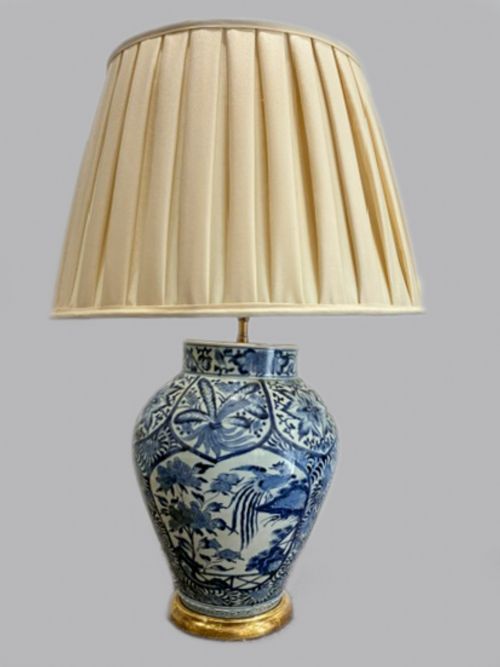
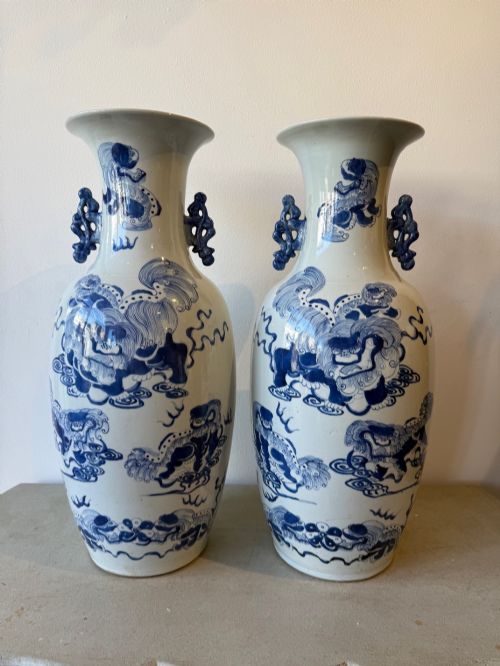
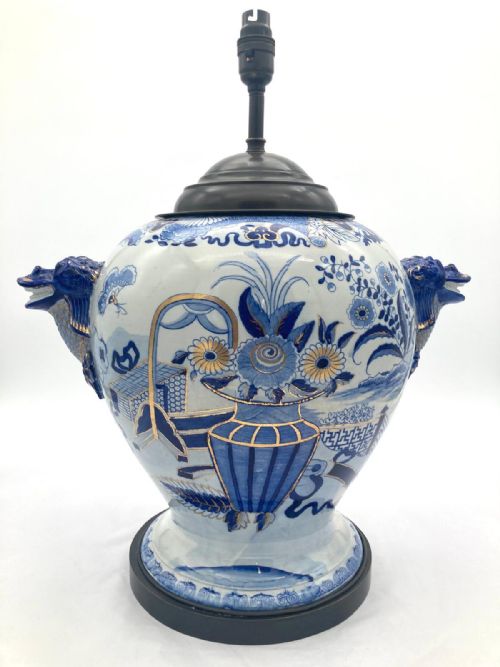
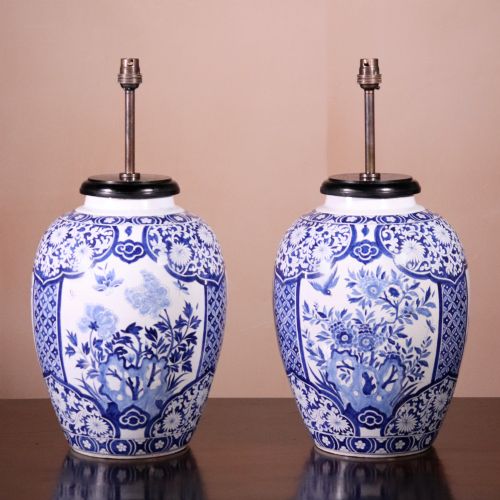
Oriental blue white vase options bring classic cobalt underglaze porcelain into a room, offering enduring pattern work and rich historical depth.
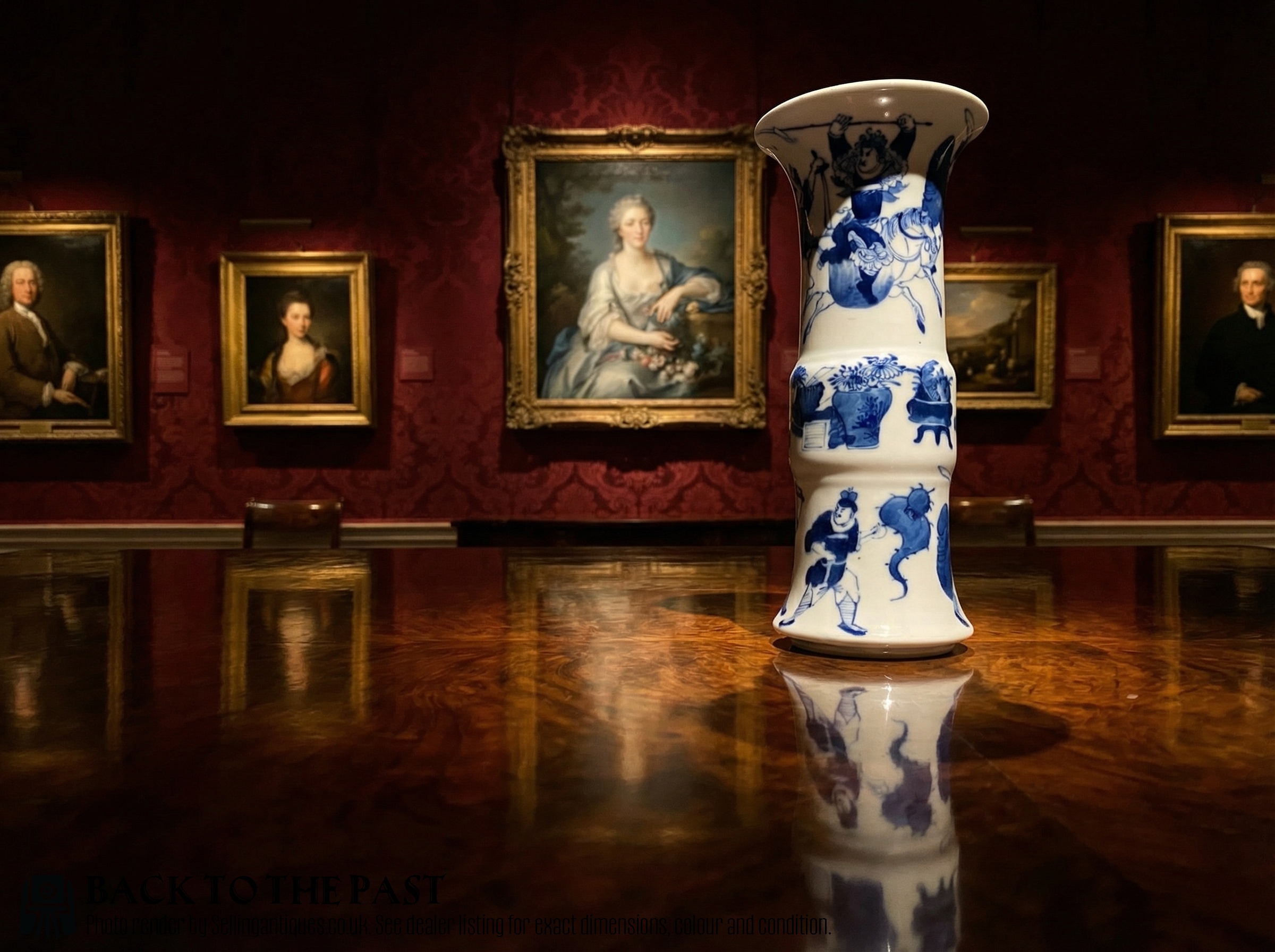
What the pieces are
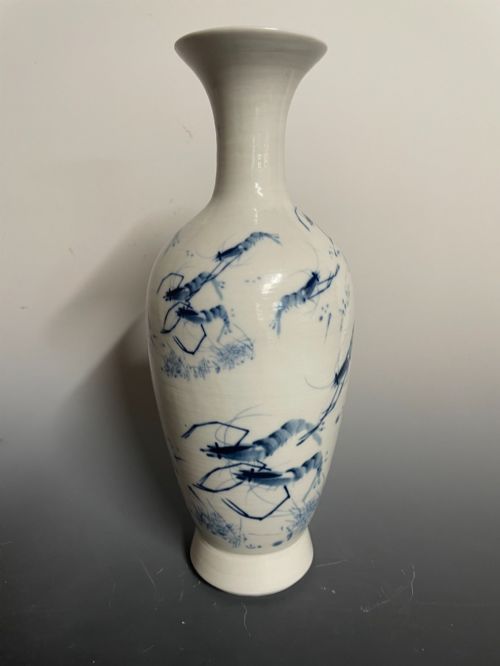
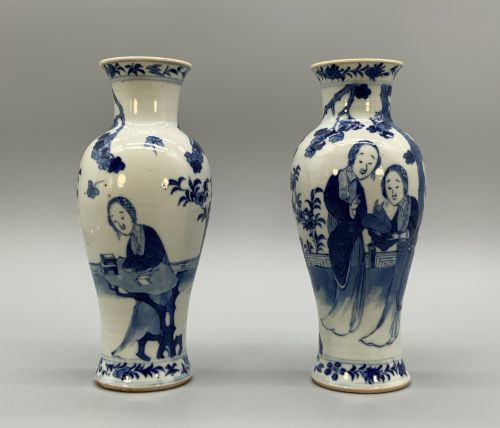
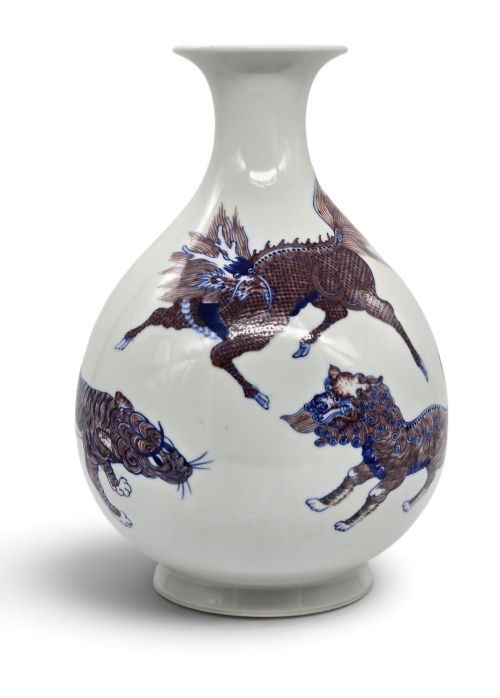
Collectors frequently encounter examples featuring classic cobalt underglaze decoration, including detailed dragon motifs and Kangxi style revival patterns. Each specimen reflects distinct regional tastes and historical periods ranging from the 1890s through to the early 20th century.
How they were made
Potters utilised high-firing ceramic and porcelain bodies to create durable vessel structures. Cobalt pigment was applied directly beneath a clear glaze before firing, producing deep blue ornamentation against a white ground.
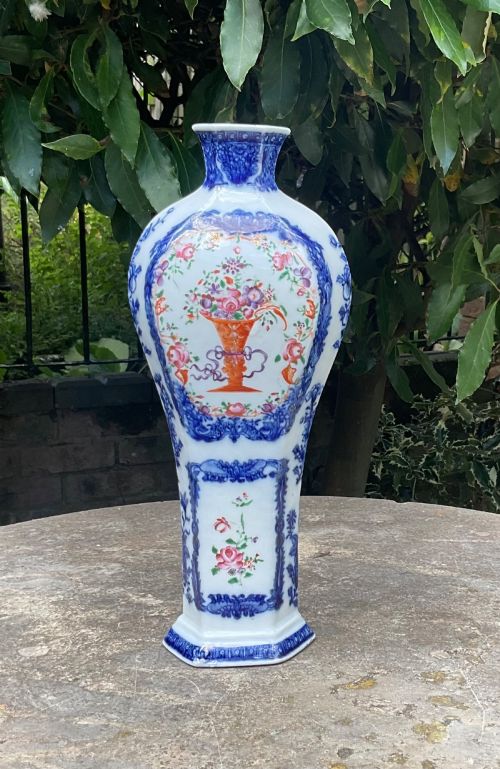
Skilled artisans shaped forms such as meiping and gu beaker profiles by hand or on the wheel, maintaining precise proportions suited to intricate underglaze brushwork.
What varies in quality
The sophistication of the cobalt underglaze painting dictates the visual success of the piece, with finer examples displaying fluid brushwork and deep tonal variation. Sharp definition in motifs like the five-clawed dragon separates superior Qing Dynasty work from simpler utilitarian production.
The purity of the white porcelain ground and the glaze finish contribute significantly to overall desirability. Pieces maintaining crisp potting lines and well-balanced forms stand apart from heavier or less refined specimens.
The Oriental Blue White Vase Glossary
- Cobalt Underglaze
- A mineral pigment applied to ceramic bodies beneath a transparent glaze before high-temperature firing. This technique prevents the blue colour from fading or wearing over time.
- Meiping
- A traditional plum blossom vase shape featuring a narrow neck, broad shoulders, and a tapering base. Originally designed for holding single branches.
- Gu
- An ancient ritual bronze vessel form replicated in later porcelain as a slender beaker with a flared trumpet mouth and central bulb. These pieces served primarily as decorative garniture.
- Qing Dynasty
- The final imperial dynasty of China, lasting from sixteen forty-four until nineteen twelve. Porcelain production during this era reached remarkable technical heights.
Frequently Asked Questions
How do I date a blue and white vase?
Dating relies on stylistic markers, potting techniques, and underglaze characteristics typical of specific historical eras like the Qing Dynasty.
Examining foot rims and glaze textures helps distinguish nineteenth-century examples from later adaptations.
Can these vases hold water safely?
While original porcelain is fundamentally non-porous, older vessels often possess hairline drying marks or converted bases that make modern use risky.
It is generally safer to treat antique porcelain as a decorative object rather than a functional container.
What is a meiping vase?
A meiping is a specific vessel shape defined by a narrow neck and wide shoulders designed to display single flower stems.
The form developed centuries ago and remained a staple of fine ceramic production into the late nineteenth century.