


Antique Blue White Vessel
An antique blue white vessel holds cobalt pigments beneath a clear glaze, bringing centuries of ceramic artistry straight to your table.
Antique Blue White Vessel
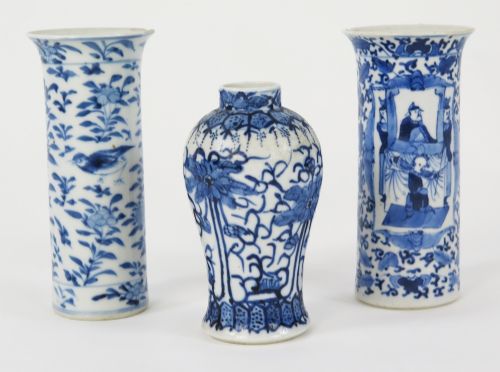
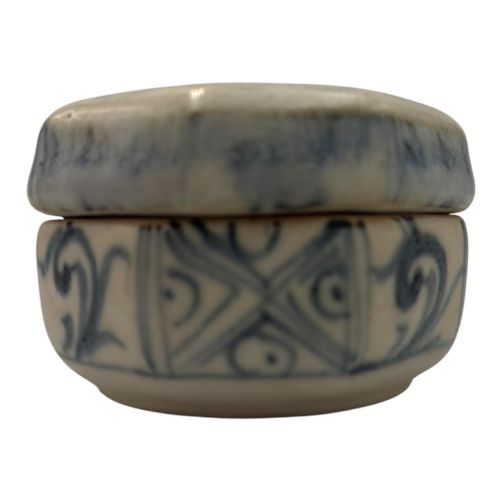
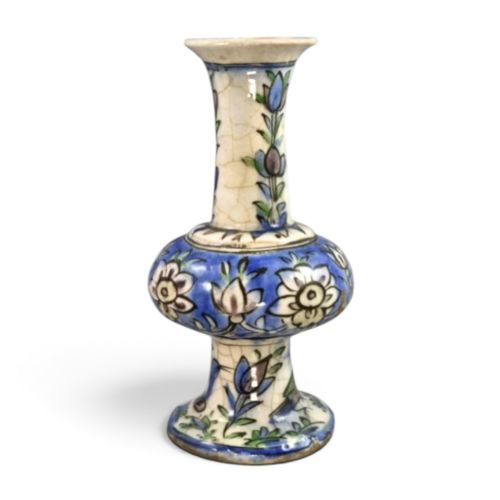
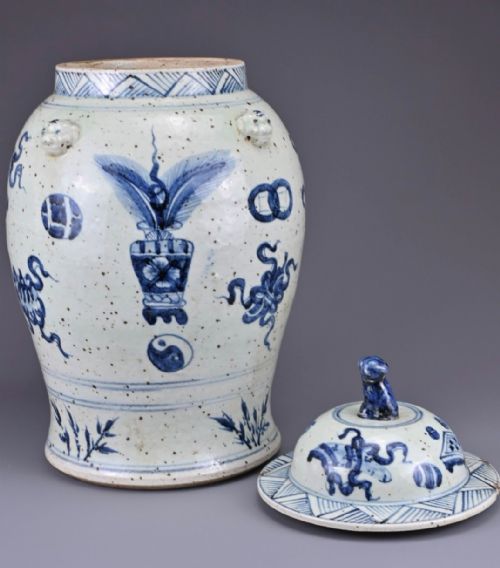
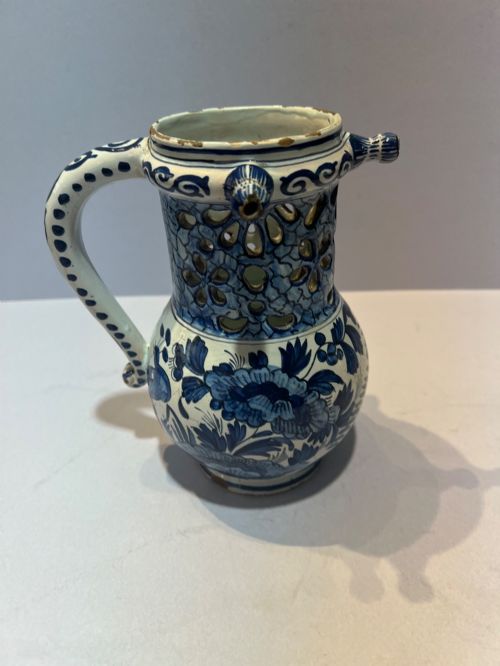
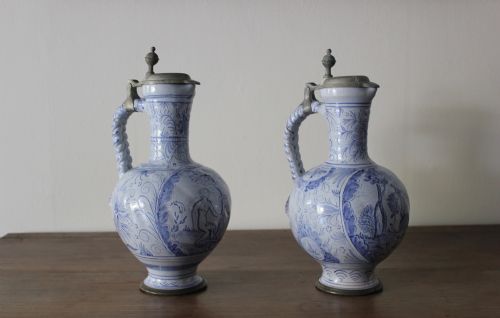
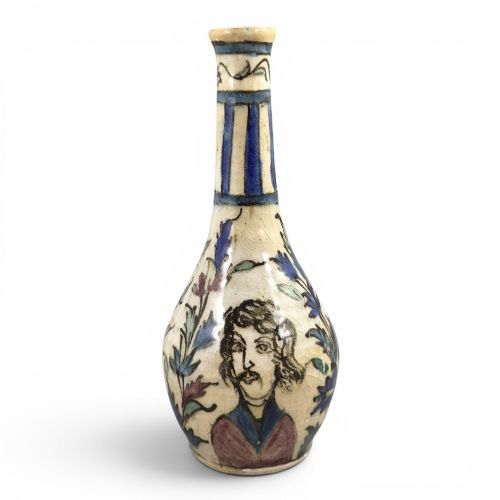
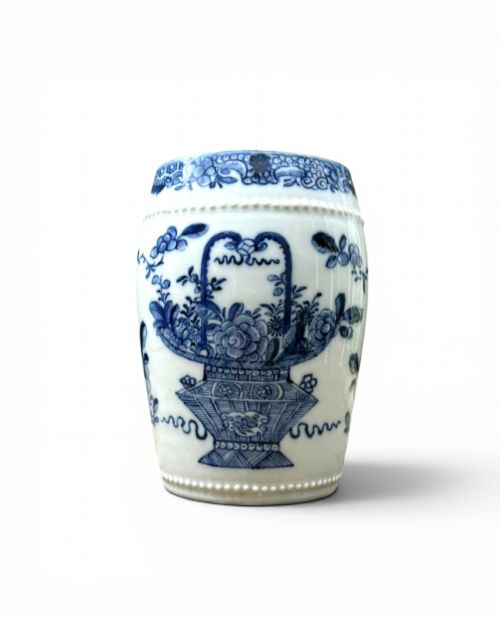
When searching for an antique blue white vessel, collectors encounter a diverse array of ceramic forms originating from European, Asian, and Middle Eastern potteries. These pieces span utility and display, ranging from apothecary jars and drug jars used in pharmacies to large bough pots, ginger jars, and ginger vases.
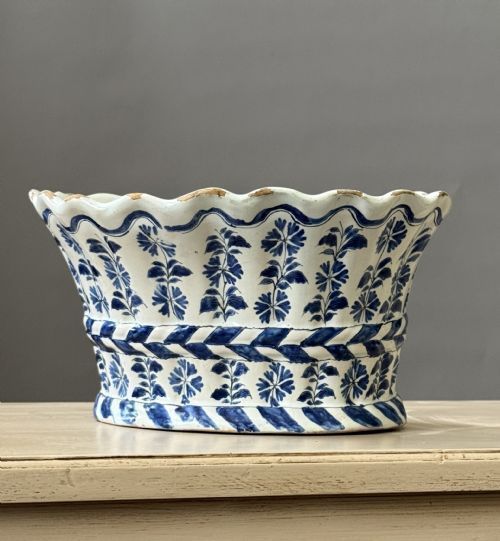
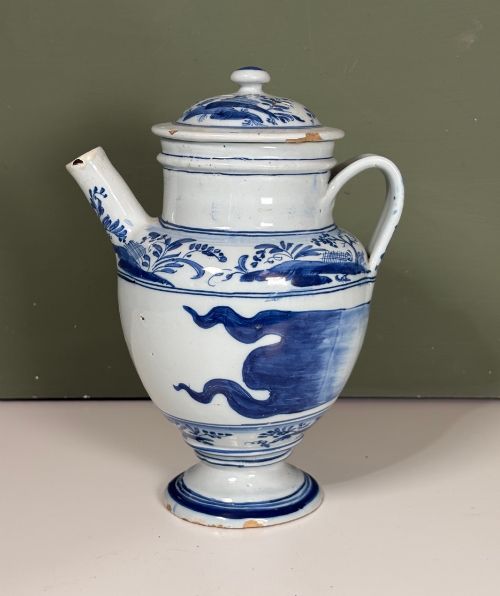
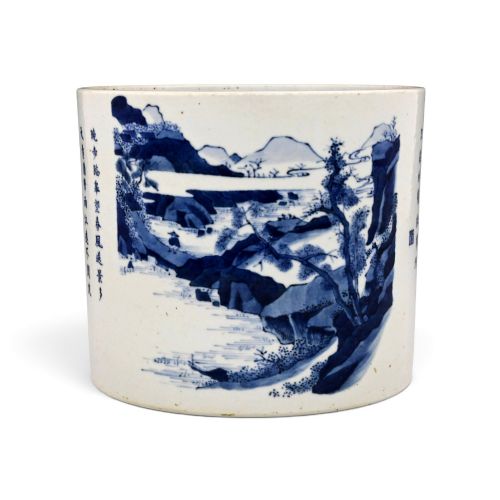
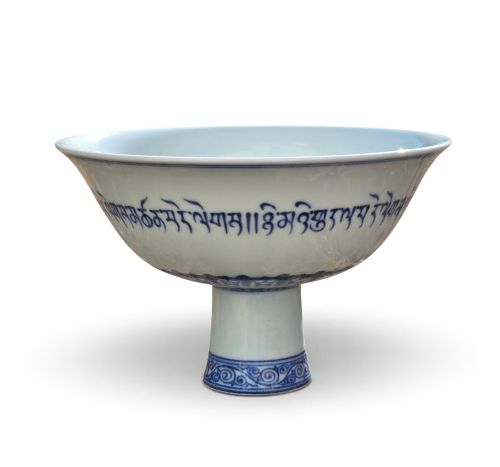
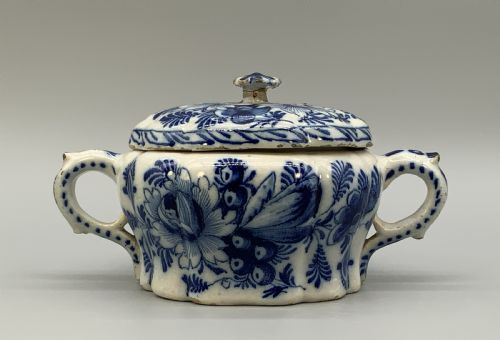
The selections available on this page most frequently showcase traditional Chinese porcelain alongside European tin-glazed earthenware such as English and Dutch Delftware. Forms include brush pots, posset pots, bulbous bottle vases, and decorative bowls dating from the seventeenth century through to the Edwardian era.
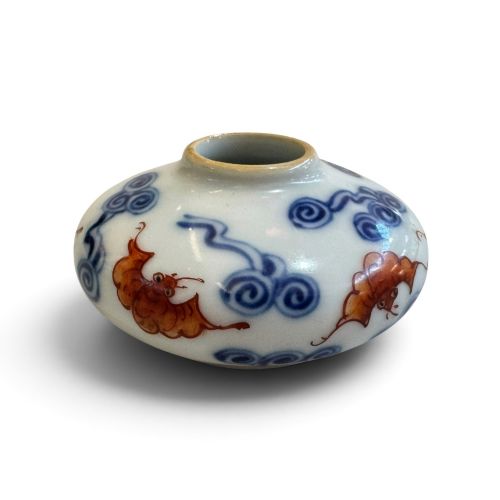
Makers across the globe utilised cobalt underglaze pigments to create striking linear designs and botanical motifs upon white ceramic bodies. Whether examining an Italian majolica albarello or a Qing Dynasty dragon bowl, each item reflects the distinct stylistic traditions of its period of manufacture.
Materials and methods of production
Potters built these vessels using earthenware, porcelain, or faience bodies, shaping the clay either by hand on a wheel or within moulds before applying specialised surface treatments. Tin glaze and tin-glazed earthenware provided an opaque white background suited for absorbing cobalt underglaze decoration.
Cobalt underglaze pigment was brushed directly onto the raw or biscuit-fired clay body, allowing intricate botanical, figurative, and geometric scenes to form beneath a protective glassy layer. Firing the pieces at high temperatures fused the cobalt into the glaze, producing durable royal blue tones across Chinese porcelain and European tin-glazed wares.
Listings feature 17th Century to 19th Century pieces in porcelain, earthenware, and tin-glazed ceramic forms.
Assessing quality in ceramic vessels
Quality rests upon the crispness of the cobalt painting and the balance achieved between the ceramic form and its applied ornament. Finer examples display confident brushwork and well-defined motifs rather than hurried or muddy pigment application.
The purity of the white ground and the smoothness of the glaze also separate superior specimens from simpler utilitarian wares. Potteries that maintained strict temperature controls during firing achieved fewer surface blemishes, allowing the underglaze cobalt to shine clearly.
The Antique Blue White Vessel Glossary
- Albarello
- A cylindrical earthenware jar used in pharmacies to store ointments and dry drugs. These vessels originated in the Middle East before becoming popular across Italy and Europe.
- Tin-Glaze
- An opaque white ceramic glaze containing tin oxide, which provides a smooth surface for painting. It was widely utilised by European faience and Delftware makers.
- Cobalt Underglaze
- A blue pigment applied to a ceramic body prior to glazing and firing. This mineral withstands high temperatures without losing its deep colour.
- Meiping
- A traditional Chinese form of high-shouldered vase with a narrow neck, originally designed for holding plum branches. These porcelain vessels display balanced proportions.
Antique Blue White Vessel: Frequently Asked Questions
How are apothecary jars dated?
Apothecary jars are typically dated by examining the tin-glaze composition, the style of the painted drug label, and the shape of the ceramic body. Earlier seventeenth-century examples often feature looser vegetal scrolls, while eighteenth-century pieces display more refined cartouches.
Changes in pharmacy naming conventions and botanical illustrations also help narrow down the period of manufacture. Comparing the footrim and glaze pooling beneath the base provides further clues to the workshop's era.
What is Delftware?
Delftware is a type of tin-glazed earthenware produced in the Netherlands and England, famously imitating imported Chinese porcelain. Artisans coated a buff earthenware body with an opaque white tin glaze before painting cobalt blue scenes.
These pieces range from functional drug jars and puzzle jugs to ornamental bough pots and vases. The style flourished during the seventeenth and eighteenth centuries across European workshops.
How should I clean my antique vessel?
Antique ceramic vessels require gentle care using only a soft, dry cloth to remove dust from the surface. Avoid using water, harsh cleaning agents, or immersion, as old tin glazes and earthenware bodies can be porous and fragile.
Keep pieces away from direct sunlight and sudden temperature shifts to protect the glaze from crazing. Displaying them on stable surfaces prevents accidental knocks to delicate rims and handles.