





Arita Ware Porcelain
Arita ware porcelain brings Japanese Imari artistry into the home, offering decorative bowls, plates, and vases shaped by centuries of tradition.
Identifying Arita ware porcelain
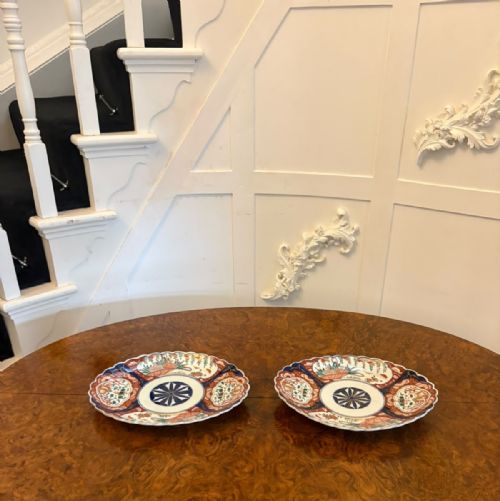
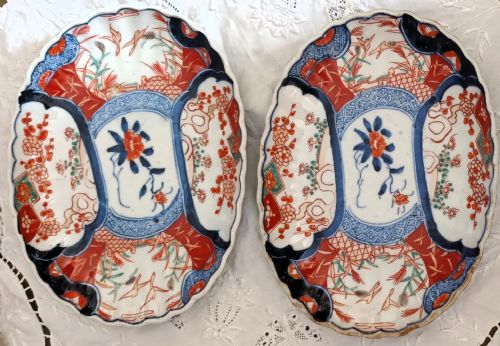
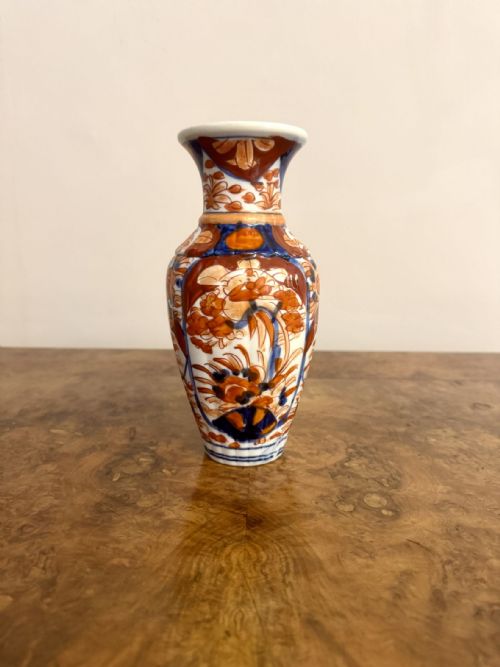
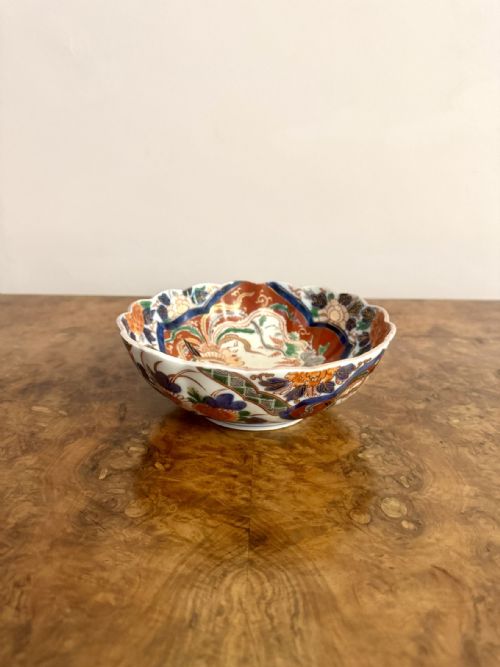
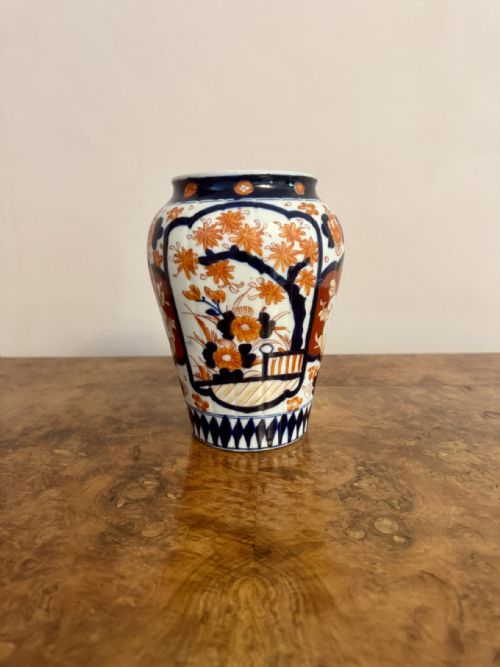
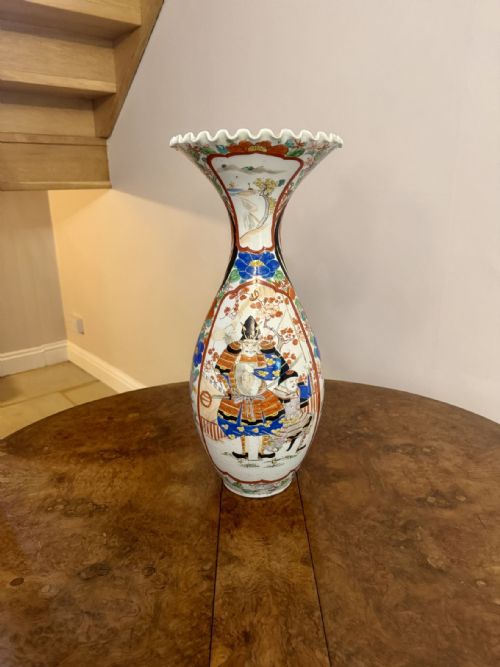
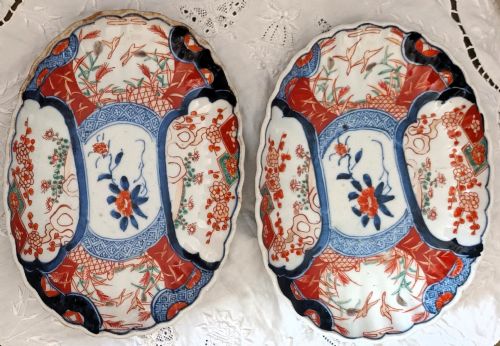
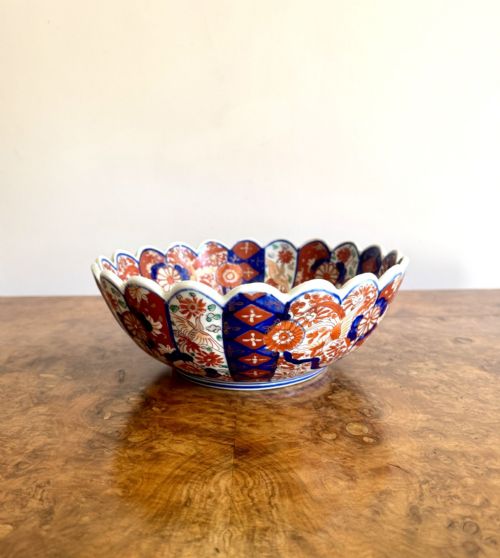
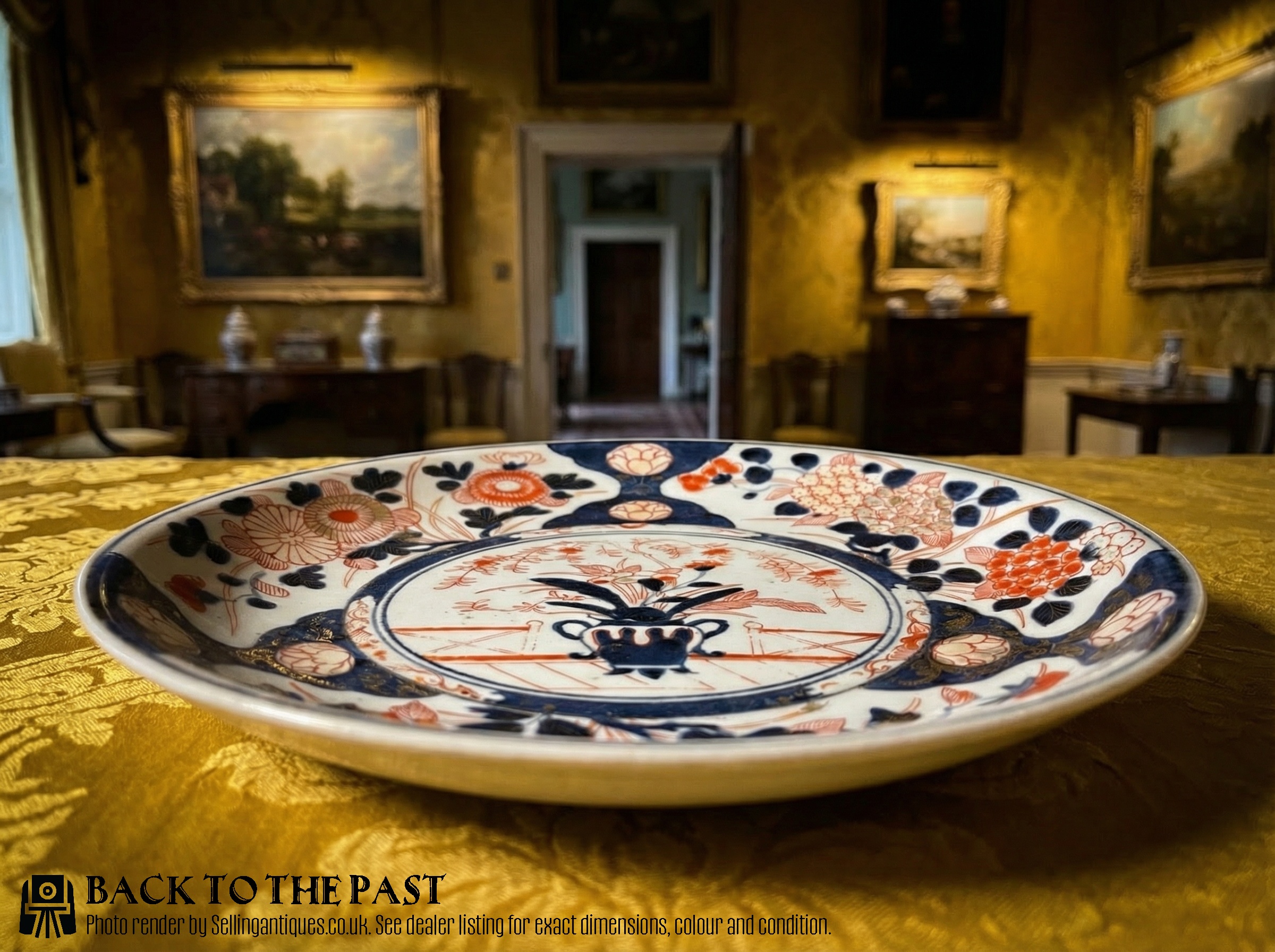
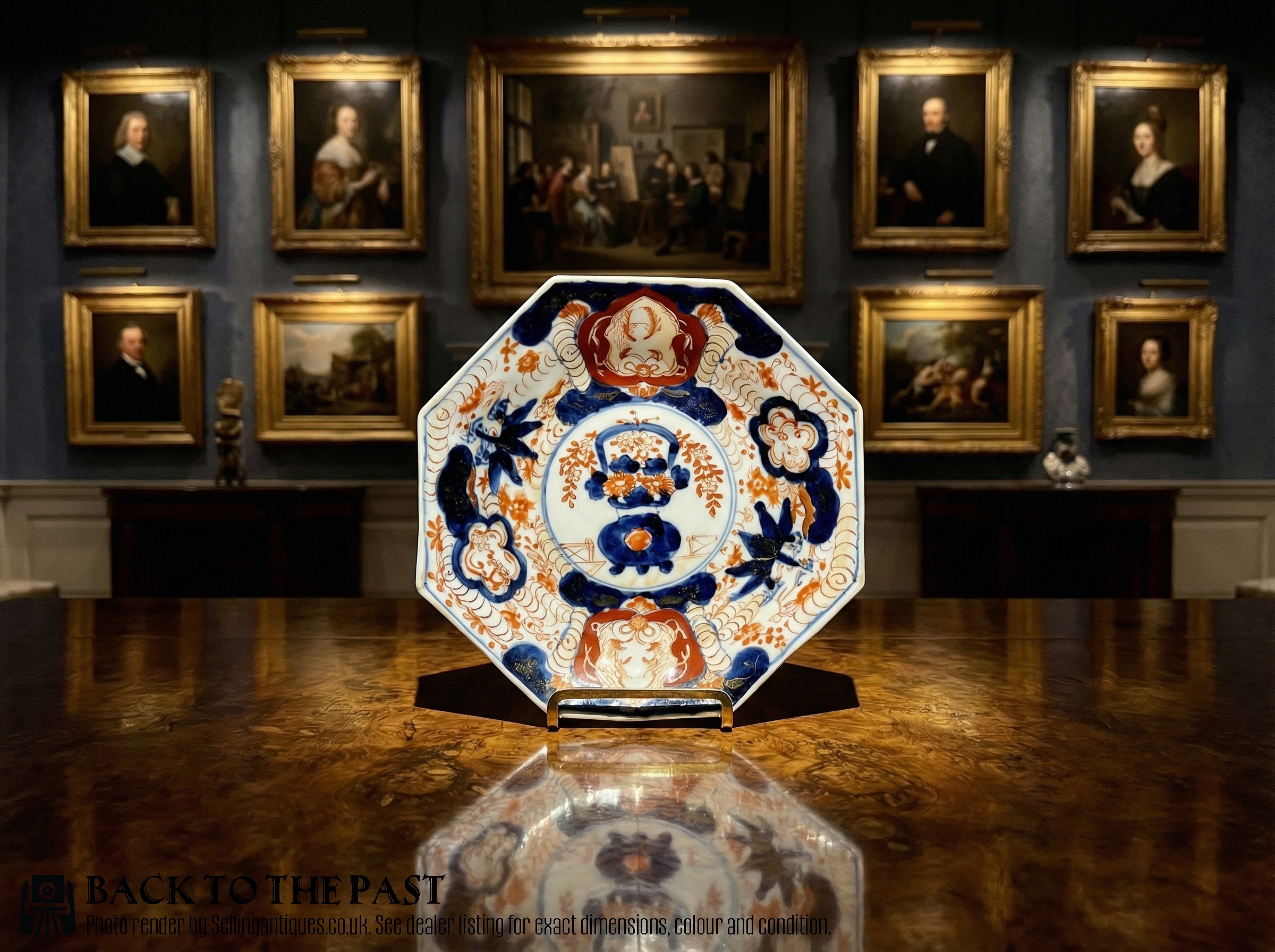
These items comprise Japanese Imari vases, bowls, plates, and dishes originating from periods spanning 1800, 1880, and 1900. Buyers encounter decorative vessels and tableware that reflect traditional forms, often featuring distinct scalloped or hexagonal edges.
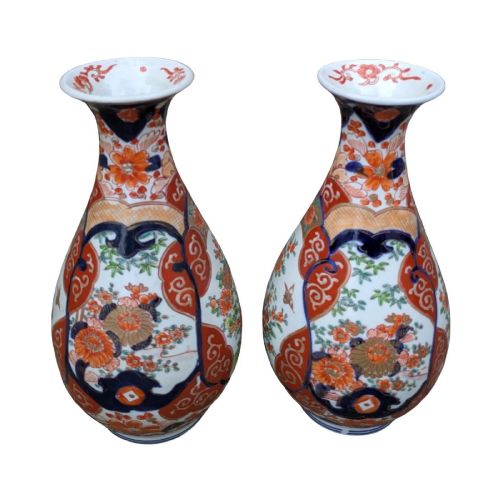
The selection centres on decorative plates, bowls, and vases created in the Japanese Imari style. Pieces range from single decorative dishes to matched pairs of vases dating across the nineteenth and early twentieth centuries.
Materials and construction
Makers utilised porcelain as the primary base material, finished with glaze to create a smooth, protective surface. Enamel colours were applied to decorate the ceramic body, adding vibrant hues.
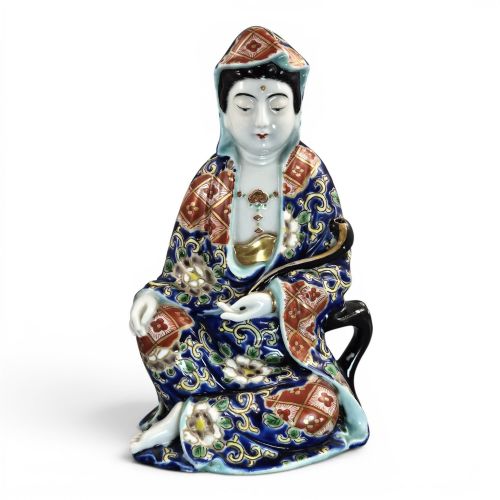
Artisans incorporated gold leaf and gilt detailing to highlight specific design elements across the vessels and plates. These decorative additions create the distinctive visual finish associated with Japanese Imari ware.
Retail Price Guide 2026
Typical UK retail prices for arita ware porcelain, calculated from the Sellingantiques database of over a million retail prices indexed since 2003. This retail price guide relies exclusively on Sellingantiques data; no external sources or auction records are used, so the figures do not describe the wider market.
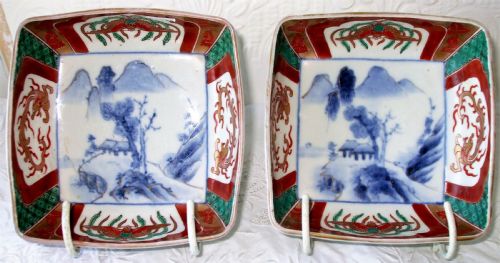
Hexagonal bowls give geometric personality to collections of floral Imari.
Assessing quality
Quality rests in the precision of the enamel work and the crispness of the porcelain form. Finer examples display careful application of gold leaf and balanced compositions across bowls and vases.
The distinction between standard items and superior pieces lies in the complexity of the Japanese Imari decoration. Heavier gilding and well-defined shapes elevate the visual impact of plates and dishes.
The Arita Ware Porcelain Glossary
- Arita ware
- Porcelain produced in the town of Arita in Japan, known for its long ceramic history. It encompasses various decorative styles including Japanese Imari.
- Imari
- A traditional style of Japanese porcelain decorated in underglaze blue and overglaze enamel, frequently accented with gold leaf. This style originated in the Hizen province.
- Gilt
- A thin layer of gold applied to the surface of porcelain or other materials for decoration. It provides a metallic highlight to complement the enamel colours.
- Scalloped edge
- A border shaped into a series of continuous curves resembling scallop shells. This form appears frequently on decorative bowls and dishes.
Frequently Asked Questions
What is arita ware porcelain?
Arita ware porcelain encompasses decorative vessels and tableware produced in Japan, featuring distinct styles such as Japanese Imari.
These objects include vases, bowls, plates, and dishes created across the nineteenth and early twentieth centuries.
How do I date arita ware porcelain?
Dating relies on stylistic characteristics, materials, and documented periods ranging from 1800 to 1900.
Changes in enamel palettes and gilding techniques help establish the approximate age of each piece.
How were these pieces used?
These items served primarily as decorative objects for display within the home, utilising striking Japanese Imari patterns.
Plates, bowls, and vases added visual interest to interiors through their colourful enamel and gilt decoration.
What materials are used?
The pieces consist of a porcelain body finished with protective glaze and colourful enamel.
Gold leaf and gilt details are frequently applied to enhance the decorative surfaces.