
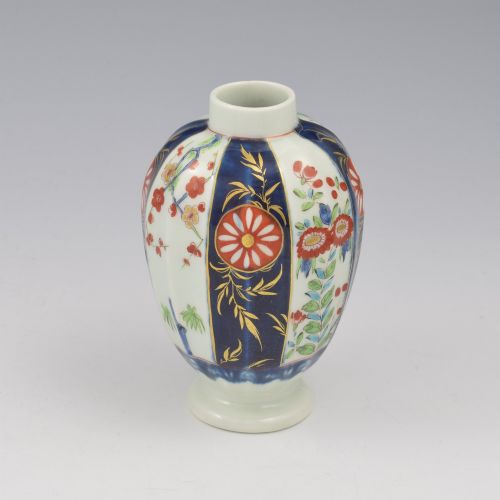
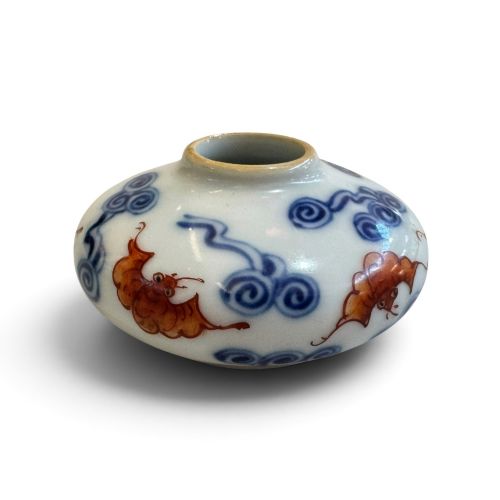
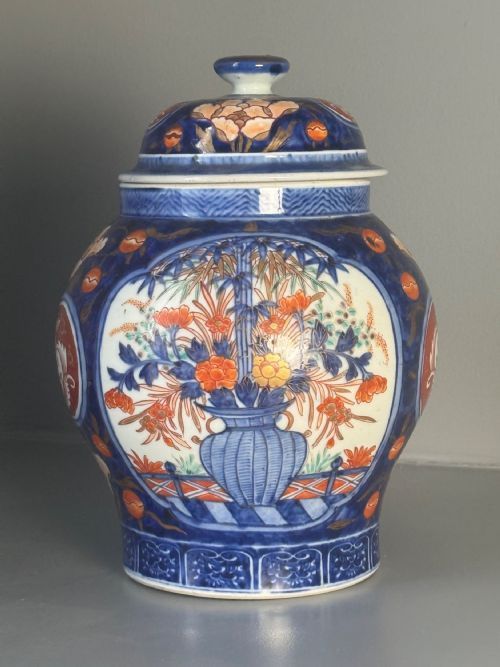
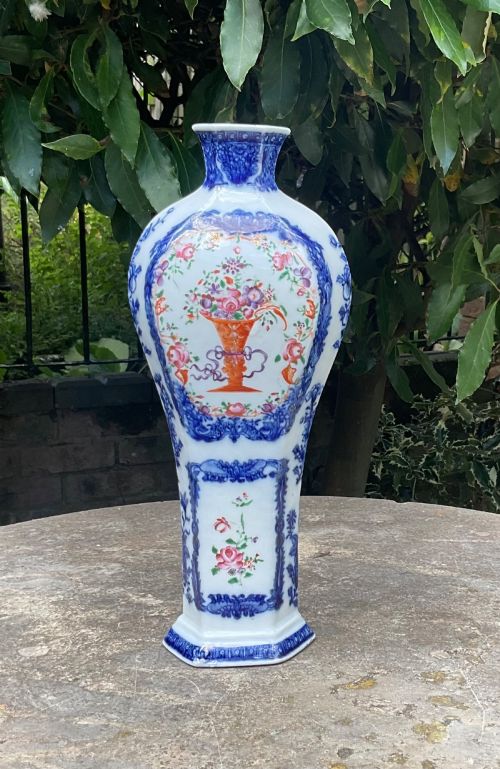


Blue White Porcelain Jar
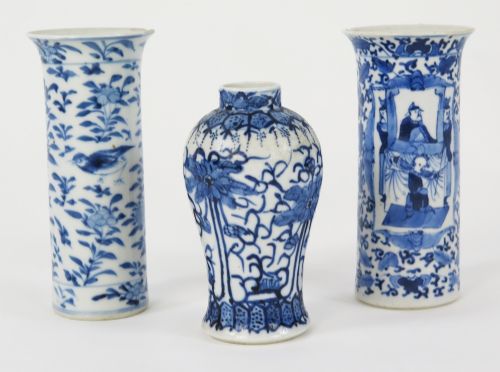
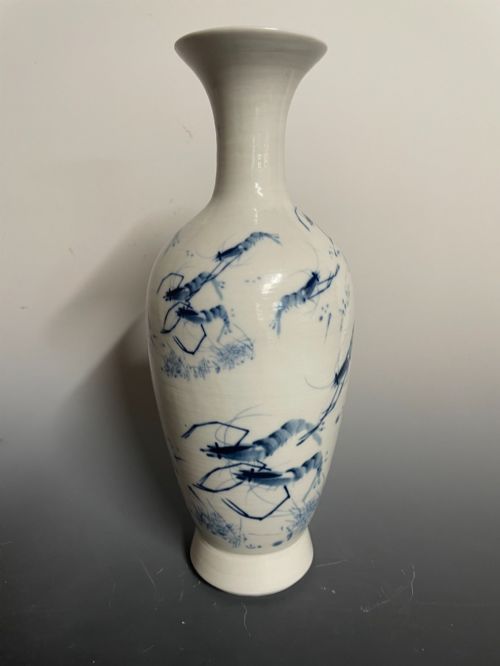
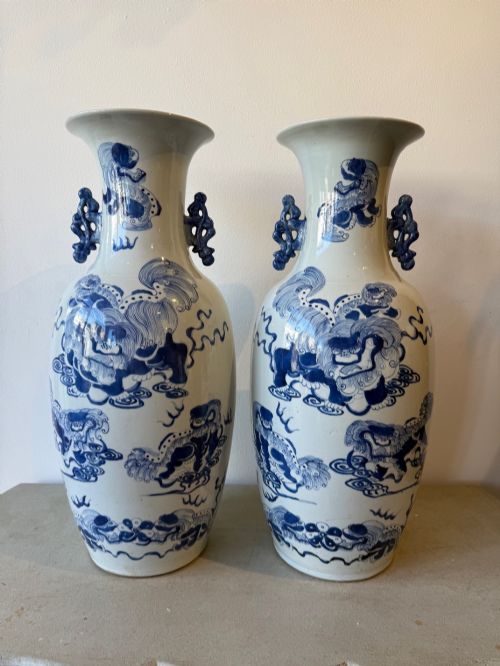
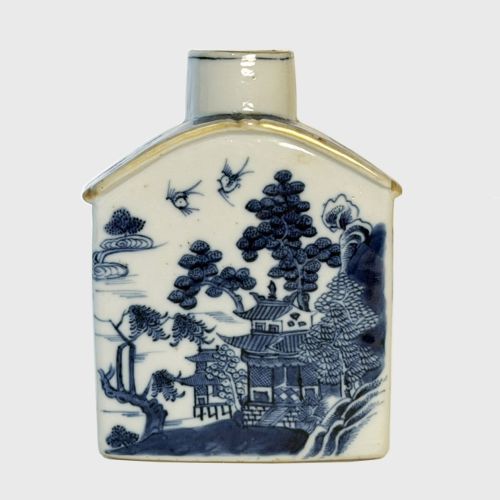
A blue white porcelain jar brings centuries of refined ceramic artistry into a room, offering both decorative presence and historical depth.
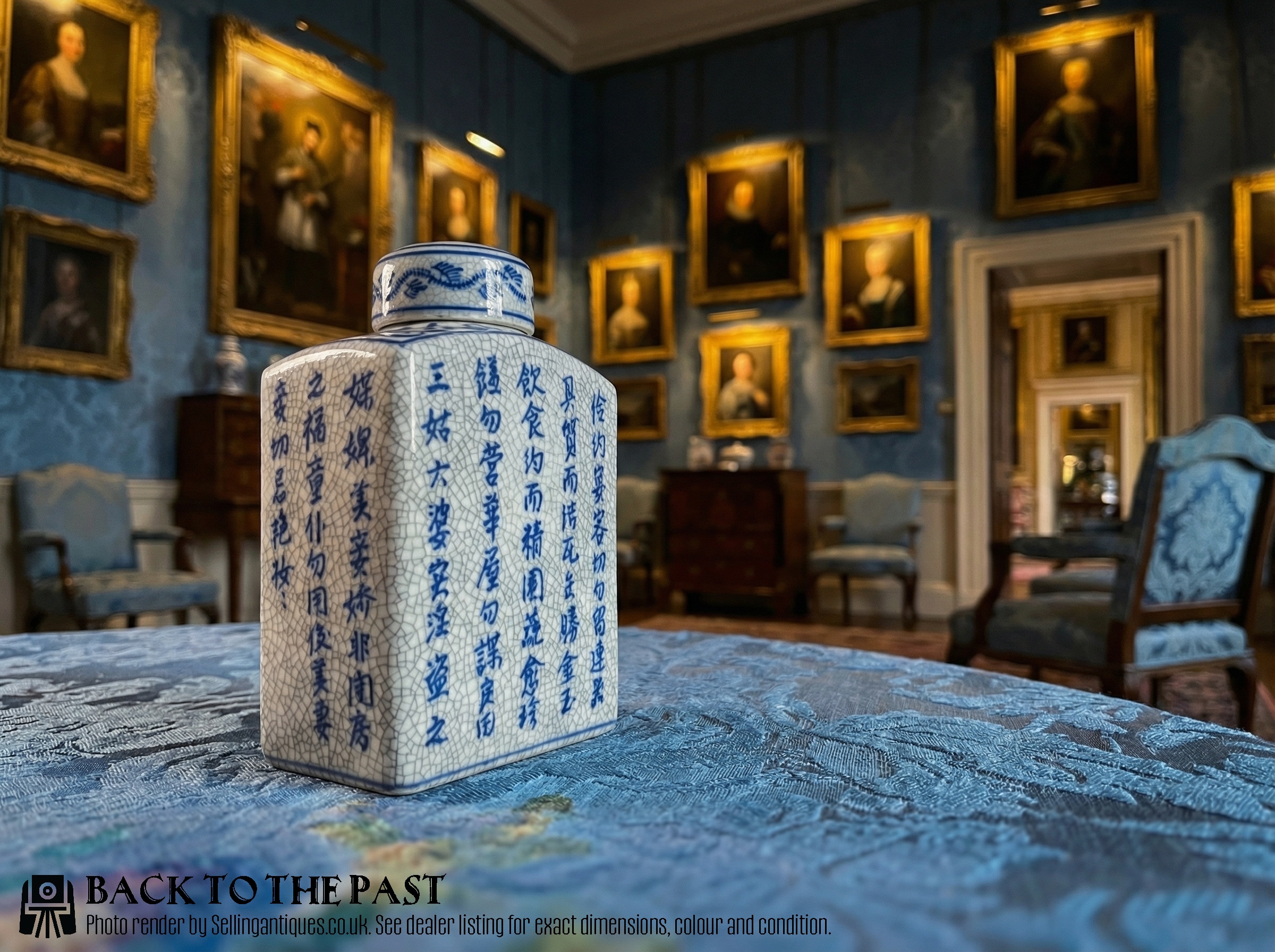
Blue White Porcelain Jar
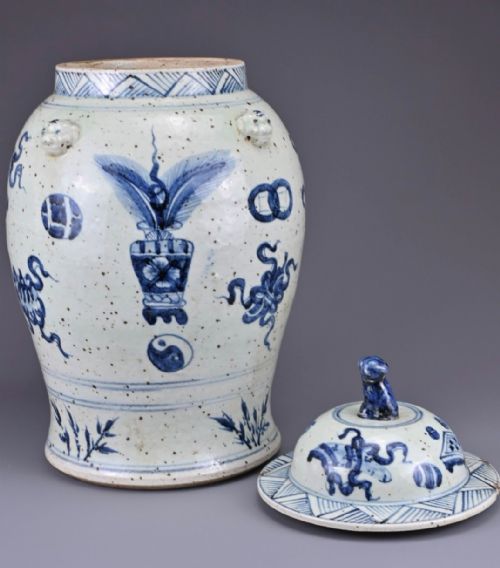
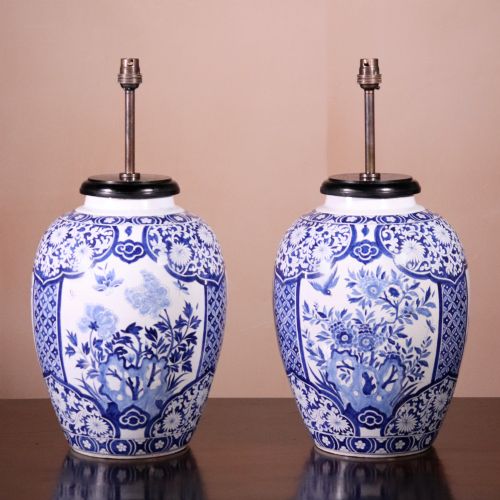
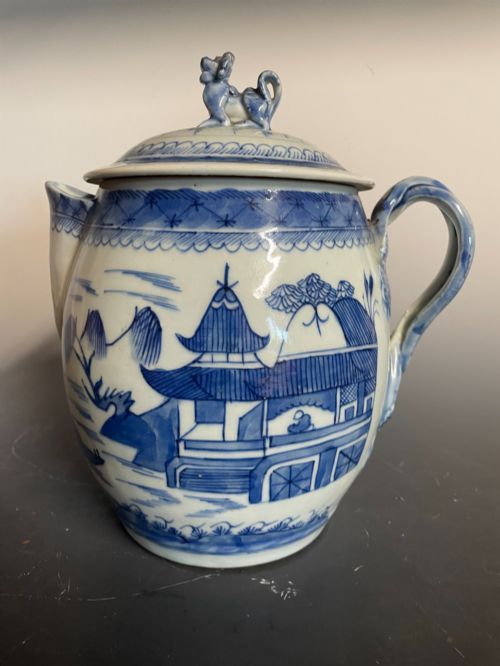
Many examples retain their original covers, while others survive as bodies adapted later into table lamps or decorative urns. The forms range from compact cabinet vessels to monumental jars designed for floor placement. This variety reflects global trade routes and the enduring popularity of cobalt decoration across different cultures and eras.
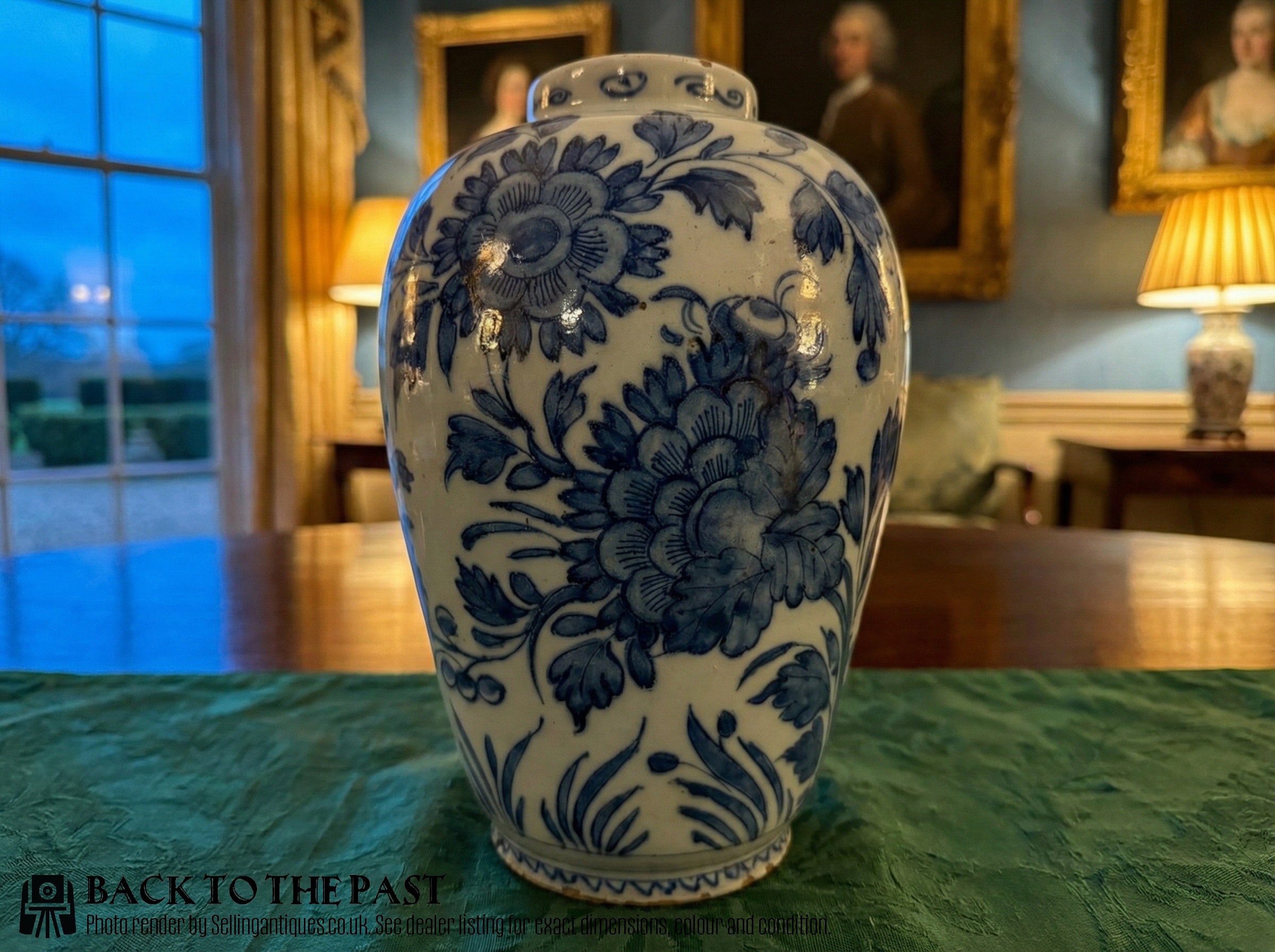
What varies in quality
The distinction between ordinary and exceptional examples rests upon the clarity of the cobalt painting and the balance of the vessel's proportions. Superior pieces exhibit confident, fluid brushwork with nuanced shading, whereas lesser examples display rigid or muddy application. The purity of the white porcelain ground and the absence of heavy kiln distortions further separate standard production from masterworks.
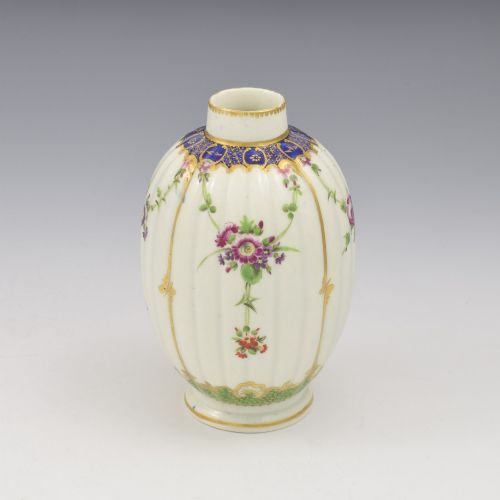
Historical significance and the presence of period marks also influence the standing of an individual jar. Pieces bearing genuine dynasty or reign marks, or those associated with noted early European porcelain manufactories, command greater attention from serious collectors. The harmonious integration of form and decoration remains the ultimate measure of quality.
Blue White Porcelain Jar Retail Price Guide 2026
Typical asking prices for blue white porcelain jar among the pieces listed under this phrase on Sellingantiques today, from the lower quarter to the upper quarter. They describe what is for sale here now, not the wider market.
The inventory encompasses diverse stylistic traditions including Qing Dynasty export wares, Japanese Meiji period ceramics, and European Delft and Chinoiserie interpretations.

Makuzu Kozan·Samson of Paris
The Blue White Porcelain Jar Glossary
- Baluster
- A vase or jar form characterised by a bulbous lower body that tapers towards a narrow neck and flares slightly at the rim. This traditional shape provides stability and visual balance.
- Ginger jar
- A wide-shouldered, short-necked storage vessel originally utilised for spices and herbs before becoming a standard decorative interior ornament. They frequently feature domed lids.
- Cobalt glaze
- A metallic oxide pigment applied beneath or over the glaze to produce rich blue decoration upon white ceramic surfaces. It withstands extremely high kiln temperatures without losing intensity.
- Chinoiserie
- European artistic interpretations and imitations of Chinese and East Asian artistic traditions, prevalent in decorative arts during the seventeenth and eighteenth centuries.
- Underglaze
- A decoration applied to ceramic ware before the glaze is added, ensuring the design is permanently sealed beneath the glassy surface layer during firing.
Blue White Porcelain Jar: Frequently Asked Questions
How were blue white porcelain jars used historically?
These vessels originally served practical functions as storage containers for tea, spices, ginger, and dry goods within wealthy households. Their robust construction and tight-fitting lids kept contents dry and secure during long domestic use or international transport.
Over time, their aesthetic appeal transcended mere utility, leading to prominent display in formal reception rooms and cabinets of curiosity. Today, surviving examples continue to function as striking decorative focal points or converted lamp bases.
How do I distinguish eighteenth-century pieces from nineteenth-century copies?
Distinguishing between periods involves examining the character of the cobalt blue, the weight of the porcelain body, and the footrim finish. Earlier pieces often display a more fluid, deeply absorbed cobalt tone and finely potted walls that feel surprisingly light yet dense.
Later nineteenth-century and revival pieces frequently exhibit brighter, more uniform blue pigments applied over heavier, starker white ceramic bodies. Base marks, potting techniques, and the natural wear on the unglazed footrim provide further clues to age.
Can I use a antique jar as a lamp?
Many jars found in modern collections have already been safely converted into table lamps by previous owners over the past century. This adaptation preserved numerous fine ceramic bodies that had lost their original matching lids or sustained minor rim damage.
If considering a conversion on an intact lidded jar, professional guidance ensures the vessel remains undamaged and properly wired without compromising its historical integrity.
What does a reign mark on the base signify?
Imperial reign marks inscribed on the base of Chinese porcelain indicate the historical era or dynasty during which the original style was established. Potters in later centuries frequently reproduced these marks out of respect for earlier masterworks rather than to deceive.
Interpreting these markings requires careful analysis of the calligraphy style, the surrounding glaze, and the manufacturing characteristics of the entire vessel.