




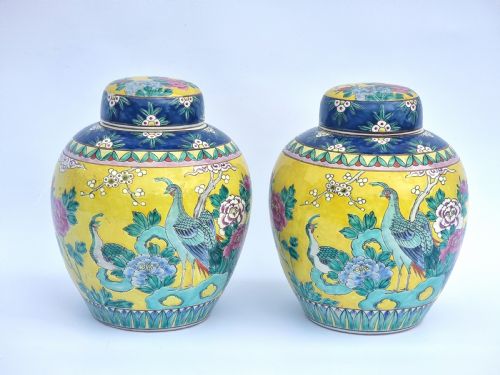


Chinese Porcelain Covered Jar
A Chinese porcelain covered jar brings centuries of kiln mastery into a room, offering both sculptural presence and intricate painted detail.
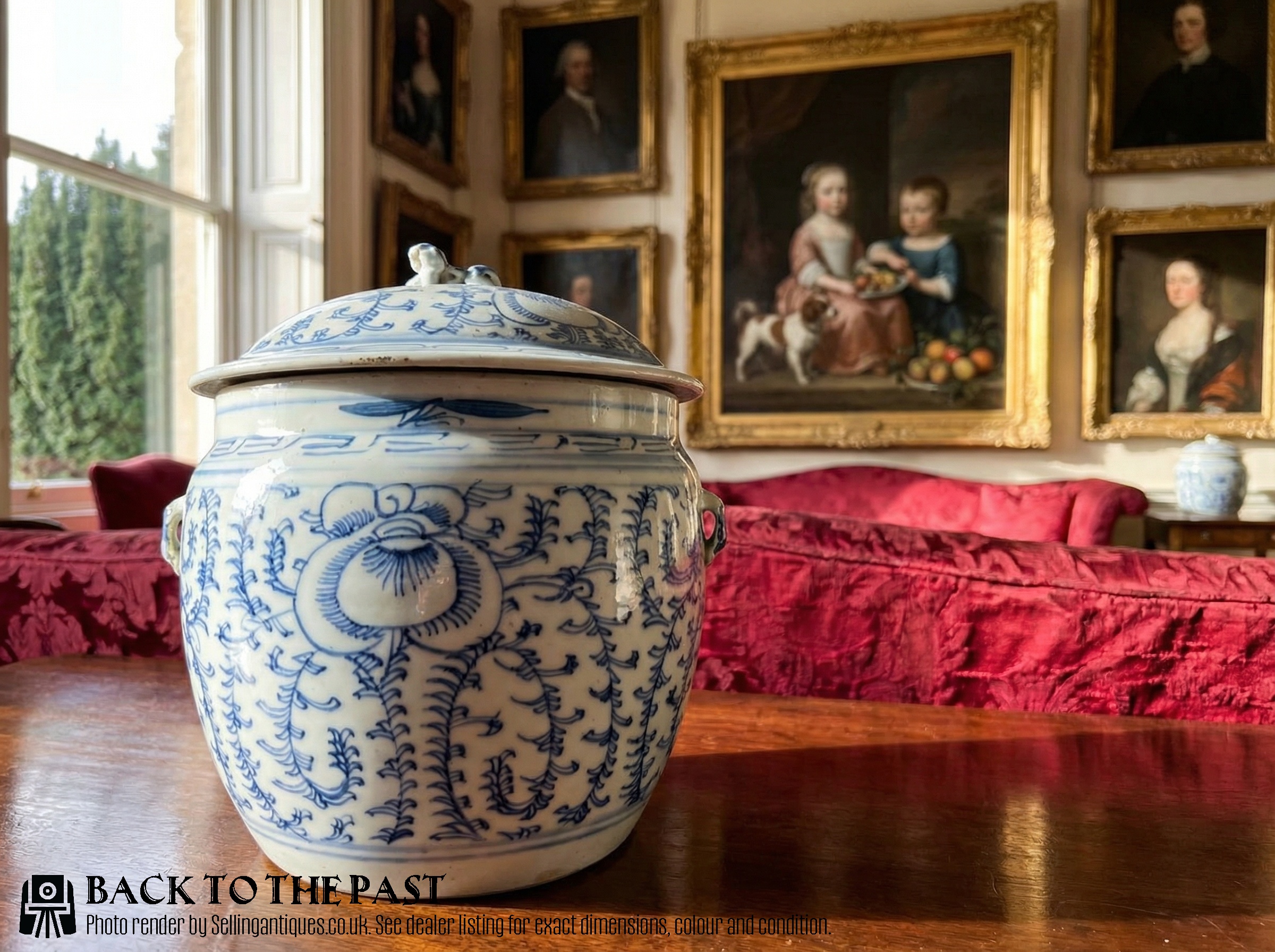
Chinese Porcelain Covered Jar
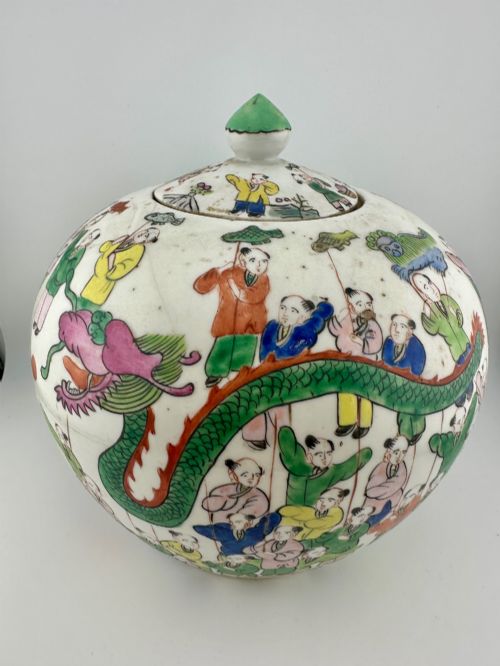
A chinese porcelain covered jar stands as a versatile vessel form found across various historical periods, ranging from the seventeenth century through the twentieth century. These objects appear in forms such as ginger jars, baluster vases, kamcheng jars, and lidded canisters, often accompanied by matching covers.
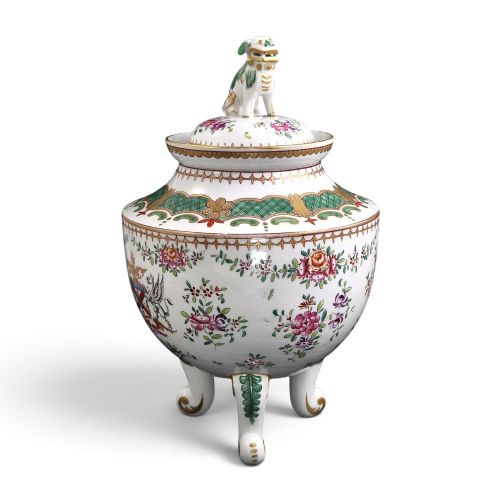
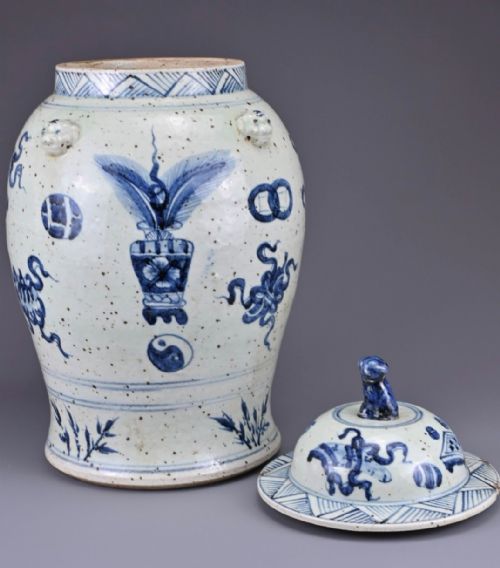
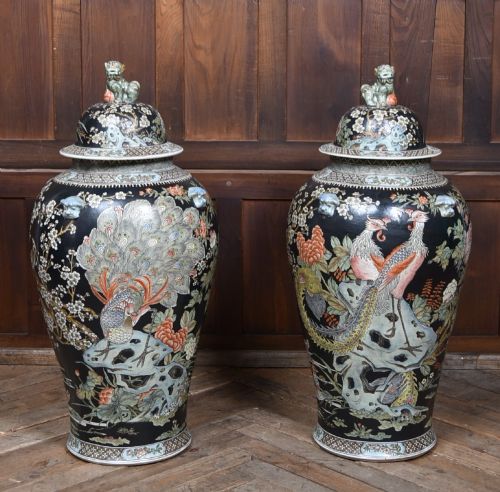
The pieces on this page encompass traditional Qing Dynasty styles, Republic Period pieces, and nineteenth-century blue and white designs alongside European interpretations like Samson Paris Chinoiserie. Buyers encounter monumental floor jars as well as compact table pieces, demonstrating the broad scale of production.
Dating ranges from seventeenth-century Kangxi period examples to twentieth-century items from nineteen thirty and nineteen forty. This chronological spread provides collectors with options spanning distinct imperial and export traditions.
Materials and production
Makers utilised porcelain and hard-paste ceramic bodies, fired at high temperatures to achieve a vitrified structure. These bases were then decorated using cobalt glaze, enamel pigments, and occasionally gold leaf or gilding.
Decoration relied on hand painting, crackle glazes, and powder blue surfaces. Certain examples incorporated additional mounts made of ormolu to suit European tastes during the nineteenth century.
Chinese Porcelain Covered Jar Retail Price Guide 2026
Typical asking prices for chinese porcelain covered jar among the pieces listed under this phrase on Sellingantiques today, from the lower quarter to the upper quarter. They describe what is for sale here now, not the wider market.
Some nineteenth-century blue and white jars crossed continents only to acquire shiny ormolu mounts in European drawing rooms.
Distinctions in quality
The refinement of the painted detail and the purity of the cobalt glaze or enamel colours distinguish individual vessels. Precision in the potting of the porcelain body and the exact fit of the cover also indicate superior manufacture.
The historical significance of the design source, such as adherence to Kangxi period aesthetics or originality within Qing Dynasty traditions, adds dimension to an individual piece. The integrity of the glaze and the preservation of any gilding complete the physical assessment.
The Chinese Porcelain Covered Jar Glossary
- Cobalt glaze
- A blue pigment applied under the glaze before firing, yielding the characteristic deep blue tones seen on traditional Chinese porcelain.
- Crackleglazed
- A surface finish featuring a network of fine decorative cracks intentionally created during the cooling process of the glaze.
- Ginger jar
- A wide-mouthed storage jar traditionally used for spices, possessing a rounded shoulder and a flat or domed cover.
- Kamcheng
- A type of covered container produced in Chinese kilns primarily for export to Southeast Asia, typically featuring polychrome enamel decoration.
Chinese Porcelain Covered Jar: Frequently Asked Questions
How were covered jars used historically?
These vessels originally served to store spices, tea, medicines, or valuable dry goods within the household. Their lidded design kept contents secure from moisture and pests.
Over time, larger covered jars became prominent decorative elements in palace halls and domestic interiors, valued for their painted ornamentation and imposing scale.
How do I care for a porcelain jar?
Dust the surface gently with a soft, dry cloth to prevent accumulation. Avoid using harsh chemical cleaners or abrasive materials that might damage the glaze or any gilding.
Place the jar on a stable, flat surface away from high traffic areas where the lid could be accidentally dislodged or the vessel knocked over.
What is powder blue porcelain?
Powder blue is a ceramic finish created by blowing cobalt blue pigment through a gauze tube onto the unglazed porcelain body before firing. This technique produced a mottled, textured blue surface rather than a flat wash.
Potters often applied gilt decorations over this blue field once the piece emerged from the kiln.
How can I distinguish between periods?
Examination of the potting style, the depth of the cobalt or enamel colours, and the characteristics of the base provide clues to a jar's age. Seventeenth-century pieces often display specific blue and white painting conventions linked to the Kangxi era.
Later nineteenth and twentieth-century examples incorporate different stylistic markers, including Republic Period signatures or European revival influences such as Samson Paris work.