
Chinese Ceramic Vessel
A Chinese ceramic vessel carries centuries of imperial patronage and scholarly craft across porcelain, celadon, and earthenware forms.
Chinese Ceramic Vessel
A Chinese ceramic vessel encompasses functional and decorative objects created across dynasties spanning from the Neolithic era to the twentieth century. The selection ranges from domestic jars and bowls to scholar's water vessels, brush pots, and ceremonial incense burners.
The pieces most frequently encountered on this page originate from the Ming and Qing dynasties alongside nineteenth-century production. Forms vary from massive double-gourd vases and ginger jars down to miniature brush washers and snuff bottles.
Scholar's items form a distinct category within these listings, reflecting the aesthetic priorities of traditional Chinese literati. Objects intended for the desk sit alongside larger display vessels created for export or domestic interior use.
Materials and Technique
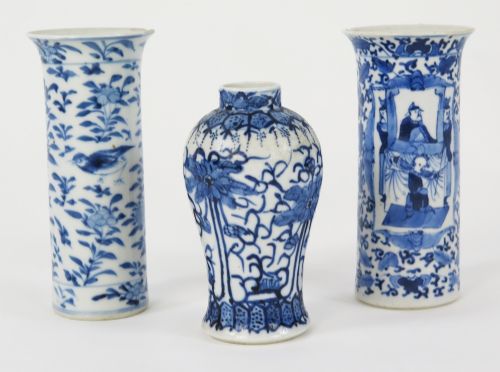
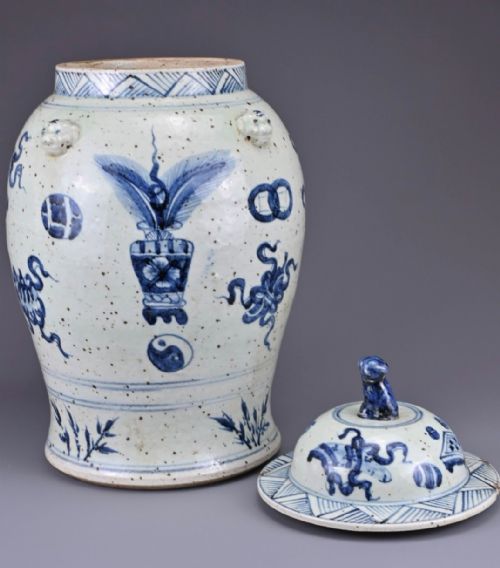
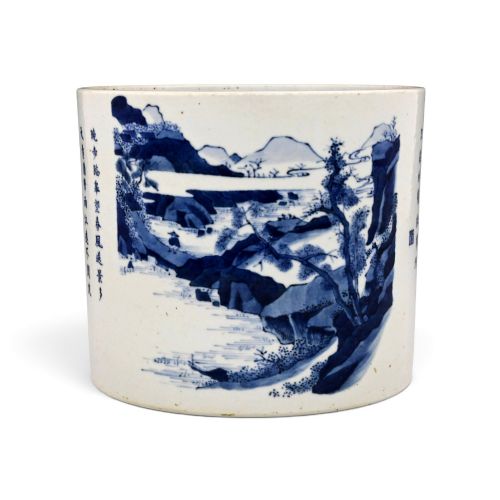
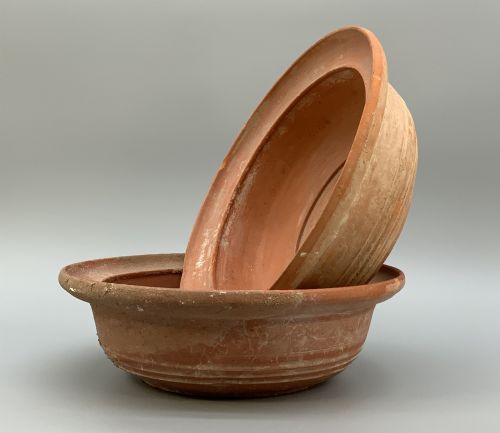
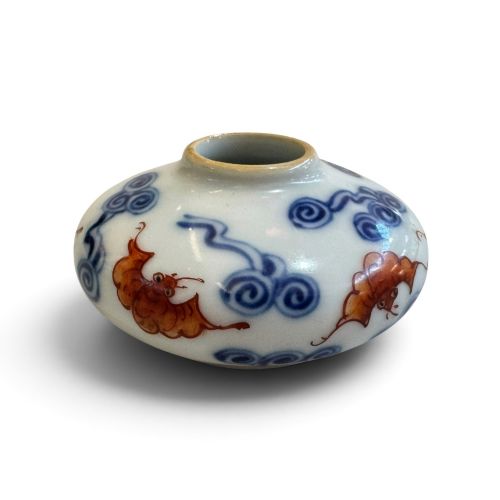
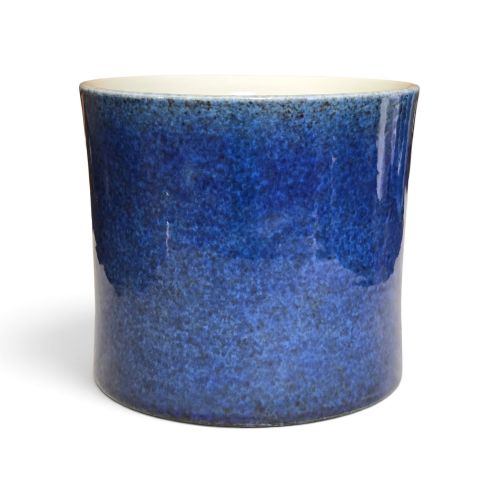
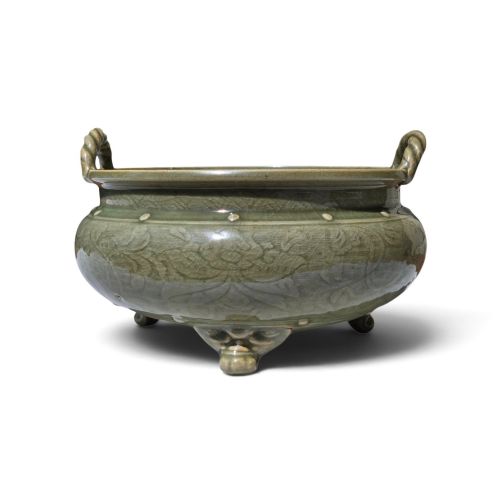
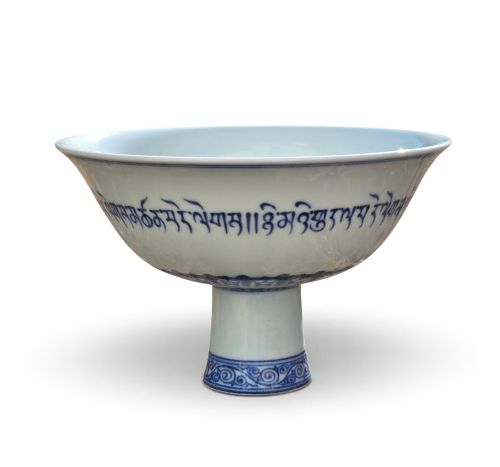
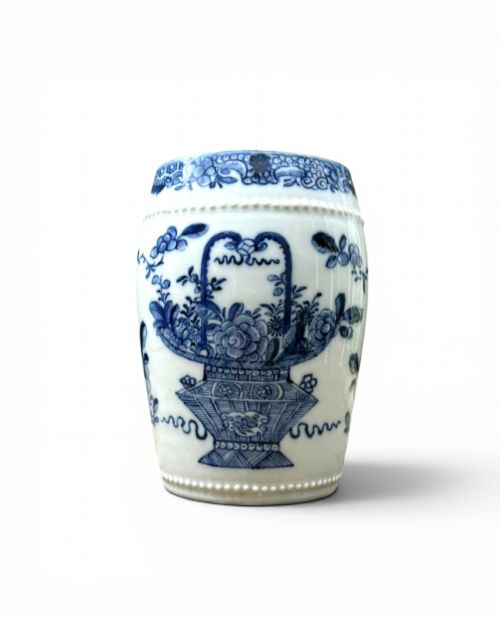
Potters utilised fine white porcelain, dense stoneware, and porous earthenware shaped by hand or wheel. Glazes applied to these surfaces include cobalt underglaze, celadon, flambé, iron rust, and monochrome powder-blue.
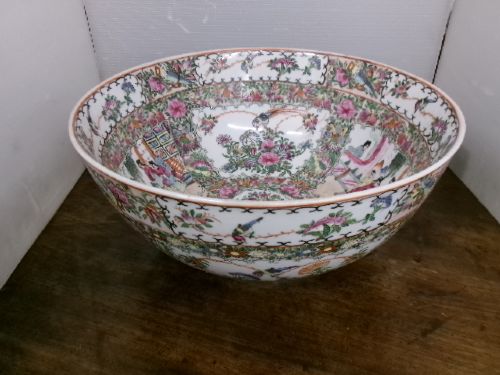
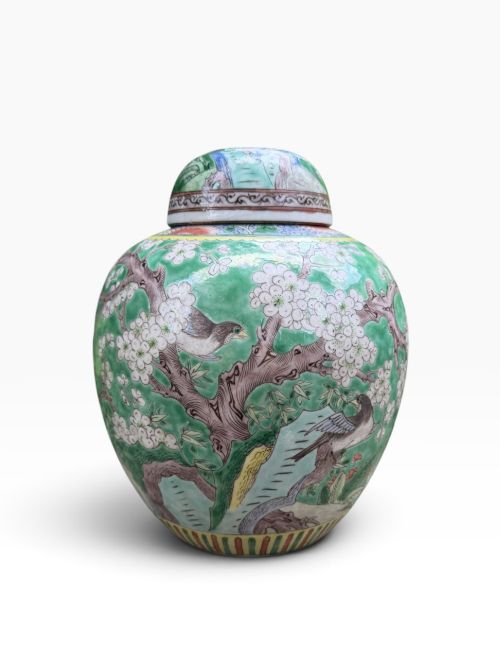
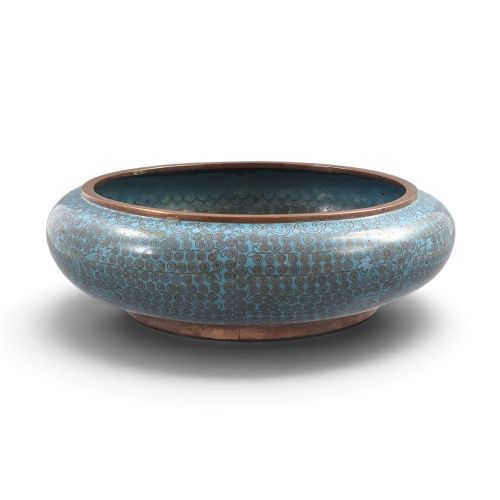
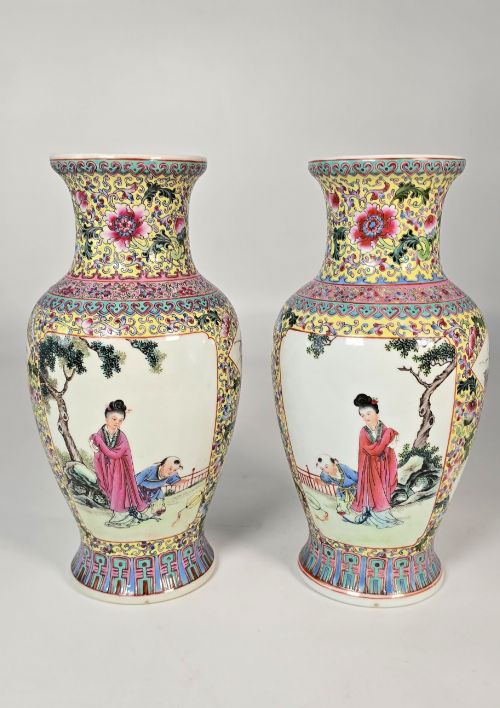
Enamels painted over the glaze define famille rose and doucai decorative schemes, often requiring secondary firing. Craquelure finishes, turquoise lead glazes, and gold leaf additions appear on specific regional and period wares.
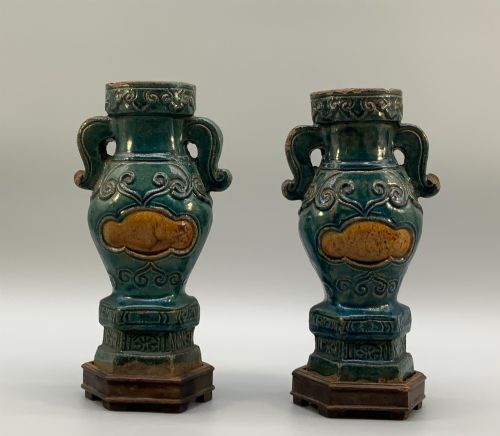
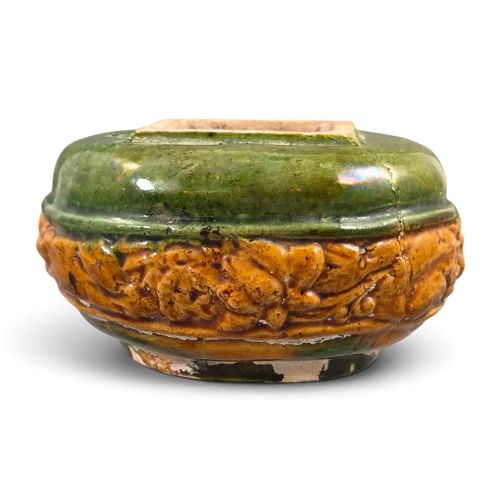
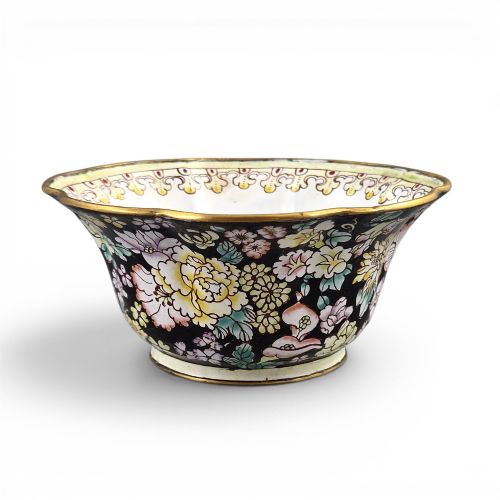
Materials represented across the selection include earthenware, copper-mounted cloisonné enamel, and underglaze painted porcelain.
Assessing Quality
Quality rests upon the refinement of the potting body and the control demonstrated in the kiln. Finer pieces display balanced proportions, precise control of underglaze cobalt or iron pigments, and even glaze distribution.
Imperial wares and scholar's pieces show superior handling of carved motifs, incised phoenix and peony designs, or specialised crackle glazes. Lesser examples exhibit heavier potting and less disciplined brushwork in painted panels.
The Chinese Ceramic Vessel Glossary
- Celadon
- A green or grey-green glazed ceramic developed in China to imitate jade. The colour results from iron oxide fired in a reduction atmosphere.
- Bitong
- A cylindrical brush pot used by scholars to hold writing implements on a desk. These containers appear in porcelain, bamboo, and wood.
- Doucai
- A decorative technique combining underglaze blue outlines with overglaze polychrome enamels. The method originated during the Ming dynasty.
- Meiping
- A high-shouldered vase with a narrow neck designed originally to hold flowering plum branches. The profile tapers gracefully towards the base.
- Kangxi
- A regnal period lasting from 1662 to 1722 noted for technical innovation in porcelain production. Wares from this time display brilliant blue and white painting.
Chinese Ceramic Vessel: Frequently Asked Questions
How do I date a Chinese ceramic vessel?
Dating relies upon stylistic markers, reign marks, glaze chemistry, and potting characteristics that shifted between dynasties. Comparison with documented examples from specific periods helps establish the likely decade or century of production.
Material analysis and examination of foot rims provide further clues regarding the era of manufacture. Many pieces carry seals or marks corresponding to imperial reigns, though apocryphal marks also exist.
How should I clean my antique vessel?
Dust ceramic vessels gently with a soft, dry brush to prevent accumulation on glazed and unglazed surfaces. Avoid liquid cleaners or submerging older pottery, especially pieces with overglaze enamels or deliberate craquelure.
Harsh chemicals and abrasive cloths can permanently damage delicate mineral pigments and ancient glazes. Professional consultation is advised for heavier conservation needs.
What does celadon mean?
Celadon describes a family of ceramics featuring jade-green or grey-green glazes over a stoneware or porcelain body. This finish originated centuries ago and was prized for its tactile and visual resemblance to precious stone.
The subtle colour tone comes from iron interacting with kiln atmosphere during high-temperature firing. Different kilns produced variations ranging from olive green to pale sea-foam.
Are all marked pieces imperial?
Reign marks found on the base do not automatically indicate imperial manufacture for the court. Potters in later periods frequently inscribed earlier dynastic marks as a sign of respect or commercial emulation.
Evaluating imperial quality requires assessing the precision of the potting, the clarity of the mark, and the refinement of the glaze. True imperial pieces display exceptional craftsmanship suited to the palace.