


Green Glaze Pot
A green glaze pot brings earthy colour and texture to a room, ranging from rustic French confit vessels to refined Chinese ceramics.
Green Glaze Pot
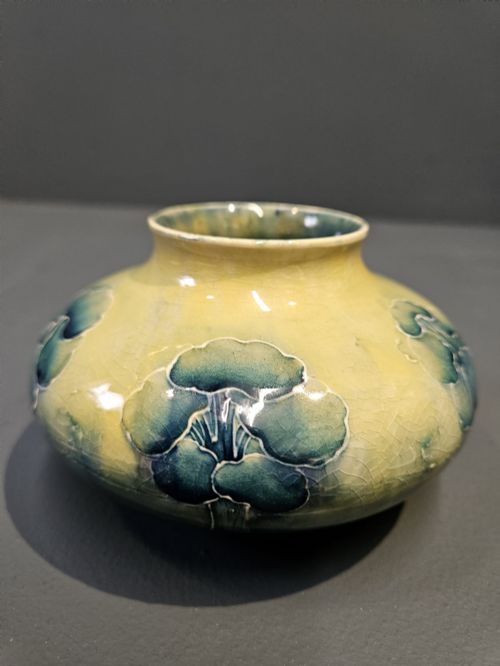
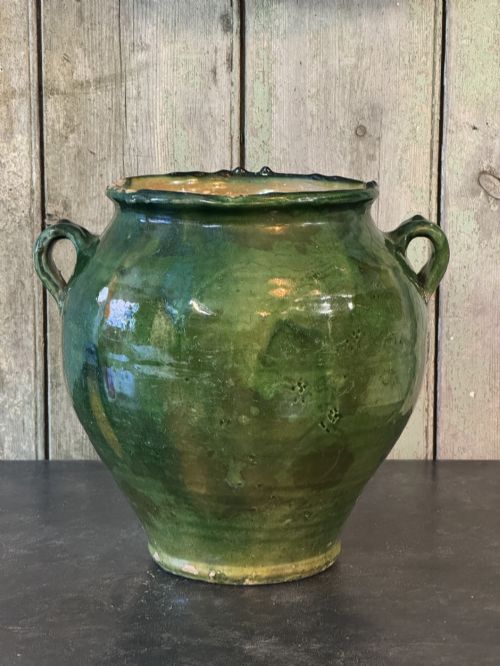
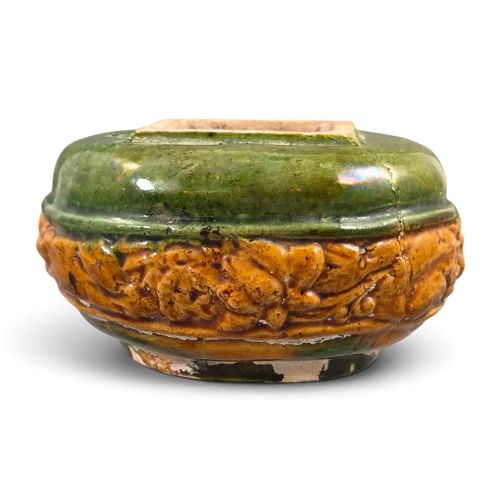
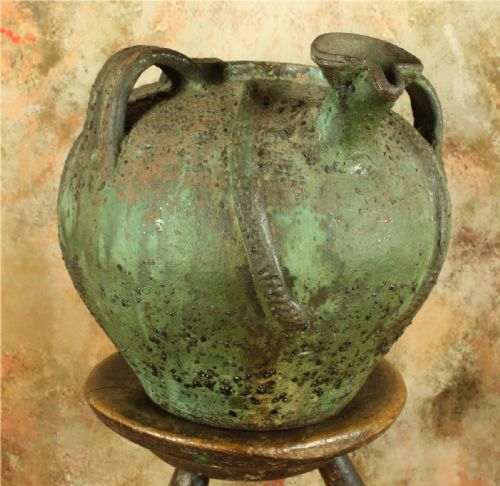
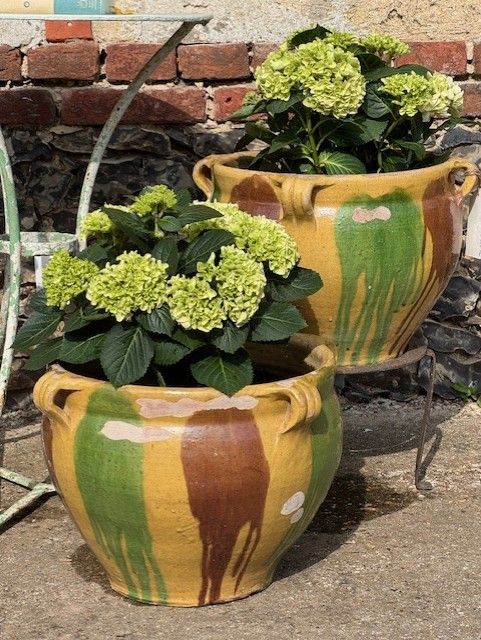
A green glaze pot encompasses a diverse array of utilitarian and decorative vessels found when searching for this phrase, predominantly taking the form of French confit jars, jardinieres, and planters. Buyers frequently encounter nineteenth-century European earthenware alongside earlier Asian ceramic water vessels and Chinese roof tiles.
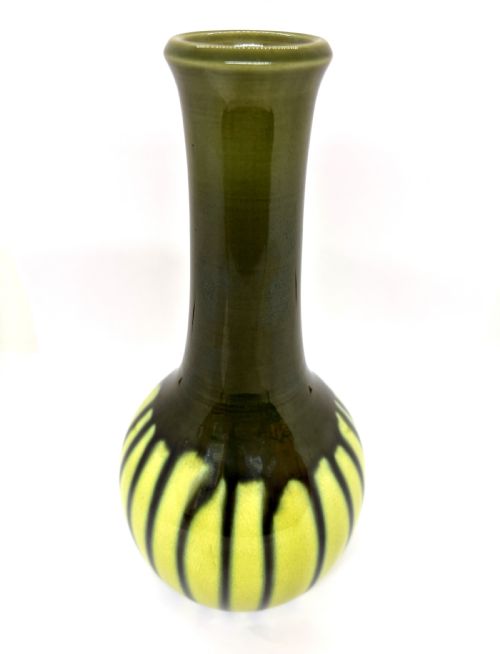
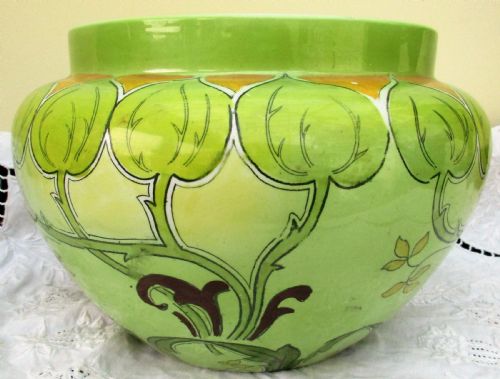
The selection ranges from large olive jugs and three-handled oil pots to delicate nineteenth-century vases and nineteenth-century English majolica jardiniere pieces. These objects serve both ornamental and functional roles, often displaying the robust character of provincial workshops or the refined discipline of Victorian design.
Originating across distinct historical periods from pre-sixteenth century dynasties to the twentieth century, these items reflect varied domestic and architectural uses. A buyer is most likely to meet French provincial earthenware or English Victorian ceramic planters on this page.
How they were made
Makers shaped these pieces primarily from earthenware, terracotta, and stoneware, utilising clay bodies suited to local potting traditions across Europe and Asia. Potters applied mineral glazes, including tin glaze and varied drip glazes, before firing the vessels in kilns to achieve the characteristic green surface colour.
Techniques range from hand-thrown terracotta forms intended for storing oil or food to moulded Victorian majolica and Art Nouveau ceramic pieces. The interaction between the clay body and the fluid glaze during firing produces natural pooling, runs, and tonal variations across the surface.
Listings feature items spanning from pre-sixteenth century Asian dynasties to the mid-twentieth century, constructed in earthenware, terracotta, and stoneware.
What varies in quality
Quality in a green glaze pot rests on the harmony between the form and the application of the glaze, distinguishing mass production from accomplished studio or factory work. The depth and richness of the green surface, whether a controlled tin glaze or a fluid drip glaze, define the visual impact of the piece.
The crispness of moulded detail in Victorian or Arts and Crafts pieces, alongside the structural integrity of heavy terracotta and earthenware bodies, separates standard utility items from superior examples. Historical authenticity, evident in the wear patterns of working oil pots and confit jars, also shapes the standing of a piece.
Moorcroft Hazeldene·Burmantoft's Pottery·W.A. Adderley·Royal Doulton·Joseph Holdcroft
The Green Glaze Pot Glossary
- Confit pot
- A traditional French earthenware vessel featuring handles and a partially glazed body, originally utilised for preserving meat. These utilitarian jars now serve as decorative planters and vases.
- Jardiniere
- An ornamental pot designed to hold growing plants or flowers, frequently seen in nineteenth-century ceramic and majolica examples. They often rest on flat bases and display moulded decoration.
- Earthenware
- Porous pottery fired at lower temperatures, commonly used for historical pots, jars, and tiles. It requires a glaze to become impermeable to liquids.
- Majolica
- A type of earthenware coated with an opaque tin glaze and painted with metallic oxide colours. Victorian makers utilised this technique for vibrant decorative vessels and teapots.
- Stoneware
- A dense, impermeable ceramic fired at high temperatures from clay containing silica and flint. It provides greater durability than standard earthenware.
Green Glaze Pot: Frequently Asked Questions
What were green glaze pots used for?
Historical green glaze pots served a multitude of domestic and agricultural purposes, ranging from the storage of walnut oil and olives in rural France to holding water in Chinese scholarly settings.
Other examples functioned as apothecary jars for medicinal stores, architectural roof tiles, or simply as decorative jardinieres for plants within nineteenth-century homes.
How do I date an antique green glaze pot?
Dating relies upon examining the ceramic body, the characteristics of the glaze, and the manufacturing technique, whether hand-thrown terracotta or moulded Victorian majolica.
Historical markers such as factory stamps, stylistic influences like Art Nouveau or the Arts and Crafts movement, and recorded provenance further clarify the period of production.
Are these pots waterproof?
Many historical earthenware and terracotta pots feature porous bodies that may allow moisture to seep through over time, particularly unglazed interior sections.
Utilising a suitable liner inside older confit pots or jardinieres protects surfaces when using them to display fresh cut flowers or potted plants.
How should I clean a ceramic pot?
Gentle dusting with a dry or slightly damp cloth is usually sufficient for maintaining the surface of glazed ceramic and terracotta vessels.
Avoid harsh chemical cleaners or abrasive scouring pads that might damage the historical glaze or expose the underlying earthenware body.