


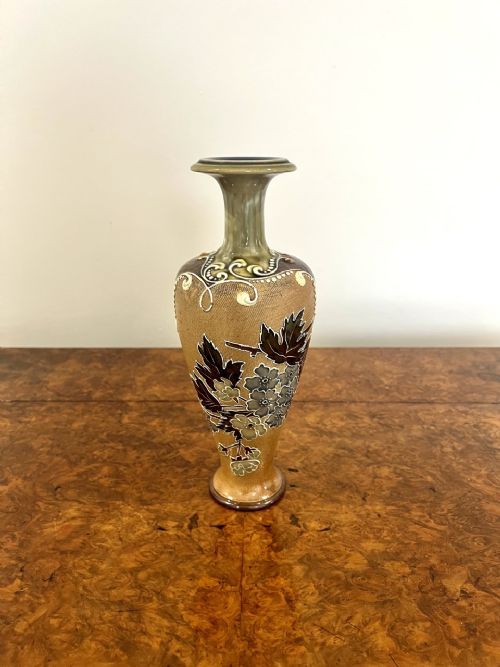


Green Stoneware Vessel
These green stoneware vessel examples bring together centuries of ceramic art, offering deep colour and tactile form for any interior.
Green Stoneware Vessel
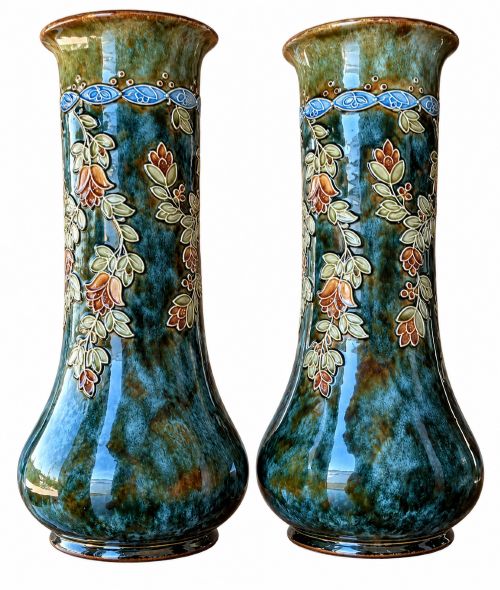
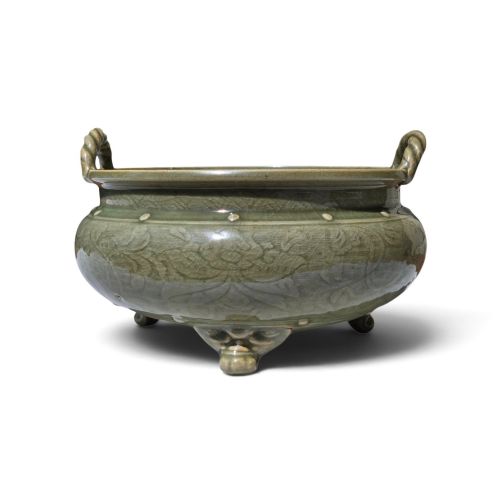
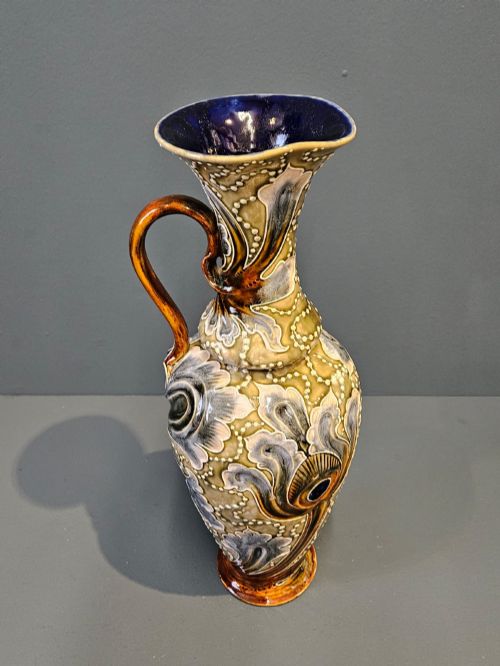
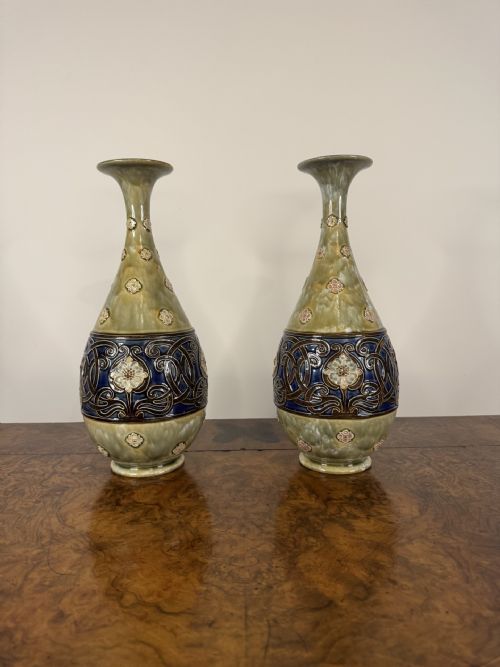
A green stoneware vessel spans centuries of ceramic tradition, taking the form of vases, jugs, incense burners, and jars across various historic periods. When exploring this selection, buyers encounter everything from early Chinese dynasties to Victorian studio pottery.
The objects listed range from monumental censers and globular vases to confit jars and ewers. Each piece displays a distinct silhouette shaped by its period of origin, whether that is the Song Dynasty or the Art Nouveau era.
How they were made
Potters shaped these items from dense clays such as stoneware and terracotta, applying glazes that include celadon, salt-glaze, and tea dust finishes. Firing at high temperatures ensured the ceramic bodies vitrified, creating durable vessels capable of holding liquids or standing as pure decoration.
Makers utilised surface techniques like enamel decoration and carved detailing beneath translucent glazes. Artisans at factories like Doulton Lambeth combined thrown bodies with applied ornamentation, while earlier Asian makers relied on precise kiln atmospheres to achieve subtle green tones.
Listings feature stoneware, terracotta, and ceramic bodies finished with celadon, salt-glaze, and enamel.
What varies in quality
Quality rests in the precision of the form and the depth of the glaze application. Superior examples show an even distribution of colour, whether a celadon wash or a rich tea dust finish, without pooling or dry patches.
Artistic execution sets individual works apart, particularly in pieces bearing the hand of specific studio artists. Crispness in incised decoration and balanced proportions elevate a piece from standard production to a notable work of ceramic art.
Royal Doulton·Doulton Lambeth·Louisa Wakely·Eliza Simmance
The Green Stoneware Vessel Glossary
- Stoneware
- A robust ceramic fired at high temperatures until semi-vitreous and impermeable. It does not require glazing to hold water.
- Celadon Glaze
- A transparent green glaze applied over a pale clay body, often crackled intentionally. It mimics the appearance of jade.
- Salt-Glaze
- A finish achieved by throwing common salt into the kiln during high-temperature firing, creating a textured, orange-peel surface.
- Baluster
- A vase form with a rounded body that tapers toward the neck and stands on a wider base. This shape provides stability and visual balance.
Green Stoneware Vessel: Frequently Asked Questions
Can these vessels hold fresh flowers?
Many stoneware and ceramic pieces are naturally waterproof due to their high firing temperatures. However, older or porous bodies may require a small glass insert to protect the interior.
Inspect the inside for any hairline fractures before filling with water. Placing a protective mat underneath safeguards polished furniture surfaces.
What is the difference between celadon and salt-glaze?
Celadon is a smooth, jade-green glaze rooted in Asian ceramic traditions. It relies on iron oxide within reduction firings to achieve its serene colour.
Salt-glaze creates a textured, slightly pitted surface through the chemical reaction of salt vapour inside the kiln. This technique gained prominence in European utilitarian wares.
How do I identify the period of a piece?
Examine the base for factory marks, artist ciphers, and potting characteristics that point to specific eras like the Victorian period or the Song Dynasty. Weight, glaze chemistry, and decorative style also offer clear clues to age.
Comparing the potting technique with known examples helps establish the manufacturing decade. Consulting specialist reference books refines these observations further.