


Oriental Ceramic Vase
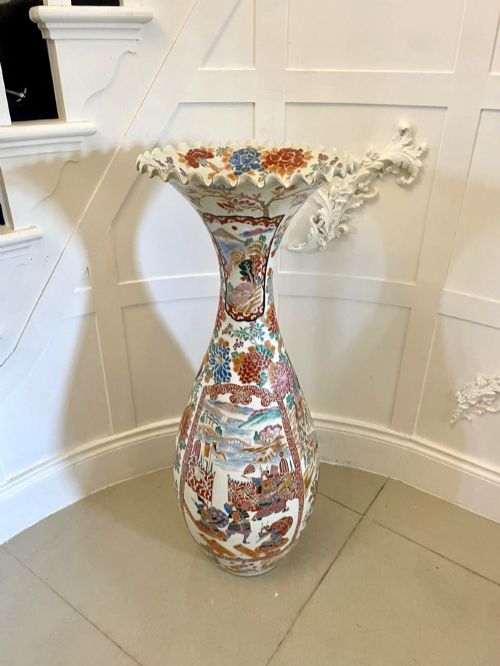
These pieces range from delicate Ming dynasty vessels to grand Meiji period floor stands, bringing centuries of skilled kiln work into a modern room.
Oriental Ceramic Vase
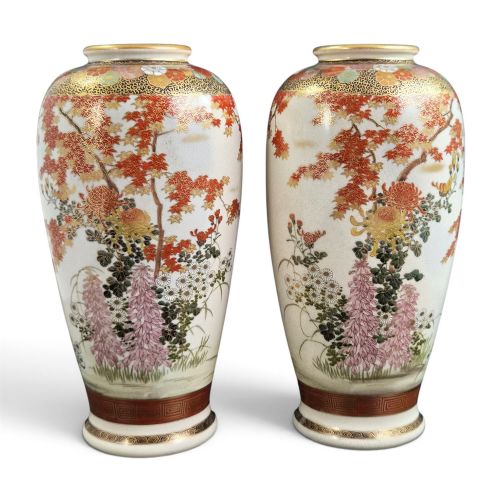
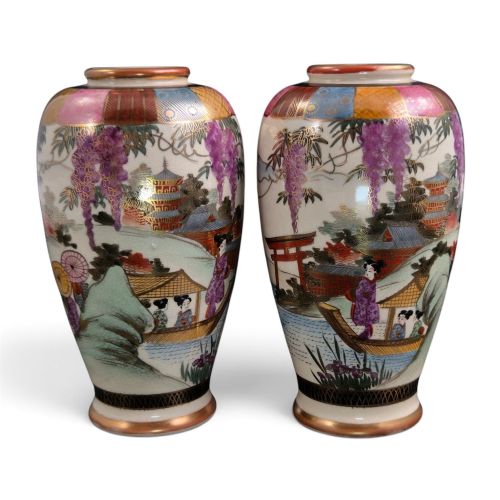
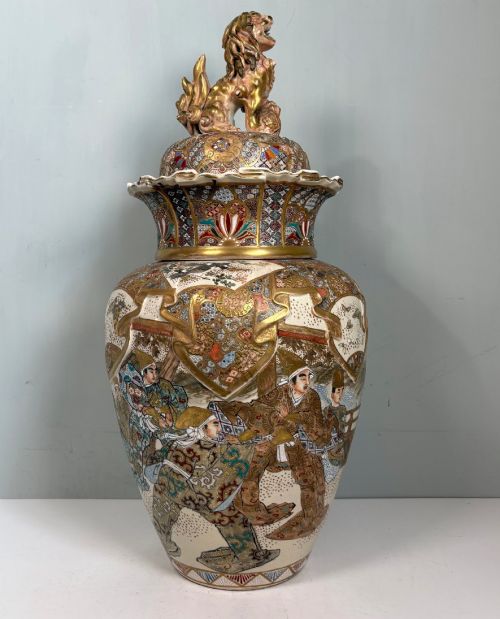
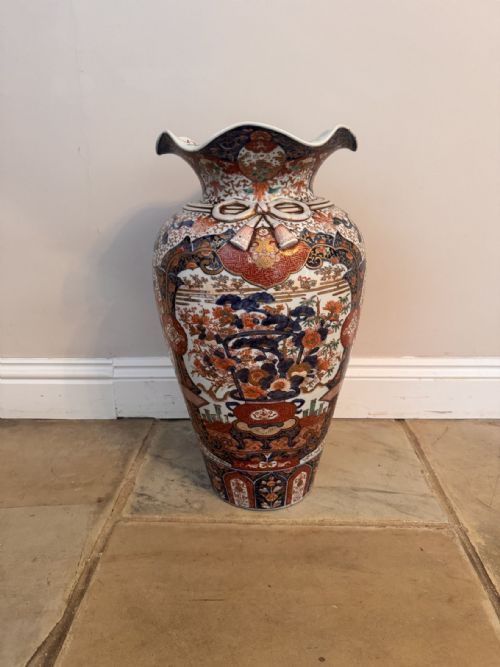
An oriental ceramic vase brings centuries of Asian kiln traditions into domestic spaces, appearing in forms such as ginger jars, floor-standing vessels, and baluster shapes. Buyers hunting for these pieces encounter everything from seventeenth-century Chinese blue and white porcelain to late nineteenth-century Japanese Satsuma earthenware.
The selection here leans heavily toward nineteenth- and early twentieth-century examples, spanning late Qing dynasty exports and Meiji period creations. Many of these sturdy vessels arrived in European homes via historic trade routes, while others crossed the seas as deliberate decorative statements during the Victorian and Edwardian eras.
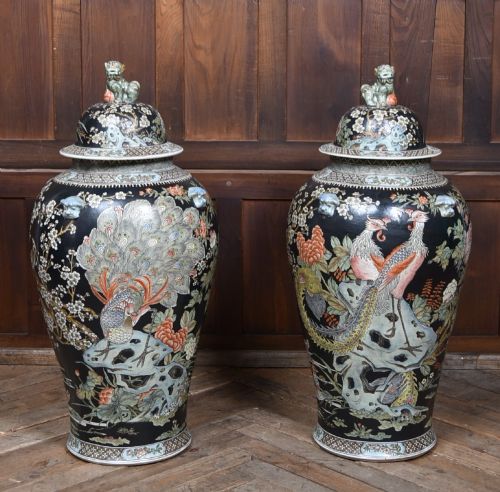
Vessels on this page frequently cross boundaries between display objects and functional items, with several historic pieces converted into table lamps using brass or gilt bronze mounts. Floor vases and palace jars dominate the larger formats, while smaller ginger jars and brush holders preserve intimate domestic uses.
How they were made
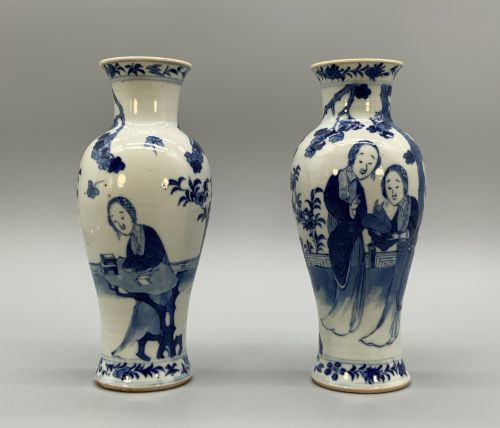
Potters built these bodies using fine porcelain, red clay, and earthenware, throwing them on wheels or shaping them within moulds before applying complex mineral pigments. Underglaze blue and copper-red painting required intense kiln temperatures to bond the metallic oxides permanently beneath a clear protective glass coating.
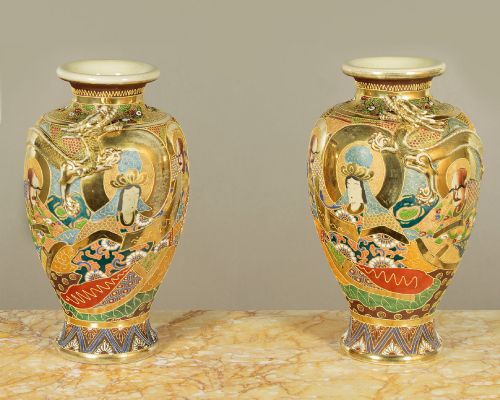
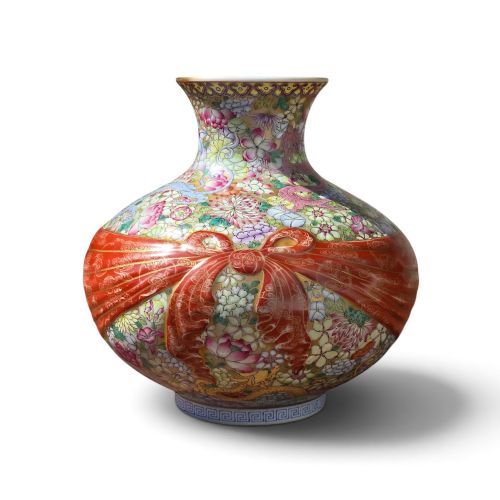
Enamels, gold leaf, and overglaze pigments arrived in subsequent firings, allowing artisans to build up textured low-relief details on Satsuma wares and intricate millefleurs patterns on Chinese porcelain. Sumida Gawa potters added further dimension by sculpting figures directly onto the wet clay surface before splashing thick flambe glazes across the body.
Glazes ranged from smooth powder-blue washes to pooled lavender and turquoise runs, while crackle effects occurred naturally through controlled cooling shrinkage. Artisans finished select luxury items with hand-applied gold leaf highlights, pairing delicate brushwork with robust ironstone and stoneware bodies.
Oriental Ceramic Vase Retail Price Guide 2026
Typical asking prices for oriental ceramic vase among the pieces listed under this phrase on Sellingantiques today, from the lower quarter to the upper quarter. They describe what is for sale here now, not the wider market.
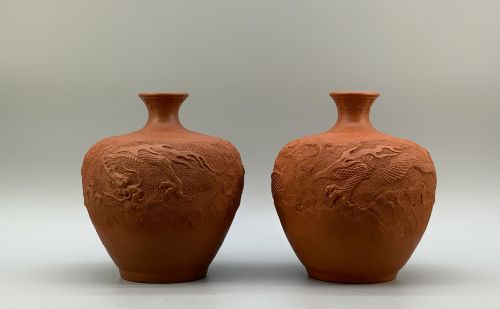
Several ceramic vessels preserve three-dimensional clay figures stubbornly climbing up the outer walls.
What varies in quality
The distinction between standard export wares and exceptional collector pieces rests primarily on the confidence and precision of the brushwork. Master painters controlled cobalt blue and enamel pigments with fluid mastery, whereas lesser items rely on stencilled transfers or hurried, repetitive motifs.
Clay preparation and kiln stability dictate structural integrity, separating cleanly fired vessels with even glaze pooling from pieces bearing warping, kiln grit, or dull surfaces. Sculptural relief work, such as the modelled figures on Sumida Gawa pottery or the fine detailing on Satsuma faces, demonstrates the individual hand of a named maker rather than mass production.
Preservation of fragile overglaze enamels and original gilding determines the standing of a vessel within its category. Pieces that retain crisp polychrome detail and unrubbed gold leaf reflect careful curation over generations.
Inoue Ryosai·Maruni Kobe·Shozan·Ban-ni·Hicks and Meigh
The Oriental Ceramic Vase Glossary
- Satsuma
- A type of Japanese earthenware featuring an ivory-coloured, crackled glaze decorated with detailed polychrome enamels and gilt. These pieces frequently depict figures from folklore, landscapes, and floral scenes.
- Imari
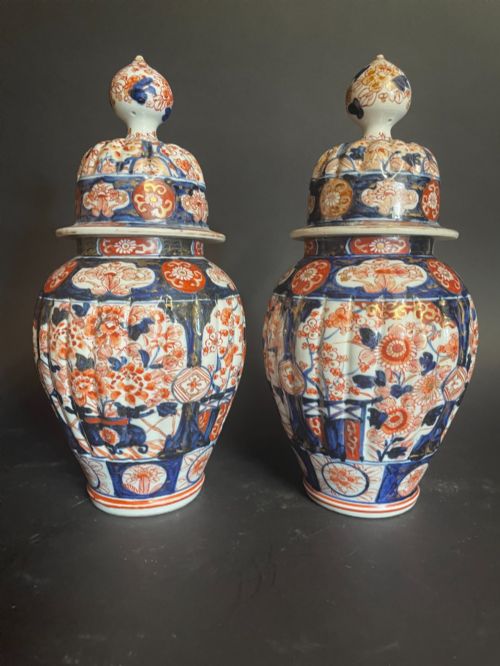
- A traditional Japanese style of porcelain characterised by a palette of underglaze blue, iron red, and supplementary gold. The style gained immense popularity across Europe during the export periods.
- Famille Rose
- A major palette of Chinese ceramic enamels introduced during the Qing dynasty, dominated by opaque pink or rose colours. This scheme allowed artists to achieve subtle tonal gradations in floral and figural compositions.
- Sumida Gawa
- A distinct Japanese art pottery style associated with the Tokyo region, featuring heavily textured flambe glazes and applied clay figures climbing across the vessel. Inoue Ryosai stands out among the makers working in this sculptural manner.
- Celadon
- A term for ceramics featuring a pale green or greyish-green jade-like glaze produced by iron oxide reacting in a reduction kiln atmosphere. The glaze mimics the prized appearance of natural jade stone.
Oriental Ceramic Vase: Frequently Asked Questions
How do I spot a reproduction?
Examine the base and glaze for signs of age, such as natural wear patterns, kiln spurs, and hand-mixed pigments that sit slightly proud of the ceramic body. Modern reproductions often display uniform machine printing and artificial distressing rather than genuine historic patination.
Look closely at the weight and construction of the piece, as older porcelain and earthenware possess distinct densities and potting techniques that modern factories struggle to replicate accurately.
Can I use these vases for water?
Historic ceramics, particularly porous earthenware like Satsuma or converted lamps with drilled bases, are best kept dry to protect the body and historic glazes. Moisture can seep into ancient clay or reactivate old repairs and metal mounts.
Use a discreet internal glass liner if you plan to display fresh stems in a sturdy porcelain vase, though most antique vessels are best appreciated on their own sculptural merits.
How do I date a Chinese vase?
Dating relies on cross-referencing imperial reign marks, stylistic conventions of the cobalt blue, and the specific texture of the unglazed foot rim. However, many export pieces bear apocryphal marks honouring earlier emperors rather than indicating the actual year of production.
Comparing the potting style, weight, and enamel palette to dated examples in museum archives remains the most reliable method for narrowing down a century.
What is a ginger jar?
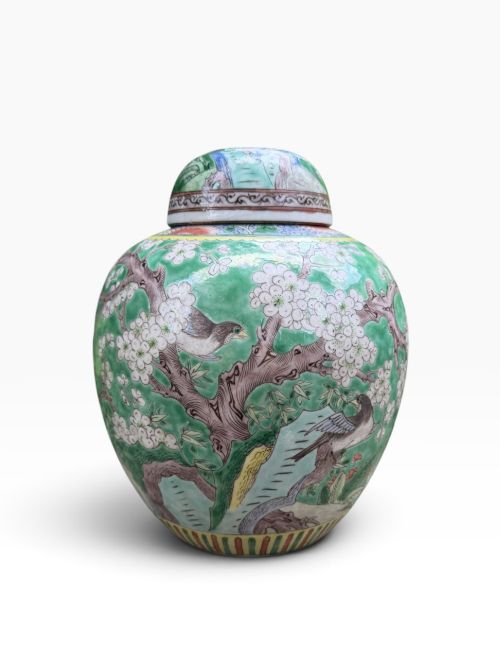
Ginger jars originated as sturdy commercial containers used for shipping spices, salt, and oils across ancient trade routes. Over time, their pleasing ovoid proportions and matching domed lids attracted the attention of domestic decorators.
By the nineteenth century, these jars evolved into pure decorative objects, often painted with intricate prunus blossom patterns or blue and white landscapes for display in European drawing rooms.