




Gold Japanese Vase
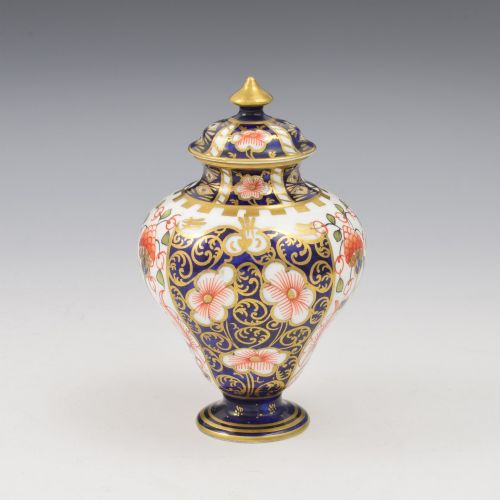
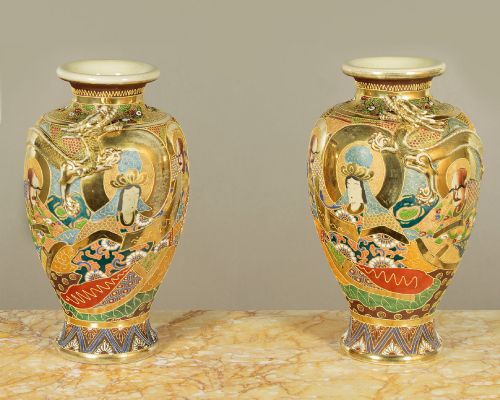
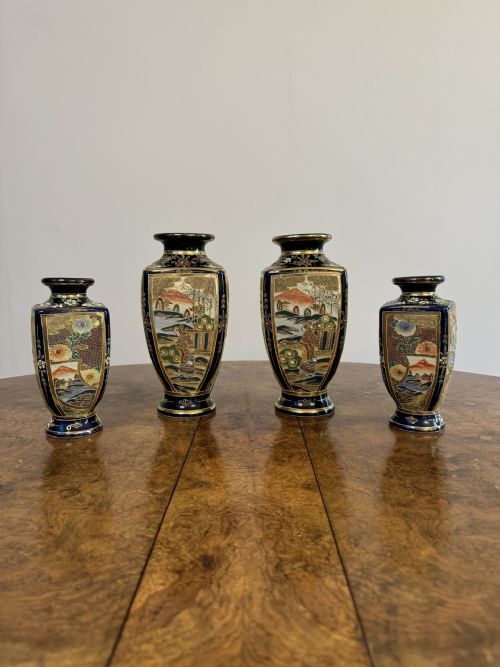
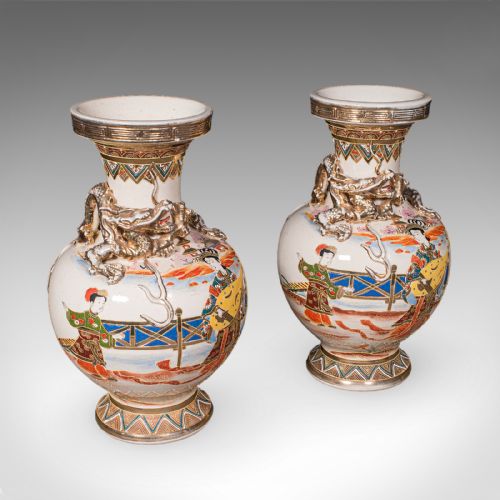
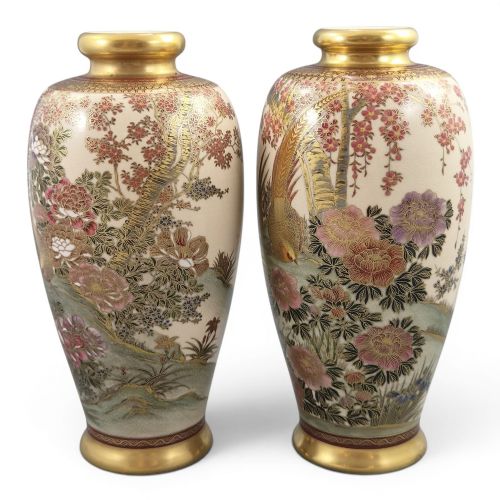
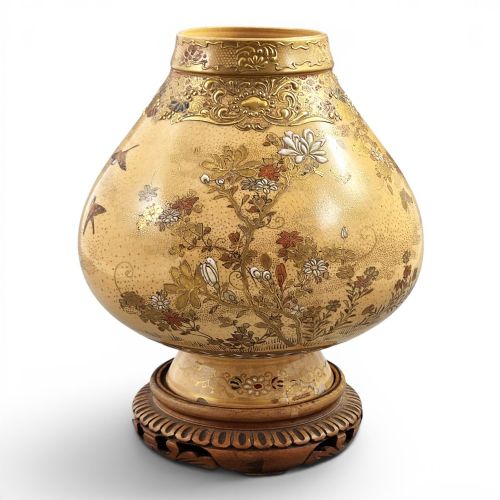
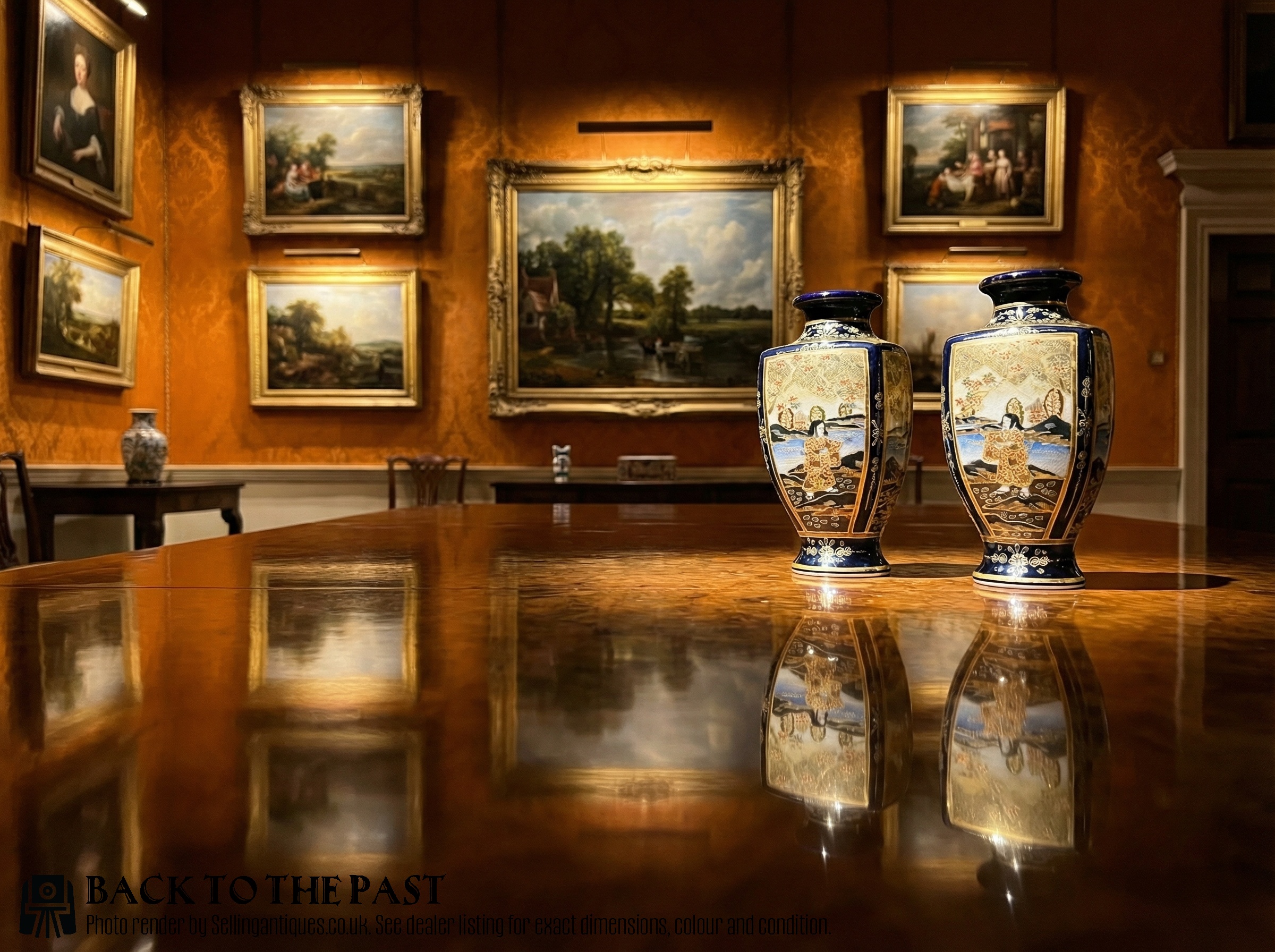
A gold japanese vase brings intricate metalwork, enamel and gilt ceramics from the Meiji period and Victorian eras into a room.
Gold Japanese Vase
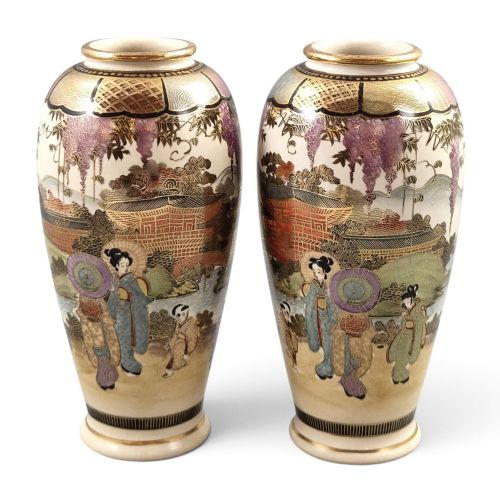
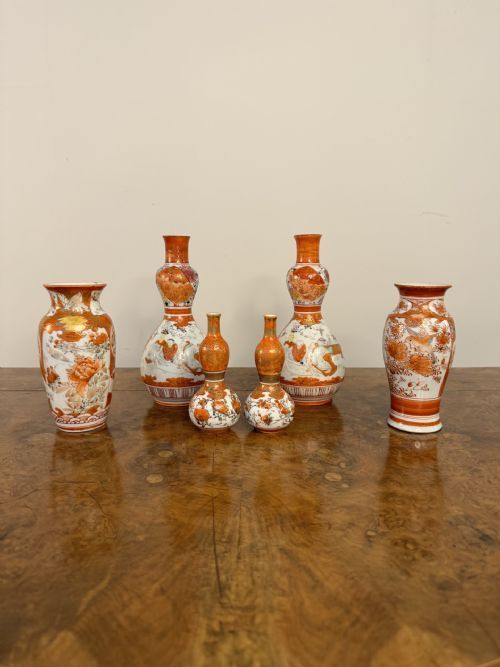
A gold japanese vase typically encompasses ceramic vessels such as Satsuma and Kutani wares, alongside metalwork bodies decorated with detailed gilding. These pieces span the nineteenth century, the Meiji period, and early twentieth-century production.
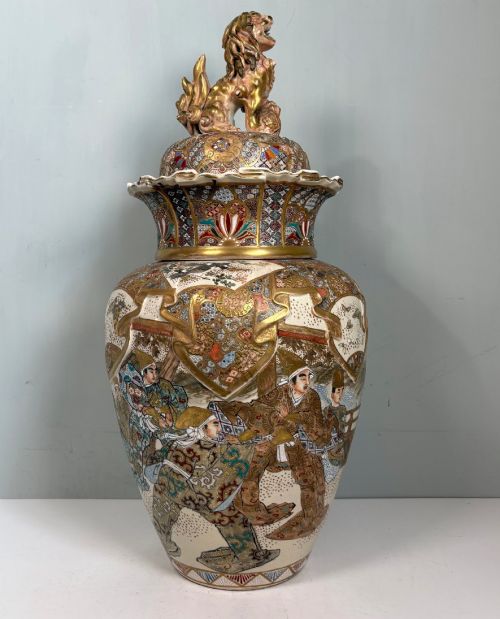
Forms range from small miniature vessels and baluster shapes to large garnitures and monumental temple urns. Many examples incorporate traditional motifs such as courtly figures, dragons, and floral gardens.
The selection on this page also includes table lamps and lidded urns adapted from original vases. Originating primarily from Japanese workshops and Kyoto potteries, they reflect international tastes of the late Victorian and Edwardian periods.
How they were made
Makers built ceramic bodies from earthenware and porcelain, applying fine glazes before adding intricate hand-painted designs. Artisans then layered gold leaf, gilt highlights, and raised moriage enamel to create textured surfaces.
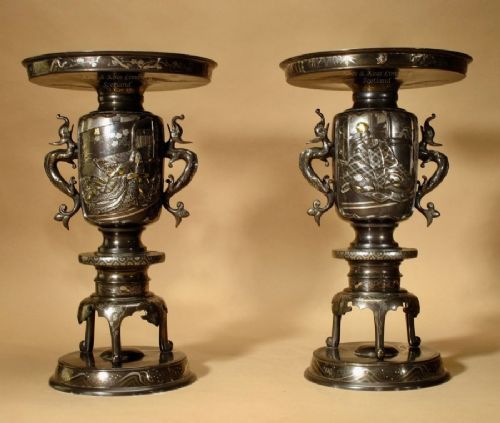
Metal vessels utilised bronze or iron foundations inlaid with silver and gold wire, or employed cloisonné techniques with gold-wired enamel cells. Lacquer and Shibayama pieces integrated carved elements and gold dust directly onto the surface.
Gold Japanese Vase Retail Price Guide 2026
Typical asking prices for gold japanese vase among the pieces listed under this phrase on Sellingantiques today, from the lower quarter to the upper quarter. They describe what is for sale here now, not the wider market.
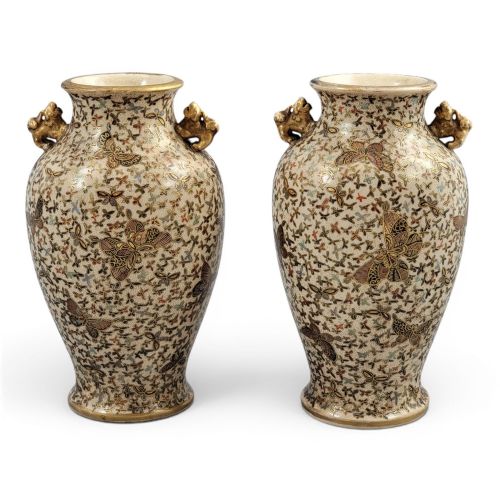
Several Meiji vases squeeze thousands of painted miniature arhats and butterflies onto surfaces barely larger than an apple.
What varies in quality
Quality rests in the precision of the hand-painting and the density of the gold detailing. Early Meiji workshop pieces demonstrate finer brushwork and more complex figurative scenes than later commercial output.
The depth and application of raised moriage, alongside the crispness of bronze metalwork inlays, distinguish standard decorative items from exhibition-grade creations signed by master makers.
Shozan·Manpei·Kinkōzan·Hotoda·Chosei·Nanzan·Seiko-en Chokei·Hakusan·Kinrin·Hattori·Hayashi Kodenji
The Gold Japanese Vase Glossary
- Satsuma
- A type of Japanese earthenware featuring a ivory-crackled glaze decorated with polychrome enamels and rich gold. It became immensely popular for export during the Meiji period.
- Moriage
- A decorative ceramic technique using piped clay to build up raised patterns before gilding and painting. This method adds significant tactile depth to the surface.
- Meiji Period
- The era of Japanese history lasting from 1868 to 1912, noted for opening trade with the West and producing highly detailed decorative arts. Pieces from this time often bear artist signatures.
- Cloisonne
- A metalworking technique where thin wire partitions are soldered to a body to create cells, which are then filled with enamel paste and fired. Gold wire outlines are typical of higher-grade examples.
- Kutani
- A style of Japanese porcelain and pottery originating from Kaga province, known for bold palettes and extensive gold detailing. Vases in this tradition frequently display geometric panels and nature motifs.
Gold Japanese Vase: Frequently Asked Questions
How do I identify a Meiji period vase?
Meiji period pieces usually date between 1868 and 1912, showing dense decorative schemes, intricate gold work, and frequently artist or workshop signatures on the base. They reflect the rapid expansion of Japanese craftsmanship tailored for export.
Examining the weight, the fineness of the crackle glaze in Satsuma wares, and the complexity of painted figural scenes helps confirm this era.
What is Satsuma ware?
Satsuma ware is a distinct style of Japanese earthenware recognizable by its cream-coloured, finely crackled glaze. Artisans painted these surfaces by hand using vibrant mineral colours and heavy gold leaf.
These pieces were produced primarily for Western markets in the late nineteenth and early twentieth centuries, featuring courtly scenes, immortals, and floral patterns.
How should I clean a gilded vase?
Gilded and enamelled surfaces require gentle dusting with a soft, dry brush to avoid scratching the delicate gold leaf or raised moriage. Water and chemical cleaning agents can strip historical patination and damage the ceramic glaze.
Keeping these vessels out of direct sunlight preserves the pigments and prevents the earthenware bodies from drying out over time.
Are these vases marked by the maker?
Many Japanese export pieces carry painted, impressed, or gold-signed seals on the underside identifying the studio or artist. Signatures from renowned Kyoto workshops add historical context to the object.
Unsigned pieces remain common, relying on stylistic markers, materials, and decorative quality to indicate their period of origin.