



Gilded Japanese Porcelain
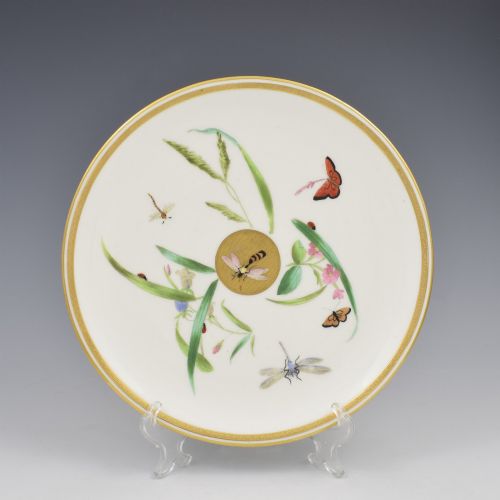
These pieces of gilded japanese porcelain bring together intricate hand-painted decoration and rich metal leaf from the nineteenth and early twentieth centuries.
Gilded Japanese Porcelain
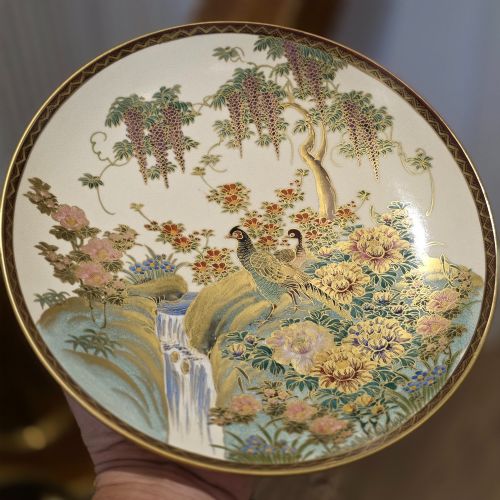
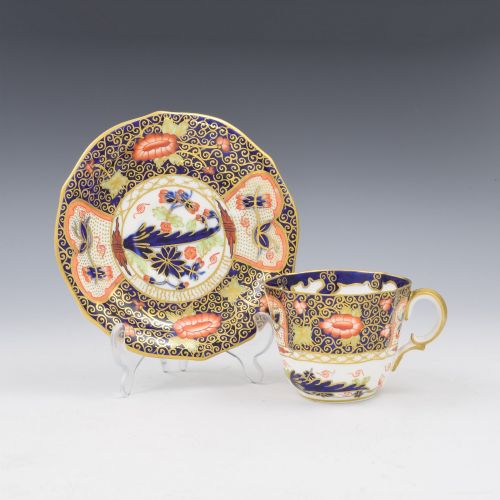
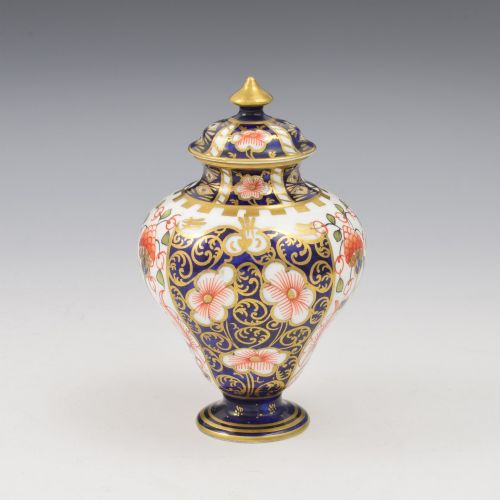
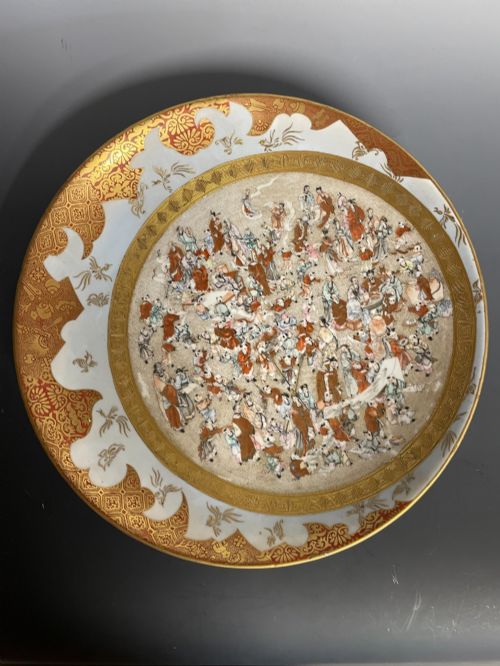
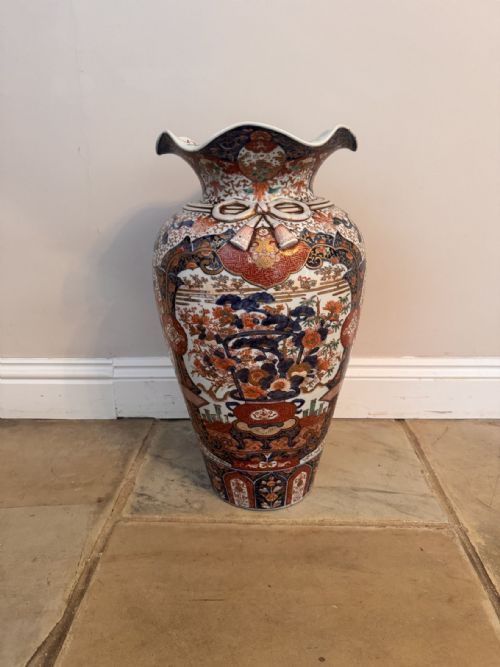
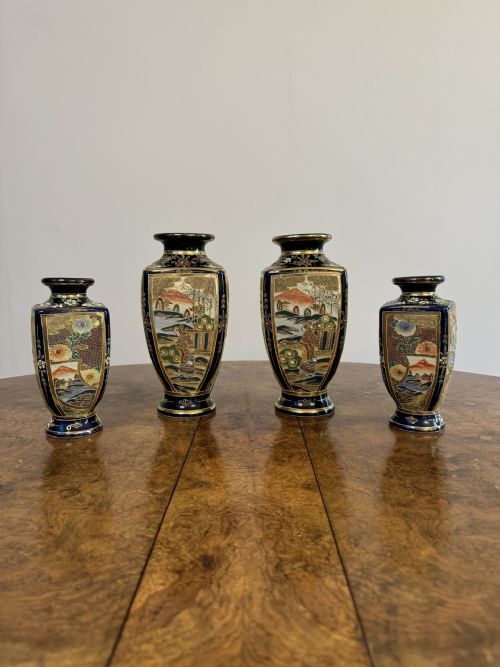
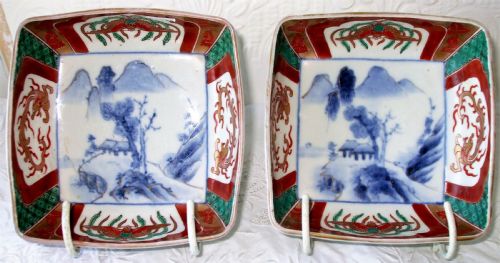
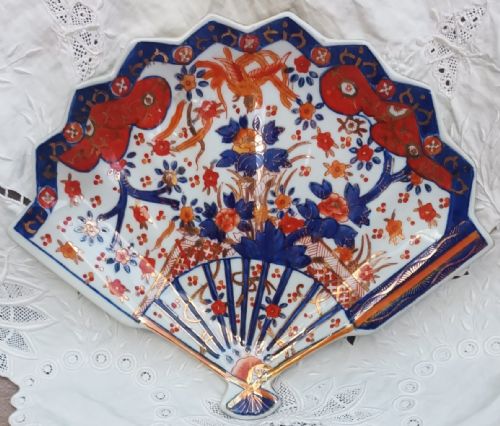
When you search for gilded japanese porcelain, you encounter a varied selection of vessels and decorative items made primarily during the Meiji and subsequent periods. The selection on this page relies heavily on traditional Japanese Imari patterns, Satsuma earthenware and Kutani ceramics produced across the late nineteenth and early twentieth centuries.
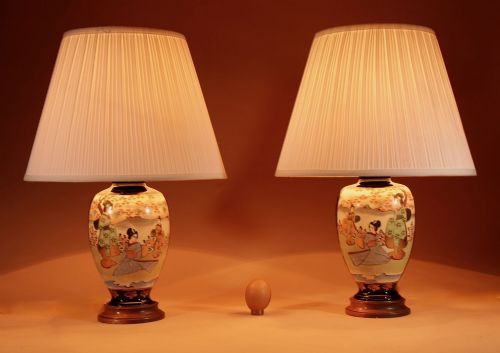
Vessels range from large floor-standing vases and chargers to smaller tea sets, ginger jars and decorative bowls. Many of these forms integrate rich gilding alongside traditional enamel palettes, sometimes adapted into table lamps or paired with wooden stands for display.
How they were made
Potters shaped fine porcelain and earthenware bodies by hand or wheel before applying mineral glazes and detailed enamel painting. Artisans then added gold leaf or gold gilt highlights to accent the intricate floral, bird and figural designs.
Firing techniques allowed the ceramic bodies to take vibrant underglaze and overglaze colours safely. Final applications of gold leaf or powdered gilding were fixed to the surface to create a shimmering contrast against the painted backgrounds.
Gilded Japanese Porcelain Retail Price Guide 2026
Typical asking prices for gilded japanese porcelain among the pieces listed under this phrase on Sellingantiques today, from the lower quarter to the upper quarter. They describe what is for sale here now, not the wider market.
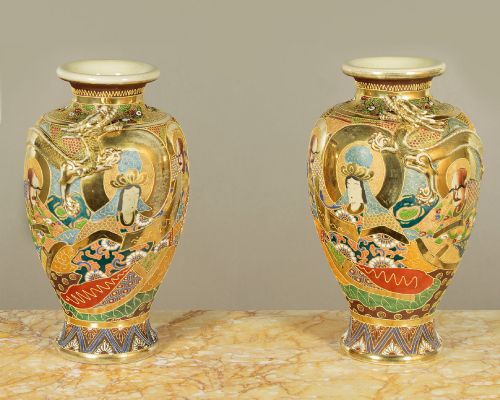
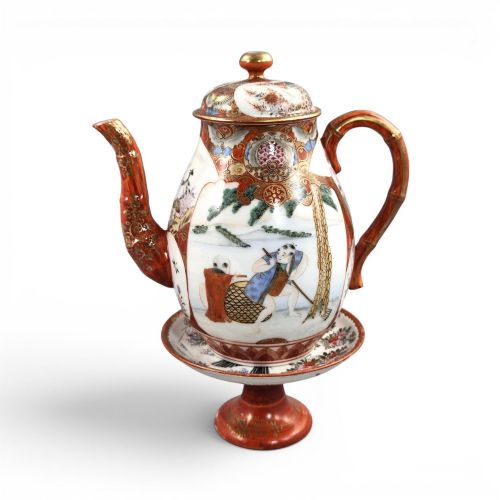
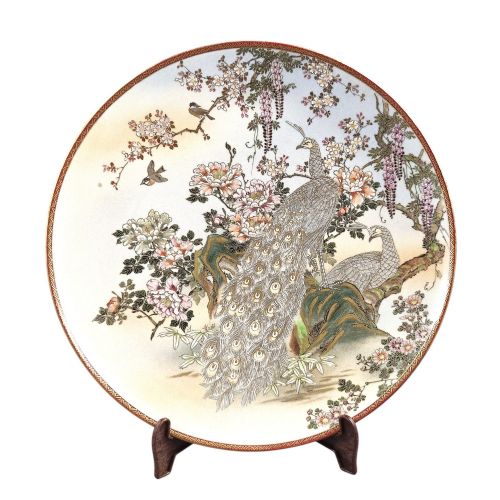
Several pieces feature lively scenes of traditional figures and elaborate dragons sharing space with peaceful birds and wisteria.
What varies in quality
The sophistication of the hand-painted brushwork and the density of the gilding largely separate standard production wares from finer workshop pieces. Superior examples display precise control over fine lines and complex motifs, such as figures or detailed flora, executed by known makers.
The clarity of the glaze and the preservation of the original gold leaf also dictate overall desirability. Pieces retaining crisp, unrubbed gilding and balanced proportions demonstrate a higher level of original craftsmanship.
Koshida·Manpei·Gyokkō·Kozan·Kinkōzan·Hotoda
The Gilded Japanese Porcelain Glossary
- Imari
- A style of Japanese export porcelain originating from the town of Arita, traditionally characterised by underglaze blue and overglaze red, green and gold colours. It gained immense popularity in Europe during the Edo and Meiji periods.
- Satsuma
- A type of Japanese earthenware featuring a pale, ivory-coloured cracked glaze decorated with polychrome enamels and extensive gilding. Kyoto became a major centre for high-quality Satsuma production.
- Kutani
- Japanese porcelain and ceramic ware known for bold, colourful overglaze enamel designs often featuring rich greens, reds and gold highlights. These pieces frequently depict natural scenes or traditional figures.
- Moriage
- A decorative ceramic technique using piped slip to create raised, three-dimensional relief patterns on the surface of vases and bowls. This texture is often highlighted with gilding or bright enamels.
- Gilding
- The application of gold leaf or powdered gold onto the surface of ceramic objects to create decorative metallic accents. It is a defining feature across many Meiji export wares.
Gilded Japanese Porcelain: Frequently Asked Questions
How do I clean gilded japanese porcelain?
Dust these decorative items gently with a dry, soft cloth to protect the delicate enamel and gold leaf surfaces from abrasion.
Avoid using water, chemical cleaners or commercial solvents, as moisture and harsh scrubbing can easily damage or remove historical gilding.
Can I use these vases for fresh flowers?
Most antique vessels function best as decorative display pieces rather than practical containers for water and fresh stems.
Introducing moisture inside older ceramic bodies can sometimes seep through unglazed areas or compromise historic glazes and repair materials.
How do I date a piece of Satsuma?
Examine the crackle pattern of the glaze and the style of the hand-painted enamel figures to help narrow down the period of production.
Many finer pieces also feature artist signatures or workshop marks on the base, which correspond to specific Meiji era makers and kiln locations.
What is the difference between Imari and Kutani?
Imari wares traditionally combine underglaze cobalt blue with vibrant red and gold overglaze patterns on hard porcelain.
Kutani ceramics lean towards bolder, heavier enamel palettes dominated by greens and golds, frequently appearing on both porcelain and earthenware bodies.