




Blue Red Imari Porcelain
Blue red imari porcelain brings striking palette contrast and intricate oriental design to your interior scheme.
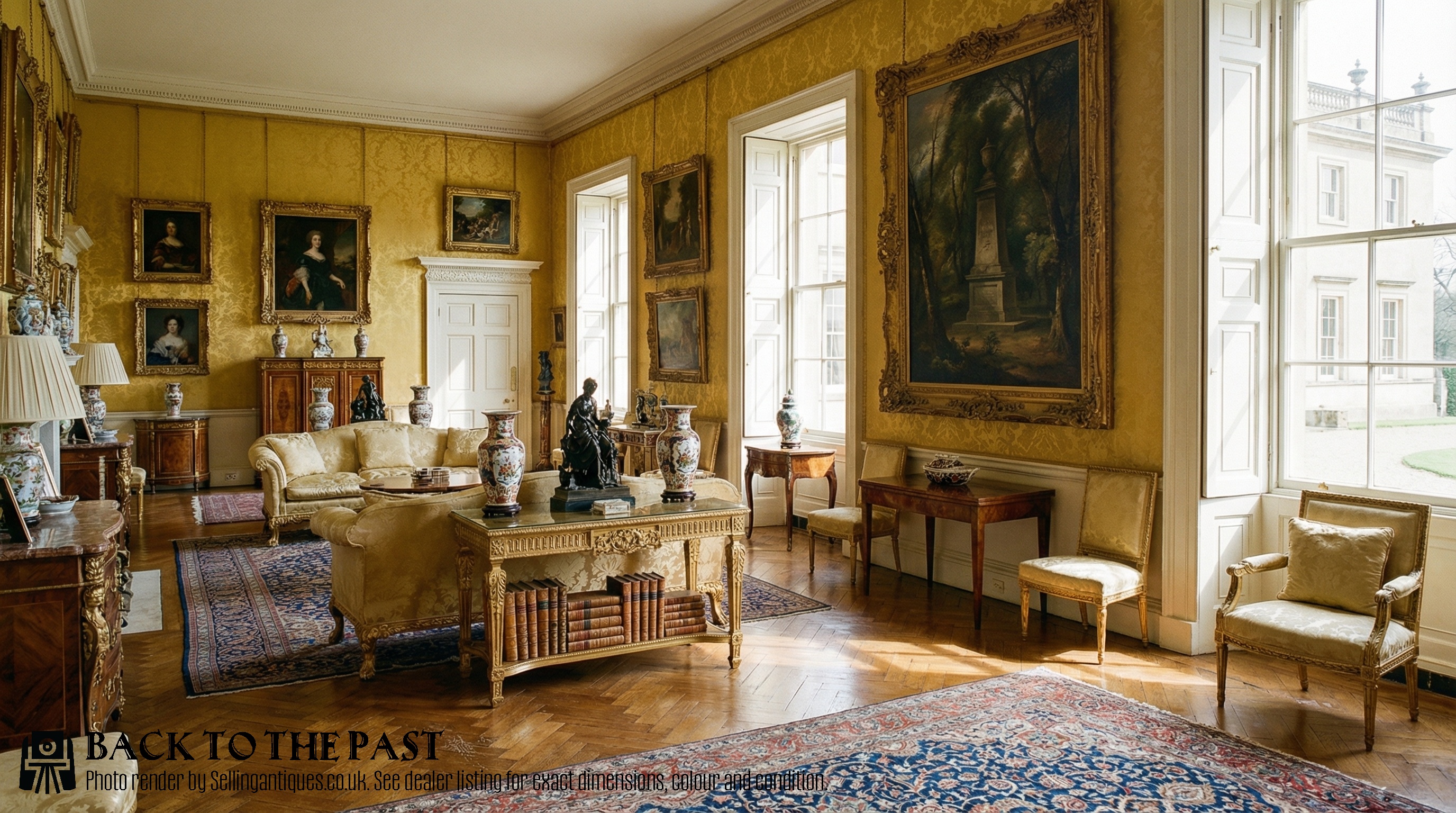
Identifying Blue Red Imari Porcelain
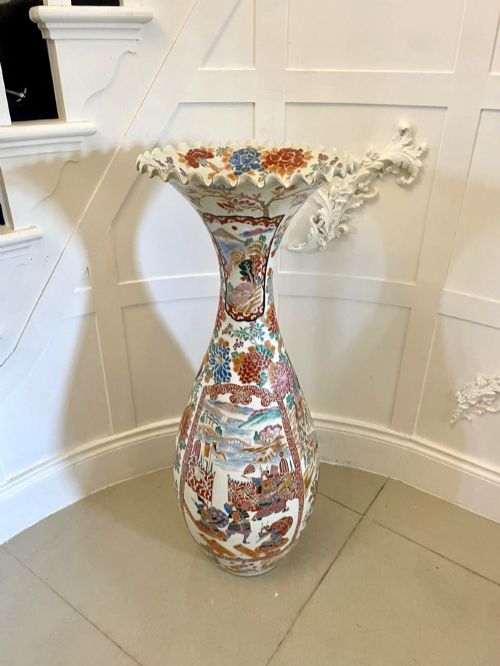
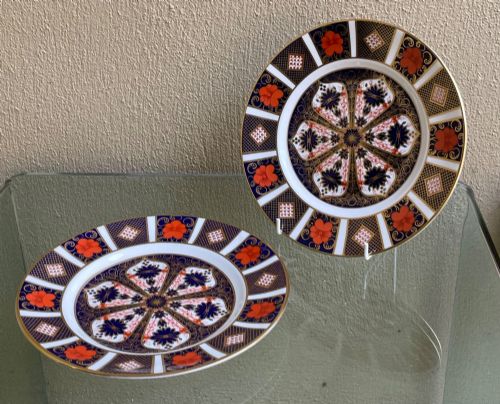
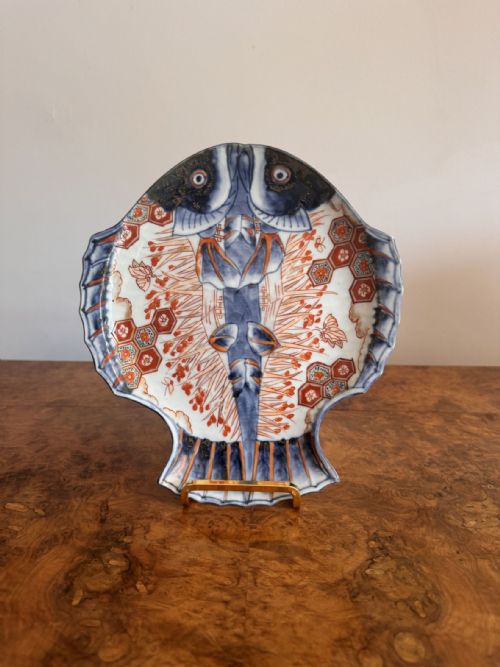
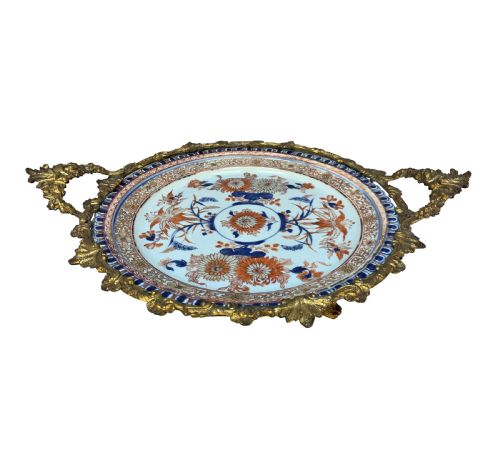
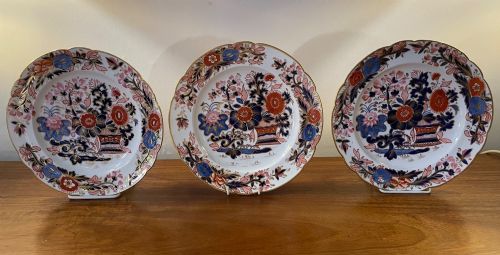
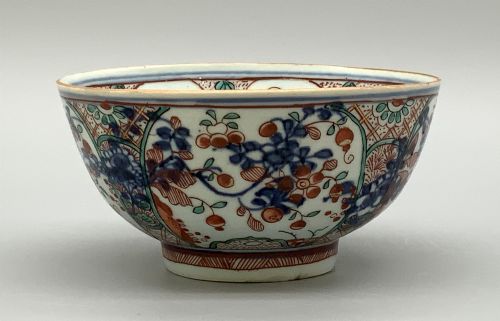
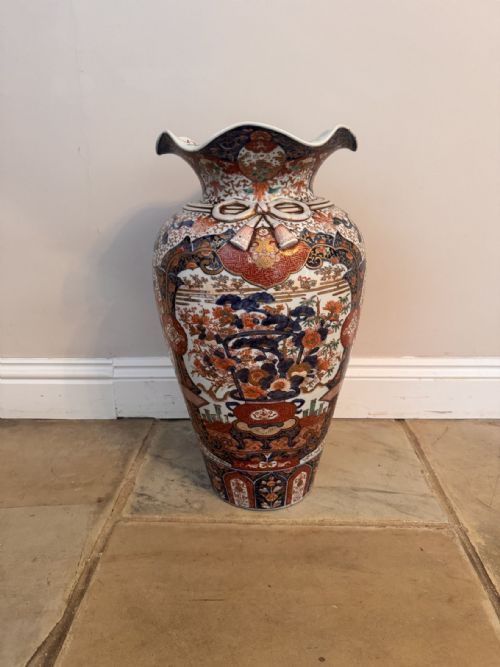
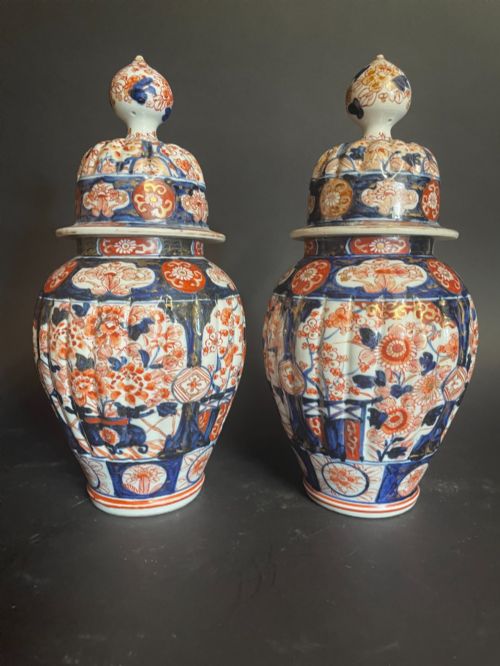
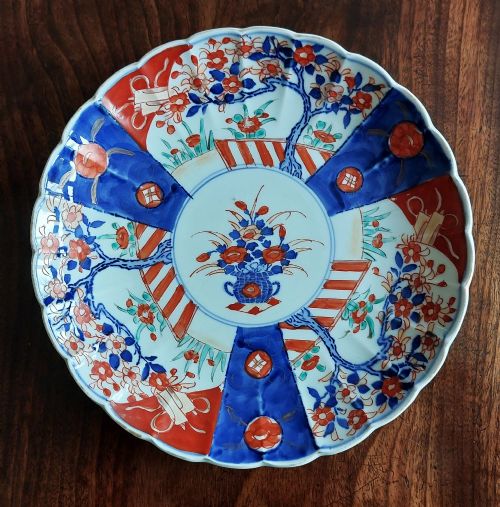
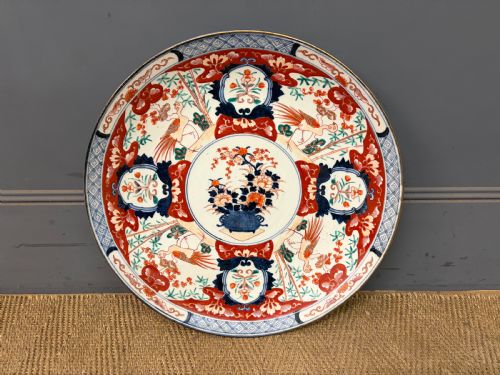
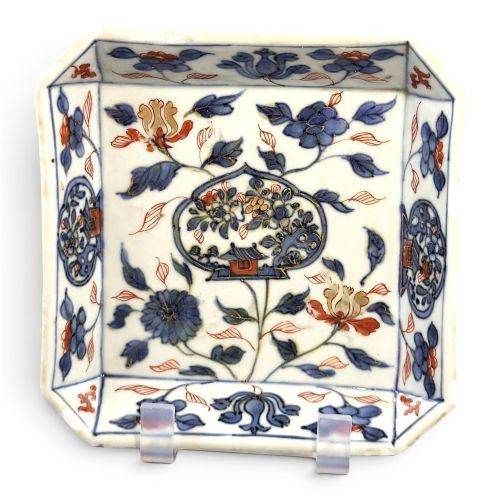
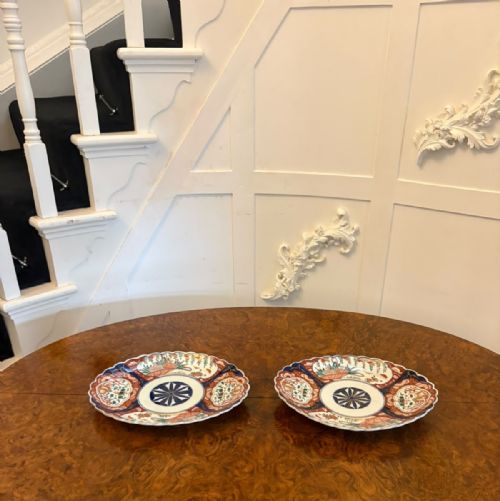
Blue red imari porcelain pieces encompass decorative plates, oval jardinieres, boat-shaped dishes, and two-handle vases originating from Japanese Edo and Meiji periods alongside eighteenth and nineteenth century production. These items display distinctive hand-painted schemes created for both domestic display and export markets.
The objects appearing on this page most frequently include pairs of decorative plates dating around nineteen hundred, alongside larger nineteenth-century vases and eighteenth-century lidded examples. Buyers will also encounter specialised vessel forms such as boat-shaped dishes and jardinieres featuring characteristic coloration.
Originating primarily from Japanese traditions, these ceramic works reflect centuries of evolving decorative techniques. British production is occasionally represented by nineteenth-century factory pieces adopting the same palette.
Materials and Construction
Potters utilised fine ceramic clay to form the base bodies of these vessels before applying cobalt blue underglaze decoration directly to the raw paste. This initial pigment layer underwent high-temperature firing to achieve permanence and depth.
Following the primary glaze firing, artisans applied overglaze enamel colours including vibrant red alongside supplementary gilding and gold leaf highlights. A secondary, lower-temperature firing then fixed these surface pigments to the porcelain body.
Retail Price Guide 2026
Typical UK retail prices for blue red imari porcelain, calculated from the Sellingantiques database of over a million retail prices indexed since 2003. This retail price guide relies exclusively on Sellingantiques data; no external sources or auction records are used, so the figures do not describe the wider market.
Current listings feature porcelain works spanning the eighteenth, nineteenth, and early twentieth centuries, incorporating Japanese Edo and Meiji styles.
Assessing Quality and Execution
Superior examples display precise brushwork and balanced compositional harmony across the cobalt blue underglaze and overglaze enamel decoration. The application of gold leaf and gilding remains crisp, defining intricate floral and geometric motifs without blurring into the surrounding glaze.
The finesse of the porcelain body and the complexity of the vessel shape dictate the upper tier of the range. Boat-shaped dishes and large jardinieres demonstrate advanced potting skill compared to standard circular plates.
The Blue Red Imari Porcelain Glossary
- Cobalt Blue Underglaze
- A metallic pigment applied to the raw porcelain body before glazing and firing. This cobalt oxide withstands high kiln temperatures, producing a deep blue hue beneath the glassy surface.
- Overglaze Enamel
- Coloured glass powder mixed with a medium and painted over the fired glaze. A subsequent low-temperature firing melts the enamel onto the surface.
- Gilding
- The application of gold leaf or powdered gold onto the porcelain surface. This technique adds reflective metallic highlights to the design.
- Jardiniere
- An ornamental ceramic pot designed to hold living plants or flowers. These large vessels often feature sturdy handles or footed bases.
- Meiji Period
- The era of Japanese history spanning from eighteen sixty-eight to nineteen twelve. Ceramics from this time show high technical proficiency and detailed export decoration.
Frequently Asked Questions
What is imari porcelain?
Imari porcelain is a style of Japanese export ceramic originating from the town of Arita and shipped through the port of Imari. It is characterised by a distinct colour palette combining underglaze blue with red enamel and gold.
These wares became immensely popular in European homes during the seventeenth and eighteenth centuries, inspiring numerous Western factories to imitate the vibrant aesthetic.
How do I date these pieces?
Dating relies on stylistic markers, potting characteristics, and the vibrancy of the enamels. Eighteenth-century examples often exhibit heavier bodies and deeper cobalt tones, whereas Meiji period items display refined detail.
Comparing the condition of the overglaze red and gold leaf alongside baseline historical periods helps establish the approximate age of each ceramic.
Where were these pieces made?
The vast majority originate from Japanese kilns operating during the Edo and Meiji periods. Artisans produced these items specifically for international trade and domestic patronage.
British makers occasionally adopted the aesthetic during the nineteenth century, producing matching cabaret sets and tableware inspired by the original Japanese designs.
How should I display them?
Plates look striking mounted on walls or displayed in plate stands to highlight their intricate borders. Vases and jardinieres function well as standalone focal points on sturdy tables or mantelpieces.
Keep pieces away from direct, harsh sunlight to preserve the rich overglaze red enamel and delicate gold leaf highlights over time.